
How to Create Immersive Virtual Open Houses for Financial Advisory Firms
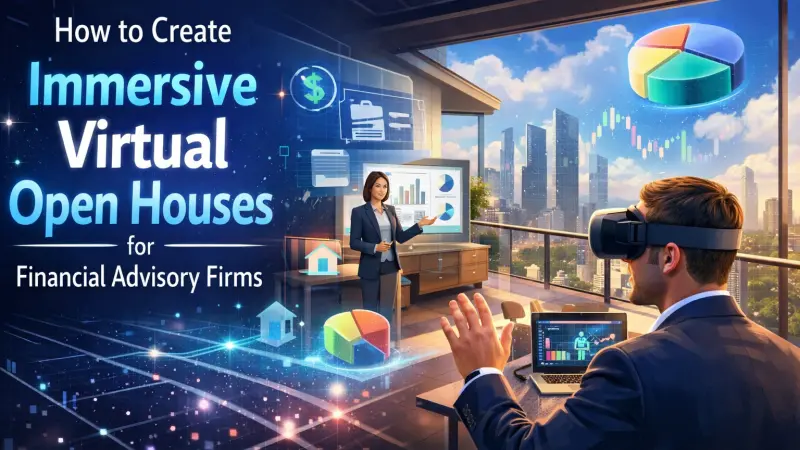
Can the digital realm ever truly replicate the quiet confidence of a mahogany-panelled boardroom in Mayfair or the reassuring handshake of a trusted wealth manager? For many UK financial institutions, the answer is no longer a matter of "if" but "how." As client demographics shift and the demand for convenience grows, the concept of virtual open houses has moved from a temporary pandemic-era workaround to a cornerstone of modern client acquisition. An immersive virtual open house is not merely a standard video call; it is a meticulously curated digital experience designed to showcase a firm’s expertise, culture, and technological prowess to prospective clients across the country. By blending high-definition video, interactive data visualisations, and real-time Q&A sessions, financial advisory firms can break down geographical barriers while maintaining the prestige and personal touch that high-net-worth individuals expect. In an increasingly crowded marketplace, the ability to host a seamless, professional, and engaging virtual event serves as a powerful differentiator, signalling that a firm is both forward-thinking and deeply committed to accessible, transparent communication.
The foundation of a successful virtual open house lies in the strategic selection of technology and content. Unlike traditional marketing, which often feels one-way, an immersive event should be designed as a dialogue. This begins with the technical infrastructure: using high-quality streaming platforms that allow for custom branding and interactive elements like live polling and sentiment tracking. For a UK-based firm, this might involve a "behind-the-scenes" tour of their offices, followed by a high-level briefing on current market trends affecting the FTSE 100 or updates on HMRC tax legislation. By providing immediate value through expert insight, the firm positions itself as a thought leader rather than just a service provider. The objective is to create a "sticky" environment where prospects feel comfortable lingering, asking questions, and exploring the firm’s unique approach to wealth preservation. When executed correctly, these digital gatherings can achieve higher attendance rates and better lead quality than physical events, as they respect the busy schedules of modern professionals while offering a low-pressure environment for initial discovery.
Furthermore, the "immersive" element is achieved through the integration of rich media and storytelling. Instead of static slide decks, advisors should use dynamic charts that update in real-time or augmented reality (AR) tools that help clients visualise potential retirement scenarios. This level of interactivity keeps the audience engaged and helps demystify complex financial concepts. In the UK, where trust in financial institutions is hard-won, the transparency afforded by these open houses is invaluable. They allow prospects to meet the team, hear the firm’s philosophy first-hand, and see the technology they will be using to manage their assets. This "human-first" digital strategy ensures that despite the lack of physical presence, the emotional connection—the bedrock of any advisory relationship—remains central to the experience.
Planning the Narrative: From Discovery to Conversion
Creating an immersive virtual open house requires a structured narrative that guides the prospect through the firm’s value proposition without feeling like a sales pitch. The event should start with a strong "hook"—perhaps a provocative question about the future of global markets or a surprising statistic regarding UK inheritance patterns. This immediately establishes the firm’s intellectual authority. The middle section should focus on the "how"—demonstrating the firm’s proprietary investment process or their unique approach to risk management. Use case studies that reflect the specific concerns of your target audience, such as tax-efficient exit strategies for business owners or sustainable investing for younger high-net-worth individuals. By addressing specific pain points, you demonstrate empathy and expertise, making the prospect feel that their unique situation is understood.
The conclusion of the virtual open house is perhaps the most critical stage. Instead of a generic "thank you," provide a clear and compelling call to action that feels like a logical next step rather than a hard sell. This could be an invitation to a private "strategy audit," a link to a bespoke white paper, or a dedicated time slot for a one-on-one video consultation.
The transition from a public event to a private conversation must be seamless. By using integrated booking tools, advisors can allow attendees to schedule meetings directly within the virtual environment, capitalising on the momentum of the event. In the competitive landscape of UK financial services, reducing the friction between interest and engagement is essential for maintaining a healthy sales pipeline.
Data analytics play a silent but vital role in this planning. By monitoring which parts of the presentation received the most engagement—where attendees asked questions or which visual aids they hovered over—the firm can gain deep insights into what their prospects truly care about. This data should then be used to tailor follow-up communications. If an attendee showed high interest in the ESG (Environmental, Social, and Governance) portion of the open house, their follow-up email should contain deep-dive content on that specific topic. This level of hyper-personalisation, powered by the analytics from the virtual event, ensures that every prospect feels seen and valued as an individual, significantly increasing the likelihood of conversion.
Technical Excellence: Ensuring a Professional UK Broadcast
In the world of high-value finance, technical glitches are more than just an annoyance; they are a threat to credibility. If a firm cannot manage a stable video stream, a client may wonder if they can manage a complex portfolio. Therefore, investing in professional-grade audio and visual equipment is non-negotiable. This includes high-definition cameras, professional lighting to eliminate shadows, and, most importantly, broadcast-quality microphones. In a virtual environment, sound quality is often more important than video; if the audience cannot hear the advisor clearly, the message is lost. Furthermore, ensure that the background is professional and on-brand—whether that is a well-curated physical office space or a high-quality virtual background that doesn't "clip" or look artificial.
Connectivity is another critical factor. Always use a wired internet connection rather than Wi-Fi to ensure maximum stability. It is also wise to have a "dry run" or technical rehearsal at least 24 hours before the event to test all features, from screen sharing to interactive polls. Have a dedicated technical moderator who is not the presenter; this person can handle any individual attendee issues in the chat, manage the Q&A queue, and step in if there is a primary connection failure. For a UK firm targeting international clients, consider the time zone implications and the platform’s accessibility across different devices and jurisdictions. A professional broadcast signals that the firm is modern, competent, and takes its digital presence as seriously as its physical one.
Finally, consider the accessibility of the event. Providing closed captioning and ensuring the platform is compatible with screen readers demonstrates a commitment to inclusivity, which is a key component of modern ESG values. In the UK, where the FCA places significant emphasis on the fair treatment of vulnerable customers, ensuring your digital events are accessible is not just good practice—it is a regulatory expectation. By removing barriers to entry, you ensure that your message reaches the widest possible audience while reinforcing your firm’s reputation as an ethical and inclusive institution.
Key Features of an Immersive Virtual Event
- Interactive Dashboards: Allow prospects to interact with live financial data and modelling tools.
- Breakout Rooms: Offer smaller, focused sessions on specific topics like pension planning or IHT.
- Expert Panels: Feature guest speakers or internal specialists to provide a multi-faceted view of the market.
- Live Q&A: Use moderated chat functions to address concerns in real-time, building immediate rapport.
- On-Demand Access: Record the session and provide a high-quality replay for those who could not attend live.
- Integrated Scheduling: Let attendees book follow-up consultations directly from the event interface.
The Role of Content Marketing in Event Promotion
A virtual open house is only successful if the right people attend. This requires a robust, multi-channel promotion strategy that starts weeks in advance. Content marketing is the engine that drives this awareness. Use LinkedIn to share teaser videos, highlighting the key questions that will be answered during the event.
Create a dedicated landing page that not only handles registrations but also provides introductory content to "warm up" the leads. For a UK audience, email marketing remains highly effective, provided the messaging is sophisticated and value-led. Instead of a generic "Register Now," use a subject line like "A Modern Approach to Wealth Preservation in the 2024 Tax Year," which highlights the immediate relevance of the event.
Incentivising early registration can also help build momentum. This doesn't mean offering a discount—which could be seen as unprofessional in high-finance—but rather offering early access to a restricted piece of research or an exclusive white paper. This creates a "member-only" feel even before the event has started. Furthermore, leverage your existing client base by asking them to refer peers who might find the content useful. Word-of-mouth remains the most powerful lead generator in the UK advisory space, and a high-quality virtual event is an easy "product" for a satisfied client to share.
Don't forget the power of post-event content. The virtual open house should be the "hero" piece of content that is then sliced into smaller assets. A 45-minute webinar can be turned into five short social media clips, a detailed blog post, and an infographic. This "repurposing" strategy ensures that the effort put into the event continues to generate leads long after the live stream has ended. It also provides a way to re-engage those who registered but did not attend, keeping your firm top-of-mind when they are eventually ready to seek advice.
Frequently Asked Questions
How long should a virtual open house for a financial firm last?
Typically, 45 to 60 minutes is the "sweet spot." This allows for 30-40 minutes of high-value presentation and 15-20 minutes for interactive Q&A. Anything longer risks "Zoom fatigue," while anything shorter may not feel substantial enough for a high-value prospect.
What is the best way to handle Q&A in a virtual setting?
Use a moderated Q&A tool where attendees can submit questions throughout the session. The moderator can then group similar questions together and present them to the speaker.
This ensures the session remains focused and professional, avoiding awkward silences or repetitive answers.
Do I need to hire a professional production company?
While not strictly necessary, it is highly recommended for larger, flagship events. A production company can handle the lighting, sound, and multi-camera switching, allowing the advisors to focus entirely on their delivery. For smaller, more frequent "coffee morning" style events, a well-set-up internal studio is often sufficient.
How do I measure the ROI of a virtual open house?
ROI should be measured by the number of high-quality follow-up consultations booked, rather than just raw attendance numbers. Track the "conversion rate" from attendee to booked meeting, as well as the engagement metrics (time spent in session, questions asked) to gauge the effectiveness of your content.
Is it better to have a live event or a pre-recorded one?
Live events are generally better for building trust and rapport, as they allow for real-time interaction. However, a "simu-live" approach—where the main presentation is pre-recorded to ensure perfection, followed by a live Q&A can offer the best of both worlds.
What platforms are best for financial advisory virtual events?
Platforms like ON24, Zoom Webinars, and GoToWebinar are popular choices. However, for a more premium experience, look for platforms that
allow for "white labelling" and custom interactive widgets that can be embedded directly into your firm’s website.
In conclusion, creating immersive virtual open houses is a sophisticated way for UK financial advisory firms to build trust, showcase expertise, and engage with a wider audience. By focusing on high production values, interactive content, and a clear narrative journey, firms can transcend the limitations of digital communication and create meaningful, lasting connections with prospective clients. As the digital transformation of the financial industry continues apace, those who master the art of the virtual experience will be the ones to lead the market. For firms looking to bolster their professional network and improve their online visibility within the United Kingdom, utilizing a free business search directory can be a vital component of a broader marketing strategy. Whether you are searching for local specialist partners or want to ensure your firm is easily found by high-value prospects, Local Page UK serves as a comprehensive platform as a verified business directory. By ensuring your advisory firm is listed in a prominent company directory online or a free company search directory, you provide an additional layer of digital credibility that complements your immersive virtual events.
Disclaimer: The information provided in this article is for general informational and research purposes only. Company details, features, services, and market positions may change over time. Readers are advised to visit official company websites and conduct independent research before making any business decisions or purchasing services.
Most Searchable Keywords
Recent Blogs

Related Listings
Categories
- Accountants (295)
- Advertising Agencies (559)
- Architects (149)
- Automobiles (377)
- Beauty (300)
- Carpenters (146)
- Cleaning Services (387)
- Dentists (189)
- Driving (62)
- Education (1)
- Electricians (215)
- Energy (8)
- Event Organiser (686)
- Finance (602)
- Guide (3381)
- Health (2207)
- Information technology (206)
- Legal Services (359)
- Logistics (6)
- Maintenance (65)
Sponsored Listings in Home and Garden


Related Blogs

Strictly Come Dancing Pros Net Worth Salary a...
Read this insightful article "Strictly Come Dancing Pros Net Worth Salary and Personal Life" to expand your knowledge!

Britains Richest Authors Ranked for 2026 by N...
Read this insightful article "Britains Richest Authors Ranked for 2026 by Net Worth" to expand your knowledge!
Why Basel Market Risk Deadline Has Shifted to...
Read this insightful article "Why Basel Market Risk Deadline Has Shifted to 2028" to expand your knowledge!
Questions & Answers – Find What
You Need, Instantly!
How can I update my business listing?
Is it free to manage my business listing?
How long does it take for my updates to reflect?
Why is it important to keep my listing updated?
