
How to Find Providers Offering Sanitization Services
- 👤 Alex
- 👁️ 61 Views
- Last Updated: April 11, 2026
- 🏷️ Cleaning Services
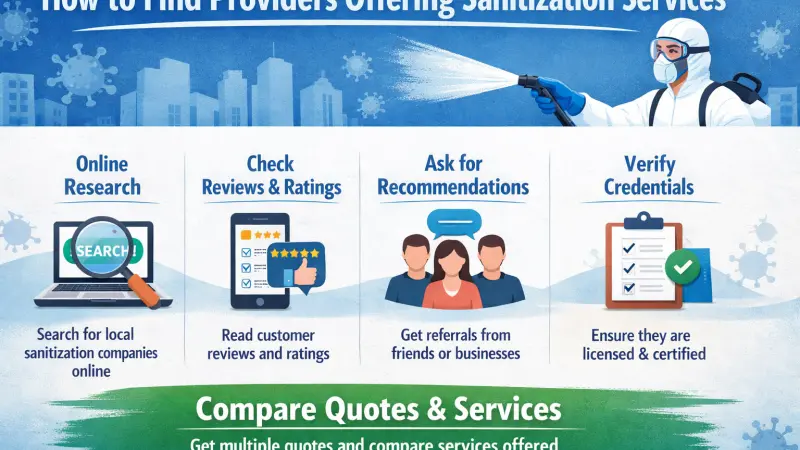
Ensuring a clean and hygienic environment has transitioned from a routine chore to a fundamental pillar of public health and personal safety. Whether you are a homeowner looking to protect your family from seasonal pathogens or a business owner responsible for the well-being of employees and clients, finding a professional sanitization provider is a critical task. However, the market is saturated with various cleaning companies, making it difficult to distinguish between a standard "surface clean" and a medical-grade disinfection service. This guide provides an exhaustive look at how to navigate the industry, vet potential contractors, and understand the technical nuances of sanitization to ensure you receive the high-quality service your space requires.

Understanding the Difference: Cleaning, Sanitizing, and Disinfecting
Before beginning your search, it is vital to understand what you are actually looking for. These terms are often used interchangeably, but they represent very different levels of decontamination.
Cleaning
Cleaning is the physical removal of dirt, dust, and organic matter from surfaces. It typically involves soap or detergent and water. While cleaning removes many germs, it does not necessarily kill them. It is, however, a mandatory first step; you cannot effectively sanitize a surface that is covered in physical debris.
Sanitizing
Sanitizing reduces the number of bacteria on a surface to a level considered safe by public health standards. It is a faster process than disinfecting but may not eliminate all viruses or fungi. It is commonly used in food preparation areas.
Disinfecting
Disinfection involves using chemicals to kill nearly 100% of the germs, viruses, and fungi listed on a product’s label. This process usually requires a "dwell time"—a period where the chemical must remain wet on the surface—to be effective.
Why Professional Sanitization is Essential
While DIY cleaning is sufficient for daily maintenance, professional sanitization offers a level of thoroughness that household tools cannot match.
-
Specialized Equipment: Professionals use electrostatic sprayers, fogging machines, and UV-C light technology to reach crevices that manual wiping misses.
-
Industrial-Grade Chemicals: Providers have access to EPA-registered (or equivalent national body) disinfectants that are more potent than over-the-counter sprays.
-
Cross-Contamination Prevention: Professionals are trained in "zone cleaning" to ensure that germs from a restroom are not transferred to a kitchen or workspace.
-
Liability and Compliance: For businesses, hiring a certified professional provides documentation that health and safety protocols have been met, which is crucial for insurance and regulatory audits.
Step-by-Step Guide to Finding a Sanitization Provider
Finding a provider requires a methodical approach to ensure you aren't just
hiring a "mop and bucket" service for a high-stakes disinfection job.
1. Define Your Specific Needs
Determine the scope of the work. Are you looking for a one-time deep clean after a viral outbreak, or do you need a recurring preventative maintenance schedule? High-traffic areas like gyms, clinics, and schools require different protocols than a private residence.
2. Research and Shortlist
Start by looking for companies that specialize specifically in "biohazard remediation" or "commercial disinfection" rather than just general housekeeping. Use online search engines, professional networks, and industry-specific forums to create a list of five to seven potential candidates.
3. Verify Certifications and Insurance
Any legitimate sanitization provider should carry comprehensive general liability insurance and workers' compensation. Furthermore, look for certifications from organizations such as the Global Biorisk Advisory Council (GBAC) or the Institute of Inspection Cleaning and Restoration Certification (IICRC).
4. Inquire About Chemical Safety
Ask for the Safety Data Sheets (SDS) of the chemicals they intend to use. Ensure the products are non-toxic to pets or employees once dry and that they are effective against specific pathogens like Norovirus or SARS-CoV-2.
What to Look for During the Vetting Process
When interviewing a provider, their level of transparency is usually an indicator of their quality. A reputable company will be happy to explain their "dwell time" requirements and their process for high-touch point disinfection (light switches, door handles, elevator buttons, and shared electronics).
Equipment Standards
Modern sanitization relies heavily on technology. If a company claims to offer "advanced" services but only uses spray bottles and microfiber cloths, they may not be providing a comprehensive service. Electrostatic spraying is currently the industry gold standard because it gives disinfectant droplets a positive charge, allowing them to wrap around and coat curved surfaces evenly.
Staff Training
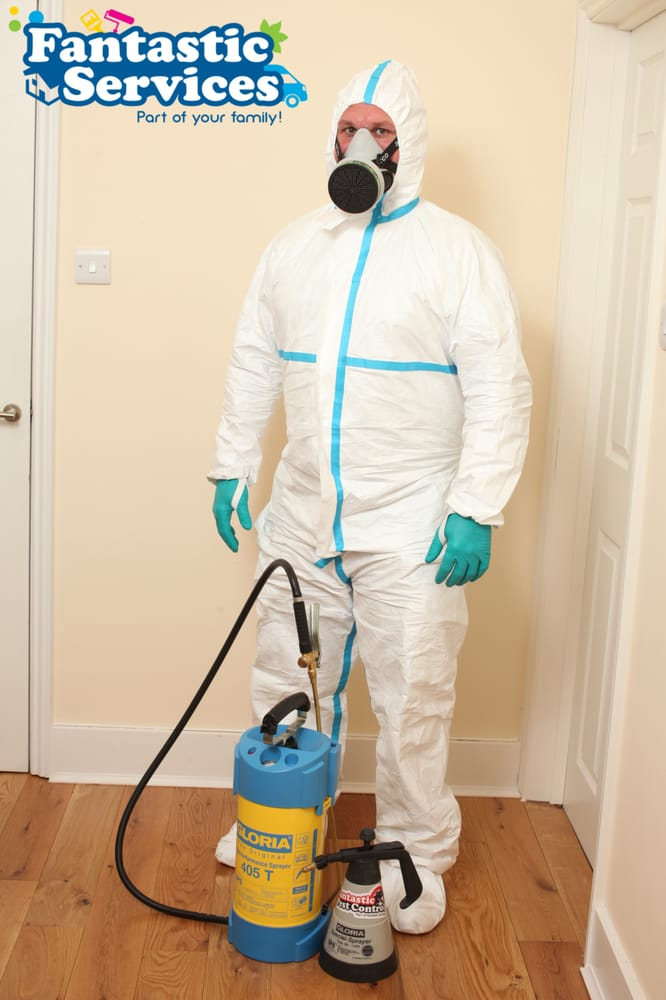
Sanitization is a science. Ask the provider how their staff is trained. Do they understand the contact time required for the chemicals to work? Do they wear appropriate Personal Protective Equipment (PPE) to prevent bringing external contaminants into your facility?
Common Mistakes to Avoid
-
Prioritizing Price Over Protocol: The cheapest quote often comes from companies that skip the necessary dwell time or use diluted chemicals.
-
Ignoring the "Clean Before Sanitize" Rule: If a provider offers to fog a room without cleaning the dust and dirt off the desks first, the service will be ineffective.
-
Failing to Get a Written Scope of Work: Ensure every high-touch area is listed in the contract. If it isn't on paper, there is no guarantee it will be disinfected.
The Role of Frequency and Consistency
Sanitization is not a "one and done" solution. The moment a person enters a sanitized room, they begin reintroducing microbes. Therefore, the frequency of service is as important as the quality.
For businesses, daily sanitization of high-touch surfaces is recommended, with professional deep-disinfection occurring weekly or monthly depending on foot traffic.
Supporting Local Business Visibility Beyond Core Marketing Efforts
When searching for these essential services, you will notice that the most reliable providers often focus on their local presence. Maintaining a clear and accurate Local Page UK allows these specialists to be found by the people who need them most urgently. Strategic visibility is more than just advertising; it is about ensuring that a company’s credentials and service areas are easily accessible to the public.
For a provider, the decision to advertise company uk directory listings helps bridge the gap between a hidden expert and a customer in need. This layer of directory marketing uk acts as a signal of credibility and consistency. When a business appears in a free business database directory, it reinforces their local discovery aid, making it easier for homeowners to verify company ratings uk before making a hiring decision. This ecosystem of visibility ensures that high-quality sanitization experts are not overshadowed by larger, less specialized national chains.
Right Sanitization Provider
Finding the right sanitization provider is an investment in health, safety, and peace of mind. By understanding the technical requirements of disinfection, vetting providers based on their certifications and equipment, and avoiding the trap of the lowest bidder, you can ensure your environment remains a safe haven. Remember that a truly professional service is defined by its transparency and adherence to scientific protocols.
If you are ready to secure your space, begin by auditing your current cleaning schedule and reaching out to certified professionals for a comprehensive site assessment. Taking a proactive approach today prevents the health crises of tomorrow.Frequently Asked Questions (FAQs)
1. How long does a professional sanitization service take?
It depends on the square footage and the method used. A standard office can often be treated in 2–4 hours, but the "dwell time" of the chemicals must be factored in before the space is re-occupied.
2. Are the chemicals used safe for children and pets?
Most professional-grade disinfectants are safe once they have completely dried. However, you should always ask
for the Safety Data Sheet (SDS) and confirm the re-entry time with the provider.
3. Is "fogging" better than manual wiping?
Fogging and electrostatic spraying are better for reaching inaccessible areas and covering large volumes quickly. However, manual wiping is still necessary for removing physical bio-matter and dirt before the fogging begins.
4. How often should a business be sanitized?
High-traffic businesses should sanitize high-touch surfaces daily. A professional deep-disinfecting service is typically recommended once a month or immediately following a known illness exposure.
5. Do I need to move furniture before the cleaners arrive?
Generally, no, but surfaces should be cleared of paperwork and personal items to allow the disinfectant to make direct contact with the desks and tables.
6. What is "dwell time"?
Dwell time is the amount of time a disinfectant must remain visibly wet on a surface to kill the pathogens listed on its label. This can range from 30 seconds to 10 minutes.
7. Can sanitization prevent the flu and common cold?
Yes. Professional sanitization targets a broad spectrum of viruses and bacteria, significantly reducing the viral load in an environment and lowering the risk of transmission.
8. What certifications should I look for in a provider?
Look for IICRC (Institute of Inspection Cleaning and Restoration Certification) or GBAC (Global Biorisk Advisory Council) trained technicians, as these indicate specialized knowledge in biohazard and infection control.

Disclaimer: The information provided in this article is for general informational and research purposes only. Company details, features, services, and market positions may change over time. Readers are advised to visit official company websites and conduct independent research before making any business decisions or purchasing services.
Most Searchable Keywords

Recent Blogs


Related Listings
-

Platinum Exterior Cleaning
-
End of Tenancy Cleaning Agency
-
Royal Cleaning
-
FastKlean
-
Fantastic Services

Categories
- Accountants (295)
- Advertising Agencies (559)
- Architects (149)
- Automobiles (376)
- Beauty (300)
- Carpenters (146)
- Cleaning Services (386)
- Dentists (189)
- Driving (61)
- Electricians (215)
- Energy (8)
- Event Organiser (684)
- Finance (598)
- Guide (3363)
- Health (2205)
- Information technology (206)
- Legal Services (352)
- Logistics (6)
- Maintenance (65)
- Manufacturing (35)
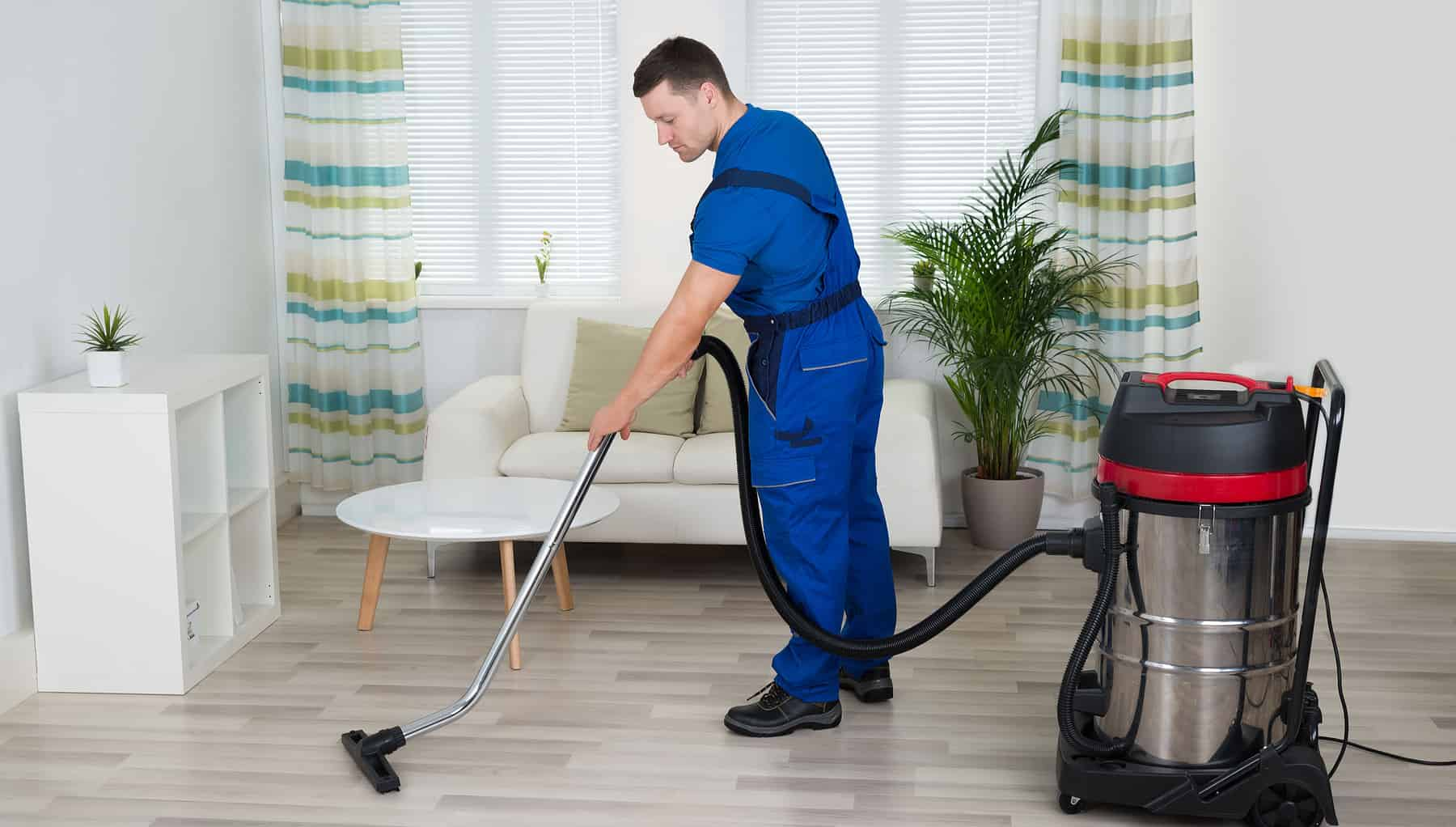
Sponsored Listings in Cleaning Services

Related Blogs

Bristol Firework Displays Every Local Should...
Read this insightful article "Bristol Firework Displays Every Local Should Experience" to expand your knowledge!

Self Assessment Registration 2026 Common Erro...
Read this insightful article "Self Assessment Registration 2026 Common Errors and Rules" to expand your knowledge!
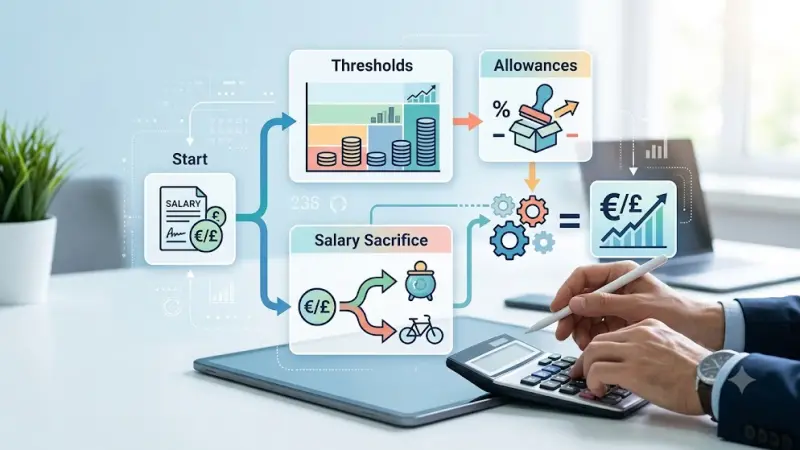
Calculate Your 2026 Employer National Insuran...
Read this insightful article "Calculate Your 2026 Employer National Insurance Bill Easily" to expand your knowledge!
Questions & Answers – Find What
You Need, Instantly!
How can I update my business listing?
Is it free to manage my business listing?
How long does it take for my updates to reflect?
Why is it important to keep my listing updated?
