
How to Interview Your Candidates Correctly
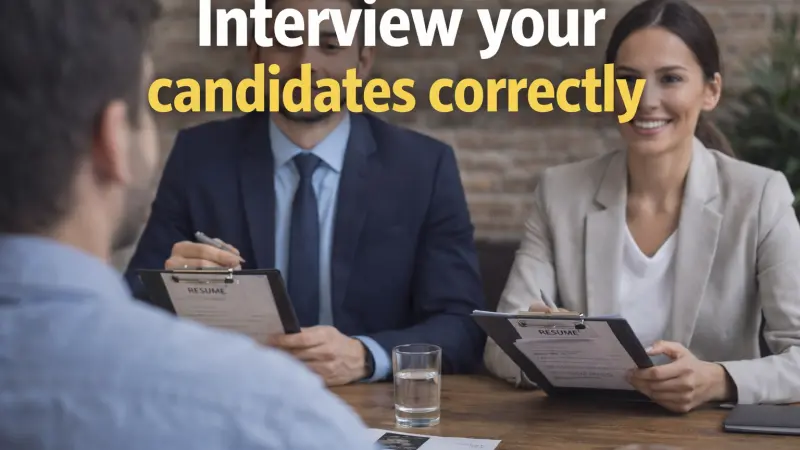
Hiring the right people is one of the most important decisions any business can make. The interview process plays a crucial role in identifying candidates who not only have the right skills but also fit your company culture and values.

However, many organisations struggle with inconsistent interview practices, unclear evaluation criteria, and missed opportunities to identify top talent. Interviewing candidates correctly requires preparation, structure, and effective communication.
A well conducted interview helps you make confident hiring decisions, improves candidate experience, and reduces the risk of costly hiring mistakes. In this article, we explore how to interview candidates correctly and create a process that helps you identify the best talent for your business.
Why Effective Interviewing Matters
An effective interview process helps ensure you select candidates who can contribute positively to your organisation. It allows you to evaluate skills, experience, and cultural fit while giving candidates a clear understanding of the role.
Poor interviewing can lead to hiring the wrong person, which can affect productivity, morale, and business performance.
A structured approach helps create fair and consistent evaluations.
Prepare Before the Interview
Preparation is essential for a successful interview. Start by clearly defining the role, responsibilities, and key skills required.
Review the candidate’s CV and application carefully to understand their background and identify areas to explore further.
Prepare a list of questions that align with the role and focus on both technical and behavioural competencies.
Having a structured plan ensures the interview stays focused and productive.
Create a Comfortable Environment
Candidates perform best when they feel comfortable and welcomed. Start the interview by introducing yourself and explaining the structure of the conversation.
A friendly and professional approach helps build rapport and encourages open communication.
Creating a positive environment also reflects well on your company culture.
Ask the Right Questions
Asking thoughtful questions helps you gain insights into a candidate’s skills, experience, and approach to work.
Use open ended questions that encourage detailed responses rather than simple yes or no answers.
Behavioural questions such as asking about past experiences can help you understand how candidates handle challenges.
Questions should focus on skills, problem solving abilities, and cultural fit.
Listen Actively
Active listening is just as important as asking questions. Pay attention to what the candidate says and observe their communication style and body language.
Avoid interrupting and give candidates time to explain their answers fully.
Taking notes helps you remember key points and evaluate candidates more effectively.
Assess Skills and Competencies
Use the interview to evaluate whether the candidate has the skills needed for the role. This may include discussing past projects, problem solving scenarios, or practical assessments.
Comparing responses against your job requirements helps ensure a fair evaluation.
Clear criteria help you make objective decisions.
Evaluate Cultural Fit
Cultural fit is important for long term success. Consider whether the candidate’s values, work style, and attitude align with your organisation.
Discuss team dynamics and company culture to see how they respond.
A strong cultural fit supports collaboration and employee satisfaction.
Provide Information About the Role
An interview is also an opportunity to share details about the role, company expectations, and growth opportunities.
Being transparent helps candidates understand whether the role is right for them.
Clear communication builds trust and improves the candidate experience.
Avoid Common Interview Mistakes
Common mistakes include asking vague questions, talking too much, or relying on first impressions rather than evidence.
Avoid bias by focusing on objective criteria and consistent questions for all candidates.
Structured interviews help reduce bias and improve fairness.
Take Notes and Evaluate Objectively
Documenting responses during the interview helps ensure accurate evaluations.
After the interview, review notes and compare candidates based on predefined criteria.
Objective evaluation helps you make informed decisions.
Communicate Next Steps Clearly
At the end of the interview, explain the next steps in the hiring process and expected timelines.
Clear communication shows professionalism and respect for the candidate’s time.
Following up promptly helps maintain a positive employer brand.
Importance of Candidate Experience
A positive interview experience reflects well on your organisation and can attract top talent.
Even candidates who are not selected may recommend your company if they have a good experience.
Professional and respectful communication enhances your reputation.
Using Structured Interviews for Better Results
Structured interviews involve asking the same set of questions to each candidate and using a scoring system to evaluate responses.
This approach improves consistency and reduces bias.
Structured interviews help ensure fair comparisons and better hiring decisions.
The Role of Technology in Interviews
Video interviews, applicant tracking systems, and assessment tools can streamline the hiring process.
Technology helps manage applications, schedule interviews, and evaluate candidates efficiently.
Using digital tools can improve organisation and communication.
Interviewing candidates correctly is essential for building strong teams and achieving business success. By preparing thoroughly, asking the right questions, listening actively, and evaluating candidates objectively, you can make confident hiring decisions.
A structured and professional interview process improves candidate experience and helps ensure you select the best person for the role.
Investing time in improving your interview approach can lead to better hires, stronger teams, and long term organisational success.
FAQs
1 Why is it important to interview candidates correctly It helps ensure you hire the right person and avoid costly hiring mistakes.
2 How should I prepare for an interview Review the job requirements, study the candidate’s CV, and prepare structured questions.
3 What type of questions should I ask Use open ended and behavioural questions to understand skills and experience.
4 How can I reduce bias during interviews Use structured questions and evaluate candidates based on clear criteria.
5 Why is cultural fit important It helps ensure the candidate works well with the team and aligns with company values.
6 Should I take notes during interviews Yes taking notes helps with accurate evaluation and comparison.
7 How long should an interview last Most interviews last between thirty minutes and one hour depending on the role.
8 What are common interview mistakes Talking too much, asking unclear questions, and relying on first impressions.
9 How can I improve candidate experience Be professional, communicate clearly, and provide timely feedback.
10 Should candidates be allowed to ask questions Yes it helps them understand the role and shows engagement.
11 What is a structured interview It is an interview with consistent questions and scoring criteria.
12 How do I evaluate candidates after the interview Compare responses against job requirements and predefined criteria.
13 Is it important to explain next steps Yes it shows professionalism and keeps candidates informed.
14 Can technology improve interviews Yes tools can help manage scheduling, communication, and assessments.
15 What is the key to successful hiring Preparation, clear communication, and objective evaluation are essential.

Disclaimer: The information provided in this article is for general informational and research purposes only. Company details, features, services, and market positions may change over time. Readers are advised to visit official company websites and conduct independent research before making any business decisions or purchasing services.
Most Searchable Keywords

Recent Blogs

Related Listings
Categories
- Accountants (295)
- Advertising Agencies (559)
- Architects (149)
- Automobiles (377)
- Beauty (300)
- Carpenters (146)
- Cleaning Services (386)
- Dentists (189)
- Driving (62)
- Electricians (215)
- Energy (8)
- Event Organiser (685)
- Finance (599)
- Guide (3365)
- Health (2207)
- Information technology (206)
- Legal Services (353)
- Logistics (6)
- Maintenance (65)
- Manufacturing (35)

Sponsored Listings in Locksmith Services
Related Blogs

Gen Z Political Reporters and News Creators i...
Read this insightful article "Gen Z Political Reporters and News Creators in the UK" to expand your knowledge!

Famous Female Social Media Influencers Across...
Read this insightful article "Famous Female Social Media Influencers Across the UK" to expand your knowledge!

Your UK Sponsor Licence 2026 Step by Step Gui...
Read this insightful article "Your UK Sponsor Licence 2026 Step by Step Guide" to expand your knowledge!
Questions & Answers – Find What
You Need, Instantly!
How can I update my business listing?
Is it free to manage my business listing?
How long does it take for my updates to reflect?
Why is it important to keep my listing updated?
