
How to Source and Compare High-Performance Commercial Catering Services
- 👤 Alex
- 👁️ 142 Views
- Last Updated: June 5, 2026
- 🏷️ Restaurant
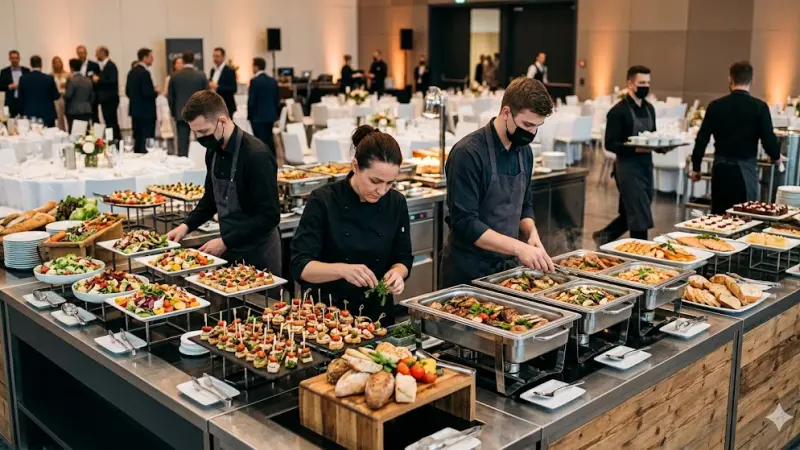
The modern British workplace is undergoing a structural transformation, and food infrastructure is right at the centre of it. With commercial catering services real estate costs high and the competition for top-tier talent fiercer than ever, businesses across the United Kingdom are realising that workplace dining is no longer just a basic staff perk. It is a vital tool for driving employee engagement, supporting wellness, and building a strong company culture. From city-centre office towers to sprawling regional manufacturing hubs, the choice of a corporate food partner directly impacts daily employee attendance, workplace satisfaction, and overall operational efficiency.
However, selecting the right corporate hospitality infrastructure requires moving past basic bulk delivery services and embracing fully integrated, high-performance hospitality management. Procurement professionals, facility managers, and corporate directors must navigate a complex landscape of compliance, nutritional standards, and variable cost structures. Sourcing a dedicated food provider requires a deep understanding of UK health and safety legislation, strict food allergen tracking, and robust carbon-neutral supply chains. Whether you are managing a single corporate office or overseeing a diverse nationwide portfolio of industrial sites, this comprehensive B2B procurement guide outlines how to audit your culinary needs, balance service models, and compare the top commercial providers operating across the UK.
The Compliance Landscape: Navigating Regulatory Frameworks with Commercial Venue Food Suppliers UK
Operating a high-volume corporate kitchen or staff restaurant within the UK demands strict adherence to rigorous health, safety, and hygiene standards. The Food Standards Agency (FSA), local Environmental Health Officers (EHOs), and the Health and Safety Executive (HSE) heavily monitor commercial food service setups. The legal and financial responsibility falls squarely on company directors to ensure their partner agencies operate safely. Working alongside established commercial venue food suppliers UK wide is the most reliable path to achieving total operational peace of mind and protecting your business from liability.
The Legal Framework for Workplace Food Safety
The core of any commercial kitchen operation is a strictly maintained Hazard Analysis Critical Control Point (HACCP) system. This structured management system addresses food safety by analyzing and controlling biological, chemical, and physical hazards across the entire supply chain—from raw ingredient sourcing to final table service.
-
Temperature Verification: Guarantees that cold storage units and hot-holding service stations are continuously monitored and logged mathematically.
-
Cross-Contamination Prevention: Requires distinct prep zones, color-coded equipment, and independent ventilation systems to handle raw foods and allergens safely.
-
Traceability Auditing: Ensures every single ingredient can be traced back to its accredited farm or wholesale source, providing absolute clarity on food origin.
Navigating Natasha’s Law and Allergen Compliance
Failing to maintain absolute transparency under the UK’s Food Information (Amendment) Regulations—commonly known as Natasha’s Law—carries severe financial and legal risks. Any food that is pre-packed for direct sale (PPDS) on a corporate site must display a clear label showing the product name and a full list of ingredients, with the 14 mandatory allergens explicitly highlighted in bold. Vetted providers use computerized inventory systems to automatically update these labels, protecting workers from health risks and protecting businesses from costly regulatory fines.
Service Models: Comparing Industrial Canteens and Corporate Office Hospitality
When a business decides to upgrade its food provisions, procurement teams must choose a service model that fits their daily footfall, site layout, and employee demographics. Modern contract catering allows companies to scale services from traditional hot food lines to flexible, digital-first retail options.
Industrial Workplace Canteen Services vs. Corporate Office Buffet Catering Agency Models
For high-volume distribution centers, manufacturing plants, and complex multi-shift facilities, setting up dedicated industrial workplace canteen services is the most effective approach. These high-capacity operations focus on serving substantial, hot, and nutritious meals quickly. They are engineered to handle high footfall during condensed shift breaks, offering subsidized menus that keep industrial workforces fueled around the clock.
Conversely, professional service firms and urban offices with hybrid working patterns often find a specialized corporate office buffet catering agency model to be a better fit. Instead of maintaining large, fully staffed hot kitchens every day, these agile models rely on modular deli bars, premium micro-markets, and flexible event catering. They can scale up quickly for client meetings or down on quieter hybrid days, reducing food waste and keeping operating overheads low.
Strategic Planning: The Crucial Role of Specialist Design Consultants
Optimising an on-site corporate food space involves much more than simply hiring a kitchen team and setting up a service line. To build a highly efficient dining facility, businesses should engage with an experienced corporate hospitality food service providers consultant or an expert corporate office buffet catering agency early in the design phase to run thorough, data-driven space audits.
Key Factors for Professional Kitchen Design
-
Accurate Footfall Flow Management: Designing clear, logical service paths prevents bottlenecks during peak lunch hours, keeping checkout queues fast and efficient.
-
Comprehensive Utility and Ventilation Audits: Installing commercial combi-ovens and high-volume dishwashers requires verified power grids, robust grease traps, and extraction hoods that comply with DW/172 ventilation standards.
-
Smart EPOS Integration: Implementing cashless checkout terminals, self-service kiosks, and mobile pre-ordering apps reduces labor requirements and accelerates service speed.
-
Waste Management and Circular Economy Goals: Modern facilities require integrated food waste digesters and dedicated separation zones to process organic waste, supporting corporate ESG targets.
Working closely with a specialized commercial kitchen catering contractors London based or regional specialist ensures that your
kitchen layout is highly efficient, maximizing speed of service while keeping workflows safe and compliant.
Budgeting for Growth: Analyzing Commercial Office Catering Costs
Accurately planning a budget for corporate dining requires a clear understanding of contract structures and industry pricing models. The total financial investment varies based on the daily headcount, subsidy choices, and the complexity of the menu.
Primary Contract Frameworks
-
Cost-Plus Contracts: The client covers all operational costs (ingredients, labor, management fees) and retains any revenue generated at the till. This model offers complete transparency but carries budget risks if footfall fluctuates.
-
Fixed-Price Contracts: The catering provider charges a single, set fee per meal or per day, taking on all financial risks associated with food inflation and labor costs. This approach provides excellent predictability for corporate finance teams.
-
Concession / Nil-Subsidy Contracts: In high-footfall corporate environments, providers can operate entirely on commercial retail sales from staff, requiring minimal or zero financial subsidy from the client company.
When evaluating commercial office catering costs, procurement teams should always weigh the total value against employee retention metrics. Providing high-quality, subsidized food options can significantly reduce off-site lunch travel time, keeping teams collaborative and productive on-site.
Top 10 Commercial Catering Services Providers in the UK
To help streamline your vendor evaluation process, we have compiled a detailed breakdown of 10 leading contract caterers, corporate hospitality operators, and workplace food service providers operating across the United Kingdom.
1. Compass Group UK & Ireland
-
Profile Summary: Compass Group is the largest food service provider in the UK, operating through highly specialized sub-brands like Eurest (for business and industry) and 14eightyfour (for executive dining).
-
Key Features: Unrivalled supply chain scale, industry-leading purchasing power, and advanced nutritional data tracking.
-
Products/Services Offered: Staff restaurants, micro-market installations, executive hospitality dining, and large-scale event food production.
-
UK Market Relevance: The primary tier-one contractor for major multinational corporate estates, large manufacturing plants, and high-security government facilities nationwide.
2. Sodexo UK & Ireland
-
Profile Summary: Sodexo is a major global contract operator known for delivering fully integrated food, facilities management, and workplace wellness solutions.
-
Key Features: Strong focus on employee health and wellbeing, comprehensive facilities integration, and robust carbon-reduction initiatives.
-
Products/Services Offered: On-site staff canteens, corporate executive suites, workplace coffee shops, and wellness-focused meal programs.
-
UK Market Relevance: An ideal partner for large corporate headquarters and complex industrial sites looking to bundle food services with wider facilities management.
3. Elior UK
-
Profile Summary: Elior is a highly regarded contract catering specialist that delivers innovative, food-forward dining across the corporate, education, and defense sectors.
-
Key Features: Tailored, chef-led menu creation, advanced digital app ordering integration, and high sustainability standards.
-
Products/Services Offered: Custom staff dining spaces, premium artisan coffee concepts, executive event catering, and digital micro-markets.
-
UK Market Relevance: Strongly serves the UK corporate mid-market, technology hubs, and expanding professional service offices.
4. Aramark UK
-
Profile Summary: Aramark is a global hospitality leader known for creating modern, high-energy dining environments that mimic high-street retail food trends.
-
Key Features: Strong partnerships with recognizable high-street brands, highly efficient food preparation systems, and excellent operational metrics.
-
Products/Services Offered: Automated self-service food halls, bespoke executive dining events, corporate coffee shops, and wellness-oriented menus.
-
UK Market Relevance: Well-suited for large-scale business parks, manufacturing centers, and high-density commercial office complexes.
5. BaxterStorey
-
Profile Summary: As the largest independent hospitality provider in the UK, BaxterStorey has built a stellar reputation on fresh, seasonal, chef-led corporate dining.
-
Key Features: Strong focus on local sourcing, in-house culinary academies for staff development, and highly creative menu designs.
-
Products/Services Offered: High-end boutique workplace restaurants, premium barista bars, executive fine dining, and creative event hosting.
-
UK Market Relevance: The preferred primary choice for premium creative agencies, prestigious financial institutions, and blue-chip legal offices in London and regional cities.
6. CH&CO Group
-
Profile Summary: CH&CO is a highly diverse royal warrant-holding catering collective that blends premium workplace dining with commercial destination and event hospitality.
-
Key Features: Michelin-starred culinary guidance, exceptional presentation standards, and extensive experience with historic and royal venues.
-
Products/Services Offered: Executive boardroom fine dining, modern staff restaurants, high-profile venue catering, and bespoke hospitality services.
-
UK Market Relevance: Perfectly suited for premium law firms, corporate headquarters, and luxury commercial venues requiring top-tier hospitality presentation.
7. BM Catering (Berry & Mimms)
-
Profile Summary: BM Catering (formerly Bartlett Mitchell) is an award-winning boutique contract caterer built on a distinct "foodies" company culture and highly personalized service.
-
Key Features: Entrepreneurial management approach, strong focus on sustainable and ethical sourcing, and highly responsive client support.
-
Products/Services Offered: Contemporary workspace cafes, tailored daily lunch programs, client hospitality services, and executive fine dining.
-
UK Market Relevance: An excellent choice for fast-growing mid-sized companies, tech startups, and media businesses looking for an agile, food-focused partner.
8. Genuine Dining Co.
-
Profile Summary: Genuine Dining Co. is a disruptive, high-energy independent contract caterer dedicated to bringing fun, fresh, and high-street-quality food into the workplace.
-
Key Features: Highly vibrant branding, creative and bold menus, and a strict commitment to using independent, ethical food suppliers.
-
Products/Services Offered: Street-food style staff canteens, artisan espresso bars, pop-up lunch concepts, and corporate event catering.
-
UK Market Relevance: A perfect fit for modern corporate spaces, co-working networks, and creative tech hubs looking to boost office attendance.
9. Vacherin
-
Profile Summary: Vacherin is a highly specialized, elite boutique caterer that focuses exclusively on providing premium corporate hospitality services to the London market.
-
Key Features: High-end boutique specialization, strong focus on sustainable city sourcing, and exceptional fine-dining standards.
-
Products/Services Offered: Premium executive fine dining, bespoke reception coffee bars, high-end staff dining, and luxury corporate event catering.
-
UK Market Relevance: Tailored specifically for top-tier corporate firms, investment funds, and private wealth offices based in Central London.
10. Accent Catering Services
-
Profile Summary: Accent Catering is a highly reliable regional independent operator focused on providing wholesome, fresh, and sustainably sourced food programs to businesses and schools.
-
Key Features: Senders of the Soil Association’s Food for Life accreditation, consistent regional team support, and completely transparent financial structures.
-
Products/Services Offered: Seasonal staff restaurants, healthy deli bars, corporate meeting buffets, and tailored hospitality services.
-
UK Market Relevance: A dependable and stable partner for regional corporate offices, manufacturing depots, and educational campuses across the Home Counties and the South of England.
Frequently Asked Questions Regarding Workspace Food Operations
What are the main benefits of investing in accredited contract catering solutions?
Partnering with accredited contract catering solutions ensures that your corporate kitchen operations are managed by certified professionals who understand compliance, menu balance, and volume logistics. These accredited providers bring established health and safety protocols, pre-vetted supply chains, and expert nutritional planning to your site. This structured approach helps minimize food waste, guarantees compliance with UK allergen laws, and relieves your internal team of complex kitchen management duties.
How can a business select the ideal catering provider for their site?
When researching how to hire corporate catering partners, corporate procurement teams should evaluate more than just the baseline financial cost per plate. It is important to ask for case studies that demonstrate success at facilities with similar headcounts, check that their chefs hold recognized culinary certifications, and verify their supply chain transparency. Additionally, ensure the provider uses advanced digital EPOS systems that can adapt easily to your company's hybrid working schedules.
What are the structural benefits of using an institutional canteen management provider?
Working alongside an experienced institutional canteen management providers specialist helps high-volume facilities like factories, universities, and hospitals run their food operations smoothly. These large-scale operators are experts at managing high footfall quickly, designing efficient kitchen workflows, and implementing robust volume purchasing strategies.
This specialized management lowers raw ingredient costs, reduces waiting times for staff on short breaks, and keeps menus diverse and engaging over long multi-shift cycles.
What elements must be included when building on-site business lunch catering platforms?
When launching on-site business lunch catering firms profiles or corporate dining spaces, the layout must be designed to balance speed, convenience, and dietary inclusivity. The food service lines should feature clear signage for allergens, dedicated collection points for digital pre-orders, and versatile station setups that can easily transition from breakfast bars to lunch deli stations. Furthermore, integrating smart self-checkout counters helps minimize staff queues, allowing employees to maximize their break time relaxing and refueling.
Disclaimer: The information provided in this article is for general informational and research purposes only. Company details, features, services, and market positions may change over time. Readers are advised to visit official company websites and conduct independent research before making any business decisions or purchasing services.
Most Searchable Keywords
Recent Blogs


Related Listings
Categories
- Accountants (295)
- Advertising Agencies (559)
- Architects (149)
- Automobiles (377)
- Beauty (300)
- Carpenters (146)
- Cleaning Services (387)
- Dentists (189)
- Driving (62)
- Electricians (215)
- Energy (8)
- Event Organiser (686)
- Finance (602)
- Guide (3372)
- Health (2207)
- Information technology (206)
- Legal Services (353)
- Logistics (6)
- Maintenance (65)
- Manufacturing (35)
Sponsored Listings in Travel Agencies


Related Blogs

How Much Do UK Actors Really Earn Full Indust...
Read this insightful article "How Much Do UK Actors Really Earn Full Industry Breakdown" to expand your knowledge!

Blue Light Card UK 2026 Check Eligibility and...
Read this insightful article "Blue Light Card UK 2026 Check Eligibility and Claim" to expand your knowledge!

BBC Radio 1 DJs Net Worth Ranking Revealed
Read this insightful article "BBC Radio 1 DJs Net Worth Ranking Revealed" to expand your knowledge!
Questions & Answers – Find What
You Need, Instantly!
How can I update my business listing?
Is it free to manage my business listing?
How long does it take for my updates to reflect?
Why is it important to keep my listing updated?
