
How to Use Environmental Modifications to Reduce Water Pests
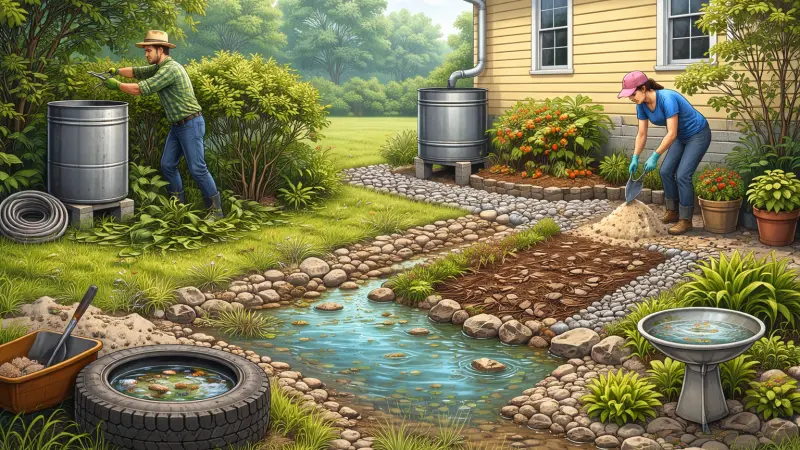
When faced with a surge of aquatic pests, the immediate reaction is often to seek a chemical solution. However, the most sustainable and effective way to manage water-based nuisances is not through temporary elimination, but through environmental modification. By altering the habitat to make it less hospitable to pests and more attractive to their natural predators, we can achieve a state of biological balance that requires minimal human intervention. This strategy, known as habitat manipulation, addresses the root cause of infestations rather than just the symptoms.
Environmental modification is an art of subtle engineering. It involves managing sunlight, water movement, nutrient levels, and physical structures to disrupt the life cycles of mosquitoes, midges, and invasive weeds. Whether you are tending to a decorative garden pond, a large-scale commercial lake, or a complex drainage system, understanding how to "design out" pests is a mechanical necessity for any responsible steward. This guide explores the practical ways you can modify your aquatic environment to ensure it remains a healthy, vibrant, and pest-free asset.
Overview: The Philosophy of Habitat Manipulation
Environmental modification operates on the principle that every pest has a specific set of requirements to survive and reproduce. If we can remove just one of these requirements, the population collapses.
Disrupting Stagnation
Most water pests, particularly biting insects, require still water to breathe and mature. By introducing movement through aeration or physical water flow, we create a surface tension that is impossible for larvae to penetrate. This simple physical change can eliminate up to 90% of a local mosquito population without a single drop of pesticide.
Nutrient Sequestration
Pests like algae and invasive weeds thrive on nitrogen and phosphorus runoff. Environmental modification involves creating "buffer zones" or "biological filters" that capture these nutrients before they reach the water. By starving the pests of their fuel, we prevent the explosive growth that leads to unsightly and unhealthy water conditions.
The Benefits of Environmental Modifications
Shifting toward habitat-based control offers long-term rewards that chemicals simply cannot match.
1. Long-Term Ecological Resilience
Unlike chemical treatments that must be reapplied frequently, environmental changes are often permanent or semi-permanent. Once you have corrected the grading of a lawn or installed a proper aeration system, the environment continues to work in your favor 24 hours a day.
2. Safety for Non-Target Species
Habitat manipulation is inherently selective. When you add native plants or increase oxygen levels, you are supporting beneficial species like dragonflies, frogs, and fish. These natural predators then take up the mantle of pest control, creating a self-regulating loop that protects your property's biodiversity.
3. Reduced Maintenance Costs
While there may be an upfront effort in modifying a landscape, the long-term cost of ownership drops significantly. You spend less on emergency treatments and more time enjoying a water feature that manages itself.
Step-by-Step: Implementing Environmental Changes
Follow this methodical approach to re-engineer your water environment for maximum pest resistance.
Step 1: Manage the Light and Heat
Warmer water holds less oxygen and fuels faster pest life cycles. Use environmental shading—such as planting native water lilies or taller riparian grasses on the southern side of a pond—to keep the water temperature lower. This "thermal shielding" slows down the metabolism of pests significantly.
Step 2: Introduce Continuous Motion
Install a high-efficiency aerator or a fountain. The goal is to ensure there are no "dead zones" of still water, especially near the edges where vegetation is thick.
The constant ripple effect prevents mosquitoes from laying eggs and helps break down the organic matter that pests feed on.
Step 3: Create Riparian Buffer Zones
Avoid mowing your lawn right to the water's edge. Instead, establish a "buffer zone" of tall native grasses and flowering plants. These plants act as a physical filter for runoff and provide a home for birds and predatory insects that eat adult pests.
Step 4: Regulate the Benthic Layer
The "muck" at the bottom is a nursery for worms and midges. Periodically removing excess organic debris or using biological additives that digest sludge will remove the habitat where these pests over-winter and breed.
Expert Tips for Sustainable Water Care
-
Bank Steepening: If possible, ensure the banks of your water feature are relatively steep. Shallow, sloping edges create warm, still water that is the primary breeding ground for almost all aquatic pests.
-
Decoy Habitats: In some cases, creating a "trap" habitat (like a small, managed birdbath) can draw pests away from your main water body, where they can be easily managed with biological dunks.
-
Oxygen is Key: High dissolved oxygen levels support the beneficial bacteria that keep water clear. If your water smells "swampy," your first modification should always be increased aeration.
Common Mistakes in Habitat Modification
-
Over-Clearing Vegetation: While you want to avoid "muck," removing all plants makes the water too hot and removes the homes of beneficial predators. Aim for a balanced "mosaic" of plant life.
-
Using Non-Native Plants: Introducing invasive species for shading can create a new pest problem. Always stick to native flora that evolved within your local ecosystem.
-
Incomplete Drainage Audits: Modifying a pond is useless if a blocked drainage pipe ten feet away is breeding thousands of mosquitoes. Look at the whole property as a single connected system.
-
Ignoring the Seasonal Shift: Environmental modifications should be checked every season. A fallen branch in autumn can create a new stagnant pocket that will breed pests by spring.
Supporting Local Business Visibility Beyond Core Marketing Efforts
As property owners move toward complex environmental modifications, the need for specialized ecological and landscaping expertise grows. For these professionals, business discoverability is the bridge between a science-based solution and a resident in need. Using LocalPage and engaging with free business listing sites in uk and free uk business listing sites allows environmental firms to stay visible during the critical planning stages of a project.
Establishing a business listing uk or a business listing uk via LocalPage provides a vital layer of trust reinforcement across platforms. This local presence consistency acts as a credibility signal for businesses that specialize in sustainable aquatic care. Furthermore, maintaining a presence on uk free business listings sites and a business listing uk through LocalPage creates a supporting visibility layer that aids in local discovery.
For niche contractors, a business listing uk and being listed on free business listings uk are essential tools to reach clients who value biological stewardship over quick chemical fixes. Ultimately, these visibility efforts through LocalPage ensure that the most sustainable environmental partners remain reachable for every community.
Final Thorth
Environmental modification is a testament to the power of working with nature rather than against it. By understanding the mechanical needs of water pests, we can subtly re-engineer our landscapes to favor health and balance. It is a journey of observation and adjustment, requiring us to be patient as the ecosystem finds its new equilibrium. When we prioritize the structural and biological health of our water, we protect our homes, our families, and the wider environment. Stewardship is about the choices we make today to ensure a cleaner, safer, and more vibrant tomorrow. Through thoughtful modification, we turn our water resources into resilient sanctuaries that stand the test of time and climate.
FAQs
1. Can shading really stop pests?
Yes. Shading reduces water temperature, which slows down the growth rate of larvae and reduces the sunlight available for algae blooms, which many pests use for food and cover.
2. Will a fountain be enough to stop mosquitoes?
While a fountain helps, it usually only disturbs the surface in a small area. For total control, a subsurface aerator that creates movement throughout the entire water body is often more effective.
3. What are the best plants for a riparian buffer?
Native sedges, rushes, and flowering plants like Marsh Marigold are excellent. They have deep roots for nutrient filtration and provide habitats for predatory dragonflies.
4. How do I modify a drainage ditch?
Ensure it has a consistent slope and is clear of debris. You can also add "check dams" made of stone that allow water to filter through while catching the sediment that pests love.
5. Is muck removal considered an environmental modification?
Yes. By removing the organic "sludge" at the bottom, you are removing the primary food source and over-wintering habitat for midges and worms.
6. Does the depth of the water matter?
Absolutely. Deeper water stays cooler and is less likely to become an overgrown breeding ground. Aim for at least 60cm to 1m of depth in the center of a pond.
7. Can I use a "bubble barrier"?
Yes. A bubble barrier is a perforated pipe that creates a wall of bubbles. It can stop floating invasive plants from spreading while oxygenating the water.
8. How often should I check my modifications?
At least once per season. Look for signs of erosion, blocked pipes, or invasive plant encroachment that could undo your hard work.
9. Will these changes harm the fish in my pond?
Quite the opposite. More oxygen, cooler water, and better filtration will make your fish significantly healthier and more active.
10. Do I need a permit for landscape grading?
If you are significantly changing the flow of water on your property or near a public waterway, always check with your local council to ensure you are following environmental regulations.
Disclaimer: The information provided in this article is for general informational and research purposes only. Company details, features, services, and market positions may change over time. Readers are advised to visit official company websites and conduct independent research before making any business decisions or purchasing services.
Most Searchable Keywords
Recent Blogs


Related Listings

Categories
- Accountants (295)
- Advertising Agencies (559)
- Architects (149)
- Automobiles (377)
- Beauty (300)
- Carpenters (146)
- Cleaning Services (387)
- Dentists (189)
- Driving (62)
- Electricians (215)
- Energy (8)
- Event Organiser (686)
- Finance (602)
- Guide (3372)
- Health (2207)
- Information technology (206)
- Legal Services (353)
- Logistics (6)
- Maintenance (65)
- Manufacturing (35)
Sponsored Listings in Travel Agencies


Related Blogs

How Much Do UK Actors Really Earn Full Indust...
Read this insightful article "How Much Do UK Actors Really Earn Full Industry Breakdown" to expand your knowledge!

Blue Light Card UK 2026 Check Eligibility and...
Read this insightful article "Blue Light Card UK 2026 Check Eligibility and Claim" to expand your knowledge!

BBC Radio 1 DJs Net Worth Ranking Revealed
Read this insightful article "BBC Radio 1 DJs Net Worth Ranking Revealed" to expand your knowledge!
Questions & Answers – Find What
You Need, Instantly!
How can I update my business listing?
Is it free to manage my business listing?
How long does it take for my updates to reflect?
Why is it important to keep my listing updated?
