
How to use social media giveaways to boost insurance lead acquisition
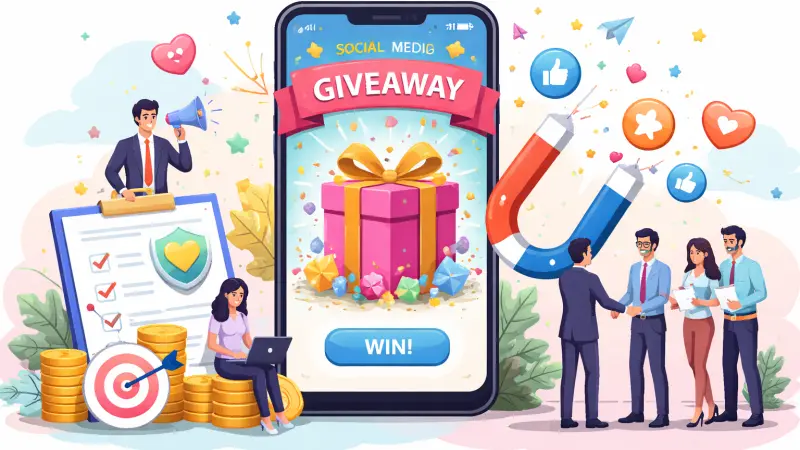
Could a simple "like and share" contest be the key to unlocking a surge in your policyholder database? While many financial institutions view digital contests as the domain of lifestyle brands, the strategic use of social media giveaways for insurance lead acquisition is proving to be a highly effective tool for UK firms looking to bypass traditional, high-cost advertising channels. In a marketplace where consumer trust is hard-earned and digital attention spans are fleeting, a well-executed giveaway serves as more than just a momentary distraction; it acts as a powerful entry point into the marketing funnel. By offering tangible value in exchange for engagement, insurance providers can gather high-intent data, increase brand sentiment, and establish a direct line of communication with potential customers who might otherwise remain anonymous. However, the transition from a casual follower to a qualified lead requires a meticulous approach to campaign design, ensuring that every interaction is purposeful, compliant, and aligned with long-term commercial objectives.
To successfully implement social media giveaways for insurance, one must first navigate the complex intersection of marketing psychology and the UK’s stringent regulatory environment. Unlike generic e-commerce promotions, insurance lead generation must adhere to the Financial Conduct Authority (FCA) guidelines regarding financial promotions and the "Consumer Duty." This means that the giveaway cannot be seen as an inducement to take out a policy that is not suitable for the user, nor can it obscure the nature of the insurance product itself. The goal is to use the prize as a hook to initiate a conversation about protection and peace of mind. When done correctly, the giveaway becomes a catalyst for educational engagement, allowing the brand to showcase its expertise and values while lowering the psychological barrier that often exists between a consumer and a financial services provider. This balanced approach ensures that the leads acquired are not just "contest hunters" but individuals who have a genuine interest in the security your firm provides.
Furthermore, the technical execution of these campaigns must prioritize data quality over raw numbers. A giveaway that attracts ten thousand entries but provides no insight into the entrants' insurance needs is a failed investment. Modern lead acquisition strategies involve integrating "low-friction" data capture forms within the social media environment. For instance, an entry requirement might involve answering a simple question about one's current renewal date or the type of cover they value most. This preliminary data allows the insurance firm to segment the leads immediately, ensuring that subsequent marketing communications are relevant and timely. In the UK, where competition for "Home" and "Motor" insurance is particularly fierce, the ability to reach a prospect precisely three weeks before their existing policy expires is a significant advantage. By using social media as the starting point, insurers can build a "pre-warmed" audience that is far more receptive to professional advice and competitive quotations.
Strategic Prize Selection and Audience Alignment
The success of any lead generation campaign hinges on the relevance of the prize. To attract the right type of insurance lead, the giveaway should offer something that appeals specifically to your target demographic's lifestyle or risk profile. For example, a specialist pet insurer might offer a premium "Smart Pet Tracker" or a year’s supply of high-quality organic pet food. This ensures that every person entering the contest is, by definition, a pet owner who is likely in need of veterinary cover. Conversely, offering a generic prize like a high-end smartphone may generate a massive volume of entries, but the vast majority will have no interest in insurance, leading to a "diluted" database and a poor return on investment. The clarity of the prize acts as a natural filter, ensuring that the marketing budget is spent on individuals who fit the insurer's ideal customer profile, thereby streamlining the underwriting and sales process from the very first touchpoint.
In the UK context, practical prizes that address current societal concerns often perform best. With the ongoing focus on the cost of living, prizes that offer tangible financial relief—such as vouchers for major supermarkets, energy bill credits, or even a "renewal rebate"—can drive high levels of engagement. For a home insurance provider, a "Home Security Starter Kit" including smart cameras and sensors not only attracts homeowners but also aligns with the brand's core mission of risk prevention. This creates a logical flow from the giveaway to the insurance product; the professional can follow up with a message explaining how such security measures could potentially lower the customer’s premiums. This educational angle transforms the giveaway from a random act of generosity into a strategic consultation tool, demonstrating that the insurer is a partner in the customer's safety rather than just a faceless financial entity.
Logical flow also necessitates a platform-specific approach. LinkedIn is ideal for B2B or professional lines of insurance, where the prize might be a ticket to a major industry conference or a subscription to a business intelligence tool. Instagram and Facebook, however, are better suited for "Life," "Travel," or "Gadget" insurance, where visual storytelling can highlight the "what if" scenarios that insurance protects against. By removing unnecessary words and focusing on the specific desires of the platform’s users, the giveaway feels like a natural part of their social feed rather than an intrusive advertisement. This seamless integration is key to maintaining high engagement rates and ensuring that the initial interaction is positive, setting the stage for a long-term relationship based on mutual value and professional trust.
Maximising Engagement Through Interactive Entry Mechanics
The mechanics of entry are where many insurance firms either win or lose their lead acquisition battle. To boost social media giveaways for insurance, the process must be "frictionless" yet "informative." Instead of just asking for a "Follow," insurers should encourage participants to engage in a way that provides qualitative data. For instance, a "Comment and Tag" entry could ask users to share their favourite UK travel destination for a chance to win a travel insurance bundle. This not only boosts the post's visibility through the platform's algorithm but also gives the insurer insight into the user's travel habits. When the contest ends, the marketing team can send personalized follow-up messages to those who commented, offering specific tips for travel insurance in those regions. This converts a cold lead into a warm conversation based on the user's expressed preferences.
Incorporating "Polls" or "Quizzes" into the entry process is another highly effective method for lead segmentation. A life insurance provider could run a "Financial Health Quiz" where completing the quiz enters the user into a draw for a wellness retreat. Each question in the quiz provides the insurer with data on the user’s family status, age bracket, and financial priorities. By the time the lead is captured, the insurer already has a basic "needs analysis" performed by the AI-driven quiz tool. This allows for hyper-personalized marketing automation; the young parent receives content about income protection, while the retiree receives information on estate planning. This level of precision is what differentiates a successful digital campaign from a generic "spray and pray" approach, ensuring that the leads are not just numerous but highly actionable for the sales team.
Practical examples of engagement include using "User-Generated Content" (UGC). An insurer could ask followers to post a photo of their most prized possession with a specific campaign hashtag to win a specialist insurance policy for that item. This creates a library of authentic content that the insurer can use in future marketing materials (with permission), further building brand trust and community. The transparency of seeing real people interact with the brand is a powerful social signal to other potential leads. By removing fluff and focusing on these high-interaction activities, the insurer can build a vibrant social community that acts as a self-sustaining lead generation engine. Each new entry expands the brand's reach via the "network effect," bringing in new prospects at a fraction of the cost of traditional paid search.
Compliance and Legal Considerations for UK Insurance Giveaways
Operating within the UK’s financial sector requires a rigorous commitment to legal and ethical standards, particularly when running digital promotions. Every giveaway must have clear, easily accessible "Terms and Conditions" that comply with the CAP Code (Committee of Advertising Practice). This includes clearly stating the closing date, the criteria for entry, how the winner will be chosen, and the nature of the prize.
For insurance firms, it is also vital to include a disclaimer that the giveaway is not a recommendation for a specific insurance product. Ensuring that the promotion is "fair, clear, and not misleading" is not just a regulatory hurdle; it is a vital part of building a reputable brand. A lead who feels tricked or misled by a contest is unlikely to ever trust that company with their financial protection, making the acquisition counterproductive.
Data protection is another paramount concern under the UK GDPR. When capturing leads through a giveaway, the insurer must be explicit about how that data will be used. Participants must "opt-in" to receive further marketing communications; a pre-ticked box or a hidden clause is no longer acceptable. The privacy policy must be clearly linked, and the insurer must have a secure system for storing and managing the leads acquired. By being transparent about data usage, the insurer builds trust with the prospect from the very first interaction. This professional integrity is a marketing asset in itself. Leads who see that a company takes their privacy seriously are more likely to provide accurate information and engage in deeper conversations about their insurance needs, knowing that their data is in safe hands.
Finally, insurers must be mindful of "platform-specific" rules. Facebook, Instagram, and X (formerly Twitter) all have their own specific guidelines regarding "incentivized engagement." For example, asking users to "tag themselves in a photo they are not in" or "share to their timeline" as a condition of entry can lead to account penalties or the removal of the post. To maintain a smooth and logical flow, the insurer’s social media team should work closely with their legal and compliance departments to ensure every campaign is "bulletproof." This cross-departmental collaboration ensures that the quest for lead acquisition does not inadvertently lead to regulatory fines or brand damage. In the formal British English of the corporate world, "due diligence" is the foundation upon which every successful marketing campaign is built, ensuring that the growth is both rapid and sustainable.
The Lead Nurturing Process: From Entry to Policyholder
The most critical phase of social media giveaways for insurance is what happens *after* the winner is announced. A common mistake is to ignore the thousands of people who entered but didn't win. These individuals have already expressed an interest in the prize and, by extension, the category of insurance you provide. A successful campaign includes a "consolation" strategy. For example, every non-winner could receive a limited-time "Giveaway Discount" or a "Free Insurance Health Check." This converts the disappointment of losing into a positive opportunity to engage with the brand. By providing value to everyone who participated, the insurer maximizes the return on the initial ad spend and ensures that no lead is left stagnant.
Marketing automation plays a vital role in this nurturing process. Once the lead is captured via the giveaway, they should be entered into a "welcome sequence" that gradually introduces them to the brand's expertise. The first email should thank them for participating and provide helpful, informational content related to the giveaway's theme. For instance, if the prize was a home security kit, the first three emails might focus on "10 Tips to Secure Your Home This Winter" or "How to Read Your Home Insurance Policy Like a Pro." This educational approach positions the insurer as a helpful advisor rather than a pushy salesperson. By removing unnecessary sales fluff and focusing on genuine help, the brand builds the "reciprocity" needed to successfully ask for a quote later in the sequence.
Tracking the conversion rate from giveaway entry to signed policy is the only way to measure the true ROI of the campaign. This requires a "full-funnel" tracking system where social media metrics are integrated with the insurer's CRM. By analyzing the "cost per lead" vs. the "cost per policy," the firm can refine its future giveaway strategies. Perhaps specific prizes or entry mechanics resulted in higher-quality leads that were easier to close. This data-driven approach allows for continuous improvement, ensuring that the social media strategy evolves alongside changing consumer behaviours. In the competitive UK market, the ability to pivot based on real-time lead performance is what separates the innovative insurers from the traditionalists. This logical flow from engagement to data to optimization is the hallmark of a modern, tech-enabled marketing department.
Leveraging Influencer Partnerships to Expand Reach
To further boost lead acquisition, insurance firms should consider partnering with "niche influencers" to host their giveaways. An influencer who already has a dedicated following in a specific sector—such as a "DIY and Home Renovation" blogger or a "Family Travel" vlogger—can provide an "implied endorsement" that a brand-led ad cannot. When the influencer shares the giveaway with their audience, it bypasses the "ad blindness" that many users have developed. The leads generated through these partnerships are often of higher quality because they come with a pre-existing level of trust. In the UK, where "word-of-mouth" remains a powerful force in financial decisions, these collaborative giveaways can significantly lower the "cost per acquisition" and increase the speed of the lead generation cycle.
Selecting the right partner is more about "alignment" than "audience size." A "micro-influencer" with 10,000 highly engaged followers in the "Classic Car" community is far more valuable to a specialist motor insurer than a general lifestyle influencer with 100,000 followers. The prize should still be the central focus, but the influencer provides the "context" and the "story" that makes the giveaway feel relevant and exciting. For example, the influencer could share a story of how insurance saved them from a financial disaster before introducing the giveaway. This narrative approach makes the insurance product feel "essential" rather than "optional," significantly increasing the likelihood that the followers will provide their data for a chance to win and to learn more about the protection offered.
Collaboration also allows for "cross-pollination" of audiences. The insurer gains access to the influencer's followers, and the influencer provides their audience with a high-value opportunity. This "win-win-win" scenario (Insurers, Influencers, and Consumers) is the ideal state for social media marketing. By removing promotional jargon and focusing on authentic, informational storytelling, the partnership feels organic. The leads acquired are more likely to engage with the brand's future content because they associate the insurer with the trusted influencer. This long-term brand equity is a vital byproduct of the lead acquisition process, ensuring that the company’s digital presence is built on a foundation of genuine community engagement and shared value.
Measuring Success: Beyond the "Vanity Metrics"
To truly understand if your social media giveaways for insurance are working, you must look past "likes" and "comments," which are often referred to as vanity metrics. While high engagement is good for the algorithm, the only metrics that matter for lead acquisition are "Conversion Rate," "Cost Per Lead," and "Lead Sentiment." A conversion happens when a user clicks through to the landing page and provides their contact details. The "Cost Per Lead" is calculated by taking the total spend (prize cost + ad spend + staff time) and dividing it by the number of qualified leads. If this figure is lower than your average cost on Google Ads or traditional media, the giveaway is a success. This analytical rigour ensures that the marketing team stays focused on profitable growth rather than just social media popularity.
"Lead Sentiment" is a qualitative measure of how the prospects perceive the brand after the giveaway. Are they engaging with the follow-up emails? Are they asking questions about policy features? If the leads are "bouncing" or unsubscribing immediately, it suggests that the giveaway attracted the wrong audience or that the nurturing process is too aggressive.
Removing fluff and focusing on concise, easy-to-understand communications in the follow-up phase can help maintain a positive sentiment. The goal is to build a "brand halo" around the insurance company, where even those who didn't win the prize walk away with a positive impression and a better understanding of why they might need the insurance in the future.
Finally, we must consider "Attribution." In a complex digital journey, a user might see the giveaway on Instagram, research the brand on a search engine, and finally convert through a direct visit to the website. To accurately measure ROI, insurers should use "UTM parameters" on all giveaway links and employ multi-touch attribution models. This allows the marketing team to see the full value of the social media effort. When the board sees that a £500 giveaway resulted in £5,000 worth of new premiums over six months, the case for continued digital investment becomes undeniable. This logical, data-driven conclusion is the final step in a successful lead acquisition journey, transforming social media from a "cost centre" into a "revenue driver" for the modern UK insurance firm.
Building Online Authority
In conclusion, social media giveaways represent a powerful and underutilized strategy for insurance lead acquisition in the UK. By combining attractive, relevant prizes with interactive entry mechanics and a rigorous commitment to compliance, insurers can build a high-quality database of prospects at a competitive cost. The transition from contest entrant to loyal policyholder requires a thoughtful, data-driven nurturing process that prioritizes education and empathy over high-pressure sales. As the digital landscape continues to evolve, the firms that can successfully blend the excitement of social media with the professional reliability of the insurance sector will be the ones that achieve sustainable growth. Success is found at the intersection of creativity and compliance, where value is provided freely and trust is built one interaction at a time.
For UK-based businesses, from independent brokers to large-scale insurers, establishing a strong and credible digital presence is a prerequisite for any successful marketing campaign. While social media provides the engagement, your underlying online visibility ensures that leads can find you when they are ready to convert. Listing your services in a free business search directory can be a vital component of this visibility strategy, providing a secondary source of traffic and a trust signal for both consumers and search engines. Being part of a verified business directory enhances your professional reputation and helps you stand out in a crowded marketplace. Local Page UK offers an essential company directory online and a free company search directory that allows businesses to improve their online visibility, ensuring that their innovative lead acquisition efforts are supported by a solid foundation of search engine authority and verified professional presence.
Frequently Asked Questions
Are social media giveaways legal for UK insurance companies?
Yes, provided they comply with the CAP Code and FCA regulations regarding financial promotions, ensuring the contest is fair, transparent, and not a misleading inducement.
What is the best prize for an insurance giveaway?
The best prize is one that aligns with the target audience's lifestyle, such as a smart home security kit for home insurance or a pet tracker for pet insurance.
How do I capture leads from a social media giveaway?
Use an integrated entry form that requires basic contact information and a simple "qualifying" question, such as a policy renewal date or specific insurance interests.
How can I ensure the leads are high quality?
By choosing a highly relevant prize and requiring entries to involve a small amount of "effort" or information-sharing that filters out generic "contest hunters."
What should I do after the giveaway ends?
Implement a nurturing email sequence that offers value, such as insurance tips or a consolation discount, to keep the non-winners engaged with your brand.
Which social platform is best for insurance lead gen?
It depends on the product; LinkedIn is best for B2B/Professional lines, while Facebook and Instagram are excellent for consumer lines like Home, Motor, and Life insurance.
How does GDPR affect social media giveaways?
You must obtain explicit "opt-in" consent for marketing communications and be transparent about how user data will be stored and used in accordance with UK data laws.
Can I use influencers for insurance giveaways?
Yes, partnering with niche influencers can provide an "implied endorsement" and reach a highly targeted audience that is more likely to trust your brand and provide their data.
Disclaimer: The information provided in this article is for general informational and research purposes only. Company details, features, services, and market positions may change over time. Readers are advised to visit official company websites and conduct independent research before making any business decisions or purchasing services.
Most Searchable Keywords
Recent Blogs


Related Listings
Categories
- Accountants (295)
- Advertising Agencies (559)
- Architects (149)
- Automobiles (377)
- Beauty (300)
- Carpenters (146)
- Cleaning Services (387)
- Dentists (189)
- Driving (62)
- Education (1)
- Electricians (215)
- Energy (8)
- Event Organiser (686)
- Finance (602)
- Guide (3381)
- Health (2207)
- Information technology (206)
- Legal Services (359)
- Logistics (6)
- Maintenance (65)
Sponsored Listings in Home and Garden


Related Blogs

Strictly Come Dancing Pros Net Worth Salary a...
Read this insightful article "Strictly Come Dancing Pros Net Worth Salary and Personal Life" to expand your knowledge!

Britains Richest Authors Ranked for 2026 by N...
Read this insightful article "Britains Richest Authors Ranked for 2026 by Net Worth" to expand your knowledge!

Why Basel Market Risk Deadline Has Shifted to...
Read this insightful article "Why Basel Market Risk Deadline Has Shifted to 2028" to expand your knowledge!
Questions & Answers – Find What
You Need, Instantly!
How can I update my business listing?
Is it free to manage my business listing?
How long does it take for my updates to reflect?
Why is it important to keep my listing updated?
