
How Virtual Health Coaches Enhance Customer Engagement Marketing
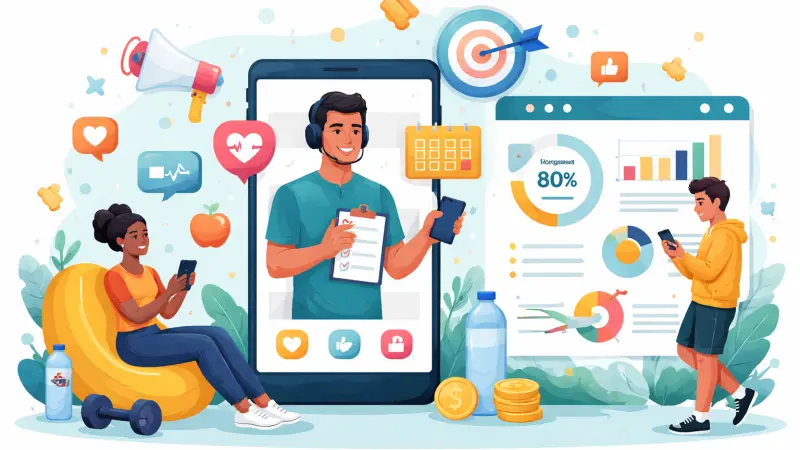
Could the future of your personal health be managed by an intelligent digital companion available at any hour of the day? In the rapidly evolving landscape of the United Kingdom’s Finance and Insurance sectors—specifically within health insurance virtual health coaches have emerged as a pivotal tool for customer engagement marketing. By bridging the gap between clinical advice and daily lifestyle choices, these AI-driven entities are not merely static software; they are sophisticated engines designed to foster long-term loyalty and proactive wellness. For businesses, the challenge is no longer just providing a policy but maintaining a continuous, value-added dialogue that encourages healthier living while reducing long-term claims. This article explores the intricate ways these digital assistants are reshaping the relationship between providers and consumers, ensuring that engagement is both persistent and highly personalised for the modern British audience.

The Evolution of Digital Engagement in Health Marketing
In previous decades, customer engagement in the insurance and healthcare sectors was largely transactional, often limited to the point of sale or the moment a claim was filed. However, the rise of digital health technology has shifted the paradigm toward a "partnership" model. Virtual health coaches represent the pinnacle of this shift, acting as the primary interface for customer interaction. By integrating these tools into their marketing strategies, UK firms can move beyond generic newsletters and standard policy updates. Instead, they provide a tangible service that lives on a customer's smartphone, offering real-time feedback on nutrition, exercise, and mental well-being. This constant presence ensures the brand remains "top of mind" for the consumer, not as a reminder of potential illness, but as a facilitator of peak performance and longevity, which is a powerful psychological shift in marketing intent.
Furthermore, the data generated by these interactions allows for a level of marketing precision previously thought impossible. Traditional demographic targeting is being replaced by behavioural insights. When a virtual health coach identifies that a user is consistently struggling with sleep or high stress levels, the parent company can tailor its engagement to provide relevant resources, such as mindfulness workshops or discounted gym memberships. This creates a feedback loop where the marketing feels like a helpful recommendation rather than an intrusive advertisement. For the UK consumer, who values privacy but also expects efficiency, this subtle approach to engagement builds a foundation of trust that is essential for retention in a competitive marketplace where switching providers has become increasingly simple.
Personalisation at Scale: The Core of Virtual Coaching
One of the most significant advantages of virtual health coaches is their ability to deliver personalisation at an industrial scale. In a traditional setting, a human health coach can only manage a handful of clients effectively. An AI-powered virtual coach, however, can provide bespoke advice to hundreds of thousands of policyholders simultaneously. This scalability is a cornerstone of modern customer engagement marketing, as it allows companies to treat every customer as an individual without the prohibitive costs of human intervention. Each interaction is tailored to the user's specific health goals, medical history, and even geographical location, perhaps suggesting local walking routes in the Scottish Highlands or healthy eateries in London. This local relevance is a key driver of engagement for a diverse UK population.
From a marketing perspective, this hyper-personalisation serves to increase the "stickiness" of a health or insurance product. When a user feels that a service truly understands their unique challenges—such as managing Type 2 diabetes or training for a first marathon—they are significantly less likely to churn. The virtual coach acts as a continuous proof of value.
Every time the coach sends a congratulatory message for hitting a step goal or provides a recipe that fits a specific dietary requirement, it reinforces the wisdom of the customer’s purchase. This ongoing validation is the ultimate form of engagement, turning a passive insurance policy into an active lifestyle tool that provides daily benefits, thereby justifying premium costs through a tangible, high-quality user experience.
Key Benefits for Customer Retention
- 24/7 Accessibility: Unlike human advisors, virtual coaches are available at any time, providing instant gratification and support.
- Proactive Health Monitoring: Identifying health risks early through data patterns helps prevent chronic issues, which is a win-win for both user and provider.
- Reduced Friction: Seamless integration with wearable devices ensures that data entry is automatic, keeping engagement levels high without requiring manual effort.
- Evidence-Based Support: Coaches often use clinically validated algorithms, ensuring the advice given is safe and professional, reflecting well on the brand's reputation.
- Incentivised Wellness: Integration with reward schemes (e.g., lower premiums for healthy habits) provides a clear financial motivation for continued engagement.
Bridging the Gap Between Insurance and Lifestyle
In the UK, the insurance sector is undergoing a cultural transformation. The "pay-for-delay" model is being superseded by "preventative care." Virtual health coaches are the vanguard of this movement. By focusing marketing efforts on prevention, companies can significantly lower the incidence of lifestyle-related diseases, which currently account for a vast portion of healthcare spending in Britain. Marketing a virtual coach is, essentially, marketing a longer, healthier life. This positive messaging resonates far more deeply with consumers than traditional fear-based marketing. It positions the brand as a benevolent guardian of the customer's future, aligning the interests of the business with the health outcomes of the public in a way that feels authentic and socially responsible.
This alignment also opens up new avenues for cross-sector collaboration. A health insurance provider’s virtual coach might partner with a grocery chain to offer discounts on healthy food or with a sports apparel brand to provide exclusive deals. These "ecosystem" marketing strategies are facilitated by the virtual coach, which acts as the hub for all health-related consumer activity. For the marketing department, this means the virtual coach is not just a tool for health, but a sophisticated platform for strategic partnerships that enhance the overall value proposition. In the UK market, where consumers are increasingly savvy about "greenwashing" and corporate social responsibility, the genuine utility of a virtual health coach provides a solid foundation for a brand's ethical claims.
Overcoming Challenges in Digital Health Marketing
Despite the clear benefits, integrating virtual health coaches into a marketing strategy is not without its hurdles. Data privacy is perhaps the most significant concern for UK residents, especially with the strict regulations of the UK GDPR. Marketing teams must work closely with legal and technical departments to ensure that the data collected by virtual coaches is handled with the utmost transparency and security. Clear communication about how data is used—and more importantly, how it benefits the user—is essential. If a customer feels their health data is being sold or used against them (e.g., to unfairly raise premiums), the engagement will instantly collapse. Trust is the currency of digital health, and it must be protected at all costs.
Another challenge is the "digital divide." While younger, tech-savvy demographics may embrace a virtual health coach with ease, older populations or those with limited access to high-end smartphones may feel excluded. Marketing strategies must therefore be inclusive, ensuring that the benefits of virtual coaching are accessible and understandable to all segments of the population. This might involve simplified user interfaces, voice-activated commands, or multi-channel support that allows for human intervention when needed. By addressing these accessibility issues, companies can ensure that their engagement marketing doesn't just reach the "early adopters," but provides broad-based value to the entire British public, fulfilling their duty of care as health and financial service providers.
Common Strategies for Implementation
- Gamification: Using leaderboards, badges, and challenges to make health goals feel like a rewarding game rather than a chore.
- Behavioural Economics: Applying "nudge theory" to encourage small, incremental changes in habits that lead to large long-term health improvements.
- Integration with Wearables: Ensuring compatibility with popular devices like Apple Watch, Fitbit, and Garmin for a unified data experience.
- Content Personalisation: Delivering articles, videos, and podcasts that are directly relevant to the user’s current health status or interests.
- Community Building: Allowing users to connect with others who share similar health goals, creating a social support network moderated by the AI.
Future Outlook for AI-Driven Health Marketing
Looking ahead, the role of virtual health coaches in the UK will only expand as artificial intelligence becomes more sophisticated. We are moving toward a future of "predictive engagement," where AI can anticipate a customer's needs before the customer even becomes aware of them. For example, a coach might notice a slight change in a user's heart rate variability and suggest a rest day or a stress-management session to prevent burnout or illness.
From a marketing perspective, this proactive care represents the ultimate form of customer service. It transforms the insurance provider from a reactive bill-payer into a proactive health concierge, a role that commands significant brand equity and consumer loyalty in an increasingly automated world.
The integration of Generative AI also promises to make interactions more natural and empathetic. Instead of pre-programmed responses, future virtual health coaches will be able to engage in nuanced, supportive conversations that feel indistinguishable from human interaction. This emotional connection is the "holy grail" of customer engagement. If a brand can provide a digital companion that truly "listens" and responds with empathy, the level of brand attachment will be unprecedented. For UK marketers, the challenge will be to manage this transition ethically, ensuring that the human element is enhanced rather than replaced, and that the technology always serves the best interests of the individual's physical and mental health.
Frequently Asked Questions (FAQ)
1. What exactly is a virtual health coach?
A virtual health coach is an AI-powered software application designed to provide personalised health advice, monitor lifestyle habits, and offer motivational support to users, typically via a smartphone or wearable device.
2. How do virtual health coaches benefit insurance companies?
They benefit providers by increasing customer engagement, encouraging preventative care which reduces long-term claim
costs, and providing valuable data insights for more accurate risk assessment and marketing.
3. Is my health data safe with a virtual coach?
In the UK, these services must comply with strict UK GDPR regulations. Reputable companies use high-level encryption and transparent privacy policies to ensure your sensitive health data is protected and used ethically.
4. Can a virtual coach replace a doctor?
No, virtual health coaches are intended to complement medical professionals by managing daily wellness and lifestyle choices. They are not designed to diagnose or treat serious medical conditions without professional oversight.
5. Do I need a wearable device to use one?
While wearables like smartwatches enhance the experience by providing automatic data, many virtual health coaches can work effectively with manual input or data collected directly by your smartphone's sensors.
6. Are these services available on the NHS?
The NHS has begun trialling various digital health tools and apps that function as virtual coaches for specific conditions
like diabetes management, though many are currently provided through private health insurance or workplace wellness schemes.
Trust built through intelligent personalized engagement
In summary, virtual health coaches are not just a technological gimmick; they are a transformative force in customer engagement marketing. By providing personalised, scalable, and proactive support, they allow UK healthcare and insurance firms to build deeper, more meaningful relationships with their policyholders. While challenges regarding data privacy and accessibility remain, the potential for improved health outcomes and increased brand loyalty is immense. As these tools continue to evolve, they will become an indispensable part of the British consumer's daily life, proving that the most effective marketing is often the kind that provides genuine, life-enhancing value. In an era where online transparency is paramount, businesses must ensure they are easily found and correctly categorised. Many forward-thinking companies are now using a free business search directory to ensure their services are accessible to those who need them. Maintaining an accurate presence in a free company search directory or a company directory online is essential for reaching a wider audience. For those looking to bolster their reputation, being part of a verified business directory is a mark of quality. Local Page UK helps businesses across the country improve their online visibility and connect with local customers through professional listing services, ensuring that even the most advanced digital health solutions can be discovered by the people who need them most.

Disclaimer: The information provided in this article is for general informational and research purposes only. Company details, features, services, and market positions may change over time. Readers are advised to visit official company websites and conduct independent research before making any business decisions or purchasing services.
Most Searchable Keywords
Recent Blogs

Related Listings

Categories
- Accountants (295)
- Advertising Agencies (559)
- Architects (149)
- Automobiles (377)
- Beauty (300)
- Carpenters (146)
- Cleaning Services (386)
- Dentists (189)
- Driving (62)
- Electricians (215)
- Energy (8)
- Event Organiser (685)
- Finance (599)
- Guide (3365)
- Health (2207)
- Information technology (206)
- Legal Services (353)
- Logistics (6)
- Maintenance (65)
- Manufacturing (35)
Sponsored Listings in Locksmith Services


Related Blogs

Gen Z Political Reporters and News Creators i...
Read this insightful article "Gen Z Political Reporters and News Creators in the UK" to expand your knowledge!

Famous Female Social Media Influencers Across...
Read this insightful article "Famous Female Social Media Influencers Across the UK" to expand your knowledge!
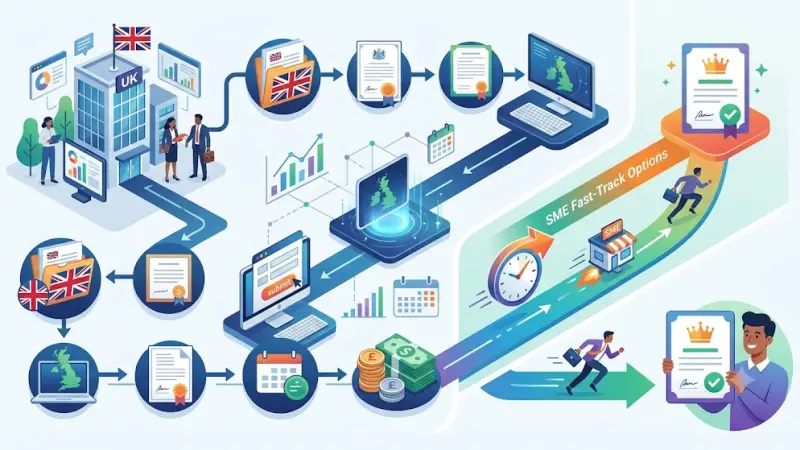
Your UK Sponsor Licence 2026 Step by Step Gui...
Read this insightful article "Your UK Sponsor Licence 2026 Step by Step Guide" to expand your knowledge!
Questions & Answers – Find What
You Need, Instantly!
How can I update my business listing?
Is it free to manage my business listing?
How long does it take for my updates to reflect?
Why is it important to keep my listing updated?
