
Key Changes Small Businesses Must Know Today
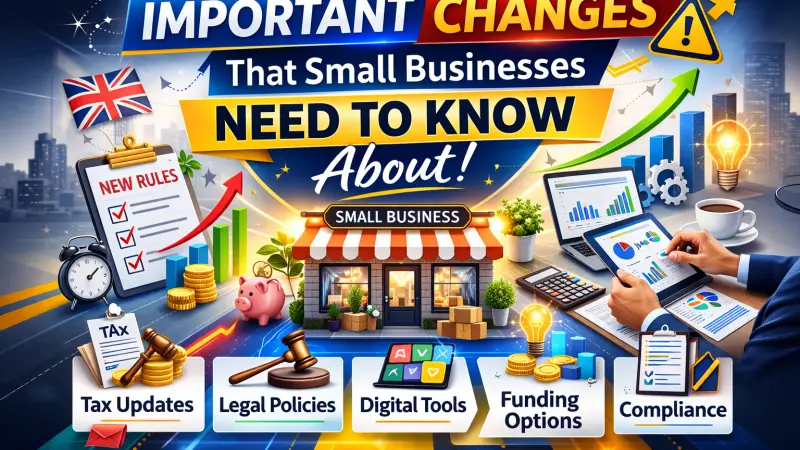
Running a small business means constantly adapting to new rules, technologies, and market conditions. Changes in regulations, economic conditions, customer behaviour, and digital tools can significantly impact how businesses operate. Staying informed about these developments is essential to remain compliant, competitive, and prepared for future growth.

Over recent years, small businesses have faced rapid shifts driven by digital transformation, evolving workplace expectations, and economic pressures. Understanding these changes helps business owners make smarter decisions, reduce risks, and identify new opportunities.
This guide explores the most important changes that small businesses need to know about and how they can prepare effectively.
Digital Transformation Continues to Accelerate
Technology is transforming how businesses operate, communicate, and sell. More businesses are moving operations online, using digital tools to manage finances, communicate with customers, and streamline processes.
Having a strong online presence is no longer optional. Customers expect businesses to be accessible online through websites, social media, and digital communication channels. Businesses that invest in digital tools are more likely to improve efficiency and reach wider audiences.
Shift Towards Automation
Automation is becoming increasingly accessible to small businesses. Tools that automate tasks such as invoicing, customer support, email marketing, and inventory management can save time and reduce human error.
Automation allows business owners to focus on strategic tasks rather than repetitive administrative work, improving productivity and efficiency.
Evolving Tax Reporting Requirements
Tax regulations continue to evolve, with increasing emphasis on digital reporting and accurate record keeping. Businesses must ensure they maintain up to date financial records and use compliant software where required.
Keeping accurate records and staying informed about tax changes helps avoid penalties and ensures smooth financial management.
Changes in Employment Laws
Employment regulations continue to evolve, impacting wages, contracts, workplace policies, and employee rights. Businesses must stay updated on minimum wage changes, holiday pay rules, and employment protections.
Regularly reviewing HR policies and ensuring compliance helps businesses avoid legal risks and maintain positive workplace environments.
Growing Importance of Data Protection
With businesses collecting more customer data, data protection and privacy compliance have become critical.
Customers expect their personal information to be handled securely and responsibly.
Implementing strong data protection policies, secure systems, and clear privacy notices helps build trust and reduces risk.
Rising Operational Costs
Many small businesses are facing increased costs including energy prices, supplier costs, and wages. These rising expenses can put pressure on profit margins.
Businesses need to review pricing strategies, improve efficiency, and manage expenses carefully to maintain profitability.
Changing Consumer Expectations
Customers today expect faster service, personalised experiences, and seamless digital interactions. Businesses must focus on improving customer experience to remain competitive.
Providing excellent customer service, quick responses, and personalised communication helps build loyalty and attract repeat customers.
Flexible Working Trends
Flexible and remote working has become more common. Employees increasingly expect flexible arrangements, and businesses that offer flexibility may find it easier to attract and retain talent.
This shift may require new policies, communication tools, and management approaches.
Increased Focus on Sustainability
Environmental responsibility is becoming more important for businesses of all sizes. Customers and regulators are encouraging businesses to adopt sustainable practices.
Reducing waste, improving energy efficiency, and using sustainable materials can enhance brand reputation and support long term growth.
Cybersecurity Awareness
As businesses rely more on digital systems, cybersecurity threats are increasing. Small businesses are often targeted due to limited security measures.
Implementing strong passwords, secure networks, staff training, and regular backups can help protect sensitive data and maintain business continuity.
Access to New Funding Options
Funding options are evolving, with more alternative finance solutions available such as crowdfunding, digital lenders, and grants. Understanding these options can help businesses access capital for growth.
Exploring different funding sources provides flexibility and supports expansion plans.
Marketing Trends Are Shifting
Marketing strategies are moving towards digital channels, content marketing, and personalised communication. Businesses need to focus on building relationships rather than simply promoting products.
Authentic storytelling and valuable content help attract and engage customers.
Regulatory Compliance Updates
Compliance requirements continue to evolve across areas such as health and safety, financial reporting, and business operations. Staying informed helps businesses avoid penalties and maintain smooth operations.
Regular compliance reviews and professional advice can help businesses stay on track.
Importance of Business Resilience
Recent global challenges have highlighted the need for resilience and contingency planning. Businesses must prepare for disruptions by diversifying suppliers, building financial reserves, and creating backup plans.
Resilient businesses are better equipped to adapt to unexpected challenges.
Opportunities for Growth
Despite challenges, changes also create opportunities. Businesses that embrace innovation, improve efficiency,
and adapt to market trends can gain a competitive advantage.
Continuous learning and strategic planning help businesses thrive in changing environments.
Small businesses operate in a constantly evolving environment shaped by technology, regulations, and market trends. Understanding these important changes helps business owners remain compliant, manage risks, and identify growth opportunities.
By embracing digital tools, staying informed about regulatory updates, focusing on customer experience, and planning for resilience, businesses can navigate change successfully. Staying proactive rather than reactive is key to long term success.
FAQs
Why is it important for small businesses to stay updated It helps them remain compliant, competitive, and prepared for changes.
What are the biggest changes affecting small businesses Digital transformation, rising costs, regulatory updates, and changing customer expectations.
How can businesses adapt to digital transformation By investing in online tools, improving digital presence, and automating processes.
What should businesses do about rising costs Review expenses, improve efficiency, and adjust pricing strategies.
Why is data protection important It protects customer information and helps businesses comply with regulations.
How often should businesses review compliance Regular reviews are recommended to stay updated with changing regulations.
What is business resilience It is the ability to adapt to disruptions and maintain operations.
How can small businesses improve cybersecurity By using secure systems, training staff, and backing up data regularly.
What funding options are available Loans, grants, crowdfunding, and alternative lenders.
Why are customer expectations changing Technology and competition have increased demand for convenience and personalisation.
How can businesses stay competitive By focusing on innovation, customer experience, and efficiency.
What role does sustainability play It improves brand reputation and meets customer expectations.
How can businesses manage regulatory changes By staying informed and seeking professional advice when needed.
What marketing trends are important Digital marketing, content creation, and personalised communication.
How can businesses prepare for future changes By planning strategically, staying informed, and remaining flexible.

Disclaimer: The information provided in this article is for general informational and research purposes only. Company details, features, services, and market positions may change over time. Readers are advised to visit official company websites and conduct independent research before making any business decisions or purchasing services.
Most Searchable Keywords

Recent Blogs



Related Listings


Categories
- Accountants (295)
- Advertising Agencies (559)
- Architects (149)
- Automobiles (377)
- Beauty (300)
- Carpenters (146)
- Cleaning Services (386)
- Dentists (189)
- Driving (62)
- Electricians (215)
- Energy (8)
- Event Organiser (685)
- Finance (599)
- Guide (3365)
- Health (2207)
- Information technology (206)
- Legal Services (353)
- Logistics (6)
- Maintenance (65)
- Manufacturing (35)

Sponsored Listings in Locksmith Services

Related Blogs

Gen Z Political Reporters and News Creators i...
Read this insightful article "Gen Z Political Reporters and News Creators in the UK" to expand your knowledge!

Famous Female Social Media Influencers Across...
Read this insightful article "Famous Female Social Media Influencers Across the UK" to expand your knowledge!
Your UK Sponsor Licence 2026 Step by Step Gui...
Read this insightful article "Your UK Sponsor Licence 2026 Step by Step Guide" to expand your knowledge!
Questions & Answers – Find What
You Need, Instantly!
How can I update my business listing?
Is it free to manage my business listing?
How long does it take for my updates to reflect?
Why is it important to keep my listing updated?
