
Lidl UK: The Evolution of Value in the British Supermarket Landscape
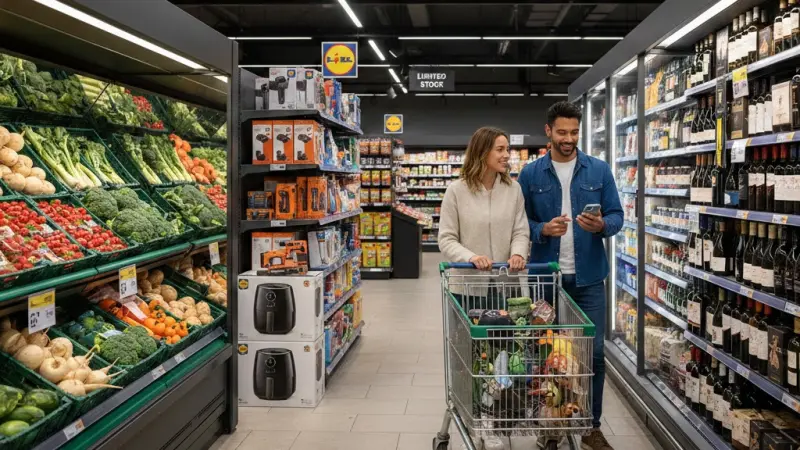
Lidl UK has fundamentally redefined the British grocery sector by blending high-quality sourcing with a lean operational model that ensures consumer value. For the modern British shopper, Lidl represents more than just a discount retailer; it is a destination for fresh British produce, award-winning wines, and the ever-surprising middle aisle. By focusing on a curated range of private-label goods alongside essential brands, the supermarket manages to keep overheads low while maintaining stringent quality standards. Whether you are a family looking to reduce the weekly food bill or a gourmet seeker hunting for "Deluxe" range treats, Lidl provides a comprehensive shopping experience that challenges the traditional "Big Four" dominance. Their commitment to local sourcing means a significant portion of their fresh meat and poultry is British, supporting domestic farmers while ensuring peak freshness for the end user.

The Rise of the Discounter in British High Streets
The journey of this retailer within the United Kingdom is a masterclass in market adaptation and consumer psychology. Initially perceived as a secondary choice for specific essentials, the brand has successfully pivoted to become a primary supermarket for millions of households. This shift was facilitated by a massive investment in store infrastructure, moving from basic warehouses to modern, airy buildings that prioritise the customer journey. By understanding the British appetite for transparency and efficiency, the company stripped away the complexities of loyalty schemes and confusing multi-buy offers, replacing them with straightforward, low pricing that builds long-term trust.
Establishing a Foothold in the Local Community
Integration into local neighbourhoods has been a cornerstone of their expansion strategy. Rather than sticking exclusively to out-of-town retail parks, the brand has moved into urban centres and smaller towns, often revitalising derelict sites. This physical proximity allows shoppers to incorporate a visit into their daily commute or school run, making high-quality food accessible to everyone regardless of their transport options. The focus on local recruitment also ensures that the staff understand the specific needs and nuances of the community they serve.
Strategic Site Selection and Planning
The process of selecting new locations involves rigorous demographic analysis to ensure that every new store serves a genuine need. By targeting areas where the cost of living is a primary concern, the retailer provides a vital service while ensuring high footfall and consistent stock turnover from the first day of opening.
Unlocking the Power of the Middle Aisle Phenomenon
Perhaps the most famous aspect of the shopping experience is the "Middle of Lidl," a rotating selection of non-food items that has gained a cult following. This section creates a sense of urgency and discovery, encouraging shoppers to visit weekly to see what new gadgets, gardening tools, or clothing items have arrived. It is a brilliant example of "treasure hunt" marketing, where the limited-time nature of the stock drives immediate purchasing decisions. For many, the thrill of finding a high-quality air fryer or a set of professional-grade power tools at a fraction of the high-street price is as much a draw as the groceries themselves.
Seasonal Shifts and Speciality Product Launches
The middle aisle is not random; it is meticulously planned to align with the British seasonal calendar. In early spring, the focus shifts to garden maintenance and outdoor living, while the autumn months see a transition toward cosy home essentials and early Christmas preparations. This agility allows the retailer to compete with specialised hardware and homeware stores, offering convenience by allowing customers to pick up a chainsaw alongside their cheddar cheese.
Managing Stock Rotation for Maximum Impact
The logistics behind the middle aisle are incredibly complex, requiring a global supply chain that can deliver diverse products on a strict weekly schedule. Once an item is gone, it is usually gone for the season, which maintains the "buy it now" mentality that keeps the aisles moving and prevents stock from becoming stagnant.
Commitment to British Farming and Sustainable Sourcing
A common misconception is that discount retailers rely solely on imported goods to keep prices low. In reality, the company has built deep-rooted partnerships with British farmers and producers. By committing to long-term contracts, they provide security for domestic agriculture, which in turn ensures a steady supply of high-quality milk, eggs, and meat. This "British First" approach resonates strongly with consumers who are increasingly conscious of food miles and the environmental impact of their diet. Furthermore, the brand has made significant strides in reducing plastic packaging and improving the recyclability of their private-label containers.
Transparency in the Food Production Chain
Shoppers today want to know exactly where their food comes from. The retailer addresses this by using clear labelling and participating in industry-recognised welfare standards, such as the Red Tractor scheme. This transparency builds a bridge of trust between the farmer and the
dinner table, proving that a lower price point does not have to mean a compromise on ethical standards or animal welfare. It is a balanced ecosystem where efficiency in the warehouse supports fairness on the farm.
Reducing Carbon Footprints through Logistics Efficiency
Sustainability is also baked into the distribution model. By optimising delivery routes and using a centralised warehouse system, the company minimizes the number of lorries on the road. Many stores now also feature solar panels and electric vehicle charging points, reflecting a broader corporate responsibility toward a greener future for the UK retail sector.
The Deluxe Range and Premium Quality Tiers
One of the most successful moves in the brand's history was the introduction of the "Deluxe" range. This sub-brand targets the "premium-value" segment, offering luxury food items like hand-cooked crisps, dry-aged steaks, and artisanal cheeses at prices that undercut traditional high-end grocers. It has effectively removed the stigma of discount shopping, making it socially acceptable—and even trendy—to serve these products at dinner parties. The packaging is sophisticated, and the product development team focuses on gourmet trends, ensuring that the range feels contemporary and indulgent.
Award Winning Wines and Spirits Selection
The wine cellar is another area where the retailer consistently outperforms its price bracket. By employing Master of Wine consultants to curate their selection, they offer a range of bottles that frequently win prestigious industry awards. From crisp Marlborough Sauvignon Blanc to robust Riojas, the focus is on varietal typicity and exceptional value. This has turned the store into a destination for wine enthusiasts who appreciate quality but refuse to pay the "brand tax" associated with traditional vintners.
Focusing on Product Innovation and Trends
The "Deluxe" line is constantly evolving to include vegan, gluten-free, and organic options, reflecting the diversifying dietary requirements of the British public. This ensures that no matter the customer's lifestyle or health needs, they can find a premium alternative that fits their budget without sacrificing taste or quality.
Common Mistakes to Avoid When Shopping for Value
While the potential for savings is massive, many shoppers fail to maximise their experience due to a few common errors. One major mistake is ignoring the "Lidl Plus" app, which offers personalised coupons and scratch-card wins that can shave significant amounts off the total bill. Another error is failing to check the "Red Plinth" area for the "Pick of the Week" fruit and veg, which offers the best seasonal value. Many people also overlook the bakery section late in the day, missing out on fresh bread and pastries that are often reduced for quick sale.
Overlooking the Benefits of Private Labels
Some shoppers remain fiercely loyal to big-name brands, assuming that the supermarket's own-label version will be inferior. In many cases, these products are manufactured in the same facilities as the brands but sold in different packaging. By refusing to try the "Towergate" or "Milbona" alternatives, customers are essentially paying a premium for a marketing budget rather than a better product. Breaking this habit is the fastest way to see a dramatic reduction in monthly spending.
Ignoring the Weekly Leaflet and App Updates
The retailer publishes a weekly leaflet detailing the upcoming middle aisle themes and grocery offers. Failing to plan around these updates often leads to "impulse regret," where a customer buys an item elsewhere only to see it appear in the middle aisle for half the price a few days later. Synchronising your shopping list with the promotional calendar is essential for true value seekers.
Step by Step Guide to Maximising Your Weekly Shop
To truly master the art of shopping here, you need a system. Start by downloading the official app and registering your home store; this ensures you receive the correct local offers. Before leaving home, check the "Middle of Lidl" preview so you aren't surprised by a sudden need for a sewing machine or a wet-and-dry vacuum. Once in the store, head straight for the bakery—the smell alone is worth the trip, but the quality of the sourdough and pretzels is genuinely top-tier. Always look for the orange "Price Drop" stickers throughout the aisles for immediate savings.
Organising Your Trolley for a Swift Checkout
The checkout process is famously fast. To keep up with the cashier, you should organise your trolley as you shop. Place heavy, bulky items at the front (near the handle) and fragile items like eggs and bread at the back.
This allows you to load the belt in a logical order. When you reach the packing bench after the till, you can then take your time to bag everything properly, rather than panicking at the scanning station.
Using the Packing Bench Effectively
Many new shoppers make the mistake of trying to pack into bags directly at the till. This is discouraged because the speed of the scanners is designed for high volume. Instead, sweep your items back into your trolley and move to the long benches provided against the window. This reduces stress for you and ensures the queue behind you keeps moving smoothly, maintaining the store's efficiency.
The Future Outlook for Retail Innovation in the UK
Looking ahead, the retailer is set to continue its aggressive growth strategy across the UK. Plans are already in motion for hundreds of new stores, with a particular focus on London and the South East where demand for value remains high. We can expect to see further integration of digital technology, perhaps with more self-scan options and enhanced features within the mobile app to streamline the "Click and Collect" experience. The commitment to sustainability will likely deepen, with more "refill" stations for dry goods and a total phase-out of non-recyclable plastics.
Expanding the Digital Ecosystem and Loyalty
The digital transformation is not just about coupons; it is about building a community. Future updates to the loyalty platform may include recipe integration, where the app suggests meals based on the items currently on offer. This level of personalisation will help the brand move from being a simple grocer to a holistic lifestyle partner for the budget-conscious but quality-driven British consumer.
Adapting to a Post Plastic World
As government regulations around single-use plastics tighten, the retailer is positioning itself as a leader in sustainable packaging. We are likely to see more innovative solutions, such as compostable fruit nets and laser-etched branding on vegetables to replace stickers. This forward-thinking approach ensures the brand remains relevant in an increasingly eco-conscious market.
Summary of Strategic Benefits for the Consumer
In conclusion, the success of this supermarket chain lies in its ability to offer a "no-frills" price without a "no-frills" experience. By prioritising the quality of the actual food over expensive TV advertising and complex store layouts, they pass the savings directly to the shopper. The combination of high-quality British meat, an award-winning bakery, and the eccentric charm of the middle aisle makes it a unique fixture of the British high street. As the UK continues to navigate economic fluctuations, the role of the efficient discounter will only become more vital in ensuring that every household can afford fresh, nutritious, and enjoyable food.
Embracing the Changing Face of British Retail
The evolution from a "budget" option to a "smart" option reflects a wider change in British culture. Value is no longer just about the lowest price; it is about the best ratio of quality to cost. This retailer has captured that sentiment perfectly, proving that you can have a gourmet Christmas dinner or a professional-grade DIY kit without breaking the bank. It is this versatility that will ensure its continued dominance in the years to come.
Final Thoughts on Sustainable Growth
As long as the brand maintains its focus on local sourcing and operational efficiency, its growth seems inevitable. For the shopper, this means more choice, better prices, and a more sustainable way to fill the larder.
The British supermarket wars are far from over, but the discounters have clearly secured a winning position through sheer consistency and a deep understanding of the national psyche.
FAQ
How does the Lidl Plus app actually save me money on my shop?
The Lidl Plus app provides weekly personalised coupons that you activate before scanning at the till. These often include significant discounts on specific product categories or even a total percentage off your entire shop once you hit a spending milestone. Additionally, it stores your digital receipts and offers a "Scratch & Win" feature after every purchase, providing immediate rewards and future savings opportunities.
Why are the checkouts so much faster than other UK supermarkets?
Efficiency is hard-coded into the store's design. The packaging of most private-label items features multiple barcodes or extra-large ones, allowing the cashier to scan them from almost any angle without searching for the tag. The staff are also trained to scan at a high rate of items per minute. This speed reduces queue times and operational costs, which is a key factor in keeping prices low.
Where does Lidl UK source its fresh meat and poultry from?
The vast majority of fresh meat and poultry sold in UK stores is sourced from British farms. Look for the Red Tractor logo on the packaging, which guarantees that the food has been produced to high standards of food safety, animal welfare, and environmental protection. By supporting British agriculture, the retailer ensures shorter supply chains, which means fresher products for the consumer and a lower carbon footprint.
What is the best time to find the best Middle of Lidl deals?
New "Middle of Lidl" items are typically released twice a week, on Thursdays and Sundays. To get the best selection, it is advisable to visit on the morning of release, as popular items like power tools, kitchen gadgets, and children's toys often sell out within hours. Checking the "Coming Soon" section of the app or the in-store leaflet a week in advance is the best way to plan.
Can I return non-food items if they are faulty or I change my mind?
Yes, the retailer offers a robust returns policy for non-food items. If an item is faulty, you are covered by a manufacturer’s warranty, often lasting three years. For "change of mind" returns, most items can be returned within 30 days provided you have the receipt and the original packaging. This gives shoppers peace of mind when purchasing larger ticket items like electronics or DIY equipment from the middle aisle.

Disclaimer: The information provided in this article is for general informational and research purposes only. Company details, features, services, and market positions may change over time. Readers are advised to visit official company websites and conduct independent research before making any business decisions or purchasing services.
Most Searchable Keywords

Recent Blogs



Related Listings


Categories
- Accountants (295)
- Advertising Agencies (559)
- Architects (149)
- Automobiles (377)
- Beauty (300)
- Carpenters (146)
- Cleaning Services (386)
- Dentists (189)
- Driving (62)
- Electricians (215)
- Energy (8)
- Event Organiser (685)
- Finance (599)
- Guide (3365)
- Health (2207)
- Information technology (206)
- Legal Services (353)
- Logistics (6)
- Maintenance (65)
- Manufacturing (35)

Sponsored Listings in Locksmith Services


Related Blogs

Gen Z Political Reporters and News Creators i...
Read this insightful article "Gen Z Political Reporters and News Creators in the UK" to expand your knowledge!

Famous Female Social Media Influencers Across...
Read this insightful article "Famous Female Social Media Influencers Across the UK" to expand your knowledge!

Your UK Sponsor Licence 2026 Step by Step Gui...
Read this insightful article "Your UK Sponsor Licence 2026 Step by Step Guide" to expand your knowledge!
Questions & Answers – Find What
You Need, Instantly!
How can I update my business listing?
Is it free to manage my business listing?
How long does it take for my updates to reflect?
Why is it important to keep my listing updated?
