
Luxury Lake District Holidays: Your Complete Guide to Fells and Waters
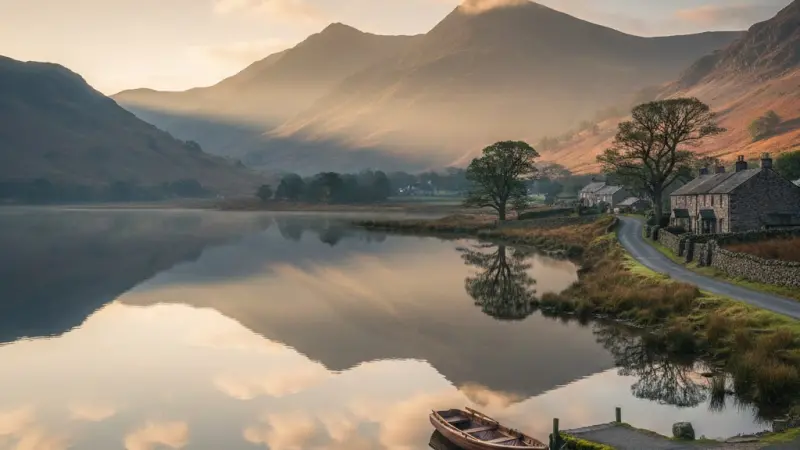
Lake District holidays offer a profound connection to nature within England's most celebrated National Park, a UNESCO World Heritage site renowned for its glacial ribbon lakes and rugged fell mountains. Whether you are seeking a challenging hike up Scafell Pike, a serene boat trip across Lake Windermere, or a quiet afternoon in a traditional stone-built village, the region provides a diverse range of experiences for every type of traveller. A typical holiday here involves exploring the vibrant market towns of Keswick or Ambleside, indulging in local delicacies like Kendal Mint Cake or Grasmere Gingerbread, and immersing yourself in a landscape that inspired the Romantic poets. With a wealth of luxury hotels, cosy self-catering cottages, and award-winning gastro-pubs, the area remains the pinnacle of British rural tourism. To make the most of your visit, it is essential to plan for the region's famously changeable weather and consider visiting during the shoulder seasons—spring or autumn—to enjoy the dramatic scenery without the height of summer crowds.

Embracing the Majesty of the Cumbrian Landscapes
The Lake District is a tapestry of dramatic geological formations, carved out by ancient glaciers to create a landscape that is both intimidating and inviting. This corner of Northwest England is home to every mountain in the country that rises above three thousand feet, offering a vertical playground for those who love the great outdoors. The interplay of light and water here is legendary, with the morning mist often clinging to the surface of the smaller tarns before the sun breaks through to illuminate the vibrant greens of the valley floors. It is a place where human history is etched into the ground through dry-stone walls and ancient bridleways that have remained unchanged for centuries. Visitors often find that the true magic of a holiday in this region lies in the silence found on a high ridge, far away from the bustling tourist hubs, where the only sound is the wind across the heather and the distant call of a buzzard.
Discovering the Grandeur of Windermere and Bowness
As the largest natural lake in England, Windermere serves as the central artery of the southern Lake District, stretching for over ten miles through lush surroundings. The bustling twin towns of Windermere and Bowness offer a sophisticated entry point, complete with boutique shopping and a wide array of lakeside dining options. Taking a steamer across the water remains a quintessential experience, providing unique perspectives of the grand Victorian villas that line the shore. While popular, the area maintains a sense of classic British charm, particularly in the quieter mornings when the water is still and the local wildlife is most active.
Watersports and Lakeside Leisure
For those who prefer active engagement with the water, the lake offers everything from paddleboarding and kayaking to sailing. Several marinas provide equipment hire and professional tuition, making it accessible for beginners and seasoned enthusiasts alike. The shallow bays are perfect for a gentle afternoon of exploration, while the deeper stretches challenge those looking for a more vigorous workout against the Cumbrian breeze.
The Romantic Legacy of Grasmere and Rydal
Grasmere is often described as the most loveliest spot that man hath ever found, a sentiment famously shared by William Wordsworth. This central village remains a place of pilgrimage for those interested in the literary history of the United Kingdom, with Dove Cottage and Rydal Mount offering intimate glimpses into the lives of the Lake Poets. The village itself is a masterpiece of Lakeland architecture, with its dark slate buildings and charming churchyard where the Wordsworth family is buried. Beyond the literary connections, the surrounding fells provide some of the most accessible yet rewarding walks in the park, such as the circuit around Grasmere lake or the climb up to Easedale Tarn. The air here seems to carry the scent of woodsmoke and damp earth, grounding visitors in a traditional way of life that values the slow pace of the seasons and the preservation of natural beauty.
Walking in the Footsteps of the Lake Poets
A stroll between Grasmere and Rydal Water follows the historic Coffin Trail, a path once used to carry the deceased to the consecrated ground in the village. Today, it serves as a stunning elevated walkway offering panoramic views across both lakes. The path is relatively level, making it ideal for families or those looking for a less strenuous outing. Along the way, the ancient woodland and moss-covered stone walls create a fairytale atmosphere that highlights why this specific landscape became the cradle of English Romanticism.
A Taste of Victorian Heritage
No visit to Grasmere is complete without sampling the world-famous gingerbread, still made to a secret recipe from the nineteenth century. The tiny shop, once a schoolhouse, often has a queue extending out the door, but the warm, spicy aroma makes the wait worthwhile. It represents a small, tangible link to the past that has remained unchanged through the decades of growing tourism.
Northern Splendour and the Heart of Keswick
The northern reaches of the Lake District are dominated by the formidable presence of Skiddaw and Blencathra, mountains that offer a more rugged and alpine feel than their southern counterparts. Keswick serves as the vibrant capital of the north, sitting on the shores of Derwentwater, which many locals consider to be the most beautiful of all the lakes. The town is a hub for outdoor gear, local crafts, and traditional pubs that offer a warm welcome to walkers and their canine companions. Keswick also boasts a unique cultural scene, featuring the Theatre by the Lake and a variety of festivals throughout the year. The atmosphere here is distinctly different from the south; it feels a bit wilder and more adventurous, attracting those who want to tackle the higher peaks or explore the deep, narrow valleys of Borrowdale. It is a place where the history of mining and sheep farming still feels present in the local community and the rugged terrain.
The Enchantment of Derwentwater and Borrowdale
Derwentwater is often referred to as the Queen of the Lakes, framed perfectly by the surrounding fells. A circuit of the lake covers about ten miles and takes you through ancient oak woodlands and past the famous Lodore Falls.
Borrowdale, stretching south from the lake, is frequently cited as the most beautiful valley in England, characterized by its sheer crags and the crystal-clear waters of the River Derwent. It is a haven for climbers and serious hikers who seek the solitude of the high fells.
Exploring the Stone Circles
A short walk from Keswick brings you to Castlerigg Stone Circle, one of the most visually impressive prehistoric monuments in Britain. Positioned on a natural plateau, it offers 360-degree views of the surrounding mountains, including Helvellyn and High Seat. Unlike Stonehenge, you can walk among the stones, feeling the ancient energy of a site that has stood for over five thousand years.
Conquering the High Peaks and Scafell Pike
For many, a holiday in the Lake District is defined by the ambition to stand atop the highest point in England. Scafell Pike, at 978 metres, is a formidable challenge that requires preparation, navigation skills, and a respect for the mountain environment. The ascent from Wasdale Head is the most direct but also the steepest, taking hikers through boulder fields and across rugged ridges. The rewards, however, are unparalleled; on a clear day, the view extends across the Irish Sea to the Isle of Man and even the peaks of Snowdonia. This part of the park is remote and stark, offering a sense of isolation that is rare in modern Britain. It is a landscape of scree slopes and deep ghylls, where the scale of nature becomes truly humbling. Even for those not aiming for the summit, the valleys surrounding the Scafells offer some of the most dramatic and atmospheric scenery in the country, characterized by deep-water lakes and steep-sided mountains.
Preparation for the Cumbrian Mountains
Safety on the fells is paramount, and even experienced hikers should never underestimate the speed at which conditions can change. Proper footwear, waterproof layers, and a physical map and compass are non-negotiable requirements for any high-level walk. Many visitors opt to hire a local mountain guide for their first ascent, which not only ensures safety but also provides a wealth of knowledge about the geology and history of the fells. Understanding your own limits is key to ensuring that your mountain adventure remains a positive memory.
The Thrill of the Great Ridge Walks
Beyond Scafell, the Lake District offers legendary ridge walks like Striding Edge on Helvellyn or the Fairfield Horseshoe. These routes provide a sense of exposure and excitement that is hard to find elsewhere in the UK. Walking along a narrow crest with steep drops on either side is an exhilarating experience that requires a steady head and sure footing, representing the peak of Lakeland hiking culture.
The Hidden Valleys and Secret Spots
While the major lakes draw the largest crowds, the true connoisseurs of the Lake District often head for the lesser-known valleys that offer peace and quiet even in the height of summer. Places like Eskdale, Ennerdale, and the Duddon Valley feel like stepping back in time, where the pace of life is dictated by the needs of the Herdwick sheep. These areas lack the large hotels and bustling shops of the central lakes, replaced instead by small farm campsites and ancient inns. Ennerdale, in particular, is the site of an ambitious rewilding project, creating a landscape that feels more natural and untamed than the managed pastures found elsewhere. Exploring these hidden corners requires a bit more effort—often involving narrow, winding mountain passes like Hardknott or Wrynose—but the reward is a sense of discovery and a connection to the landscape that is hard to achieve in more popular areas. It is in these quiet places that the spirit of the Lake District feels most authentic.
Stepping Back in Time in Eskdale
Eskdale is a lush, green valley that can be accessed by the Ravenglass and Eskdale Railway, a narrow-gauge steam train known affectionately as La'al Ratty. The journey from the coast into the heart of the mountains is one of the most scenic rail trips in the UK. The valley itself is a paradise for those who enjoy gentle woodland walks and discovering hidden waterfalls like Stanley Ghyll Force, which drops sixty feet into a deep, rhododendron-filled gorge.
The Challenge of the Mountain Passes
Driving over Hardknott Pass is an experience in itself, featuring some of the steepest gradients in the country and a series of hairpin bends that will test any driver's nerves. At the top sit the remains of Hardknott Roman Fort, a lonely outpost that once guarded the road to the coast. Standing among the ruins, looking out over the desolate mountains, one can only imagine the life of a Roman soldier stationed in this wild frontier.
Common Mistakes to Avoid on Your Cumbrian Holiday
One of the most frequent errors visitors make is underestimating the Cumbrian weather. It is entirely possible to experience all four seasons in a single afternoon, and being caught on a high fell in cotton clothing during a sudden downpour can be dangerous. Another mistake is sticking solely to the most famous towns; while Windermere and Keswick are lovely, they can become incredibly crowded, leading to frustration with traffic and parking. Many tourists also fail to book their accommodation and dining well in advance, especially during bank holidays and school breaks. The Lake District's best restaurants often have waiting lists of several weeks. Finally, avoid relying purely on GPS for navigation on the fells or even on the backroads. Signal can be non-existent in deep valleys, and digital maps often fail to distinguish between a drivable road and a narrow track suitable only for a tractor. A little bit of traditional planning goes a long way in this rural landscape.
Navigating the Seasonal Crowds
To avoid the frustration of gridlocked lanes, consider using the excellent local bus network or the lake ferries. The "Saddleback" and other seasonal bus routes are designed specifically for walkers, allowing you to start and finish your hike at different points without worrying about your car.
Visiting mid-week or during the winter months can also provide a much more tranquil experience, often at a lower cost with the added beauty of snow-capped peaks.
Sustainable Tourism and the Countryside Code
The Lake District is a fragile ecosystem, and it is vital that visitors follow the Countryside Code. This means leaving no trace, keeping dogs on leads around livestock—especially during lambing season—and staying on marked paths to prevent erosion. By being a responsible tourist, you help ensure that the fells remain beautiful for future generations to enjoy. Supporting local businesses and buying Cumbrian produce also ensures that the traditional farming communities can continue to thrive.
A Practical Guide to Planning Your Stay
The first step in planning your Lake District holiday is deciding which base best suits your interests. If you want easy access to public transport and a wide range of amenities, the South Lakes around Windermere or Ambleside are ideal. For a more rugged, hiking-focused trip, Keswick in the North is the better choice. Once you have chosen your location, decide on your accommodation type; the region offers everything from five-star spa hotels to traditional B&Bs and luxury glamping pods. If you plan to hike, download the "Lake District Weatherline" app, which provides specific fell-top forecasts from October to April. It is also wise to check the local events calendar; the Ambleside Rushbearing or various agricultural shows are wonderful cultural experiences but can impact local travel. Finally, ensure you have a good pair of waterproof walking boots that are broken in before you arrive, as you will likely find yourself walking much more than you initially anticipated.
Budgeting for Your Trip
While the Lake District can be expensive, there are plenty of ways to enjoy it on a budget. Many of the best experiences—climbing a mountain, swimming in a lake, or visiting a stone circle—are entirely free. Opting for self-catering can save a significant amount on dining, and many local pubs offer excellent value "walker's specials." Remember to factor in the cost of parking, which can be surprisingly high in the most popular spots; joining the National Trust or the Friends of the Lake District can often provide free parking at many of their sites.
Packing Essentials for the Fells
Your packing list should prioritise layers. Start with a moisture-wicking base layer, add a fleece for warmth, and finish with a high-quality waterproof and windproof jacket. Even in summer, a hat and gloves are sensible additions to your daypack when heading to high altitudes. Don't forget high-factor sun cream, as the sun can be deceptively strong on the ridges, and a reusable water bottle to reduce plastic waste while staying hydrated on the trails.
Future Outlook: Preserving the Lakes for Tomorrow
As we move further into the twenty-first century, the Lake District faces the dual challenge of increasing popularity and the impacts of climate change. There is a growing movement towards more sustainable travel within the park, with investments in electric boat propulsion, expanded cycle paths, and improved public transport links. The rewilding of certain areas and the restoration of peat bogs are essential steps in carbon sequestration and flood prevention. For the visitor, this means a shift towards "slow tourism," encouraging longer stays in one location rather than rushing between multiple sites. We are likely to see more pedestrian-friendly zones in the major towns and a greater emphasis on digital tools to manage visitor flow and protect sensitive habitats. The goal is to maintain the delicate balance between a thriving tourist economy and the preservation of the quiet, wild character that makes the Lake District so special. By embracing these changes, we can ensure that the fells remain a place of inspiration and refuge for another two hundred years.
Innovation in Cumbrian Hospitality
The local hospitality industry is increasingly focusing on hyper-local sourcing, with many restaurants now operating their own kitchen gardens or working directly with Cumbrian farmers. This not only reduces food miles but also provides a unique "taste of the lakes" that cannot be replicated elsewhere. Expect to see more eco-certified accommodations that use renewable energy and prioritise waste reduction, appealing to the environmentally conscious traveller.
The Evolution of Fell Management
Technological advances are also helping in the maintenance of the paths. Drones are being used to survey erosion, and innovative techniques in stone-pitching are making the most popular routes more resilient to heavy footfall.
This ongoing work, often hidden from the casual observer, is what allows hundreds of thousands of people to enjoy the mountains every year without destroying the very terrain they come to see.
Frequently Asked Questions
When is the best time of year to visit the Lake District for a holiday?
The best time to visit depends on your preferences, but late spring (May and June) and early autumn (September and October) are widely considered ideal. During these months, the weather is often relatively stable, the colours of the landscape are vibrant, and the major tourist sites are less crowded than in July and August. Winter offers stunning snowy peaks but requires advanced mountain skills.
Is the Lake District suitable for a holiday if I am not a serious hiker?
Absolutely. While the fells are a major draw, the Lake District offers plenty for those who prefer a gentler pace. You can enjoy lake cruises, visit historic houses like Hill Top (Beatrix Potter's home), explore charming village shops, or take easy strolls along accessible lakeside paths. The region's culinary scene and boutique spas also provide a high-end experience that does not require hiking boots.
Are dogs allowed on Lake District holidays and on the fells?
The Lake District is one of the most dog-friendly destinations in the UK. Most pubs, many cafes, and a large number of hotels and cottages welcome four-legged friends. Dogs are allowed on the fells, but it is vital to keep them on a lead around livestock, especially during the spring lambing season and for the safety of ground-nesting birds on the open moors.
How many days do I need for a satisfying Lake District holiday?
While a weekend provides a nice taste, a stay of five to seven days is recommended to truly experience the diversity of the park. This allows you to explore different areas—such as both the north and south lakes—without rushing, and provides a buffer for the inevitable rainy days when you might prefer to visit an indoor attraction or enjoy a long pub lunch.
Do I need a car to get around the Lake District during my stay?
A car offers the most flexibility, especially for reaching remote valleys, but it is entirely possible to have a great holiday using public transport. The main towns are well-connected by buses, and the train line reaches Windermere directly. Once in the park, seasonal open-top buses and lake steamers provide scenic and efficient ways to travel between the most popular walking routes and attractions.

Disclaimer: The information provided in this article is for general informational and research purposes only. Company details, features, services, and market positions may change over time. Readers are advised to visit official company websites and conduct independent research before making any business decisions or purchasing services.
Most Searchable Keywords

Recent Blogs



Related Listings


Categories
- Accountants (295)
- Advertising Agencies (559)
- Architects (149)
- Automobiles (377)
- Beauty (300)
- Carpenters (146)
- Cleaning Services (386)
- Dentists (189)
- Driving (62)
- Electricians (215)
- Energy (8)
- Event Organiser (685)
- Finance (599)
- Guide (3365)
- Health (2207)
- Information technology (206)
- Legal Services (353)
- Logistics (6)
- Maintenance (65)
- Manufacturing (35)

Sponsored Listings in Locksmith Services


Related Blogs

Gen Z Political Reporters and News Creators i...
Read this insightful article "Gen Z Political Reporters and News Creators in the UK" to expand your knowledge!

Famous Female Social Media Influencers Across...
Read this insightful article "Famous Female Social Media Influencers Across the UK" to expand your knowledge!

Your UK Sponsor Licence 2026 Step by Step Gui...
Read this insightful article "Your UK Sponsor Licence 2026 Step by Step Guide" to expand your knowledge!
Questions & Answers – Find What
You Need, Instantly!
How can I update my business listing?
Is it free to manage my business listing?
How long does it take for my updates to reflect?
Why is it important to keep my listing updated?
