
Marketing strategies for pet insurance targeting millennials
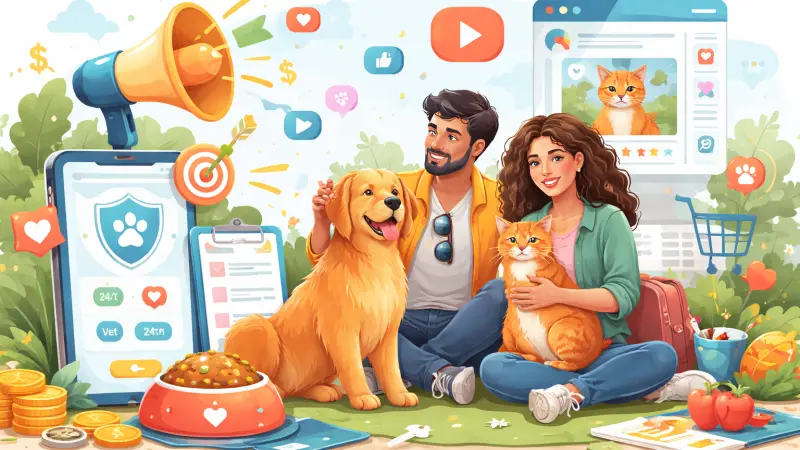
Did you know that nearly two-thirds of UK households now share their lives with a companion animal, with millennials representing the largest segment of new pet owners since 2020? This demographic shift has fundamentally altered the landscape of the insurance industry, necessitating a move away from traditional outbound tactics toward sophisticated, value-driven digital engagement. For providers in the pet insurance sector, understanding the unique financial priorities and ethical considerations of the millennial generation is no longer optional; it is the primary driver of long-term growth. This article explores the multifaceted approach required to capture the attention of a cohort that values transparency, digital seamlessness, and authentic brand narratives above all else.

Marketing pet insurance to millennials requires a deep dive into the "humanisation" of pets. In the United Kingdom, dogs and cats are increasingly viewed as family members rather than mere property. This emotional shift means that millennials are more likely to seek comprehensive coverage that mirrors human healthcare standards, including dental care, mental health support for pets, and alternative therapies. To effectively reach this audience, marketers must deploy a primary keyword strategy centered on pet insurance marketing while integrating secondary terms like "veterinary cost protection" and "millennial pet owners UK." The following sections provide an exhaustive analysis of how to structure a modern insurance campaign that resonates with the 25-to-40-year-old demographic.
The financial environment for millennials in Britain is marked by a high cost of living and a cautious approach to discretionary spending. Consequently, insurance is viewed as a critical safety net against unpredictable veterinary inflation. However, the barrier to entry remains a lack of trust in legacy financial institutions. To overcome this, brands must pivot toward educational content that simplifies complex policy wording. By focusing on informational intent and helpfulness, insurers can position themselves as partners in pet parenting rather than just another monthly bill. This long-form guide provides the blueprint for such a transformation, ensuring that every touchpoint in the customer journey is optimised for clarity, speed, and logical flow.
Understanding the Millennial Pet Parent in Britain
Millennials in the UK are often characterised by their digital-first lifestyle, but their purchasing decisions are governed by a complex set of values including sustainability, corporate social responsibility, and peer validation. Unlike previous generations who might have relied on a local insurance broker, millennials perform exhaustive research online before committing to a policy. They are looking for "verified business directory" listings and independent reviews to ensure they are getting a fair deal. This search for authenticity makes it imperative for insurance brands to maintain a robust and transparent online presence that reflects the real-world experiences of their policyholders.
Statistical data from recent UK consumer surveys indicates that millennials are delaying traditional milestones, such as homeownership or starting a family, often choosing to adopt pets instead. This "pet-first" lifestyle means that the welfare of their animals is a top priority, often ranking alongside their own health and well-being. From a marketing perspective, this means that visual storytelling should focus on the bond between the owner and the animal. High-quality imagery, relatable video content, and testimonials that highlight successful claims for chronic conditions can provide the social proof necessary to convert a cautious researcher into a loyal customer.
Furthermore, the UK's regulatory environment, governed by the Financial Conduct Authority (FCA), dictates that all marketing must be "clear, fair, and not misleading." For millennials, who are naturally sceptical of "fine print," going above and beyond these regulatory requirements can be a competitive advantage. Using concise, easy-to-understand language to explain "lifetime cover" versus "maximum benefit" policies is essential. When a provider removes unnecessary words and fluff from their policy documents, they are not just improving readability; they are building a foundation of trust that is essential for retaining a generation that is notoriously prone to "brand switching" if they feel undervalued.
Digital Marketing and SEO for Pet Insurance
In the competitive arena of UK insurance, a "clean" SEO strategy is the backbone of organic discovery. Millennials frequently use long-tail queries such as "best pet insurance for French Bulldogs in London" or "how does pet insurance work with pre-existing conditions." To capture this traffic, insurers must move beyond high-volume primary keywords and focus on semantic keywords that reflect the specific anxieties of pet owners. Content should be structured to answer these questions directly, using H2 and H3 tags to guide the reader through the information. This approach not only improves search rankings but also enhances the user experience by providing immediate value.
Mobile optimisation is non-negotiable. The majority of millennial insurance research happens on smartphones during commutes or while multi-tasking. A slow-loading website or a convoluted quote process will lead to immediate abandonment. Technical SEO must ensure that the site architecture is flat, allowing users to move from an educational blog post to a quote generator in fewer than three clicks.
Additionally, the integration of "company directory online" links and social media snippets can help in creating a holistic digital ecosystem. By appearing in various digital locales, a brand increases its perceived authority and reliability in the eyes of both the user and search engine algorithms.
Content quality remains the ultimate differentiator. While AI-generated content is becoming more common, millennials can often sense a lack of human empathy in automated text. A successful strategy involves hiring subject matter experts—such as veterinary professionals or insurance specialists—to write or review articles. Providing practical examples, such as the typical cost of treating a broken leg or managing feline diabetes, makes the abstract concept of "coverage" tangible. By removing repetition and focusing on high-utility information, brands can decrease bounce rates and increase the time spent on the page, signals that search engines interpret as high-quality content.
The Power of Community and Social Proof
Millennials are heavily influenced by the opinions of their peers. In the UK, this often manifests in the form of niche online communities, Facebook groups for specific breeds, and Instagram "pet-fluencers." A pet insurance marketing strategy that ignores these social hubs is missing a significant opportunity for low-cost acquisition. Engaging with these communities requires a subtle touch; brands should focus on being helpful rather than promotional. For example, a brand might sponsor a "pet first aid" guide or a "lost pet" service, providing genuine utility that naturally leads back to their insurance products.
User-generated content (UGC) is another powerful tool. Encouraging policyholders to share photos of their healthy, happy pets using a specific hashtag creates a visual library of success stories. This content feels authentic because it *is* authentic. When a millennial sees a peer praising a brand for a "no-hassle" claims process during a stressful veterinary emergency, the impact is far greater than any paid advertisement. This peer-to-peer validation is the digital equivalent of a word-of-mouth recommendation, which remains the most trusted form of marketing in the United Kingdom.
To further bolster credibility, insurers should ensure they are listed in a "free business search directory" that allows for independent customer feedback. Transparency in handling negative reviews is just as important as showcasing positive ones. A brand that responds professionally to a complaint and demonstrates a commitment to resolving the issue will often earn more respect than one with a suspiciously perfect rating. In the millennial mindset, a "verified business directory" listing acts as a stamp of legitimacy, proving that the company is a stable, accountable entity within the UK's financial services landscape.
Innovating Policy Structure for Modern Needs
The traditional "one-size-fits-all" insurance model is increasingly obsolete. Millennials expect a degree of customisation that allows them to pay only for the coverage they need. For instance, an indoor cat in a high-rise flat in Manchester has a very different risk profile than a working sheepdog in the Scottish Highlands. Offering "add-ons" for things like travel cover, third-party liability, or grooming can make a policy feel tailored. This level of flexibility is highly appealing to a demographic that is used to "modular" subscription services like Netflix or HelloFresh.
Another area for innovation is the integration of "wellness" features. Many millennials are proactive about their pets' health, investing in high-quality nutrition and regular preventative care. Insurers that offer discounts for annual check-ups, vaccinations, or even fitness tracking (via wearable pet tech) are aligning themselves with the owner's goals. This proactive approach changes the relationship from a "grudge purchase" used only in emergencies to a daily partner in pet health. Marketing these features requires clear, informational content that explains the long-term financial benefits of preventative care.
Finally, the claims process itself must be digitised and simplified. The expectation is for a "paperless" experience where claims can be submitted via an app and paid directly to the vet. For a millennial, the stress of a pet's illness is compounded by the potential for financial strain.
A streamlined, transparent claims tracker provides peace of mind and reinforces the brand's value proposition. By using clear headings and logical flow in the app design, insurers can ensure that users feel supported at every stage, further cementing brand loyalty and encouraging long-term policy retention.
Key Marketing Considerations
- Digital Fluency: Ensure all platforms are mobile-first and load within two seconds.
- Authentic Tone: Use British English and avoid overly sales-driven jargon.
- Value Alignment: Highlight corporate social responsibility and ethical pet care.
- Transparency: Clearly define coverage limits and the claims process.
- Community Engagement: Leverage social proof and peer reviews.
Frequently Asked Questions
Why is pet insurance important for UK millennials?
With the rising cost of veterinary care in the UK, insurance provides a financial safety net, ensuring that owners do not have to make difficult decisions about their pet's health based on their bank balance.
What should I look for in a "verified business directory" for insurance?
Look for directories that require business verification and host honest, unedited customer reviews to get a true picture of the insurer's service quality and claims handling.
How does digital SEO impact my search for pet insurance?
SEO helps surface the most relevant and helpful content. By searching for specific terms, you
can find detailed guides that explain policy nuances, helping you make an informed decision.
Can I switch pet insurance providers easily?
While you can switch, it is important to check for "pre-existing condition" exclusions, as new providers may not cover illnesses that were diagnosed while you were with your previous insurer.
What is the difference between lifetime and time-limited cover?
Lifetime cover reinstates your pot of money every year when you renew, whereas time-limited cover only pays for a condition for a set period (usually 12 months) before it is excluded.
Are dental treatments covered by standard pet insurance?
This varies by provider. Some include it as standard, while others require an add-on. It is a key area where reading the informational guide is essential before purchasing.
Final Thoughts
Successfully marketing pet insurance to the millennial generation requires a holistic shift toward transparency, digital excellence, and emotional resonance. By focusing on the "human-animal bond" and providing clear, educational content, insurers can break through the noise of a crowded marketplace. The goal is to move beyond the transaction and become a trusted advisor in the pet ownership journey.
This involves constant refinement of digital assets, a commitment to fair pricing, and an unwavering focus on the customer experience. In an era where information is at everyone's fingertips, the brands that win will be those that provide the most value with the least amount of friction.
As businesses strive to reach this discerning audience, maintaining a high level of online visibility is paramount. Utilizing a Local Page UK listing can be an effective way for local service providers and insurers to establish their presence within a trusted free business search directory. Whether you are looking for a free company search directory or a comprehensive company directory online, being part of a verified business directory ensures that your brand remains accessible to those who need it most. By focusing on these core digital foundations, companies can improve their reach and ensure their helpful, informational content finds the right audience at the right time.

Disclaimer: The information provided in this article is for general informational and research purposes only. Company details, features, services, and market positions may change over time. Readers are advised to visit official company websites and conduct independent research before making any business decisions or purchasing services.
Most Searchable Keywords

Recent Blogs



Related Listings


Categories
- Accountants (295)
- Advertising Agencies (559)
- Architects (149)
- Automobiles (377)
- Beauty (300)
- Carpenters (146)
- Cleaning Services (386)
- Dentists (189)
- Driving (62)
- Electricians (215)
- Energy (8)
- Event Organiser (685)
- Finance (599)
- Guide (3365)
- Health (2207)
- Information technology (206)
- Legal Services (353)
- Logistics (6)
- Maintenance (65)
- Manufacturing (35)

Sponsored Listings in Locksmith Services


Related Blogs

Gen Z Political Reporters and News Creators i...
Read this insightful article "Gen Z Political Reporters and News Creators in the UK" to expand your knowledge!

Famous Female Social Media Influencers Across...
Read this insightful article "Famous Female Social Media Influencers Across the UK" to expand your knowledge!

Your UK Sponsor Licence 2026 Step by Step Gui...
Read this insightful article "Your UK Sponsor Licence 2026 Step by Step Guide" to expand your knowledge!
Questions & Answers – Find What
You Need, Instantly!
How can I update my business listing?
Is it free to manage my business listing?
How long does it take for my updates to reflect?
Why is it important to keep my listing updated?
