
Master the British Short-Let Market: Airbnb UK Strategy Guide
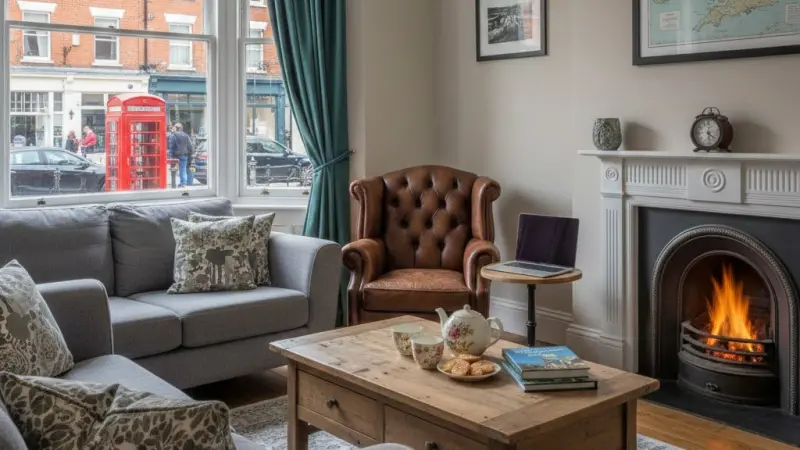
Airbnb UK has transformed the way people travel across the British Isles, offering a diverse alternative to traditional hotel stays. From rustic shepherds' huts in the Cotswolds to sleek apartments in Canary Wharf, the platform provides access to unique local experiences. For many, it is the primary tool for booking staycations or managing a secondary income through property. Effectively using the service requires an understanding of local booking norms, guest expectations, and the specific legalities of the British market. Whether you are looking for a weekend retreat or planning to open your doors to travellers, the ecosystem is built on trust, verified reviews, and seamless digital transactions. In essence, it is a peer-to-peer marketplace that brings a personal touch to the hospitality sector across England, Scotland, Wales, and Northern Ireland.

To use Airbnb UK successfully, guests should focus on verified listings with high-quality photography and detailed descriptions. Always check the total price including cleaning fees and service charges before confirming. For hosts, success involves creating an inviting space that reflects local character while maintaining professional cleanliness standards. In Great Britain, short-term letting is governed by specific regional rules, such as the ninety-night limit in Greater London, making it essential to research local council guidelines before listing a primary or secondary residence on the platform.
Understanding the British Short-Let Revolution
The rise of short-term rentals has fundamentally shifted the hospitality sector within the United Kingdom. What began as a niche alternative for budget travellers has evolved into a multi-billion pound industry that competes directly with established hotel chains. This shift is driven by a desire for more authentic, "home-from-home" experiences where guests can cook their own meals and live like a local. For the British economy, this has opened up tourism in areas previously overlooked by major developers, bringing vital footfall to rural villages and coastal towns that rely on seasonal visitors to sustain local businesses and services.
The Cultural Impact on Local Communities
As more properties transition from long-term tenancies to holiday lets, the fabric of many British neighbourhoods is changing. While this brings investment and tourism spend, it also raises questions about housing availability for residents. Many local authorities are now balancing the economic benefits of tourism with the need for sustainable housing stock. This tension has led to a more mature conversation about how holiday rentals can coexist with permanent residents, ensuring that the charm and vitality of British towns are preserved for everyone who lives and visits there.
Preserving Neighbourhood Character
Responsible hosting is key to maintaining community harmony. Successful hosts often provide "welcome packs" that guide guests on local noise ordinances, refuse collection days, and the best independent shops nearby. By encouraging guests to respect the local environment and support small businesses, the platform helps integrate visitors into the community rather than isolating them in a tourist bubble, fostering a sense of mutual respect between travellers and permanent residents.
Strategic Hosting for Maximum British Appeal
Becoming a successful host in the UK market requires more than just a spare room; it demands an eye for detail and a commitment to high service standards. British guests often value a blend of traditional comfort and modern convenience. Think high-quality linens, a reliable kettle for that essential cup of tea, and fast Wi-Fi for those working remotely. Styling your property to reflect its location—whether that is a nautical theme for a Cornish cottage or a minimalist aesthetic for a Manchester loft—can significantly increase your booking rate by appealing to specific traveller personas.
Optimising Your Listing for Search Visibility
Your listing title and description are your primary marketing tools. Use descriptive language that highlights unique selling points, such as "Stunning Views of the Peak District" or "Seconds from the Tube." High-resolution images are non-negotiable; they should show the property in natural light and include shots of the surrounding area. Regularly updating your calendar and responding to enquiries within an hour can improve your ranking within the platform's search algorithm, making your property more visible to potential guests searching for their next getaway.
Professional Photography Standards
First impressions are digital. Investing in professional photography can lead to a significant uplift in occupancy rates. Images should tell a story, moving from the entrance through the living spaces to the bedrooms. Don't forget to capture small details like a stocked bookshelf or a blooming garden, as these emotional touchpoints often convince a guest to choose your home over a more generic alternative. A well-curated gallery builds trust and sets realistic expectations for the guest's arrival.
Navigating Compliance and Legal Obligations
Operating a short-term let in the UK involves several legal and safety responsibilities that must not be ignored. Fire safety is paramount; you must conduct a thorough risk assessment and ensure that smoke alarms and carbon monoxide detectors are installed and tested regularly.
If your property has gas appliances, a yearly Gas Safety Certificate from a registered engineer is a legal requirement. Additionally, you should check your mortgage agreement and home insurance policy, as many standard contracts prohibit short-term letting without specific prior consent from the provider.
The Ninety Night Rule Explained
In Greater London, specific legislation limits the number of nights a property can be let out on a short-term basis to ninety nights per calendar year. This was introduced to protect the long-term housing supply in the capital. Once this limit is reached, the listing is automatically closed for the remainder of the year unless the host obtains planning permission from the local council for a change of use. Understanding these restrictions is vital for anyone planning to host in the London area to avoid potential fines and platform penalties.
Ensuring Adequate Insurance Coverage
Standard home insurance often excludes business activities like hosting paying guests. It is crucial to take out specialist host insurance that covers public liability, accidental damage by guests, and loss of income. While the platform may offer some basic protection, a comprehensive third-party policy provides a necessary safety net for your most valuable asset. This ensures that in the event of an unforeseen incident, both your property and your financial interests are fully protected under UK law.
Financial Management and Tax Responsibilities
Hosting can be a lucrative endeavour, but it is essential to manage the financial aspects professionally. Under the UK's "Rent a Room" scheme, you can earn up to seven thousand five hundred pounds per year tax-free if you are letting out furnished accommodation in your main home. However, if you are letting an entire second property, this scheme does not apply, and you will need to declare your income through a Self Assessment tax return. Keeping meticulous records of all income and allowable expenses, such as cleaning, repairs, and platform fees, is necessary for accurate reporting.
Maximising Your Return on Investment
Dynamic pricing is a powerful strategy for increasing your annual revenue. This involves adjusting your nightly rates based on local demand, such as during the Edinburgh Fringe Festival or the Wimbledon fortnight. By monitoring local events and competitor pricing, you can ensure your property remains competitive while capturing higher margins during peak periods. Many hosts also offer discounts for longer stays, which can reduce the overhead costs associated with frequent guest turnovers and cleaning schedules.
Understanding Allowable Business Expenses
To reduce your tax liability, you should track every penny spent on maintaining the rental. This includes direct costs like laundry services and welcome hampers, as well as a proportion of your utility bills and internet costs if you are hosting in your own home. Professional fees, such as those paid to accountants or for specialist insurance, are also typically deductible. Maintaining a dedicated bank account for your hosting activities can simplify this process and provide a clear audit trail for HM Revenue and Customs.
Common Mistakes to Avoid in the British Market
One of the most frequent errors made by new hosts is underestimating the time commitment required for guest communication and property maintenance. Delayed responses can lead to lost bookings and poor reviews, which are difficult to overcome. Another mistake is failing to set clear "House Rules" regarding smoking, pets, and parties. Without these, you leave your property vulnerable to misuse. It is also wise to avoid over-promising in your description; if the walk to the station takes fifteen minutes, do not claim it takes five, as this inevitably leads to guest dissatisfaction.
Managing Guest Expectations Effectively
British hospitality is built on transparency. Be honest about any potential drawbacks, such as a narrow staircase or potential noise from a nearby pub. Guests generally appreciate honesty more than a perfect but misleading description. Providing a digital house manual that explains how to use the boiler, the oven, and the recycling system can prevent many common guest queries and ensure their stay is frustration-free. This proactive approach leads to five-star reviews and repeat bookings from satisfied travellers.
Addressing Negative Feedback Gracefully
Even the best hosts may occasionally receive a less-than-perfect review. The key is to respond professionally and constructively. Acknowledge the guest's concerns, explain any steps taken to rectify the issue, and avoid becoming defensive.
Future guests often look at how a host handles criticism to gauge their level of care and professionalism. A calm, well-reasoned response can actually build more trust than a profile with only glowing, generic praise, as it demonstrates accountability and a commitment to continuous improvement.
Practical Guidance for First Time Guests
For those new to booking via the platform, the process can seem daunting, but following a few simple steps ensures a smooth experience. Start by completing your profile and getting verified; hosts are more likely to accept requests from guests with a photo and a brief bio. Always communicate through the official app to ensure your conversations are recorded and protected by the platform's terms of service. Before booking, read several pages of reviews to get a sense of the host's style and the property's true condition during different seasons.
The Importance of Clear Communication
Once your booking is confirmed, reach out to your host to introduce yourself and confirm your arrival time. This is the perfect opportunity to ask about parking, local transport, or specific dietary requirements if they are providing breakfast. If you encounter any issues during your stay, such as a lack of hot water or a missing key, notify the host immediately rather than waiting until you leave to mention it in a review. Most hosts are eager to help and will appreciate the chance to fix a problem during your stay.
Respecting the British Household Environment
When staying in someone's home, it is polite to follow their specific guidelines. This might include removing shoes at the door or being mindful of noise late at night. Simple gestures, like stripping the bed if requested or ensuring all windows are locked when you go out, go a long way in building a positive reputation as a guest. Leaving the property in a tidy state and showing appreciation for the host's effort helps maintain the spirit of the community and ensures you receive a glowing guest review in return.
Future Outlook for Short Term Lets in Britain
The landscape for short-term rentals in the UK is likely to become more regulated in the coming years. The government is currently exploring a national registration scheme for holiday lets to help local authorities track the number of properties in their area. This move aims to standardise safety requirements and provide better data for housing policy. For professional hosts, this could mean more paperwork but also a more level playing field where high standards are the norm and "cowboy" operators are phased out of the market.
Technological Innovations in Hospitality
Technology continues to evolve, with smart locks and automated check-in systems becoming standard for many urban listings. These tools provide flexibility for both guests and hosts, allowing for late-night arrivals without the need for a physical key exchange. Furthermore, the integration of energy-saving devices, such as smart thermostats, is helping hosts manage their environmental impact and utility costs. As guests become more eco-conscious, properties that demonstrate a commitment to sustainability—such as using green energy providers—will likely see increased demand.
Adapting to Shifting Travel Trends
The "work from anywhere" trend is here to stay, leading to longer booking durations and a need for dedicated workspaces within rental properties. Hosts who adapt by providing ergonomic chairs, high-speed mesh Wi-Fi, and quiet corners for video calls will capture a growing segment of the market. Additionally, the desire for pet-friendly travel is at an all-time high in the UK. By allowing well-behaved dogs, hosts can tap into a huge demographic of British travellers who prefer to bring their furry friends along rather than using kennels.
Frequently Asked Questions
Is Airbnb UK safe for solo travellers?
Yes, the platform is generally very safe for solo travellers in the United Kingdom. Users can rely on verified profiles, identity checks, and a robust review system to vet hosts before booking. It is advisable to stay in "Superhost" properties if you are particularly concerned. Always keep your communications and payments within the official platform to benefit from the built-in security features and customer support if needed.
What is the Rent a Room scheme?
The Rent a Room scheme is a UK government incentive that allows homeowners to earn up to seven thousand five hundred pounds per year tax-free from letting out furnished accommodation in their only or main home. This is a great way for hosts to generate extra income without complex tax filings, provided the earnings stay below the threshold. It applies to both lodgers and short-term guests booked via online platforms.
Do I need planning permission to host in London?
In Greater London, you do not need planning permission if you host for fewer than ninety nights in a single calendar year. However, if you intend to exceed this limit, you must apply for "change of use" planning permission from your local council. Failure to comply with this regulation can lead to significant fines and your listing being permanently removed from the platform, as tracking is now automated for most London boroughs.
Are cleaning fees mandatory on British listings?
Cleaning fees are set by individual hosts and are not mandatory for all listings, though they are very common. These fees cover the cost of professional cleaning and laundry between guest stays. Always look at the "Total Price" displayed in the search results, which includes the nightly rate, service fees, and cleaning fees combined. This transparency helps you compare the actual cost of different properties across the UK market effectively.
Can I bring my dog to an Airbnb in the UK?
Many listings in the UK are pet-friendly, but it is entirely at the host's discretion. You can use the "Pets allowed" filter when searching to find suitable accommodation. Even if a listing allows pets, it is polite to message the host first to confirm the breed and size of your dog. Some hosts may charge a small additional cleaning fee or have specific rules about pets on furniture or in the garden.

Disclaimer: The information provided in this article is for general informational and research purposes only. Company details, features, services, and market positions may change over time. Readers are advised to visit official company websites and conduct independent research before making any business decisions or purchasing services.
Most Searchable Keywords

Recent Blogs



Related Listings

Categories
- Accountants (295)
- Advertising Agencies (559)
- Architects (149)
- Automobiles (377)
- Beauty (300)
- Carpenters (146)
- Cleaning Services (386)
- Dentists (189)
- Driving (62)
- Electricians (215)
- Energy (8)
- Event Organiser (685)
- Finance (599)
- Guide (3365)
- Health (2207)
- Information technology (206)
- Legal Services (353)
- Logistics (6)
- Maintenance (65)
- Manufacturing (35)

Sponsored Listings in Locksmith Services


Related Blogs

Gen Z Political Reporters and News Creators i...
Read this insightful article "Gen Z Political Reporters and News Creators in the UK" to expand your knowledge!

Famous Female Social Media Influencers Across...
Read this insightful article "Famous Female Social Media Influencers Across the UK" to expand your knowledge!

Your UK Sponsor Licence 2026 Step by Step Gui...
Read this insightful article "Your UK Sponsor Licence 2026 Step by Step Guide" to expand your knowledge!
Questions & Answers – Find What
You Need, Instantly!
How can I update my business listing?
Is it free to manage my business listing?
How long does it take for my updates to reflect?
Why is it important to keep my listing updated?
