
Megawatt Electric Motors Driving Industrial Tech Innovation
- 👤 Alex
- 👁️ 127 Views
- Last Updated: March 28, 2026
- 🏷️ Electricians
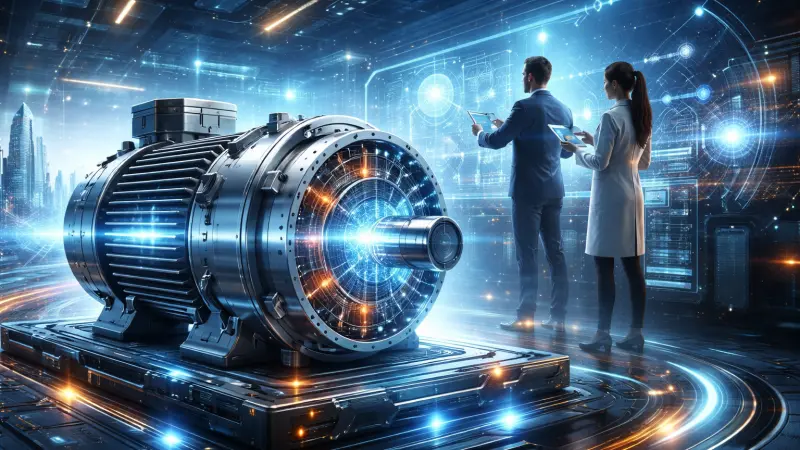
Did you know that the transition to a net-zero economy hinges not just on how we generate electricity, but on the sheer scale at which we can convert that energy into mechanical motion? While the world has become accustomed to the quiet hum of electric cars, a much larger revolution is brewing in the high-power industrial sector. The emergence of the megawatt-scale electric motor is no longer a theoretical pursuit; it is a tangible engineering milestone that promises to decarbonise some of the most "hard-to-abate" sectors in the United Kingdom and beyond.

The Engineering Breakthrough The One-Megawatt Milestone
For decades, the primary constraint for large-scale electric propulsion has been the "power-to-weight" ratio. In simple terms, while an electric motor is far more efficient than an internal combustion engine, the weight of the motor and its associated cooling systems often became prohibitive at higher power outputs. However, recent breakthroughs by engineers at institutions such as MIT have fundamentally altered this trajectory.
The development of a one-megawatt (1MW) motor represents a "goldilocks" moment in electrical engineering. This specific power level is the threshold required to move beyond light passenger vehicles and into the realm of regional aviation, heavy maritime shipping, and massive industrial compressors. By utilising high-speed rotors lined with complex magnet arrays and stators featuring intricate copper windings, these motors can now achieve a specific power of approximately 12 kW/kg. To put this in perspective, this is nearly double the capability of traditional industrial motors, making the dream of electric flight for 50-100 passenger aircraft a mathematical reality.
Anatomy of a High-Performance Motor
The success of these megawatt-class machines relies on three critical pillars of innovation:
- Rotor Dynamics: High-speed rotors must withstand immense centrifugal forces while maintaining precise alignment. Advanced composite materials and neodymium magnet configurations are employed to ensure stability at tens of thousands of revolutions per minute.
- Thermal Management: Generating a megawatt of power produces significant heat. Innovative liquid-cooling systems and integrated heat exchangers are now built directly into the motor housing, preventing the "core saturation" that traditionally limits torque.
- Power Electronics: Modern silicon carbide (SiC) inverters allow for the rapid switching of high voltages with minimal energy loss, ensuring that the electricity drawn from batteries or fuel cells is converted into torque with upwards of 95% efficiency.
Decarbonising the Skies: Aviation and Regional Travel
In the United Kingdom, the aerospace sector is a cornerstone of the national economy. With the government’s "Jet Zero" strategy aiming for net-zero aviation by 2050, the demand for megawatt electric motors has reached a fever pitch. While small, two-seater electric trainers have been flying for years, they lack the power for commercial viability. The 1MW motor changes the calculus entirely.
Regional flights—those connecting hubs like London, Manchester, and Edinburgh—are the primary targets for this technology. A hybrid-electric propulsion system, where a megawatt motor supplements a traditional gas turbine during take-off, could reduce fuel burn by up to 30%. In fully electric configurations, these motors could power short-haul "puddle-jumper" routes, virtually eliminating carbon emissions and significantly reducing noise pollution for communities living near airports.
Revolutionising UK Manufacturing and Industry 4.0
Beyond transportation, the British industrial landscape is undergoing a silent transformation. Manufacturing 4.0—the integration of smart technology into production—requires highly controllable and efficient prime movers. Megawatt electric motors are becoming the beating heart of the UK's "Gigafactories" and steelworks.
Traditional industrial processes often rely on oversized, inefficient AC motors that run at constant speeds, wasting energy through mechanical throttling.
Modern megawatt motors, paired with Variable Frequency Drives (VFDs), allow for precise control over torque and speed. This is essential in applications such as:
- Lithium-Ion Battery Production: Precise tension control in electrode coating lines.
- Data Centre Cooling: High-capacity fans that must adjust instantly to server heat loads.
- Additive Manufacturing: Powering the large-scale industrial 3D printers that are beginning to replace traditional casting methods.
Renewable Energy and Grid Stability
As the UK expands its offshore wind capacity in the North Sea, the role of megawatt-class electrical machines becomes even more vital. It is a common misconception that electric motors and generators are different entities; in reality, they are two sides of the same coin. The same innovations driving the 1MW motor are being used to create more efficient wind turbine generators.
Furthermore, pumped-storage hydroelectric systems—essentially giant "water batteries"—use megawatt motors to pump water uphill during periods of low demand. When the grid needs a boost, the process is reversed. The efficiency of these motors directly impacts the "round-trip efficiency" of our national energy storage, making them a key component in the UK's energy security strategy.
The Maritime Shift: From Diesel to Deep-Sea Electric
The maritime industry is responsible for nearly 3% of global CO2 emissions. For UK shipping firms, the transition away from heavy fuel oil (HFO) is both a regulatory necessity and an economic opportunity. Large electric motors are now being deployed as primary propulsion units in ferries, offshore supply vessels (OSVs), and even deep-sea ROVs (Remotely Operated Vehicles).
Electric propulsion in marine environments offers several distinct advantages:
- Reliability: Electric motors have significantly fewer moving parts than diesel engines, reducing the risk of mid-ocean mechanical failure.
- Acoustic Protection: Reduced underwater noise is critical for marine life and for specialised research vessels.
- Space Efficiency: Without the need for massive exhaust stacks and complex fuel lines, ship designers can optimise cargo space.
Challenges in the Oil and Gas Transition
It is an irony of the modern age that the oil and gas industry is one of the largest consumers of megawatt electric motors. To extract and transport fossil fuels, massive amounts of energy are required to power drilling rigs and pipeline compressors. Traditionally, these have been powered by "gas basher" turbines that bleed methane and emit CO2.
The "Electrification of the Oil Patch" is a growing trend where operators replace these turbines with high-efficiency electric motors. While this does not solve the problem of the end-product's emissions, it significantly reduces the "carbon intensity" of the extraction process. However, this transition must be handled with care to ensure that the electricity powering these motors comes from renewable sources, otherwise, the environmental benefit is merely displaced rather than eliminated.
Mining, Mineral Processing, and the Green Tech Supply Chain
The irony of the "Green Revolution" is that it requires an immense amount of mining for minerals like copper, lithium, and cobalt.
UK-based mining equipment manufacturers are now looking at megawatt motors to power the next generation of "zero-emission mines."
In mineral processing, the crushing and grinding of ore are incredibly energy-intensive. By implementing 1MW+ motors with advanced thermal management, processing plants can operate at higher capacities with lower energy overheads. This not only cuts costs for SMEs in the supply chain but also aligns with the ESG (Environmental, Social, and Governance) targets that modern investors demand.
The Agricultural Frontier: Precision and Sustainability
Agriculture may seem like a low-tech sector, but in the UK, it is a hotbed of innovation. Megawatt motors are finding their way into large-scale irrigation systems and grain processing facilities. As farmers face rising energy costs and stricter water usage regulations, the efficiency of electric motors becomes a competitive advantage.
Moreover, the rise of "robotic agriculture" involves large, automated machinery that requires high torque at low speeds—a perfect use case for electric propulsion. By reducing the reliance on diesel tractors, the UK agricultural sector can significantly lower its carbon footprint while improving soil health through reduced compaction (as electric systems allow for more distributed weight architectures).
Infrastructure and Rail: Connecting the Nation
The UK's rail network is already a leader in electrification, but the next step involves moving beyond overhead wires. For "last-mile" freight and regional lines where electrification is too expensive to install, battery-electric locomotives powered by megawatt motors are the solution. These trains can charge under the wires and then run on battery power through non-electrified sections, providing a seamless, carbon-free transport link for British industry.
Frequently Asked Questions
What is a megawatt electric motor?
A megawatt electric motor is an electrical machine capable of producing 1,000 kilowatts (1MW) of power.
These are typically used in heavy industrial, maritime, and aerospace applications where high torque and high power-to-weight ratios are required.
How do these motors help the UK reach Net Zero?
By replacing traditional internal combustion engines in sectors like aviation, shipping, and heavy manufacturing, these motors eliminate tailpipe emissions. When powered by renewable energy, they provide a path to entirely carbon-neutral operations.
Are electric motors cheaper to maintain than diesel engines?
Yes, generally. Electric motors have fewer moving parts, no need for complex exhaust treatment systems, and longer service intervals. This leads to significantly lower Total Cost of Ownership (TCO) for UK businesses and contractors.
Can a 1MW motor really power a commercial aeroplane?
A single 1MW motor can power a small regional aircraft or a hybrid system for a larger jet. To power a Boeing 737-sized aircraft entirely with electricity, multiple megawatt-scale motors would be required, along with significant advances in battery density.
What cooling methods are used for these high-power motors?
Most megawatt motors use liquid cooling (often a water-glycol mix) or advanced heat pipes. Some cutting-edge designs for aviation are exploring cryogenic cooling to achieve even higher efficiencies.

Disclaimer: The information provided in this article is for general informational and research purposes only. Company details, features, services, and market positions may change over time. Readers are advised to visit official company websites and conduct independent research before making any business decisions or purchasing services.
Most Searchable Keywords

Recent Blogs



Related Listings
-

Welton Renewables and Electrical
-
EV Home Charger UK
-

A1 Gas Force Nuneaton
-
A1 Gas Force Warwick
-

A1 Gas Force Solihull


Categories
- Accountants (295)
- Advertising Agencies (559)
- Architects (149)
- Automobiles (377)
- Beauty (300)
- Carpenters (146)
- Cleaning Services (386)
- Dentists (189)
- Driving (62)
- Electricians (215)
- Energy (8)
- Event Organiser (685)
- Finance (599)
- Guide (3365)
- Health (2207)
- Information technology (206)
- Legal Services (353)
- Logistics (6)
- Maintenance (65)
- Manufacturing (35)

Sponsored Listings in Electricians
Related Blogs

Gen Z Political Reporters and News Creators i...
Read this insightful article "Gen Z Political Reporters and News Creators in the UK" to expand your knowledge!

Famous Female Social Media Influencers Across...
Read this insightful article "Famous Female Social Media Influencers Across the UK" to expand your knowledge!

Your UK Sponsor Licence 2026 Step by Step Gui...
Read this insightful article "Your UK Sponsor Licence 2026 Step by Step Guide" to expand your knowledge!
Questions & Answers – Find What
You Need, Instantly!
How can I update my business listing?
Is it free to manage my business listing?
How long does it take for my updates to reflect?
Why is it important to keep my listing updated?
