
Mobile Catering Services for Events, Festivals & Private Functions: The Comprehensive UK Guide
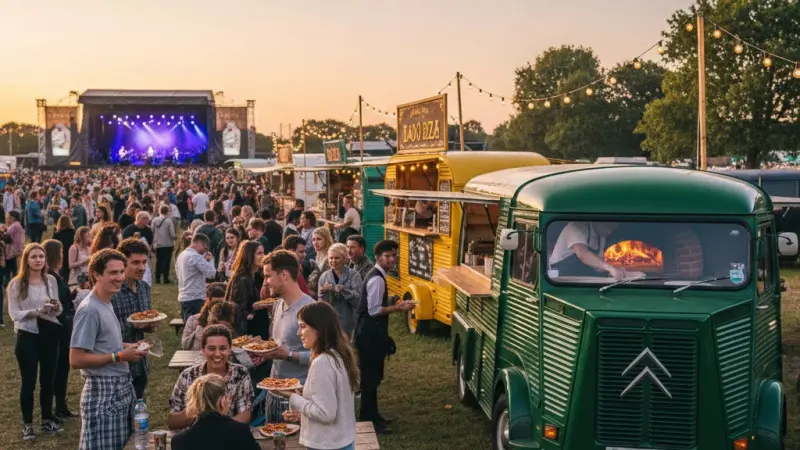
The mobile catering sector in the United Kingdom has undergone a remarkable transformation, evolving from simple roadside "greasy spoons" into a sophisticated, multi-billion-pound industry that sits at the heart of the nation’s hospitality landscape. Today, Catering – Mobile services represent more than just a convenient meal; they are an essential component of the UK’s cultural and economic fabric. From high-end weddings and corporate retreats to the sprawling muddy fields of Glastonbury, mobile food units provide the fuel for Britain’s most iconic social gatherings.
Economically, the sector is a powerhouse of entrepreneurship. It provides a low-barrier entry point for culinary talent, allowing chefs to bypass the extortionate overheads associated with traditional brick-and-mortar restaurants. This agility has allowed a diverse range of uk small business directory members to flourish, bringing global flavours to local high streets and private venues. The contribution to the UK Treasury is significant, supported by thousands of independent operators, family-run vans, and sophisticated fleet-based franchises.
Beyond the balance sheets, mobile catering serves a critical social function. It democratises gourmet food, making high-quality, artisan cuisine accessible in varied environments. The sector’s growth is intrinsically linked to the "experience economy," where consumers prioritise unique, memorable interactions over material goods. Whether it is a wood-fired pizza at a village fete or a vegan bao bun at a tech conference, the mobile caterer is the architect of the event's atmosphere. To help consumers and event planners navigate this vibrant market, many turn to a uk business directory to identify vetted, high-quality professionals who can deliver safe and delicious experiences.
The Landscape of Catering – Mobile in the UK
The current market for mobile catering in Britain is characterised by its resilience and rapid adaptation. Following the seismic shifts of the early 2020s, the industry has emerged leaner, more tech-savvy, and more focused on quality than ever before. Market reports suggest that the street food and mobile catering sector is outperforming the traditional restaurant sector in terms of percentage growth year-on-year. This is driven by a consumer shift towards "grab-and-go" dining and the increasing popularity of outdoor events.
Key regions of activity remain concentrated in major urban hubs like London, Manchester, Birmingham, and Bristol, where street food markets have become permanent fixtures. However, there has been a notable surge in rural and coastal activity as "staycations" remain popular. Post-pandemic, many mobile caterers shifted their business models from festival-only schedules to serving local neighbourhoods and business parks, a trend that has persisted. This hyper-local focus has made it vital for operators to be listed on a uk local business directory to ensure that residents can find them during their weekly rotations.
The evolution of the industry is also marked by a "premiumisation" of the offering. The modern British consumer is more discerning, often seeking out specific dietary options such as gluten-free, keto, or sustainably sourced ingredients. The pandemic acted as a catalyst for this evolution, forcing businesses to adopt digital ordering systems, contactless payments, and a stronger social media presence. As a result, the industry has moved away from its "fast food" reputation towards a "fast casual" or "gourmet" identity. For those looking to enter this competitive space, securing a business listing uk is the first step in establishing a digital footprint that reflects this new professional standard.
Comprehensive Services Breakdown
The diversity of products within the UK mobile catering niche is staggering. To understand the sector, one must look at the specific service models that cater to different event types:
Street Food Markets: Often found in city centres or repurposed industrial spaces, these involve multiple traders. The focus is on high-volume, high-quality, niche cuisine.
Private Functions & Weddings: This is a high-margin sector where caterers provide bespoke menus. The aesthetic of the vehicle (e.g., a vintage Citroën H Van or a converted horsebox) is often as important as the food itself.
Corporate Hospitality: Companies hire mobile units to provide a "fun" alternative to traditional buffets for team-building days or product launches.
Major Festivals & Sporting Events: These require massive scale and logistical precision, often involving 24-hour operations.
The range of products spans every conceivable global cuisine. We have seen a massive rise in artisan coffee units, craft beer bars, and cocktail trailers. On the food side, wood-fired pizzas, gourmet burgers, halloumi fries, and authentic Indian or Thai street food remain staples. However, there is a growing trend towards health-conscious mobile units offering poke bowls, fresh juices, and plant-based alternatives.
Logistics play a massive role in these services. A mobile caterer must be a master of power management, water supply, and waste disposal. Unlike a kitchen with a mains connection, a mobile unit is an island. This complexity is why savvy event planners use a business listing uk to find operators who are not only chefs but also skilled logisticians capable of operating in remote locations without failure.
How to Choose the Right Service Provider
Selecting a mobile caterer is a decision that can make or break an event. In the UK, the regulatory environment is strict, and consumers must do their due diligence. The primary marker of a professional is their Food Hygiene Rating, issued by the local authority. A rating of 4 or 5 is the industry standard for excellence.
Accreditations from bodies like NCASS (The Nationwide Caterers Association) indicate that the business is committed to best practices. Furthermore, any reputable provider must hold Public Liability Insurance (usually a minimum of £5 million) and have up-to-date gas and electrical safety certificates (PAT and CP44). When searching through local business listings uk, planners should look for verified badges or links to these documents.
Reviews and local reputation are the ultimate currency in this industry. A business might have a beautiful website, but their "on-the-ground" performance at a high-pressure festival is what matters. Checking a uk service listings site for honest customer feedback and photos of the actual setup at previous events is essential. Reliability is the most cited concern for event organisers; ensuring your caterer has a track record of showing up on time and being fully stocked is paramount.
Industry Challenges & Future Outlook
The road ahead for mobile catering is paved with both opportunity and significant challenges. The most pressing issue currently is the rising cost of goods and energy. As a high-energy-use industry, the cost of LPG (Liquid Petroleum Gas) and diesel for generators has squeezed margins. This is driving a shift towards green technology. We are seeing more trailers fitted with solar panels and high-capacity battery storage systems to reduce reliance on noisy, polluting generators.
Sustainability is no longer an "extra"; it is a requirement. Many UK festivals now mandate that caterers use 100% compostable packaging and strictly manage their food waste. Regulatory changes, particularly concerning Clean Air Zones (CAZ) and Ultra Low Emission Zones (ULEZ) in cities like London, are forcing operators to upgrade their towing vehicles or face heavy daily charges.
To stay ahead, professionals are using tools like a business listing uk to reduce their marketing spend while focusing their capital on these necessary equipment upgrades. The future will likely see even more integration with AI for stock management and the use of electric-powered mobile kitchens as the infrastructure for charging improves across the UK.
Business Tips for Catering – Mobile Professionals
For those operating a mobile catering business, visibility is everything. In a world where people eat with their eyes, your digital presence must be as appetising as your menu. High-quality photography on Instagram and TikTok is non-negotiable for capturing the "foodie" demographic. However, social media is fleeting; you need a permanent home online where customers can find your contact details and booking information.
Local SEO (Search Engine Optimisation) is the secret weapon for the mobile caterer. Because your "office" moves, you must ensure you appear in searches for "caterer near me" in every location you visit.
This is where uk verified business listings become invaluable. By listing your business on a reputable platform, you gain a high-authority backlink and a place in a structured database that search engines trust.
Networking within the industry is also vital. Joining forces with local breweries or event spaces can lead to "pop-up" residencies that provide a steady income between the big festival dates. Don't underestimate the power of being part of a uk top rated local businesses list; it builds immediate trust with high-value corporate clients who are looking for the best in the business.
Wrapping Up & Local Page Integration
The mobile catering industry is a testament to British creativity and grit. It is a sector that thrives on variety, quality, and the sheer joy of feeding people in unique settings. As the industry continues to professionalise, the gap between the hobbyist and the professional caterer is widening. For consumers, the challenge is finding the gems in a crowded market. For businesses, the challenge is standing out.
Whether you are looking for a pizza van for a 21st birthday party or you are a business owner trying to reach more event planners, the solution lies in a robust, searchable network. The find local businesses uk platform provides exactly this. It bridges the gap between the artisan in the van and the customer on the sofa. By centralising information and verifying providers, it ensures the UK mobile catering scene remains world-class.
Boost Your Visibility with Local Page UK
In the fast-paced world of mobile catering, if you aren't visible, you don't exist. Event organisers are increasingly moving away from generic search engines and towards dedicated platforms to find reliable talent. To ensure your van is the one being booked for the next big festival or corporate gig, you need a presence on a platform that understands the UK market.
We encourage all mobile catering professionals to claim their business listing uk on Local Page UK. This simple step puts your brand in front of thousands of potential clients, improves your local SEO, and provides you with a professional digital storefront. Don't let your competitors take your spot on the "digital high street"—get listed today and watch your bookings grow.
FAQ Section
1. What are the legal requirements to start a mobile catering business in the UK?
To operate legally, you must register your business with your local authority’s Environmental Health department at least 28 days before trading. You will need a Food Hygiene Certificate (usually Level 2 for handlers), a written Food Safety Management System based on HACCP principles, and valid insurance. Additionally, if you use gas or electricity, you must have annual safety certificates (CP44 for gas and PAT testing for electrics) issued by qualified engineers.
2. How much does it cost to set up a mobile catering unit?
Costs vary wildly depending on your ambition. A basic second-hand trailer might cost £5,000 to £10,000, while a fully bespoke, high-end motorised food truck can exceed £50,000 to £100,000. Beyond the vehicle, you must budget for stock, branding, pitch fees, insurance, and marketing. Many successful startups begin with a gazebo-style setup for under £3,000 to test their concept before investing in a permanent vehicle.
3. Do I need a special driving licence to tow a catering trailer?
This depends on when you passed your driving test and the weight of the trailer. Since late 2021, most UK drivers can tow trailers up to 3,500kg MAM (Maximum Authorised Mass) without a separate test.
However, it is vital to check your specific licence categories (usually found on the back of the card) and ensure your towing vehicle’s "train weight" is not exceeded, as being overweight can invalidate your insurance.
4. What is the average pitch fee at a UK music festival?
Pitch fees are one of the highest expenses for a mobile caterer. Small local fetes might charge £50–£100 per day, while major festivals like Reading or Leeds can charge anywhere from £2,000 to £10,000+, or a percentage of your turnover (typically 20-30%). It is a high-risk, high-reward environment; you must calculate how many portions you need to sell just to break even on the fee alone.
5. How can I find local events to trade at?
The best way to find opportunities is through networking and using a dedicated Localpage to see where other businesses are active. You can also contact local councils for information on street trading pitches, join Facebook groups for UK market traders, or use event platforms that connect organisers with caterers. Building a strong reputation will eventually lead to event organisers approaching you directly.
6. What is a Food Hygiene Rating and why is it important?
The Food Hygiene Rating Scheme (FHRS) is a partnership between the Food Standards Agency and local authorities. After an inspection, you are given a rating from 0 (urgent improvement necessary) to 5 (very good). This rating is published online and is often the first thing a savvy customer or event organiser checks. A rating below 4 can significantly hinder your ability to secure pitches at high-quality events.
7. How do mobile caterers handle waste and greywater?
Environmental responsibility is a key part of modern catering. You must have a contract with a commercial waste provider for your rubbish and never use public bins. Greywater (sink waste) must be collected in a sealed tank and disposed of at a designated disposal point. Emptying grease or waste water into a storm drain is illegal and can lead to heavy fines and the loss of your trading licence.
8. Is it better to have a van or a trailer?
Vans (motorised) are easier to park and more compact, but if the engine fails, your kitchen is stuck in the garage. Trailers offer more internal space and can be unhitched, allowing you to use your towing vehicle for supply runs. Trailers are generally cheaper to maintain and insure, but they require more skill to manoeuvre and a suitable vehicle to tow them safely to different sites.
9. Can I run a mobile catering business from my home kitchen?
While you can do prep work at home, your home kitchen must be inspected and approved by Environmental Health just like your mobile unit. You must keep your domestic and business food separate and maintain the same rigorous cleaning and temperature logs. Most professional mobile caterers eventually move to a dedicated "dark kitchen" or unit to keep their business and personal lives distinct.
10. What kind of insurance do I need for mobile catering?
At a minimum, you need Public Liability Insurance to cover injuries to the public or damage to property. You also need Product Liability Insurance in case someone gets ill from your food. If you have any employees (even casual staff), Employers' Liability Insurance is a legal requirement. Finally, make sure your vehicle insurance covers "carriage of goods for hire and reward" and that your catering equipment is covered for fire and theft.
11. How do I manage power in a remote field?
Most caterers use LPG for cooking as it is efficient and portable. For electricity (lights, fridges, pumps), you can use a petrol or diesel generator, though many festivals now require "silent" or "green" power. Increasingly, caterers are investing in Lithium battery power stations and solar arrays. Always have a backup plan, as a power failure in the middle of a rush can result in significant lost revenue.
12. What are the most popular street food trends in the UK right now?
Current trends include "fusion" cuisines (like Korean Tacos), high-quality plant-based comfort food, and "loaded" items (like brisket fries). Sustainability is also a trend, with customers favouring traders who use local ingredients and zero-plastic packaging. However, traditional favourites like wood-fired pizza and gourmet burgers remain the most reliable "big sellers" because of their broad family appeal and speed of service.
13. How do I price my menu for a mobile unit?
Your pricing must reflect your "Cost of Goods Sold" (COGS), but also account for high overheads like pitch fees, travel, and gas. A common mistake is pricing too low. Remember, you aren't just selling a burger; you are selling the convenience of that burger being in a remote field. Most successful traders aim for a gross profit margin of 70% or higher to ensure the business remains sustainable after all costs.
14. How do I handle allergens in a small mobile kitchen?
Allergen management is a legal requirement under Natasha’s Law. You must clearly display allergen information for all your dishes. In a small mobile unit, cross-contamination is a high risk, so you must have
strict protocols, separate utensils for specific ingredients, and be honest with customers if you cannot guarantee a 100% allergen-free environment due to the confined space of the kitchen.
15. What is the best way to market my mobile catering business locally?
Consistency is key. Use social media to announce your locations in advance and encourage customers to tag you in photos. Ensure your business is listed in a high-quality Local page so that when people search for local services, your name appears at the top. Collect email addresses for a newsletter and consider offering a "loyalty card" for regular spots to build a community of repeat customers.
Disclaimer: The information provided in this article is for general informational and research purposes only. Company details, features, services, and market positions may change over time. Readers are advised to visit official company websites and conduct independent research before making any business decisions or purchasing services.
Most Searchable Keywords
Recent Blogs


Related Listings
Categories
- Accountants (295)
- Advertising Agencies (559)
- Architects (149)
- Automobiles (377)
- Beauty (300)
- Carpenters (146)
- Cleaning Services (387)
- Dentists (189)
- Driving (62)
- Electricians (215)
- Energy (8)
- Event Organiser (686)
- Finance (602)
- Guide (3375)
- Health (2207)
- Information technology (206)
- Legal Services (354)
- Logistics (6)
- Maintenance (65)
- Manufacturing (35)
Sponsored Listings in Entertainment Services



Related Blogs

UK Actresses Rich List 2026 Meet the Highest...
Read this insightful article "UK Actresses Rich List 2026 Meet the Highest Earning Stars" to expand your knowledge!

BBC Radio 2 Presenters Family Age and Net Wor...
Read this insightful article "BBC Radio 2 Presenters Family Age and Net Worth Guide" to expand your knowledge!

Step-by-Step Guide to Claiming a TV Licence D...
Read this insightful article "Step-by-Step Guide to Claiming a TV Licence Discount or Exemption" to expand your knowledge!
Questions & Answers – Find What
You Need, Instantly!
How can I update my business listing?
Is it free to manage my business listing?
How long does it take for my updates to reflect?
Why is it important to keep my listing updated?
