
Mobile Marketing Innovations for UK Insurance Companies
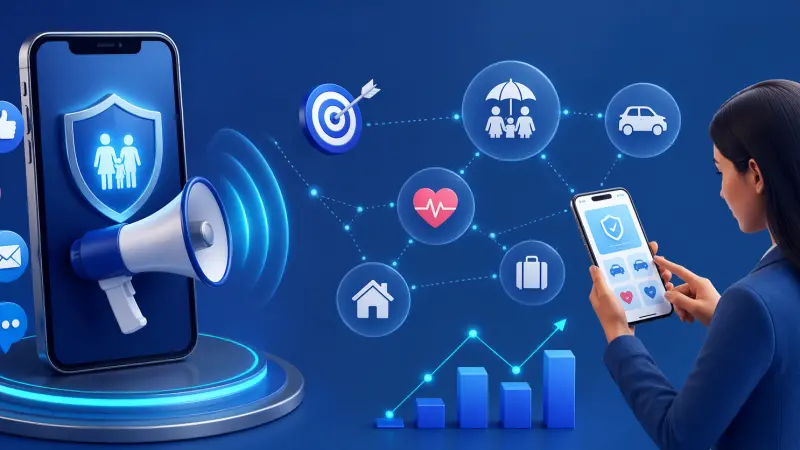
How often do you check your smartphone before even putting the kettle on in the morning? For the modern UK consumer, the mobile device is no longer just a communication tool; it is a primary interface for managing every aspect of life, including financial security. Mobile marketing for insurance companies has undergone a radical transformation, shifting from simple SMS alerts to sophisticated, AI-driven ecosystems that predict user needs before they are explicitly stated. In a market as competitive as the United Kingdom, where "Insurtech" is disrupting traditional models, firms are forced to innovate or risk obsolescence. This article explores the cutting-edge trends and technological shifts that are currently redefining how British insurers engage with their policyholders through mobile channels, ensuring that the digital customer journey is as seamless as it is secure.

The landscape of the UK insurance sector is currently being reshaped by a "mobile-first" philosophy that transcends mere responsive web design. Today, the primary keyword driving the industry is the integration of real-time data with mobile accessibility. Insurers are moving away from the static, annual renewal model toward a continuous engagement strategy. By leveraging the sensors within smartphones, companies can now offer usage-based insurance (UBI) that rewards safe driving or healthy lifestyles. This transition requires a masterful approach to mobile marketing, where the value proposition is centered on transparency, speed, and utility. As we delve into the specific innovations, it becomes clear that the goal is to transform the perception of insurance from a "grudge purchase" into a helpful, proactive service that lives right in the pocket of the consumer.
The Rise of Hyper-Personalisation via Machine Learning
One of the most significant trends in the UK insurance market is the deployment of hyper-personalisation through mobile applications. Gone are the days of generic email blasts; today’s mobile marketing relies on machine learning algorithms that analyse user behaviour within the app to deliver bespoke content. For instance, if a user frequently views travel insurance options during the summer months, the mobile platform can automatically surface relevant "top-up" covers or travel safety tips via push notifications. This level of granular targeting ensures that the marketing remains informational rather than intrusive. By providing value-added content—such as local weather warnings for homeowners or currency exchange tips for travellers—insurance companies build trust and brand loyalty, which are essential for long-term retention in a crowded financial landscape.
Furthermore, hyper-personalisation extends to the very pricing of the products offered through mobile interfaces. Dynamic pricing models allow insurers to offer "flash" discounts or modified premiums based on real-time risk assessments. In the UK, where the cost of living remains a significant concern, the ability to receive a notification offering a lower premium based on recent positive behaviours is incredibly powerful. This creates a feedback loop where the consumer is incentivised to engage with the mobile app regularly. The marketing challenge here is to communicate these complex algorithmic benefits in simple, British English that avoids jargon. Clarity is paramount; when a mobile user understands exactly why they are receiving a specific offer, the conversion rates for upsells and cross-sells increase significantly compared to traditional marketing methods.
Additionally, the use of predictive analytics allows insurers to identify "moments of truth" in the customer lifecycle. If a mobile user's location data suggests they are at a car dealership, a well-timed, non-aggressive notification regarding gap insurance or a new vehicle policy can be highly effective. This is not about surveillance, but about contextual relevance. The innovation lies in the timing and the delivery mechanism. By using rich media push notifications—which can include short videos or interactive buttons—insurers can simplify the decision-making process. These mobile marketing efforts are designed to reduce friction, allowing the user to secure coverage with just a few taps, thereby aligning the insurance purchase with the fast-paced nature of modern digital commerce in the United Kingdom.
Telematics and the Internet of Things (IoT) Integration
Telematics has moved from being a niche offering for young drivers to a mainstream pillar of mobile marketing for insurance companies in Britain. By integrating smartphone GPS and accelerometer data, insurers can create a highly engaging "gamified" experience. Mobile apps now provide drivers with a "safety score," offering tips on how to improve braking or cornering. This turns a functional app into a daily companion. Marketing these features focuses on the concept of empowerment; the consumer is no longer a passive participant but has direct control over their insurance costs. This shift is particularly resonant with the environmentally conscious UK demographic, as smoother driving often equates to better fuel efficiency and lower carbon emissions, providing a secondary marketing angle for corporate social responsibility.
Beyond motor insurance, the Internet of Things (IoT) is opening new frontiers in home and health coverage. Mobile marketing strategies are increasingly highlighting the benefits of "smart home" integrations. Insurers might partner with technology firms to offer discounted smart water leak detectors or smoke alarms, which then sync with the insurance app.
The marketing narrative here focuses on prevention rather than just cure. By positioning the insurer as a partner in risk mitigation, the mobile app becomes a dashboard for safety. This constant touchpoint allows for more frequent, positive interactions, which is a significant departure from the traditional model where the only contact occurred during a claim or a renewal, both of which are often associated with stress or financial outlay.
The health insurance sector is also seeing a surge in mobile innovation through the use of wearable integration. Marketing campaigns often highlight how synced data from a smartwatch can lead to rewards, such as discounted gym memberships or even lower premiums. In the UK, where the NHS is under pressure, private medical insurers are using mobile marketing to promote their "digital GP" services. These services allow policyholders to book video consultations directly through the app. The marketing focus here is on convenience and speed of access to care. By emphasizing these mobile-exclusive benefits, insurance companies are able to differentiate themselves in a competitive market, appealing to busy professionals who value their time as much as their health coverage.
Augmented Reality (AR) for Claims and Education
Augmented Reality (AR) is emerging as a powerful tool for both marketing and functional utility within insurance mobile apps. Imagine a homeowner being able to point their phone camera at a room and have the app "scan" and estimate the value of their contents for a more accurate contents insurance quote. This innovation simplifies a traditionally tedious task and serves as a fantastic marketing hook. It demonstrates technical prowess and a commitment to user-friendly experiences. UK insurers are beginning to use these AR features to educate customers on potential risks, such as showing a virtual "flood line" in a living room to explain the importance of flood cover in high-risk areas, making the abstract nature of risk much more tangible and urgent.
In the event of a claim, AR can be used to guide a user through the documentation process. For a minor car accident, the mobile app can overlay digital markers on the vehicle to show the user exactly which photos are required for the assessment. Marketing this capability is key to attracting customers who are wary of the "claims headache." By showcasing a "stress-free claims" process via mobile AR, insurers can significantly improve their Net Promoter Scores (NPS). This transparency builds a narrative of reliability and support. In the UK market, where consumer trust in financial institutions can vary, being able to demonstrate a clear, technologically-aided path to resolution is a major competitive advantage that features heavily in modern digital advertising campaigns.
Education is another area where AR shines in mobile marketing. Interactive brochures that come to life when viewed through a smartphone camera can explain complex policy exclusions or terms and conditions in a visual format. This helps in meeting regulatory requirements for "clear, fair, and not misleading" communications while keeping the user engaged. Instead of a 40-page PDF, the consumer interacts with a 3D model or an animated infographic. This innovation in content delivery is part of a broader trend of "edutainment," where marketing material provides genuine educational value, helping the consumer make informed choices about their financial protection without feeling overwhelmed by legalistic language.
Voice Search and Conversational AI Chatbots
As the use of smart speakers and voice assistants like Siri and Alexa grows in UK households, insurance companies are optimising their mobile marketing for voice search. This involves moving away from short-tail keywords to more natural, conversational long-tail queries. A user might ask their phone, "What's the best life insurance for a new dad in London?" and insurers want their mobile-optimised content to be the top answer. This shift requires a deep understanding of natural language processing (NLP). Mobile marketing content is now being written to mirror how people speak, ensuring that the brand remains visible in the burgeoning "v-commerce" (voice commerce) space, which is becoming a vital part of the discovery phase for financial products.
Conversational AI chatbots within mobile apps have also evolved from simple script-followers to sophisticated assistants capable of handling complex queries. These bots are available 24/7, providing instant gratification to the mobile user. From a marketing perspective, the chatbot is a data-gathering powerhouse. It can qualify leads, answer frequently asked questions, and even guide a user through the initial stages of an application.
The innovation here lies in the "human-like" interaction; the best chatbots use a tone that is helpful and empathetic, reflecting the brand's values. For UK insurers, this means providing a service that feels local and accessible, even if the underlying technology is global and automated.
The integration of these chatbots with messaging platforms like WhatsApp is another growing trend in the UK. Many consumers prefer the familiar interface of a messaging app over a dedicated insurance app for quick queries. Marketing teams are leveraging this by offering "concierge" services via WhatsApp, where users can request copies of their insurance certificates or ask about their remaining no-claims discount. This level of accessibility is a powerful marketing message: "We are where you are." By meeting the customer on their preferred mobile platform, insurers reduce the barriers to communication, fostering a relationship that feels more like a modern service partnership than a traditional, distant corporate contract.
The Importance of Mobile Security and Trust
In the realm of financial services, no marketing innovation is effective if the underlying platform is not perceived as secure. UK insurance companies are investing heavily in biometric authentication—such as FaceID and fingerprint scanning—and marketing these features as essential for consumer protection. The narrative focuses on "banking-grade security" for your insurance data. This is particularly important as mobile apps now hold sensitive personal and financial information, including bank details and health records. Marketing these security measures helps alleviate "digital anxiety," a common barrier for older demographics in the UK who may be more hesitant to manage their insurance entirely via a mobile device.
Blockchain technology is also being explored to enhance transparency and security in mobile transactions. While still in its early stages of consumer-facing applications, the concept of a "tamper-proof" policy stored on a distributed ledger is a compelling marketing story for the future. It speaks to a commitment to absolute honesty and the elimination of "small print" surprises. In the UK, where the Financial Conduct Authority (FCA) maintains strict standards on consumer protection, innovations that enhance transparency are not just good for business; they are essential for compliance. Highlighting these technical safeguards in mobile marketing materials reinforces the image of a forward-thinking, trustworthy institution that takes its fiduciary responsibilities seriously.
Furthermore, the ethical use of data is becoming a central theme in mobile marketing. As insurers collect more data via mobile sensors, they must clearly communicate how this data is used and protected. "Data privacy as a feature" is a growing trend. Marketing that emphasizes "your data, your control" allows users to opt-in or out of specific tracking features easily. This transparency is a key differentiator. In a post-GDPR world, UK consumers are more aware of their data rights than ever before. Insurers that proactively address these concerns in their mobile interfaces providing clear, easy-to-read privacy dashboards—will win the trust of the "conscious consumer" who values privacy as much as convenience.
Summary of Key Mobile Marketing Innovations
- AI-Driven Hyper-Personalisation: Delivering bespoke offers and content based on real-time app behaviour and predictive analytics.
- Telematics & Gamification: Using smartphone sensors to reward safe behaviour and engage users through interactive scoring.
- Augmented Reality (AR): Simplifying claims through visual overlays and making risk education interactive and tangible.
- Conversational AI & Voice Search: Optimising for natural language queries and providing 24/7 support via sophisticated chatbots.
- Biometric Security: Building trust by highlighting advanced mobile security features to protect sensitive financial data.
- IoT Integration: Connecting home and health sensors to the mobile app for proactive risk mitigation and prevention.
Frequently Asked Questions
What are the benefits of using a mobile app for insurance?
Mobile apps offer unparalleled convenience, allowing you to manage your policy, update personal details, and file claims instantly.
Many UK insurers also offer app-exclusive features like "Digital GP" consultations, real-time breakdown tracking, and personalised rewards for safe driving or healthy habits.
Is my data safe with an insurance mobile app?
Yes, reputable UK insurance companies use banking-grade encryption and biometric authentication (like FaceID or fingerprint recognition) to ensure your data is secure. They are also strictly regulated by the FCA and must comply with UK GDPR standards regarding data privacy and protection.
Can a mobile app really lower my insurance premiums?
In many cases, yes. Apps that use telematics to track driving behaviour or sync with fitness trackers can provide data that proves you are a lower-risk customer. Many insurers offer "usage-based" or "pay-as-you-drive" policies through their apps, which can lead to significant savings compared to traditional fixed-rate policies.
How do I file a claim using my smartphone?
Most modern insurance apps have a dedicated "Claims" button. You can use your phone's camera to take photos of the damage, upload necessary documents, and even track the progress of your claim in real-time. Some apps even use Augmented Reality to guide you through the process, ensuring you capture all the required information.
Will insurers use my mobile location data?
Insurers may use location data if you have opted in, typically for features like telematics, local weather alerts, or identifying nearby approved repair shops. You have control over these permissions through your phone's settings and the app's privacy dashboard, as per UK data protection laws.
Do I need a smartphone to have insurance in the UK?
While most insurers still offer web and phone-based services, many of the newest and most competitive "Insurtech" brands are mobile-only. Using a smartphone allows you to access the most innovative features and often the most competitive pricing in the current market.
How is AI changing mobile marketing for insurance?
AI allows insurers to move from broad marketing to hyper-personalisation. It predicts when you might need a specific cover and provides helpful, relevant information at the right time.
AI-driven chatbots also provide instant support, making the insurance experience much more responsive and user-centric.
In conclusion, the innovations in mobile marketing for insurance companies are fundamentally changing the relationship between the provider and the policyholder. By moving toward a model of constant, value-added interaction, UK insurers are successfully navigating a landscape defined by digital disruption and high consumer expectations. Whether through the lens of Augmented Reality, the precision of telematics, or the convenience of conversational AI, the focus remains on making insurance simpler, more transparent, and more integrated into the daily lives of the British public. As these technologies continue to evolve, the most successful firms will be those that balance technical innovation with a clear, human-centric approach to service. For those looking to explore the wider business landscape or find a free business search directory, staying informed about these digital shifts is crucial. Platforms like Local Page UK play a vital role in helping businesses improve their online visibility within a verified business directory. By being part of a comprehensive company directory online or a free company search directory, firms across all sectors can ensure they are easily discoverable by consumers who are increasingly reliant on mobile search to find trusted professional services.

Disclaimer: The information provided in this article is for general informational and research purposes only. Company details, features, services, and market positions may change over time. Readers are advised to visit official company websites and conduct independent research before making any business decisions or purchasing services.
Most Searchable Keywords

Recent Blogs


Related Listings

Categories
- Accountants (295)
- Advertising Agencies (559)
- Architects (149)
- Automobiles (377)
- Beauty (300)
- Carpenters (146)
- Cleaning Services (386)
- Dentists (189)
- Driving (62)
- Electricians (215)
- Energy (8)
- Event Organiser (685)
- Finance (599)
- Guide (3365)
- Health (2207)
- Information technology (206)
- Legal Services (353)
- Logistics (6)
- Maintenance (65)
- Manufacturing (35)

Sponsored Listings in Locksmith Services


Related Blogs

Gen Z Political Reporters and News Creators i...
Read this insightful article "Gen Z Political Reporters and News Creators in the UK" to expand your knowledge!

Famous Female Social Media Influencers Across...
Read this insightful article "Famous Female Social Media Influencers Across the UK" to expand your knowledge!
Your UK Sponsor Licence 2026 Step by Step Gui...
Read this insightful article "Your UK Sponsor Licence 2026 Step by Step Guide" to expand your knowledge!
Questions & Answers – Find What
You Need, Instantly!
How can I update my business listing?
Is it free to manage my business listing?
How long does it take for my updates to reflect?
Why is it important to keep my listing updated?
