
Modern Cash Registers & Checkout Systems for Retail Growth
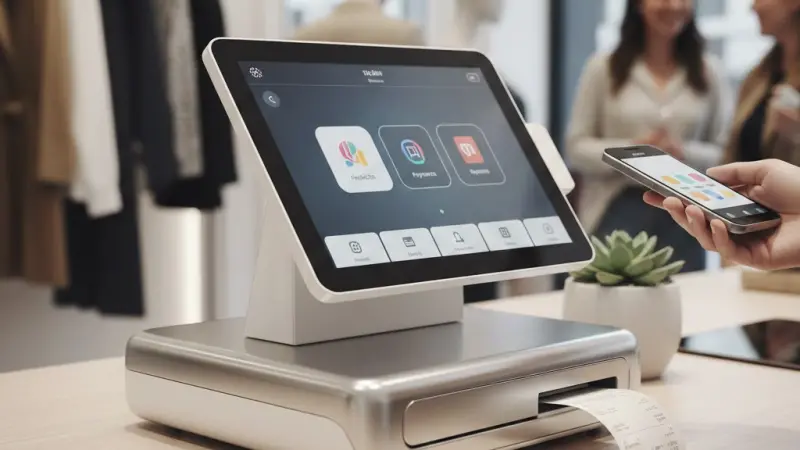
The retail landscape in the United Kingdom is undergoing a tectonic shift, driven by rapid technological advancements and changing consumer expectations. At the heart of this transformation lies the humble cash register, which has evolved from a simple mechanical "money drawer" into a sophisticated, data-driven command centre. Today, the Cash Registers & Check-Out Equipment sector is a vital pillar of the British economy, facilitating billions of pounds in transactions annually and providing the technical infrastructure for everything from independent high-street boutiques to multi-national supermarket chains.
As we navigate the mid-2020s, the importance of efficient checkout systems cannot be overstated. A seamless transaction process is no longer just a functional requirement; it is a competitive advantage. British retailers are increasingly investing in integrated Point of Sale (POS) solutions that combine inventory management, customer relationship management (CRM), and multi-channel payment processing. This sector’s economic importance is reflected in its resilience and its role as a primary indicator of retail health. When businesses seek to scale, one of the first ports of call is often a uk business directory website to find the specialist engineers and software providers capable of modernising their front-of-house operations.
The UK government’s push for a "digital-first" economy has further accelerated the adoption of advanced checkout equipment. With the decline of cash and the rise of contactless payments, mobile wallets, and Buy Now Pay Later (BNPL) schemes, the hardware and software used at the point of purchase must be more agile than ever before. This guide serves as an authoritative resource for retail owners, business analysts, and industry professionals looking to understand the current state and future trajectory of checkout technology in the UK.
The Landscape of Cash Registers & Check-Out Equipment in the UK
The UK market for checkout equipment is currently valued in the hundreds of millions, characterised by a mix of established global hardware manufacturers and agile, homegrown software-as-a-service (SaaS) providers. Post-pandemic, the industry has seen a massive move toward decentralised checkout experiences. No longer confined to a single "counter," many retailers are adopting tablet-based systems that allow staff to assist customers anywhere on the shop floor.
Geographically, London and the South East remain the primary hubs for fintech innovation and high-end retail implementations. However, significant activity is also concentrated in Northern "powerhouse" cities like Manchester and Leeds, where thriving independent retail scenes demand cost-effective yet robust POS solutions. To navigate this dense market, savvy business owners often consult a find local businesses uk platform to identify regional suppliers who can offer on-site maintenance and support.
The evolution of the industry post-pandemic is defined by "Hybrid Retail." Consumers who returned to the high street after lockdowns expected the same speed and personalization they experienced online. This led to the rapid rollout of Self-Checkout (SCO) kiosks and "Scan & Go" technology in Tier 1 retailers. For smaller businesses, the shift meant moving away from legacy EPoS (Electronic Point of Sale) systems toward cloud-based platforms that sync in real-time with e-commerce stores. This integration ensures that whether a product is sold in a physical shop in Cornwall or through a website based in Glasgow, the inventory remains accurate.
Comprehensive Services Breakdown
The modern checkout equipment sector offers a diverse range of products and services designed to streamline operations and enhance the customer experience. Understanding these categories is essential for any business planning an upgrade.
1. Hardware Solutions
Traditional cash registers are now being replaced by high-definition touchscreen terminals. These units often feature integrated card readers, high-speed thermal receipt printers, and customer-facing displays. For more specialised environments, such as hospitality, spill-proof and ruggedised hardware is standard.
2. Cloud-Based POS Software
The "brain" of the operation is the software. Cloud-based systems allow business owners to access sales data from any device with an internet connection. Key features include automated stock alerts, employee performance tracking, and complex reporting tools that help identify seasonal trends. Many providers now offer a business listing uk to help new startups find their software solutions without upfront marketing costs.
3. Self-Service Kiosks and Mobile POS (mPOS)
The rise of the "QSR" (Quick Service Restaurant) and large-scale grocery stores has made self-service kiosks indispensable. Meanwhile, mPOS devices—small card readers that connect to smartphones or tablets—have democratised professional checkout systems for market traders and pop-up shops.
4. Security and Loss Prevention
With the increase in self-checkout comes a greater need for security. Modern systems integrate AI-powered cameras and weight-sensitive scales to reduce "shrinkage" or theft. These systems are often installed by certified security professionals found through a uk local trades directory.
5. Maintenance and Lifecycle Support
Checkout systems are mission-critical. Service providers offer Service Level Agreements (SLAs) that guarantee 4-hour or next-day hardware replacement.
This ensures that a technical glitch on a busy Saturday afternoon doesn't result in thousands of pounds in lost revenue.
How to Choose the Right Service Provider
Selecting a POS partner is a long-term commitment. The wrong choice can lead to hidden fees, buggy software, and poor customer support. Here is a guide to making an informed decision:
Check Accreditations and Compliance: Ensure the provider is PCI DSS (Payment Card Industry Data Security Standard) compliant. In the UK, look for companies that are members of trade bodies such as the British Retail Consortium (BRC) or have ISO certifications for data security.
Read Verified Reviews: Don't rely solely on the provider’s website. Look for independent reviews on platforms like uk top rated local businesses to see how the company handles real-world issues. Pay attention to comments regarding their "uptime" and the responsiveness of their helpdesk.
Insurance and Liability: Hardware installation involves electrical work and data handling. Ensure your provider carries professional indemnity and public liability insurance. This protects your business in the event of an accidental data breach or hardware malfunction that leads to a fire or injury.
Local Reputation and Support: While global brands offer great features, a local provider might offer better "boots on the ground" support. If your internet goes down or a printer jams, having a technician who can arrive within the hour is invaluable. You can find these regional experts by browsing a local businesses list uk.
Scalability and Integration: Your checkout system should grow with you. Ensure the provider offers an API (Application Programming Interface) that allows the POS to talk to your accounting software (like Xero or Sage) and your marketing tools.
Industry Challenges & Future Outlook
The sector is currently facing several headwinds, most notably the rising cost of hardware components and the global chip shortage. However, these challenges are being met with innovation.
Technology Shifts: We are moving toward "Invisible Checkout." Inspired by Amazon Go, more UK retailers are experimenting with computer vision and sensor fusion to allow customers to walk in, pick up items, and walk out without ever interacting with a traditional register. While this is currently limited to high-end urban pilots, the technology will eventually trickle down to the wider market.
Sustainability and Green Initiatives: The industry is moving away from BPA-laden thermal paper receipts in favour of digital receipts sent via email or SMS. Furthermore, there is a growing market for refurbished POS hardware, reducing electronic waste. Providers are increasingly listing these eco-friendly options on a business listing uk to attract environmentally-conscious retailers.
Regulatory Changes: Post-Brexit, the UK has its own set of data protection and financial regulations. Checkout systems must be updated to handle changes in VAT rates or new "sugar taxes" seamlessly. Future regulations may also mandate more transparent data sharing between retailers and tax authorities.
The Labour Gap: As the UK faces a shortage of retail staff, the demand for automation in checkout systems will only grow. The challenge for providers is to make these systems intuitive enough that they don't require extensive staff training.
Business Tips for Professionals in the Sector
If you are a provider of cash registers or checkout equipment, your biggest challenge
is not just the technology—it's being discovered by the businesses that need you.
Digital Visibility is Paramount: In the B2B world, most purchasing decisions start with a Google search. If you aren't visible when a shop owner searches for "POS systems near me," you don't exist. Ensuring your company is featured in a uk b2b business directory is a critical first step in building digital authority.
Content Marketing: Don't just sell hardware; sell solutions. Write case studies on how your systems helped a local bakery reduce checkout times by 30% or how a clothing store integrated their online and offline stock.
Leverage Local SEO: Optimise your website for local keywords. Use Google Business Profile and ensure your contact details are consistent across all local business listings uk. This "NAP" (Name, Address, Phone) consistency is a major ranking factor for search engines.
Networking and Partnerships: Partner with shopfitters, commercial landlords, and accountants. These are the people who are in the room when a new retail business is being planned. Being the "recommended" POS provider by an accountant can lead to a steady stream of high-quality leads.
Wrapping Up & Local Page Integration
The Cash Registers & Check-Out Equipment industry is the quiet engine of the UK retail sector. As we have seen, the right system can transform a business from a struggling shop into a data-driven growth machine. Whether you are a retailer looking for an upgrade or a service provider looking to expand your reach, the key to success lies in connectivity and visibility.
For UK businesses, the most efficient way to navigate this complex market is through Local Page UK. As a premier uk online business directory, Local Page provides a bridge between high-quality service providers and the entrepreneurs who need them most. In an era where digital presence determines commercial viability, having a footprint on a trusted platform is no longer optional.
By focusing on innovation, customer service, and strategic visibility, the checkout equipment sector will continue to drive retail growth across the British Isles for decades to come.
Boost Your Visibility with Local Page UK
In the competitive world of retail technology, being an expert isn't enough—you have to be found. For professionals in the Cash Registers & Check-Out Equipment sector, Local Page UK offers the ultimate platform to showcase your expertise. Don't let your competitors take the lead. Claim your business listing uk today and join the most comprehensive network of verified British businesses. Whether you provide hardware, software, or maintenance, Local Page UK ensures you are visible to the retailers who are actively searching for your services.
FAQ
1. What are the main types of checkout systems available for UK retailers?
Retailers in the UK generally choose between traditional Electronic Point of Sale (EPoS) systems, cloud-based tablet systems, and self-service kiosks. Traditional EPoS systems are robust and often preferred by high-volume businesses like supermarkets. Cloud-based systems, such as those running on iPads, are highly popular among small to medium enterprises (SMEs) because they offer flexibility, lower upfront costs, and easy integration with e-commerce platforms.
Self-service kiosks are becoming standard in fast-food environments and grocery stores to reduce queues. Mobile POS (mPOS) devices are also essential for businesses on the move. Finding a provider for these systems is made easier by using a uk local business directory.
2. How much does a modern cash register system cost in the UK?
The cost varies significantly based on functionality. A basic mPOS card reader can cost as little as £20 with a small transaction fee. However, a full-featured touchscreen EPoS system with a cash drawer, printer, and software can range from £500 to £2,500 per terminal. Software-as-a-Service (SaaS) models usually involve a monthly subscription fee between £30 and £100. Retailers should also factor in installation and training costs. It is always wise to compare quotes from several providers listed on a uk local business search to ensure you are getting the best value for your specific retail niche.
3. What is the difference between a cash register and an EPoS system?
A traditional cash register is a mechanical or electronic device for calculating and recording sales transactions, primarily used for holding cash and providing basic totals at the end of the day. An EPoS (Electronic Point of Sale) system is a computerised network that does much more than process payments. It manages inventory, tracks customer buying habits, generates detailed financial reports, and can even manage staff rotas. Modern EPoS systems are often connected to the cloud, allowing for remote management. For businesses looking to grow, upgrading to an EPoS system found via a uk small business directory is highly recommended.
4. Are digital receipts better than paper receipts for my business?
Digital receipts offer several advantages. They are more environmentally friendly, reduce the cost of thermal paper rolls, and provide a non-intrusive way to collect customer email addresses for marketing purposes. However, UK law requires businesses to provide a receipt if a customer requests one, so having a paper backup is often necessary. From a consumer perspective, digital receipts are harder to lose and easier to organise for tax returns. Many modern checkout providers offer "hybrid" options. You can find service providers who specialise in digital-first retail solutions by browsing uk service listings on a reliable business platform.
5. Why is a business directory listing important for POS providers?
For providers of checkout equipment, a listing on a platform like Localpage is essential for local SEO. When a local business owner searches for "cash register repair" or "new POS system," search engines prioritise businesses that appear in reputable directories. A listing provides a backlink to your website, improves your "NAP" (Name, Address, Phone) consistency, and builds trust through verified reviews. In a B2B environment where trust is paramount, being part of a curated list of professionals can be the difference between winning a contract and being overlooked by a potential client.
6. Do I need an internet connection for my checkout system to work?
Most modern cloud-based systems require an internet connection to sync data and process card payments. However, many "best-in-class" systems feature an "Offline Mode." This allows you to continue taking cash payments and recording sales even if your Wi-Fi goes down; the system then syncs with the cloud once the connection is restored. For card payments, some devices can use 4G/5G sim cards as a backup. If you are in a rural area with poor connectivity, look for specialists in robust retail tech through a local page uk listings search to find offline-capable hardware.
7. How can I ensure my checkout system is PCI compliant?
PCI DSS (Payment Card Industry Data Security Standard) compliance is mandatory for any business that accepts card payments. Most modern POS providers build compliance into their hardware and software, meaning they encrypt card data the moment it is swiped or tapped. To ensure compliance, never store cardholder data on your own hard drives and always use hardware from reputable suppliers. You should verify the credentials of any installer you hire. Searching for uk verified business listings can help you find installers who understand the latest UK financial regulations and security standards.
8. What is "Scan & Go" technology and is it right for SMEs?
"Scan & Go" allows customers to use their smartphones or a provided handset to scan items as they shop, paying at a dedicated station or via an app. While this was pioneered by giants like Tesco and Sainsbury's, the technology is becoming more accessible to smaller businesses through specialised app providers. It is best suited for stores with a high volume of items per basket. For small boutiques, it might be overkill, but for a local grocery or hardware store, it can significantly reduce staffing costs. Check the uk b2c business directory to see which retailers in your area are successfully implementing it.
9. Can I integrate my checkout system with my accounting software?
Yes, and you absolutely should. Most modern cloud-based POS systems offer direct integrations with popular accounting packages like Xero, QuickBooks, and Sage. This means your daily sales totals, VAT collected, and even cost of goods sold (COGS) are automatically pushed to your accountant, saving hours of manual data entry and reducing the risk of human error. If you are unsure how to set this up, many IT consultants and digital bookkeepers can assist you. You can find these professional services listed under uk professional services listings on major business platforms.
10. What happens if my checkout system breaks during peak hours?
This is every retailer's nightmare. To mitigate this risk, you should have a Service Level Agreement (SLA) with your provider that includes emergency support. Many providers offer "hot-swap" services where a new terminal is couriered to you within hours. It is also wise to keep a basic, standalone card reader as a backup. When choosing a provider, prioritise those with a strong local presence. You can find maintenance experts with high ratings in your specific county by checking a uk service providers directory to ensure you have a reliable contact in case of hardware failure.
11. How does AI improve modern checkout systems?
AI is currently used in checkout systems for predictive inventory management, fraud detection, and even "vision-based" self-checkouts that can identify loose fruit and vegetables without a barcode. AI can also analyse sales patterns to suggest "frequently bought together" items to staff, enabling more effective upselling. For business owners, AI-driven analytics provide deeper insights into peak trading hours, allowing for better staff scheduling. To find cutting-edge AI retail specialists, look for tech-focused firms in a business directory uk online that specifically mention smart retail solutions.
12. Are there free POS software options for UK startups?
Yes, there are several "freemium" POS software options available for startups. These often allow you to process a limited number of transactions or use a basic version of the software for free, with the option to upgrade as your business grows. While the software might be free, you will still need to purchase hardware and pay card processing fees. This is an excellent way for new entrepreneurs to keep overheads low. To find providers offering these entry-level solutions, you can search for a business listing uk to see which companies are targeting the startup market.
13. What are the legal requirements for cash handling in the UK?
While there is no law forcing a business to accept cash, if you do, you must ensure you have secure storage (like a timed-access safe) and follow anti-money laundering regulations for very large transactions. You also have a duty of care to ensure your staff are trained in safe cash handling to prevent theft or injury. Most insurance companies will have specific requirements for your checkout equipment, such as a minimum "cash rating" for your drawers. To find security experts who can advise on safe installations, consult a uk home services directory which often includes commercial security specialists.
14. Is it better to buy or lease checkout equipment?
Buying equipment outright is usually cheaper in the long run and gives you full ownership of the assets. However, leasing or "POS-as-a-Service" is popular because it preserves cash flow and often includes automatic hardware upgrades every few years.
Leasing also usually includes a comprehensive maintenance package. For a rapidly growing business, leasing provides the flexibility to scale up the number of terminals without a huge capital outlay. You can compare the offerings of different financial and equipment providers by looking through uk business listings online to see who offers the most flexible terms.
15. How do I choose between different checkout equipment brands?
The "best" brand depends on your industry. For example, some brands specialise in high-end fashion with beautiful aesthetic hardware, while others focus on the rugged, fast-paced needs of a busy bar. Look for a brand that has a large user community and a wide range of third-party integrations. Always ask for a demo before committing. To see which brands are most commonly supported and serviced in your area, check the profiles of local technicians on Local page. Seeing which systems the local experts recommend can give you a significant head start in your selection process.
Disclaimer: The information provided in this article is for general informational and research purposes only. Company details, features, services, and market positions may change over time. Readers are advised to visit official company websites and conduct independent research before making any business decisions or purchasing services.
Most Searchable Keywords
Recent Blogs


Related Listings
Categories
- Accountants (295)
- Advertising Agencies (559)
- Architects (149)
- Automobiles (377)
- Beauty (300)
- Carpenters (146)
- Cleaning Services (387)
- Dentists (189)
- Driving (62)
- Electricians (215)
- Energy (8)
- Event Organiser (686)
- Finance (602)
- Guide (3376)
- Health (2207)
- Information technology (206)
- Legal Services (356)
- Logistics (6)
- Maintenance (65)
- Manufacturing (35)
Sponsored Listings in Travel Agencies

Related Blogs

Sexual Harassment Rules Tighten Across UK Fro...
Read this insightful article "Sexual Harassment Rules Tighten Across UK From October 2026" to expand your knowledge!
Employment Tribunal Claim Deadline Extends Fr...
Read this insightful article "Employment Tribunal Claim Deadline Extends From October 2026" to expand your knowledge!

Rainy Day Activities in Cheltenham Hidden Gem...
Read this insightful article "Rainy Day Activities in Cheltenham Hidden Gems for 2026" to expand your knowledge!
Questions & Answers – Find What
You Need, Instantly!
How can I update my business listing?
Is it free to manage my business listing?
How long does it take for my updates to reflect?
Why is it important to keep my listing updated?
