
Personal Bankruptcy Sees Steepest Rise in Five Years
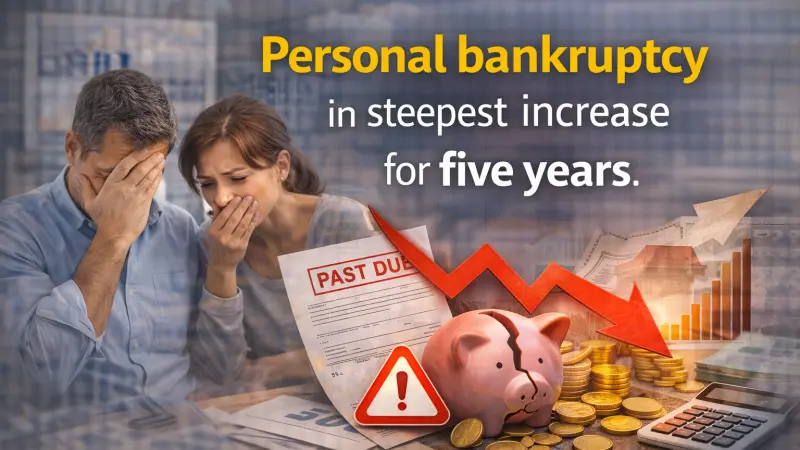
A sharp rise in personal bankruptcy is often seen as a warning sign for the wider economy. When reports indicate the steepest increase in personal bankruptcies for five years, it suggests that financial pressures on households are intensifying. Rising living costs, debt burdens, and economic uncertainty can all contribute to higher insolvency rates.
Personal bankruptcy does not happen overnight. It is usually the result of prolonged financial strain, unexpected events, or unsustainable debt levels. Understanding why bankruptcy rates are rising helps policymakers, businesses, and individuals respond effectively.
This article explores the potential reasons behind the increase, its impact on households, and what it could mean for the broader economy.
What Is Personal Bankruptcy
Personal bankruptcy is a legal process that helps individuals who cannot repay their debts. It provides relief from overwhelming financial obligations but can have long term consequences for credit ratings and financial stability.
In the UK, individuals can apply for bankruptcy if they are unable to meet their debt repayments.
Why Bankruptcy Rates Are Rising
Several factors may contribute to a sharp increase in personal bankruptcy:
Rising cost of living can strain household budgets, particularly when wages do not keep pace with inflation.
Higher interest rates increase the cost of borrowing, making loans and credit repayments more expensive.
Energy and housing costs can significantly impact disposable income.
Job insecurity or reduced working hours may also contribute to financial stress.
Impact of Inflation
Inflation reduces purchasing power, meaning households must spend more on essential goods and services. This can make it harder to manage existing debts.
When expenses rise faster than income, financial pressure builds.
Rising Household Debt
High levels of consumer debt can make households vulnerable during economic downturns. Credit cards, personal loans, and mortgages can become difficult to manage if financial conditions worsen.
Increased borrowing during low interest rate periods may now be creating repayment challenges.
Interest Rate Increases
When interest rates rise, repayments on variable rate loans and mortgages increase. For many households, this can significantly affect monthly budgets.
Higher borrowing costs can push financially stretched individuals toward insolvency.
Employment and Income Challenges
Changes in employment conditions, such as job losses or reduced income, often lead to financial instability. Without sufficient savings, households may struggle to cope.
Employment stability plays a key role in preventing financial hardship.
Regional and Demographic Impact
Bankruptcy increases may vary by region and demographic group. Areas with higher living costs or economic challenges may see greater impact.
Understanding these patterns helps target support effectively.
Impact on Households
Personal bankruptcy can provide a fresh start but often involves asset liquidation and long term credit consequences. It can affect access to future credit, housing, and employment opportunities.
Emotional stress and uncertainty are also common.
Wider Economic Implications
Rising personal bankruptcies can signal broader economic strain. Reduced consumer spending and increased financial caution can slow economic growth.
Financial institutions may also experience higher default rates.
Government and Policy Response
Governments may respond with support measures such as debt advice services, financial assistance programmes, or policy adjustments to ease pressure on households.
Effective support can help reduce insolvency rates.
The Role of Financial Education
Improving financial literacy can help individuals manage debt more effectively and avoid insolvency. Budgeting, saving, and responsible borrowing are key preventative measures.
Education plays an important role in long term financial resilience.
Long Term Outlook
While short term increases may reflect economic pressures, long term trends depend on employment levels, wage growth, and inflation control.
Economic recovery and stability can help reduce bankruptcy rates over time.
How Individuals Can Protect Themselves
Building emergency savings, reviewing expenses, seeking early debt advice, and communicating with lenders can help manage financial difficulties before they escalate.
Early action is often critical.
The steepest rise in personal bankruptcy for five years highlights growing financial pressure on households. Rising living costs, interest rate increases, and high debt levels are likely contributing factors.
While bankruptcy can provide relief for individuals facing overwhelming debt, it also signals wider economic challenges. Addressing the root causes through financial support, education, and economic stability will be key to reducing insolvency rates in the future.
FAQs
What is personal bankruptcy It is a legal process for individuals who cannot repay their debts.
Why are bankruptcy rates increasing Rising costs, higher interest rates, and financial pressures are key factors.
How does inflation affect household finances It increases living expenses and reduces purchasing power.
Can rising interest rates cause bankruptcy Yes, they increase borrowing costs and repayment amounts.
Does bankruptcy affect credit scores Yes, it has long term impacts on credit history.
Are certain groups more affected Yes, those with high debt or unstable income are more vulnerable.
What are the consequences of bankruptcy Asset liquidation and restricted access to credit.
How can individuals avoid bankruptcy By budgeting carefully and seeking early debt advice.
Does unemployment increase bankruptcy risk Yes, loss of income makes debt harder to manage.
What role does government support play It can provide assistance and reduce financial pressure.
Is bankruptcy always permanent No, it usually lasts for a set period, but credit impact remains.
Can debt counselling help Yes, it can provide guidance and repayment solutions.
Does rising bankruptcy affect the economy Yes, it can reduce consumer spending and confidence.
What is the long term outlook It depends on economic stability and income growth.
Should individuals seek advice early Yes, early action can prevent financial situations worsening.
Disclaimer: The information provided in this article is for general informational and research purposes only. Company details, features, services, and market positions may change over time. Readers are advised to visit official company websites and conduct independent research before making any business decisions or purchasing services.
Most Searchable Keywords
Recent Blogs


Related Listings

Categories
- Accountants (295)
- Advertising Agencies (559)
- Architects (149)
- Automobiles (377)
- Beauty (300)
- Carpenters (146)
- Cleaning Services (387)
- Dentists (189)
- Driving (62)
- Electricians (215)
- Energy (8)
- Event Organiser (686)
- Finance (602)
- Guide (3372)
- Health (2207)
- Information technology (206)
- Legal Services (353)
- Logistics (6)
- Maintenance (65)
- Manufacturing (35)
Sponsored Listings in Travel Agencies


Related Blogs

How Much Do UK Actors Really Earn Full Indust...
Read this insightful article "How Much Do UK Actors Really Earn Full Industry Breakdown" to expand your knowledge!

Blue Light Card UK 2026 Check Eligibility and...
Read this insightful article "Blue Light Card UK 2026 Check Eligibility and Claim" to expand your knowledge!

BBC Radio 1 DJs Net Worth Ranking Revealed
Read this insightful article "BBC Radio 1 DJs Net Worth Ranking Revealed" to expand your knowledge!
Questions & Answers – Find What
You Need, Instantly!
How can I update my business listing?
Is it free to manage my business listing?
How long does it take for my updates to reflect?
Why is it important to keep my listing updated?
