
Precision in Agriculture A Comprehensive Guide to Seed Sorter Technology
- 👤 Alex
- 👁️ 76 Views
- Last Updated: April 2, 2026
- 🏷️ Information technology
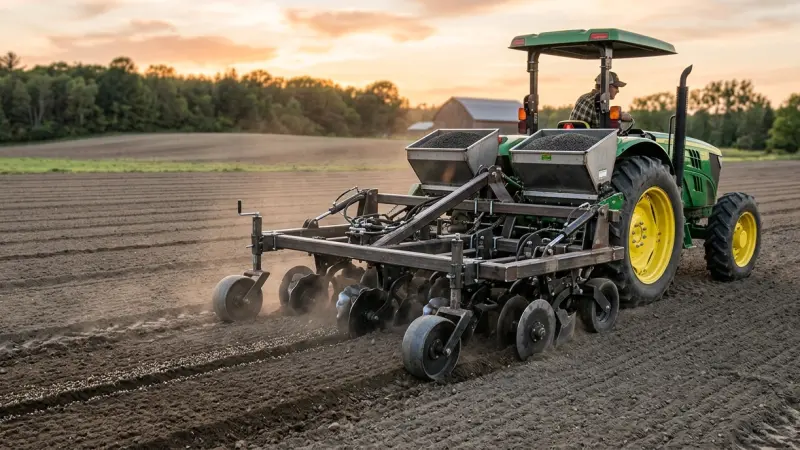
The global agricultural landscape is undergoing a massive transformation, driven by the need for higher yields and sustainable practices. At the heart of this evolution is the quality of the starting material: the seed. The ISeed Sorter has emerged as a pivotal tool in this sector, utilizing advanced imaging and sensor technology to ensure that only the highest quality seeds reach the planting stage. By automating the traditionally labor-intensive process of manual sorting, this technology minimizes human error and maximizes uniformity. Understanding the "how" and "why" behind these machines is essential for anyone involved in modern seed production or commercial farming. This article explores the intricate workings, diverse applications, and long-term benefits of integrating ISeed Sorter systems into the agricultural supply chain.
Understanding the ISeed Sorter: An Overview
At its core, an ISeed Sorter is an automated machine designed to categorize and separate seeds based on specific physical and biological characteristics. Unlike traditional mechanical sieves that rely solely on size or weight, modern ISeed sorters utilize sophisticated optical sensors, infrared technology, and sometimes even artificial intelligence to analyze every individual seed in a batch.
The Science Behind the Sorting
The process begins with a feeder system that distributes seeds into a single layer. As they pass through a high-speed inspection zone, cameras capture high-resolution images from multiple angles. The software then analyzes these images for:
-
Color Discoloration: Identifying seeds affected by mold, disease, or immaturity.
-
Morphological Accuracy: Checking for cracks, splits, or irregular shapes that might hinder growth.
-
Surface Texture: Detecting subtle differences that indicate moisture content or coating integrity.
Types of ISeed Sorters
Depending on the specific crop and the scale of the operation, different configurations of sorters are utilized. Some are optimized for small, delicate seeds like flower or vegetable seeds, while others are heavy-duty industrial units capable of processing tons of grains, corn, or legumes per hour. The "I" in ISeed often refers to the "Intelligent" or "Integrated" nature of the system, highlighting its ability to learn and adapt to new seed varieties through software updates.
Key Uses of ISeed Sorters in Modern Industry
The application of ISeed Sorter technology extends far beyond simple grain cleaning. It is a multi-functional tool used across various stages of the agricultural and food processing industries.
1. Seed Production for Commercial Sale
Seed companies use these machines to ensure their products meet strict regulatory standards. By removing "off-types" (seeds that do not match the genetic purity of the batch) and damaged seeds, companies can guarantee higher germination rates to their customers.
2. Genetic Research and Breeding
In research facilities, ISeed sorters help scientists isolate specific traits. For instance, if a breeder is looking for seeds with a specific oil content or shell thickness, the sorter can be programmed to identify those subtle physical markers, speeding up the development of new crop varieties.
3. Food Processing and Quality Control
Beyond the planting phase, these sorters are used in the food industry to remove contaminants from pulses, nuts, and grains intended for human consumption. This ensures that the final product is free from stones, glass, or toxic seeds that may have been harvested accidentally.
The Benefits of Integrating Automated Sorting
Transitioning from manual or basic mechanical sorting to an advanced ISeed Sorter system offers a range of logistical and financial advantages.
Enhanced Germination Rates
The primary benefit is the significant increase in the "uniformity of emergence." When every seed planted is of high quality and free from defects, the crop grows at an even rate. This makes harvesting much easier and reduces the likelihood of late-developing plants being wasted.
Resource Efficiency
By ensuring that only viable seeds are planted, farmers save on secondary resources. There is less waste of water, fertilizer, and pesticides on "dud" seeds that would have never produced a healthy plant. This precision contributes directly to more sustainable farming practices.
Labor Reduction and Consistency
Manual sorting is not only slow but prone to fatigue-related errors. An ISeed Sorter operates at consistent speeds 24/7, providing a level of accuracy that human eyes simply cannot match over long periods.
Step-by-Step Details: How to Operate and Maintain an ISeed Sorter
To get the most out of this technology, a systematic approach to operation and maintenance is required.
Setting Up the Sort Profile
Before starting a batch, the operator must define the "Accept" and "Reject" parameters. This involves:
-
Calibration: Running a small sample of "perfect" seeds through the machine so the software recognizes the baseline.
-
Sensitivity Adjustment: Deciding how strict the machine should be. For high-end organic seeds, sensitivity might be set to the maximum.
-
Speed Regulation: Adjusting the vibration or belt speed to ensure seeds don't overlap during the inspection phase.
Routine Maintenance
Like any high-precision instrument, these machines require care.
-
Lens Cleaning: Dust is the enemy of optical sorting. Cameras and lights must be wiped down daily.
-
Air Pressure Calibration: Most sorters use a burst of compressed air to eject "bad" seeds. Ensuring the air lines are clear and the pressure is consistent is vital for accurate rejection.
-
Software Updates: Manufacturers frequently release updates to improve the recognition algorithms for specific pathogens or seed types.
Tips for Maximizing Sorting Accuracy
-
Pre-Cleaning is Essential: Do not expect an ISeed Sorter to do everything. Use a basic scalper or aspirator first to remove large debris like stalks or large stones. This prevents the sorter's sensors from being overwhelmed.
-
Manage Moisture Levels: Extremely high or low moisture can change the color and reflective properties of a seed. Ensure your batch is at a stable, industry-standard moisture level before sorting.
-
Optimize Lighting: If the internal LEDs are dimming, the cameras won't see the true color of the seed. Check the lighting intensity regularly.
Common Mistakes to Avoid
-
Overcrowding the Feeder: If you push too much volume through the machine, seeds will "shadow" each other. The camera might miss a defective seed because it was hidden behind a healthy one.
-
Ignoring the "Reject" Bin: Frequently inspect what the machine is throwing away. If you see too many healthy seeds in the reject bin, your sensitivity is too high, and you are losing money.
-
Neglecting Air Quality: If the compressed air used for ejection contains oil or water, it can contaminate the seeds or clog the tiny air nozzles. Use high-quality filters.
Supporting Local Business Visibility Beyond Core Marketing Efforts
While high-tech tools like the ISeed Sorter drive production efficiency, the growth of a company also depends on how well its services are discovered by the right partners. In the agricultural and technical sectors, establishing a strong local presence is a vital credibility signal. For specialized service providers or equipment technicians in the UK, being part of a business listings site can act as a crucial supporting visibility layer. This isn't just about direct sales; it’s about trust reinforcement across platforms.
Strategic positioning on a business directory website ensures that when a local farm or processing plant looks for specialized help, your company appears as a local discovery aid. Utilizing a free company listing platform like Local Page UK allows SMEs to maintain local presence consistency without a massive marketing spend. For those looking to list services uk directory entries, these platforms serve as a foundation for long-term discoverability and professional networking.
The ISeed Sorte
The ISeed Sorter represents the pinnacle of modern seed processing technology. By combining optical precision with high-speed automation, it allows for a level of quality control that was once impossible. Whether you are a small-scale breeder or a large commercial grain processor, the benefits of higher germination rates, resource efficiency, and consistent output make this technology an invaluable asset.
Investing in these systems is not just about keeping up with the competition; it is about ensuring the sustainability and viability of our food systems for the future.
If you are looking to upgrade your processing facility or simply want to learn more about the latest in agricultural tech, now is the time to consult with a specialist. Embracing precision today ensures a more fruitful harvest tomorrow.
Frequently Asked Questions
1. What is the average capacity of an ISeed Sorter?
Capacity varies by model, but industrial units can process anywhere from 500kg to 15 tons of seed per hour depending on the seed size and sorting complexity.
2. Can an ISeed Sorter detect internal seed damage?
While standard optical sorters look at the surface, some advanced models equipped with InGaAs (Indium Gallium Arsenide) sensors can detect moisture levels and internal defects not visible to the naked eye.
3. Is the machine difficult to program for new seed types?
Most modern machines feature a "learning" mode where you feed in samples of good and bad seeds, and the AI automatically generates a sorting profile.
4. How often does the machine need to be cleaned?
Daily cleaning of the optical glass is recommended. A deeper mechanical cleaning should be done between batches of different seed varieties to prevent cross-contamination.
5. Does it require a specialized operator?
While it requires training to set the initial profiles, the day-to-day operation is designed to be user-friendly with touch-screen interfaces.
6. What is the typical lifespan of these machines?
With proper maintenance, the mechanical components can last 10–15 years, though the software and camera technology may benefit from upgrades every 5 years.
7. Can it sort treated or coated seeds?
Yes, but you must calibrate the sensors to recognize the specific color and texture of the coating as the "correct" baseline.
8. What happens if the power goes out during a sort?
Most systems have a fail-safe that stops the feeder immediately to prevent unsorted seeds from mixing with the accepted batch.
9. How accurate are these machines?
High-end ISeed Sorters often achieve 99.9% accuracy in removing specific defects.
10. Is the investment worth it for a small farm?
For very small operations, the cost may be high, but many small farms share a sorter through a cooperative or use mobile sorting services.
11. Does it work on very small seeds like poppy or sesame?
Yes, there are specialized "fine-seed" sorters designed specifically for tiny, high-value seeds.
12. Can it remove stones and glass?
Yes, the sensors can identify non-organic materials based on how they reflect light compared to organic seeds.
13. Does the air blast damage the seeds?
The air pressure is precisely calculated to move the seed without causing physical impact damage.
14. What are the space requirements for a sorter?
A standard unit usually requires a footprint of about 2x2 meters, but you also need height for the gravity-fed hoppers.
15. Can the machine sort by weight?
Primary sorting is optical/visual, but weight-based separation is usually handled by a gravity table before the seed reaches the optical sorter.
Disclaimer: The information provided in this article is for general informational and research purposes only. Company details, features, services, and market positions may change over time. Readers are advised to visit official company websites and conduct independent research before making any business decisions or purchasing services.
Most Searchable Keywords
Recent Blogs


Related Listings


Categories
- Accountants (295)
- Advertising Agencies (559)
- Architects (149)
- Automobiles (377)
- Beauty (300)
- Carpenters (146)
- Cleaning Services (387)
- Dentists (189)
- Driving (62)
- Electricians (215)
- Energy (8)
- Event Organiser (686)
- Finance (602)
- Guide (3372)
- Health (2207)
- Information technology (206)
- Legal Services (353)
- Logistics (6)
- Maintenance (65)
- Manufacturing (35)
Sponsored Listings in Information Technology


Related Blogs

How Much Do UK Actors Really Earn Full Indust...
Read this insightful article "How Much Do UK Actors Really Earn Full Industry Breakdown" to expand your knowledge!

Blue Light Card UK 2026 Check Eligibility and...
Read this insightful article "Blue Light Card UK 2026 Check Eligibility and Claim" to expand your knowledge!

BBC Radio 1 DJs Net Worth Ranking Revealed
Read this insightful article "BBC Radio 1 DJs Net Worth Ranking Revealed" to expand your knowledge!
Questions & Answers – Find What
You Need, Instantly!
How can I update my business listing?
Is it free to manage my business listing?
How long does it take for my updates to reflect?
Why is it important to keep my listing updated?
