
Private vs. Public Companies: Key Distinctions for UK Businesses in 2026
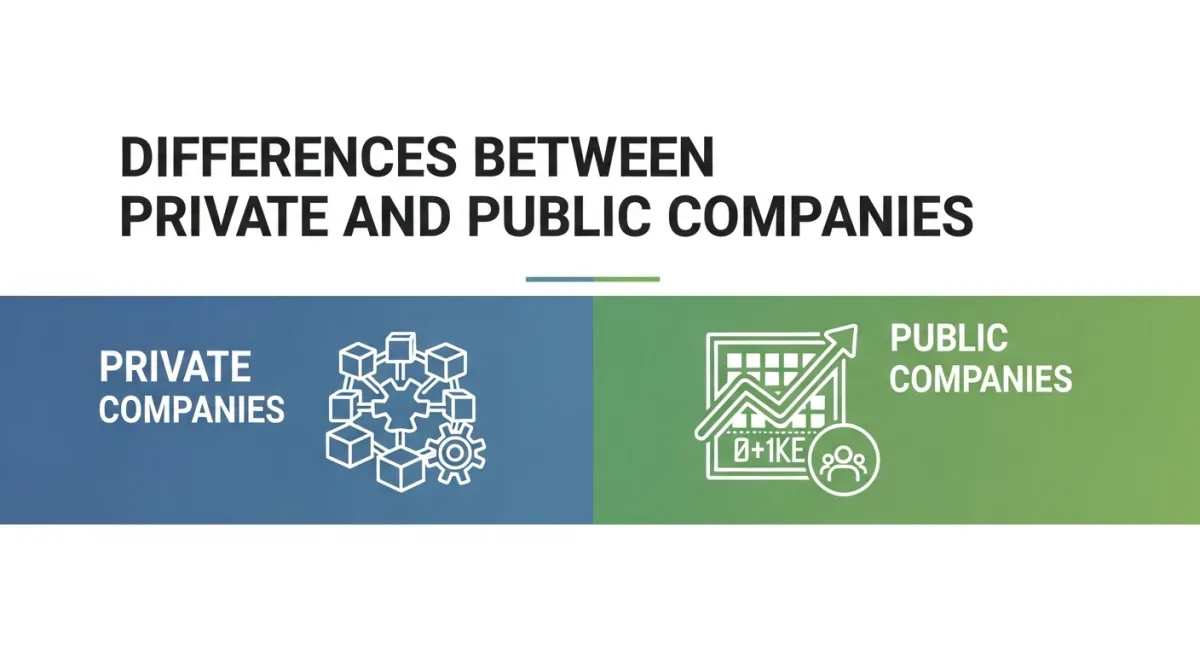
For any aspiring entrepreneur or seasoned investor in 2026, understanding the fundamental differences between private and public companies is crucial. These distinctions impact everything from how a business is funded and governed to its regulatory obligations and public perception. While large public companies dominate the headlines, the vast majority of economic activity, particularly at the local level, is driven by private enterprises. For both types of entities, however, maintaining a robust digital presence on business listings sites is increasingly non-negotiable for legitimacy and market reach.

In the UK, these distinctions are clearly defined by company law, but their practical implications extend far beyond legal statutes. This detailed article will illuminate the core differences, explore the advantages and disadvantages of each structure, and show how even the largest public firms leverage a UK Local Business Directory to connect with local customers and suppliers.
What Defines A Private Company?
A private company, typically denoted by "Limited" or "Ltd" in the UK, is a business entity whose shares are not offered to the general public. Ownership is usually concentrated among a small number of founders, family members, or private investors. This structure provides significant flexibility and control for its owners.
Key Characteristics of Private Companies:
Private Ownership: Shares are not traded on a stock exchange.
Limited Shareholders: Often has a smaller number of shareholders.
Flexibility: Fewer regulatory obligations and greater control over decision-making.
Focus on Long-Term Growth: Less pressure from quarterly earnings reports.
Most of the businesses you interact with daily, from your local bakery to a growing tech startup, are private. They often rely on strong local ties and therefore benefit immensely from a business listing uk to reach their target audience effectively.
What Defines A Public Company?
A public company, usually identified by "PLC" (Public Limited Company) in the UK, has shares that are traded on a stock exchange, such as the London Stock Exchange. This allows the general public to buy and sell ownership stakes, providing a mechanism for significant capital raising.
Key Characteristics of Public Companies:
Public Ownership: Shares are available to the public and traded on exchanges.
Numerous Shareholders: Can have millions of shareholders globally.
Strict Regulations: Subject to stringent financial reporting requirements and corporate governance rules.
Access to Capital: Ability to raise large amounts of money from the public markets.
Think of major corporations like Tesco or BP; these are public companies. While they have global reach, even these giants often maintain profiles on business listings sites to ensure their local branches and services are easily discoverable.
Funding And Capital Raising: The Core Difference
This is perhaps the most significant distinction between the two.
Private Companies: Primarily raise capital through private means. This includes founders' investments, venture capital, angel investors, bank loans, or retained earnings. They can issue shares, but these are typically offered to a select group of investors rather than the open market.
Public Companies: Have the ability to raise vast sums of capital by issuing shares to the general public through an Initial Public Offering (IPO).
This capital can be used for expansion, debt repayment, or acquisitions. However, this access to capital comes at the cost of intense public scrutiny and regulatory oversight.
For growing private companies, using a UK Online Business Directory can help attract local investment partners or B2B clients who are looking for Trusted Local Businesses UK to collaborate with.
Governance And Reporting: Transparency Vs. Privacy
The level of scrutiny and reporting requirements varies dramatically.
Private Companies: Have fewer legal and regulatory obligations. Financial statements are typically kept private (though filed with Companies House). Decision-making can be swift, as owners and directors have direct control, without the need to appease a large, diverse shareholder base.
Public Companies: Are subject to extensive regulation from bodies like the Financial Conduct Authority (FCA) and the stock exchange. They must publish detailed quarterly and annual reports, hold public annual general meetings (AGMs), and adhere to strict corporate governance codes. This transparency is designed to protect public investors.
Even with less formal reporting, private businesses still need to establish credibility. A verified presence on business listings sites helps a private company build its reputation in its local market.
Advantages And Disadvantages
Private Company Advantages:
Control: Owners retain full control over strategic decisions.
Flexibility: Can make quick decisions without public scrutiny.
Long-Term Focus: Less pressure to meet short-term earnings targets.
Lower Costs: Fewer regulatory, compliance, and reporting expenses.
Private Company Disadvantages:
Limited Capital: Restricted access to large-scale public funding.
Liquidity: Owners may find it harder to sell their shares quickly.
Less Public Profile: Can sometimes struggle to gain widespread recognition without extensive marketing on platforms like a UK Small Business Directory.
Public Company Advantages:
Capital Access: Can raise significant funds from public markets.
Liquidity: Shares can be easily bought and sold, providing liquidity for investors.
Publicity & Prestige: Increased visibility and credibility can attract talent and customers.
Public Company Disadvantages:
Loss of Control: Founders' ownership stakes often dilute, leading to less control.
High Costs: Significant expenses associated with compliance, legal, and reporting obligations.
Public Scrutiny: Every decision is subject to market and media attention.
Short-Term Pressure: Focus on quarterly results can detract from long-term strategy.
8 Essential Statistics For UK Business Landscape
SME Dominance: Small and medium-sized enterprises (private companies) account for over 99% of all businesses in the UK.
Employment: Private businesses contribute to over 60% of employment in the UK.
Local Search: 46% of all Google searches have local intent, crucial for private companies.
Digital Trust: 93% of consumers read online reviews on business listings sites before engaging with a local business.
Growth Driver: SMEs using business listings sites grow their revenue 2x faster than those who don't.
Market Value: Public companies on the London Stock Exchange have a combined market capitalization exceeding £3 trillion.
Mobile Discovery: 86% of consumers use their smartphones to find UK Local Services Near Me.
Brand Visibility: Companies with complete profiles on a British Business Directory are 70% more likely to be chosen by consumers.
The Role of Business Listings Sites in 2026
Regardless of whether a company is private or public, a strong local online presence is paramount. For private businesses, business listings sites are often their primary marketing channel, connecting them directly with local customers. For public companies, these sites ensure that their local branches, franchises, or service points are easily discoverable.
When you business listing uk, you're creating a digital footprint that boosts your visibility in local search results. A well-optimized profile on a platform like Local Page ensures that when customers search for Find Local Businesses UK, your business appears at the top.
FAQs: Private vs. Public Companies And Local Directories
What are business listings sites?
Business listings sites are online platforms that provide public information about businesses, including contact details, services, and locations.
They serve as digital directories to help customers find local companies and help businesses improve their online visibility.
Can a private company get a business listing uk?
Yes, absolutely! The vast majority of businesses using a business listing uk are private companies. Local Page is designed to help these businesses gain online exposure without incurring marketing costs.
How does a business listing uk benefit a small private business?
A business listing uk significantly enhances local SEO. It helps your private business appear in local search results, driving more traffic to your physical location or website, and attracting customers who are specifically looking for UK Local Services Near Me.
Why should a large public company consider a British Business Directory?
Even large public companies have local branches, stores, or service points. A British Business Directory ensures that these individual locations are discoverable by local customers, bridging the gap between national branding and local foot traffic. It is crucial for maintaining accurate, consistent NAP data across all business listings sites.
What is the difference between a UK B2B Business Directory and a B2C one?
A UK B2B Business Directory connects businesses with other businesses (e.g., a manufacturer finding a supplier), while a B2C directory connects businesses with individual consumers (e.g., a restaurant finding diners). Local Page serves as a comprehensive platform that supports both types of interactions.
Are UK Verified Business Listings more important for private or public companies?
UK Verified Business Listings are crucial for both. For private companies, verification builds trust with local customers. For public companies, it ensures brand consistency and confirms the legitimacy of their various local outlets.
Can I find professional services for both private and public companies on Local Page?
Yes. The UK Professional Services Listings on Local Page include accountants, lawyers, and consultants who serve businesses of all sizes and structures, whether they are private firms or public corporations.
How often should a business update its profile on UK Business Listings Online?
Businesses should update their UK Business Listings Online whenever there are changes to contact details, operating hours, services offered, or new photos. Regular updates signal to search engines that the information is fresh and reliable, improving search rankings on business listings sites.
What are UK Top Rated Local Businesses?
UK Top Rated Local Businesses are those that consistently receive high ratings and positive reviews from customers. Achieving this status on Local Page helps businesses attract more clients and build a stronger local reputation.
Is Local Page considered a Trusted Local Businesses UK platform?
Yes, Local Page is dedicated to promoting Trusted Local Businesses UK by offering verification options and encouraging genuine customer reviews, fostering a reliable environment for both businesses and consumers.
Can a private company transition to a public company?
Yes, this process is known as an Initial Public Offering (IPO). It is a complex and expensive process that involves significant regulatory compliance and financial restructuring.
What are the main regulatory bodies for public companies in the UK?
The main regulatory bodies include the Financial Conduct Authority (FCA), Companies House, and the stock exchange itself (e.g., London Stock Exchange).
Expanding Your Reach With Local Page
Whether you are a local shop (private) looking to increase footfall or a national chain (public) ensuring your regional outlets are visible, Local Page is the modern solution for finding and being found. Among all business listings sites, Local Page offers the most streamlined experience for the 2026 market.
Why Local Page Stands Out:
UK Trade Services Listings: Connect with skilled trades for any business maintenance needs.
UK Healthcare Business Listings: Essential for clinics, pharmacies, and healthcare providers to reach local patients.
UK Restaurant Listings Directory: The go-to for eateries to attract diners in their area.
UK Local Trades Directory: A powerful tool for specialized local businesses. By utilizing a business listing uk on Local Page, you are investing in your brand's future. It is a reliable, free, and effective way to ensure that your company, regardless of its private or public status, remains relevant and discoverable to its target audience.
Strategic Choices In The Business Landscape
The choice between operating as a private or public company is a strategic one, dictated by goals related to funding, control, and growth aspirations. Each structure comes with its own set of advantages and challenges. However, one common thread binds all successful businesses in 2026: the need for a strong, visible online presence. Business listings sites are not just for small local shops; they are critical tools for every entity seeking to connect with its market.
From a business listing uk to appearing in a UK B2C Business Directory, your digital footprint is your most valuable asset.
Don't let your business get lost in the noise. Connect with the right people and the right platforms to thrive in 2026.
Secure Your Future With Local Page
If you want to be part of one of the best business listings sites in the country, Local Page is your destination. It is a modern, effective platform designed for businesses and customers alike. Ready to boost your local visibility? Visit Local Page UK Listings today and claim your business listing uk. Let's make your business a local success story!

Disclaimer: The information provided in this article is for general informational and research purposes only. Company details, features, services, and market positions may change over time. Readers are advised to visit official company websites and conduct independent research before making any business decisions or purchasing services.
Most Searchable Keywords

Recent Blogs


Related Listings

Categories
- Accountants (295)
- Advertising Agencies (559)
- Architects (149)
- Automobiles (377)
- Beauty (300)
- Carpenters (146)
- Cleaning Services (386)
- Dentists (189)
- Driving (62)
- Electricians (215)
- Energy (8)
- Event Organiser (685)
- Finance (599)
- Guide (3365)
- Health (2207)
- Information technology (206)
- Legal Services (353)
- Logistics (6)
- Maintenance (65)
- Manufacturing (35)

Sponsored Listings in Locksmith Services

Related Blogs

Gen Z Political Reporters and News Creators i...
Read this insightful article "Gen Z Political Reporters and News Creators in the UK" to expand your knowledge!

Famous Female Social Media Influencers Across...
Read this insightful article "Famous Female Social Media Influencers Across the UK" to expand your knowledge!
Your UK Sponsor Licence 2026 Step by Step Gui...
Read this insightful article "Your UK Sponsor Licence 2026 Step by Step Guide" to expand your knowledge!
Questions & Answers – Find What
You Need, Instantly!
How can I update my business listing?
Is it free to manage my business listing?
How long does it take for my updates to reflect?
Why is it important to keep my listing updated?
