
Royal Elegance A Sgian Dubh Bling Enough for a King
- 👤 Alex
- 👁️ 132 Views
- Last Updated: April 2, 2026
- 🏷️ Information technology
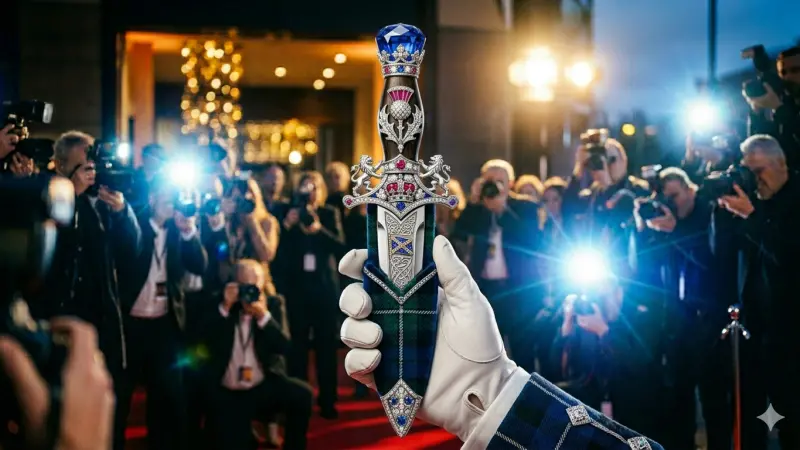
The Sgian-Dubh is far more than a mere accessory tucked into the top of a kilt hose; it is a profound symbol of Scottish identity, history, and craftsmanship. While its origins are rooted in utility and the rugged life of the Highlands, the evolution of this small blade has mirrored the rising prestige of Highland dress. For those seeking "royal elegance," the standard resin-handled versions simply will not do. A Sgian-Dubh fit for a king requires a level of artistry that balances tradition with opulence—utilizing precious metals, hand-carved hardwoods, and gemstones that catch the light during a formal ceilidh or a royal garden party. This guide explores the intricate world of high-end Sgian-Dubhs, focusing on the details that transform a functional knife into a piece of heirloom jewelry.

An Overview of the Regal Sgian-Dubh
The term "Sgian-Dubh" translates from Gaelic as "black knife." The "black" refers not necessarily to the color of the handle, but to the hidden nature of the blade, which was historically concealed in the armpit. Etiquette eventually dictated that when entering a friendly home, weapons should be visible, leading to the knife's placement in the hose.
The Anatomy of Excellence
A high-end, or "blinged-out," Sgian-Dubh is defined by its components. The blade is often made of Damascus steel, known for its watery, mottled patterns created by forge-welding layers of steel. The hilt is typically carved from bog oak or ebony, providing a dark, dense contrast to silver or gold fittings. The pommel—the very top of the handle—is where the "royalty" aspect truly shines, often featuring a citrine, cairngorm stone, or even a sapphire set in an intricate gallery.
Historical Precedent
Royal interest in Highland wear peaked during King George IV’s visit to Scotland in 1822 and was further cemented by Queen Victoria’s love for Balmoral. During this era, the Sgian-Dubh transitioned from a utilitarian tool to a status symbol. Today, bespoke makers continue this tradition, creating pieces that are commissioned for weddings, military promotions, and state events.
The Benefits of Investing in a Bespoke Sgian-Dubh
Choosing a high-quality, artisan-made piece over a mass-produced alternative offers several advantages that go beyond simple aesthetics.
-
Heirloom Value: A sterling silver Sgian-Dubh with hand-engraved Celtic knotwork is an investment. These pieces hold their value and are designed to be passed down through generations.
-
Artisanal Support: By seeking out "royal" levels of quality, you are supporting specialized blacksmiths, silversmiths, and woodcarvers who keep ancient Scottish trades alive.
-
Customization: A bespoke blade allows for personal symbolism. You might incorporate a specific clan crest, a family birthstone, or a wood type that holds personal significance.
-
Superior Fit and Finish: Unlike plastic alternatives, a high-end Sgian-Dubh has a balanced weight and a scabbard lined with leather or velvet to protect the blade perfectly.
Step-by-Step Details: Selecting Your Royal Blade
When moving from a standard accessory to a piece of "bling" fit for royalty, you must evaluate the piece through a connoisseur's lens.
Step 1: Evaluating the Metalwork
Look for hallmarks. A "royal" Sgian-Dubh should feature solid sterling silver or gold mounts rather than silver-plated pewter. Examine the "chasing"—the technique of detailing the metal. Hand-chased patterns will have slight, beautiful irregularities that machine-stamped metal lacks.
Step 2: Choosing the Handle Material
Traditional choices include:
-
Bog Oak: Wood that has been preserved in a peat bog for centuries, turning it jet black and incredibly hard.
-
Antler: While more rustic, high-end versions use polished stag horn with silver end-caps for a "sporting regal" look.
-
African Ebony: Offers a sleek, modern, and dark finish that highlights silver engravings perfectly.
Step 3: Selecting the Stone
The "bling" factor usually rests in the pommel stone. Traditionally, the Cairngorm (a type of smoky quartz found in the Scottish mountains) was the stone of choice.
For a more modern royal look, consider honey-colored citrines or deep amethysts. Ensure the stone is "claw-set" rather than glued, as this reflects higher craftsmanship.
Step 4: The Blade Type
For a display piece, a high-polish stainless steel blade is low-maintenance. However, for true elegance, Damascus steel or carbon steel with a "jimping" pattern (notches) on the back edge of the blade is preferred.
Expert Tips for Wearing and Maintenance
To maintain the dignity of a high-end Sgian-Dubh, one must understand the nuances of its care and presentation.
-
Proper Placement: The Sgian-Dubh should be worn on the side of the dominant hand. Only the top inch or so of the handle should be visible above the kilt hose.
-
Silver Care: Sterling silver will tarnish over time. Use a specialized silver polishing cloth rather than liquid dips, which can seep into the wooden handle and cause damage.
-
Blade Oiling: If your blade is made of high-carbon or Damascus steel, apply a tiny amount of mineral oil every few months to prevent oxidation, especially if you live in a humid climate.
-
The "Safety" Factor: For international travel or high-security events, many "bling" Sgian-Dubhs are available with "dummy" blades (blunt or wooden) so the beautiful handle can still be worn without violating safety regulations.
Common Mistakes to Avoid
Even with the best intentions, a "royal" look can be ruined by a few common errors:
-
Over-Blinging: There is a fine line between royal elegance and gaudiness. If the handle is covered in too many synthetic stones, it loses its historical weight. Stick to one high-quality focal stone.
-
Mismatched Metals: If your kilt pin and belt buckle are antique silver, a shiny, bright chrome Sgian-Dubh will look out of place. Try to coordinate the finish of all Highland dress hardware.
-
Ignoring the Scabbard: A cheap plastic scabbard paired with a silver handle is a tell-tale sign of poor quality. Ensure the scabbard is wood-lined and leather-wrapped.
-
Incorrect Hose Height: Wearing your kilt socks too high or too low can make the Sgian-Dubh look awkward. The fold of the hose should be about three fingers' width below the knee.
Supporting Local Business Visibility Beyond Core Marketing Efforts
In the world of traditional crafts, being found by the right audience is just as important as the craft itself. For a master silversmith or a bespoke kilt maker, digital discoverability is the bridge between a workshop in the Highlands and a customer in London or New York. Ensuring business discoverability through curated platforms allows these niche artisans to showcase their work to those who value quality over mass production.
Maintaining local presence consistency is a vital part of building that trust. When an artisan uses a free company listing platform, they create a digital footprint that reinforces their physical reputation. This type of presence acts as a credibility signal, showing potential clients that the business is established and professional. A strategic entry on a business listings site can help a small workshop compete with larger retailers by highlighting their unique, localized expertise.
Furthermore, being part of a list services uk directory ensures that the business remains visible in an increasingly crowded marketplace. For many traditional businesses, a business directory website serves as a supporting visibility layer that works silently in the background to attract new inquiries. When a craftsman lists their skills on Local Page UK, they aren't just advertising; they are placing themselves within a community of trusted local providers. This reinforcement across platforms ensures that when someone searches for "royal elegance," the right local expert is only a click away.
The Sgian Dubh
The Sgian-Dubh remains one of the most personal and intriguing elements of Highland wear. Choosing a version that exudes royal elegance is a way to honor Scottish heritage while expressing personal style.
By focusing on authentic materials like sterling silver, bog oak, and natural gemstones, you ensure that your accessory is a true work of art. Whether you are attending a formal wedding or simply wish to upgrade your Highland attire, a high-end Sgian-Dubh is the definitive finishing touch.
Frequently Asked Questions (FAQs)
1. Is it legal to wear a Sgian-Dubh in public?
In Scotland and the UK, the Sgian-Dubh is considered a "cultural exception" to knife laws when worn with traditional Highland dress. However, you should always check local regulations when traveling abroad.
2. What is the most traditional stone for a Sgian-Dubh?
The most traditional stone is the Cairngorm, a smoky quartz. Today, citrine is a popular "royal" alternative due to its bright, gold-like color.
3. Does the Sgian-Dubh have to match my clan?
Not necessarily. While some choose to have their clan crest engraved on the silver mounts, many prefer a classic Celtic knotwork design that is universal.
4. What is Damascus steel?
It is a type of steel recognizable by the wavy patterns on the blade. It is made by folding different types of steel together, making it both beautiful and very strong.
5. How deep should the Sgian-Dubh sit in the sock?
Only the hilt (handle) should be visible. The scabbard and blade should be completely tucked into the fold of the hose.
6. Can I wear a Sgian-Dubh if I don't have Scottish heritage?
Yes. Highland dress is widely admired and worn by people of many
backgrounds, especially at formal events like weddings or Highland Games.
7. Is a real blade necessary?
For formal events involving air travel or strict security, "safety" Sgian-Dubhs with no blade or a blunt edge are very common and perfectly acceptable.
8. What is "jimping"?
Jimping refers to the small notches or grooves cut into the back of the blade. It was originally designed to provide a better grip for the thumb but is now largely decorative.
9. Why is it called a "black knife"?
The name comes from the Gaelic "Sgian-Dubh." "Black" likely refers to the fact that it was originally a hidden (or "black") weapon, or to the dark color of the traditional bog oak handles.
10. How do I clean the wooden handle?
A light rub with a drop of linseed oil or beeswax on a soft cloth will keep the wood from drying out and maintain its deep luster.
11. Are expensive Sgian-Dubhs always handmade?
Not always, but the highest quality "royal" versions usually are. Look for signs of hand-tooling in the silver and unique grain patterns in the wood.
12. What is the average size of a Sgian-Dubh?
The total length is typically between 6 and 8 inches, with the blade making up about 3 to 3.5 inches of that length.
13. Can women wear a Sgian-Dubh?
Traditionally, it is a male accessory, but in modern Highland dance and some female interpretations of Highland dress, smaller versions or "Sgian-Mhath" are sometimes seen.
14. What is the difference between a Sgian-Dubh and a Dirk?
A Sgian-Dubh is a small sock knife, while a Dirk is a much larger ceremonial dagger worn on a belt.
15. Where can I buy a bespoke Sgian-Dubh?
The best sources are independent Scottish silversmiths and specialized Highland wear outfitters who commission work from local craftsmen.

Disclaimer: The information provided in this article is for general informational and research purposes only. Company details, features, services, and market positions may change over time. Readers are advised to visit official company websites and conduct independent research before making any business decisions or purchasing services.
Most Searchable Keywords

Recent Blogs



Related Listings
-

Undo Capital
-

Top Mobile App Developers in UK | Downtown Applications
-

Polar DC
-

Chronicle Online
-

Imobisoft

Categories
- Accountants (295)
- Advertising Agencies (559)
- Architects (149)
- Automobiles (377)
- Beauty (300)
- Carpenters (146)
- Cleaning Services (386)
- Dentists (189)
- Driving (62)
- Electricians (215)
- Energy (8)
- Event Organiser (685)
- Finance (599)
- Guide (3365)
- Health (2207)
- Information technology (206)
- Legal Services (353)
- Logistics (6)
- Maintenance (65)
- Manufacturing (35)

Sponsored Listings in Information Technology
Related Blogs

Gen Z Political Reporters and News Creators i...
Read this insightful article "Gen Z Political Reporters and News Creators in the UK" to expand your knowledge!

Famous Female Social Media Influencers Across...
Read this insightful article "Famous Female Social Media Influencers Across the UK" to expand your knowledge!

Your UK Sponsor Licence 2026 Step by Step Gui...
Read this insightful article "Your UK Sponsor Licence 2026 Step by Step Guide" to expand your knowledge!
Questions & Answers – Find What
You Need, Instantly!
How can I update my business listing?
Is it free to manage my business listing?
How long does it take for my updates to reflect?
Why is it important to keep my listing updated?
