
Sainsbury’s Decoded: How to Master the Nectar Ecosystem and Save Hundreds
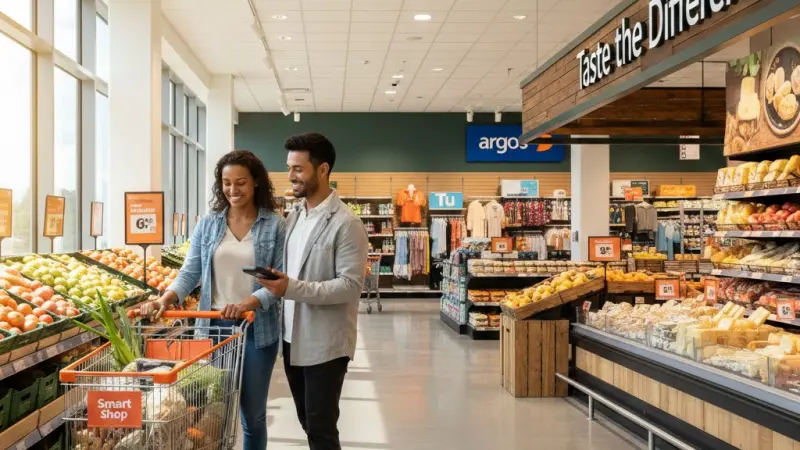
Sainsbury's remains a cornerstone of the British high street and a titan of the United Kingdom’s grocery sector. Founded in eighteen sixty-nine, it has evolved from a single dairy shop on Drury Lane into one of the largest retailers in the country. Today, the brand is synonymous with quality, innovation, and a distinct "Live Well for Less" philosophy that resonates with millions of households across the nation. Whether you are popping in for a quick meal deal or conducting a full weekly shop, the retailer provides a seamless blend of physical convenience and digital excellence. As a major employer and a pioneer in sustainability, the supermarket chain influences not just what people eat, but how the retail industry operates on a global scale. In short, Sainsbury's is a household name that continues to define the standards of modern British consumerism through its commitment to value and service.

Sainsbury's is the second-largest chain of supermarkets in the United Kingdom, holding a significant share of the grocery market. It is part of the J Sainsbury plc group, which also owns Argos and Habitat. The retailer offers a wide range of products including groceries, clothing, and financial services, primarily operating through various store formats such as Superstores and Local convenience shops.
The Evolution of a British Retail Institution
The journey of this retail giant began over a century and a half ago, rooted in the simple desire to provide high-quality butter and milk to the residents of London. John James and Mary Ann Sainsbury focused on cleanliness and efficiency, traits that were revolutionary at the time and helped distinguish their business from the cluttered, often unhygienic markets of the nineteenth century. This foundational commitment to excellence allowed the business to expand rapidly across the capital and eventually the entire country.
Transition to Self Service Shopping
One of the most significant shifts in the company's history occurred in the mid-twentieth century when it pioneered the self-service model. This transition moved away from the traditional counter-service method, allowing customers to browse aisles and select items themselves. It was a move that initially met with some skepticism but ultimately transformed the way the British public engaged with food retail, making shopping a more personal and efficient experience.
Modern Digital Integration
In recent years, the focus has shifted toward a seamless omnichannel experience. By integrating advanced mobile applications and rapid delivery services, the brand ensures that customers can shop whenever and however they choose, maintaining relevance in an era dominated by e-commerce giants and changing consumer habits.
Understanding the Modern Store Portfolio
The physical presence of the brand is diverse, catering to different shopping missions across various demographics. The large-format superstores serve as comprehensive hubs where shoppers can find everything from fresh local produce to the latest technology. These locations are often strategically placed with ample parking and additional services like pharmacies and opticians, making them a one-stop destination for busy families and professionals alike.
Convenience through Local Outlets
Recognising the trend toward smaller, more frequent shopping trips, the "Local" format has become a vital part of the urban landscape. These smaller shops are designed for speed and convenience, offering a curated selection of essentials and high-quality ready meals. They cater perfectly to the "top-up" shop or the evening meal rush, ensuring the brand remains visible in high-density residential areas and transit hubs.
Impact of Argos Integration
The acquisition of Home Retail Group brought Argos into the fold, leading to the installation of digital collection points within supermarket aisles. This move has maximised floor space and provided customers with an unprecedented level of choice, allowing them to collect a vacuum cleaner or a new toy alongside their weekly bread and milk.
The Power of the Nectar Ecosystem
Loyalty is the currency of modern retail, and the Nectar scheme is one of the most successful examples in the world. By offering personalised discounts and the ability to earn points across a vast network of partners, the system creates a deep bond between the retailer and the shopper. This data-driven approach allows for highly targeted marketing, ensuring that customers receive offers that are genuinely relevant to their individual lifestyles and dietary preferences.
Personalised Pricing Strategies
With the introduction of Nectar Prices, the retailer has moved toward a model where the most competitive rates are reserved for members. This strategy not only rewards loyalty but also encourages more frequent engagement with the brand's digital platforms.
It represents a shift from blanket promotions to a more sophisticated, individualised way of managing value for the consumer.
Smart Shop Technology
To further enhance the experience, SmartShop technology allows customers to scan items as they go using a handheld device or their smartphone. This reduces queuing times at the checkout and gives the shopper real-time feedback on their total spend, facilitating better budget management during the shopping trip.
Commitment to Quality and Sourcing
The reputation of the brand is built on the quality of its fresh produce and its relationships with British farmers. By prioritising local sourcing where possible, the company supports the domestic agricultural industry while ensuring that the food on the shelves is as fresh as possible. This commitment extends to organic ranges and speciality labels that cater to the increasingly sophisticated tastes of the UK public.
Ethical Trade and Sustainability
In a world increasingly concerned with climate change and fair wages, the retailer has taken significant steps to improve its ethical footprint. This includes initiatives like the "Plan for Better," which sets out ambitious targets for carbon reduction and plastic waste elimination. By focusing on transparent supply chains, the company aims to provide peace of mind to the conscious consumer.
Premium Range Excellence
The "Taste the Difference" range has become a benchmark for premium supermarket food. By working with expert producers and using high-quality ingredients, the brand offers a gourmet experience at a fraction of the cost of a high-end restaurant, proving that luxury and supermarket shopping are not mutually exclusive.
Financial Services and Beyond
Expansion into the financial sector has provided a way to deepen the relationship with the customer base. From credit cards to insurance and personal loans, the banking arm of the business leverages the trust associated with the main brand. While the landscape of retail banking is changing, the convenience of managing finances through a familiar entity remains a significant draw for many loyalists.
Integration with Shopping Habits
The synergy between the bank and the supermarket is often highlighted through bonus Nectar points and exclusive financial deals for shoppers. This holistic approach ensures that the brand is present in various aspects of the customer’s life, from their daily coffee to their mortgage or car insurance policy, creating a multi-faceted brand experience.
Moving toward Digital Banking
As the world moves away from physical bank branches, the digital interface of the financial services division has become increasingly important. Robust security measures and user-friendly apps allow customers to manage their money with the same ease that they manage their online grocery orders.
Clothing and Lifestyle with Tu
The "Tu" clothing brand has grown to become one of the UK’s most popular fashion labels by volume. By offering stylish, affordable, and durable clothing for all ages, the retailer has successfully competed with dedicated high-street fashion houses. The convenience of picking up school uniforms or a seasonal wardrobe update during a grocery shop is a powerful incentive for busy parents.
Focus on Inclusive Fashion
One of the strengths of the clothing range is its inclusivity, offering a wide variety of sizes and styles that cater to diverse body types. This commitment to accessibility has won the brand many admirers and has helped to solidify its position as a go-to destination for family fashion that does not compromise on quality or ethics.
Collaborations and Design
Regular collaborations with designers and a focus on trend-led pieces ensure that the range remains fresh and exciting. By balancing timeless staples with modern
flourishes, the brand manages to appeal to a broad demographic, keeping the aisles busy even outside of peak grocery shopping hours.
Common Mistakes to Avoid when Shopping
Maximising value at a major retailer requires a bit of strategy, and many shoppers overlook simple ways to save. One common error is ignoring the power of the Nectar app, which often contains specific vouchers that are not automatically applied at the till. Furthermore, failing to check the unit price (e.g., price per kilogram) can lead to spending more on "bulk" packs that are actually more expensive than individual items.
Overlooking Own Brand Alternatives
Many consumers remain fiercely loyal to big-name brands, often paying a premium for identical ingredients found in the supermarket’s own-label products. The "Stamford Street" or standard own-brand ranges frequently perform just as well in blind taste tests, offering significant savings over the course of a year without sacrificing quality.
Ignoring Seasonal Reductions
Shopping at the wrong time of day can also mean missing out on "yellow label" reductions. While it is important not to buy food just because it is cheap, being aware of when fresh items are marked down for quick sale can drastically reduce the cost of a weekly shop, especially for items that can be frozen for later use.
Practical Steps for a Smarter Shop
To truly master the grocery run, one should begin with a digital-first mindset. This means checking the app for "My Coupons" before entering the store and using the SmartShop scanners to track spending in real-time. Planning meals around the seasonal "Price Lock" items ensures that you are taking advantage of long-term price stability on essential goods.
Efficient Store Navigation
Learn the layout of your local branch to avoid aimless wandering, which often leads to impulse purchases. By sticking to a list and navigating from the heavy items to the delicate produce, you ensure that your shopping remains organised and that your budget stays intact. Using reusable bags not only helps the environment but can also save you the small but cumulative cost of purchasing new ones.
Leveraging Online Convenience
For those with limited time, the delivery pass is an excellent investment. By paying a flat annual or monthly fee, you can eliminate delivery charges on orders, making it easier to shop little and often without the physical strain of visiting a store. This also allows for better price comparison and less exposure to the tempting displays found in-store.
The Future Outlook for the Brand
As we look toward the next decade, the integration of artificial intelligence and automated logistics will likely define the brand's trajectory. We can expect even more personalised shopping experiences, perhaps with smart kitchens that automatically add items to your basket as you run low. The focus on sustainability will only intensify, with a move toward fully circular packaging and carbon-neutral supply chains.
Hyper Personalised Retail
The future will likely see the end of the "one size fits all" supermarket experience. Through the analysis of purchasing data, the brand will be able to offer bespoke
health and wellness advice, suggesting products that align with specific nutritional goals or environmental concerns, making the supermarket a partner in the customer's wellbeing.
Automation and Robotics
Behind the scenes, the use of robotics in fulfilment centres will continue to speed up online orders, while in-store, we may see more frictionless payment systems where the need for a traditional checkout is eliminated entirely. This evolution will ensure that the retailer remains at the cutting edge of the global retail industry for another century.
Frequently Asked Questions
How can I maximise my Nectar points during a shop?
To get the most out of the loyalty scheme, always check the mobile app before you visit the store to activate personalised offers. Use a Nectar credit card for your purchases to earn points on every pound spent, and keep an eye out for "Big Points" events. Scanning your card at partner retailers like eBay or Argos also helps your balance grow much faster over time.
What is the difference between Sainsbury's Local and Superstores?
Superstores are large-format locations offering a comprehensive range of groceries, clothing, and general merchandise, often including an Argos counter and a café. Local stores are smaller convenience outlets situated in urban areas or high streets. They focus on daily essentials and fresh food for immediate consumption, usually with slightly different pricing to reflect the higher operating costs of smaller, central locations.
Does the retailer offer any student or senior citizen discounts?
The brand does not typically offer a blanket percentage discount for students or seniors. Instead, it focuses on providing value through the Nectar Prices initiative and regular promotions available to all customers. Students can, however, benefit from specific deals found on third-party discount platforms and by using the Nectar app to access lower prices on the items they buy most frequently during their studies.
How does the online delivery pass system work?
The delivery pass is a subscription service that allows customers to pay an upfront fee for a set period, covering the cost of all deliveries. There are typically options for midweek passes or any-day passes. This is particularly cost-effective for regular shoppers, as it removes the variable delivery fee on each order, provided a minimum spend threshold—usually forty pounds—is met for each transaction.
What are the brand's current sustainability goals?
Under the "Plan for Better" initiative, the company aims to become Net Zero in its own operations by twenty thirty-five. This includes a massive reduction in single-use plastics, increasing the percentage of healthy products sold, and ensuring that all primary ingredients are sourced sustainably. They are also investing heavily in renewable energy to power their stores and moving toward an entirely electric delivery fleet in the near future.

Disclaimer: The information provided in this article is for general informational and research purposes only. Company details, features, services, and market positions may change over time. Readers are advised to visit official company websites and conduct independent research before making any business decisions or purchasing services.
Most Searchable Keywords

Recent Blogs


Related Listings


Categories
- Accountants (295)
- Advertising Agencies (559)
- Architects (149)
- Automobiles (377)
- Beauty (300)
- Carpenters (146)
- Cleaning Services (386)
- Dentists (189)
- Driving (62)
- Electricians (215)
- Energy (8)
- Event Organiser (685)
- Finance (599)
- Guide (3365)
- Health (2207)
- Information technology (206)
- Legal Services (353)
- Logistics (6)
- Maintenance (65)
- Manufacturing (35)

Sponsored Listings in Locksmith Services


Related Blogs

Gen Z Political Reporters and News Creators i...
Read this insightful article "Gen Z Political Reporters and News Creators in the UK" to expand your knowledge!

Famous Female Social Media Influencers Across...
Read this insightful article "Famous Female Social Media Influencers Across the UK" to expand your knowledge!
Your UK Sponsor Licence 2026 Step by Step Gui...
Read this insightful article "Your UK Sponsor Licence 2026 Step by Step Guide" to expand your knowledge!
Questions & Answers – Find What
You Need, Instantly!
How can I update my business listing?
Is it free to manage my business listing?
How long does it take for my updates to reflect?
Why is it important to keep my listing updated?
