
SMO for Art Restorer in Birmingham
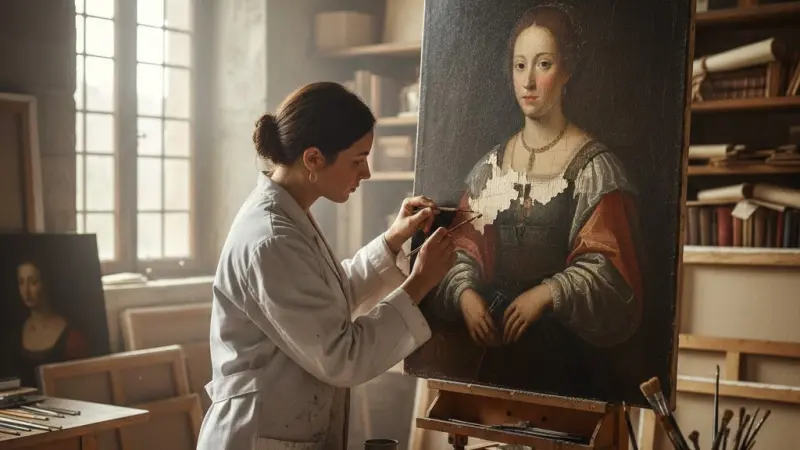
Current Market Scenario for Art Restorers in Birmingham
The art restoration sector in Birmingham is currently navigating a significant shift in how specialist services are discovered and commissioned. As a city with a rich industrial heritage and a burgeoning contemporary arts scene, the demand for high-quality conservation work—ranging from oil paintings to delicate ceramics—remains steady. However, the mechanism of discovery has evolved. Historically, a specialist Art Restorer in Birmingham relied almost exclusively on word-of-mouth recommendations from local galleries, antique dealers, and private collectors. While these traditional networks remain vital, a new generation of collectors and estate executors is turning to digital platforms to identify expertise.
The local market is characterised by high competition for high-value tenders and private commissions. Potential clients in the West Midlands are increasingly sophisticated, often conducting extensive independent research before initiating contact. They look for evidence of meticulous craftsmanship, scientific understanding of materials, and a proven track record of successful projects. In this environment, an Art Restorer who lacks a strategic digital presence often remains invisible to a significant portion of the market, regardless of their technical skill level.
Why Traditional Referrals Alone Are No Longer Sufficient
Relying solely on traditional referrals creates a ceiling for business growth and leaves a practice vulnerable to market fluctuations. In Birmingham, the "old guard" of the arts community is being supplemented by digital-native investors and corporate entities looking to maintain their assets. These clients do not always move in the same circles as traditional dealers. Without a visible digital footprint, an Art Restorer misses the opportunity to enter the consideration set during the crucial initial research phase.
Furthermore, a referral only provides a name; it does not provide the visual proof or the educational depth that a modern client requires. When a potential client hears a name, their first instinct is to search for that professional online. If the search results are sparse or outdated, the trust established by the referral is immediately undermined. Strategic online visibility acts as a multi-layered validation tool, reinforcing offline recommendations with contemporary proof of expertise.
How Potential Clients Search and Choose an Art Restorer
The journey of a client seeking an Art Restorer in Birmingham typically begins with a specific problem: a damaged family heirloom, a darkened varnish on a valuable painting, or a structural crack in a sculpture. Their search intent is highly specific and often emotionally charged. They are not just looking for a service; they are looking for a custodian. They use social platforms and search engines to find specialists who demonstrate an understanding of their specific niche, whether that is 19th-century portraiture or modern mixed-media conservation.
Selection criteria have moved beyond just "location" and "price." Professional UK clients now prioritise transparency of process, the quality of "before and after" documentation, and the articulated philosophy of the restorer. They choose professionals who educate them on the risks of improper restoration and the long-term value of ethical conservation. This is where an SMO Service becomes a bridge between technical expertise and client discovery.
Why SMO Service Is Essential for Art Restorer in Birmingham
Social Media Optimisation (SMO) is the process of enhancing a professional profile to increase visibility and engagement within a specific local market. For an Art Restorer in Birmingham, this is essential because it allows the professional to showcase the "hidden" work of restoration that cannot be captured in a simple text description. It transforms a static practice into a living portfolio that demonstrates daily commitment to the craft.
Visibility gaps often exist because restorers focus so heavily on the work at hand that they neglect the narrative of the work. Many Birmingham practices suffer from a "visibility-competence mismatch," where the most skilled restorers are the least visible, while less experienced competitors capture the market share through better digital positioning. SMO closes this gap by ensuring that the restorer’s authority is projected to the right local audience at the right time.
Lead Quality vs Lead Quantity in Art Restoration
For a specialist Art Restorer, the goal of marketing is rarely to generate a high volume of low-value leads. Instead, the focus must be on attracting high-intent enquiries that lead to significant fee proposals and complex projects. An SMO Service achieves this by pre-qualifying the audience. Through educational content and detailed project showcases, the restorer attracts clients who value quality over cost and understand the investment required for professional conservation.
In Birmingham, a well-optimised presence ensures that the enquiries hitting your inbox are not from people looking for "cheap fixes," but from those who recognise the specialised nature of your work. This alignment of client expectation and professional delivery is the foundation of a sustainable and profitable restoration practice.
Trust Signals and Authority Building
Trust is the primary currency in the art world. An Art Restorer in Birmingham is asking a client to hand over an item that may be worth thousands of pounds—or possess irreplaceable sentimental value. Authority building via SMO involves sharing insights into the restoration process, such as the chemistry of solvents used or the historical research conducted before a treatment begins.
When a Birmingham restorer shares a time-lapse of a delicate cleaning process or an analysis of a canvas's weave, they are sending powerful trust signals.
They are proving their methodology. This transparency builds a level of credibility that a simple advertisement can never achieve, positioning the restorer as a leading authority in the West Midlands region.
Appointment-Driven Conversions and ROI
The ultimate metric for any visibility strategy is its impact on the bottom line. For an Art Restorer, this is measured in booked consultations and accepted tenders. By maintaining a high-authority presence, the transition from a digital viewer to a physical consultation becomes seamless. Clients who have "followed" the progress of your projects online already feel a sense of familiarity and trust, which significantly shortens the sales cycle.
The ROI of an SMO Service for a Birmingham practice is found in the increased conversion rate of enquiries. Because the client is already sold on the restorer’s expertise before the first meeting, the fee proposal is met with less resistance. This leads to higher project margins and a more consistent flow of work, allowing the restorer to focus on the craft rather than the constant hunt for new business.
How Online Visibility Works for Local Art Restorer
Online visibility is not about being "everywhere"; it is about being where your specific clients are looking. For a local Art Restorer in Birmingham, this involves a combination of geographical targeting and niche interest mapping. It means appearing in the feeds of local history enthusiasts, gallery owners, and high-net-worth individuals in areas like Edgbaston, Solihull, and the Jewellery Quarter.
Search intent mapping is a critical component of this. A client searching for "how to clean an old painting" is at the start of their journey (informational intent). A client searching for "Art Restorer in Birmingham" is ready to hire (transactional intent). A professional strategy addresses both: providing value to those in the research phase to build brand recall, while being highly visible to those ready to book a consultation.
Customer Journey: From Discovery to Conversion
The journey from a stranger seeing a post to a client signing a contract follows a logical path. Discovery happens when an optimised post appears in a local search or a shared community group. Interest is sparked by the visual impact of a restoration project. Trust is then built through consistent, high-quality updates that demonstrate long-term reliability.
Finally, conversion occurs when the "friction" of contact is removed. An Art Restorer who has used SMO effectively will have clear calls to action, such as "Book a Studio Consultation" or "Request a Preliminary Assessment." This structured journey ensures that visibility is never wasted and always points toward a commercial outcome.
Competitive Visibility Comparison within Birmingham
In the Birmingham market, there is a clear divide between restorers who treat their online presence as an afterthought and those who treat it as a growth asset. The latter group consistently secures the prestige projects. When two restorers have similar levels of technical skill, the one with the more authoritative and visible digital presence will win the contract 90% of the time. This is because the client perceives the more visible professional as being more "successful" and therefore more "trustworthy."
Key Components of a Professional SMO Framework
A successful SMO strategy for an Art Restorer should include a consistent visual identity, a documented "voice," and a regular publishing schedule. It should focus on high-resolution imagery, detailed captions that explain the "why" behind a restoration choice, and active engagement with the local Birmingham arts community.
Common mistakes include posting inconsistent, low-quality images or using overly technical jargon that alienates the client. Without expert guidance, many restorers also fail to use local tagging and community engagement effectively, meaning their content reaches people in distant countries rather than potential clients in the West Midlands.
Sustainable Results vs Short-Term Gains
Growth in the restoration industry is a marathon, not a sprint. While some marketing tactics might provide a quick spike in followers, an authority-led SMO Service focuses on building a "moat" around the business. This means creating a body of work and a reputation that is difficult for competitors to replicate. Sustainable results are seen in a steady increase in the value of enquiries and a reputation that precedes the restorer in professional circles.
Investment Mindset: Expense vs Growth Asset
Art Restorers must view their digital strategy as an investment in the practice’s infrastructure, similar to purchasing high-quality microscopes or specialist chemicals. It is an asset that appreciates over time.
As the digital footprint grows, the cost of acquiring each new client decreases, and the "gravity" of the brand begins to pull in enquiries organically.
Typical Outcome Timelines for Birmingham Practices
While every practice is different, most Art Restorers in Birmingham see a shift in digital engagement within the first 90 days of a professional SMO programme. By month six, there is typically a measurable increase in local enquiries. By the end of the first year, the digital presence often becomes the primary driver of new, non-referral business, providing a level of stability and predictability that allows for long-term planning and expansion.
Choosing the Right Strategy
Before investing in a visibility service, an Art Restorer should evaluate whether the provider understands the nuances of the art world. Red flags include promises of "viral growth" or "guaranteed rankings" without a focus on lead quality. A strategy should be aligned with the restorer’s specific goals—whether that is moving into more museum-grade work or cornering the local market for private family heirlooms.
Supporting Local Business Visibility Beyond Core Marketing Efforts
While the core focus of an Art Restorer in Birmingham should always be on demonstrating technical skill and authority, there is a supporting layer of visibility that reinforces these efforts. This layer involves ensuring that the practice is easily discoverable through a uk online business directory and other reliable regional platforms.
Using uk verified business listings provides a secondary signal of legitimacy to both search engines and potential clients. When a client sees a restorer mentioned in a uk business directory, it acts as a digital "stamp of approval." A local page uk business directory entry ensures that the physical location and contact details of the Birmingham studio are consistent across the web, which is a key factor in local search algorithms.
For a specialist Art Restorer in Birmingham, maintaining an updated presence on a uk business directory website or a business directory uk online helps to capture "near me" searches from clients who may not yet be following social channels. Even a business listing uk can provide a valuable backlink and a point of entry for new enquiries.
In the competitive West Midlands market, being featured among uk top rated local businesses on a uk local business directory reinforces the restorer's status as a serious professional. To find local businesses uk that offer high-end services, many collectors still browse a local businesses list uk to verify that a provider is established in the area.
Comprehensive uk business listings online and inclusion in a uk service providers directory create a web of citations that support the primary SMO efforts. A business listing uk or a free business listing Birmingham uk ensures that the studio appears in maps and local discovery tools. Ultimately, local business listings uk serve as the foundation of trust upon which the more visual and narrative-driven SMO content is built.
Questions Clients Commonly Ask
How long does it take to see more enquiries from an SMO Service?
Most art restoration practices begin to see a shift in engagement and a higher quality of enquiry within three to four months. The initial phase focuses on correcting existing visibility gaps and establishing a professional narrative. As the content library grows and the local Birmingham audience becomes more aware of the practice, the frequency of enquiries typically accelerates.
Can social media really attract high-value art restoration projects?
Yes, provided the strategy focuses on authority and education rather than "entertainment." High-value collectors and institutions are looking for evidence of expertise and professional ethics.
By showcasing detailed restoration processes and sharing insights into material science, you attract a sophisticated audience that has the budget and the need for premium services.
Is SMO better than traditional advertising for an Art Restorer?
Traditional advertising is often disruptive and lacks the space to demonstrate expertise. SMO is "attraction-based" marketing; it positions you as a helpful expert so that when a client has a need, you are the first person they think of. In the Birmingham art market, being a "trusted name" is far more valuable than being a "loud name."
What kind of content should I be sharing to get more bookings?
The most effective content for restorers includes high-quality "before and after" transitions, close-up shots of delicate work, and explanations of why certain restoration decisions were made. Sharing the "behind the scenes" of your Birmingham studio helps demystify the process and builds the necessary trust for a client to leave their valuables in your care.
Do I need to be on every social platform?
No, it is much more effective to be highly professional on one or two platforms where your target audience spends their time. For Art Restorers, platforms that prioritise high-quality visuals and allow for long-form educational captions are usually the most productive for driving high-value enquiries.
How do I handle competition from larger restoration firms in the West Midlands?
As a specialist or independent restorer, your advantage is your personal oversight and dedicated expertise. Use your digital presence to highlight the bespoke, one-on-one nature of your service. Birmingham clients often prefer dealing directly with the expert who will be doing the work, rather than a large, anonymous corporation.
What is the ROI of professional digital visibility for my practice?
The ROI is measured in the increase of project margins and the reduction of time spent chasing leads. When you are positioned as the leading authority in Birmingham, you can command higher fees and spend less time convincing clients of your value. This leads to a more profitable and less stressful practice.
Does my restoration studio need a large following to be successful?
Not at all. In the niche world of art restoration, it is the quality of your followers that matters. Five enquiries from local estate executors or gallery owners are worth more than five thousand followers from the general public. A targeted local strategy ensures your expertise reaches the decision-makers.
How much time will I need to spend on this each week?
A professional SMO Service is designed to take the burden off the restorer. While you will need to provide the raw materials—such as project photos and technical insights—the strategy, optimisation, and publishing are handled by experts, allowing you to focus on your restoration work.
What happens if I stop the visibility service?
Your digital presence is an asset. While the content created will continue to exist and provide some value, the "momentum" of the algorithm and the consistency of engagement will eventually fade. To maintain a leading position in the Birmingham market, a consistent and active presence is required.
Can you help with museum-grade tenders?
While a digital strategy doesn't write the tender for you, it provides the essential "proof of capability" that procurement officers look for. When a museum or institution searches for your practice during the due diligence phase, a high-authority digital presence serves as a powerful validation of your expertise.
Is my work too "niche" for social media optimisation?
In the digital world, "niche" is a strength. The more specific your expertise—be it medieval manuscript repair or mid-century modern furniture conservation—the easier it is to dominate that specific segment of the Birmingham market. SMO helps those specific clients find you more easily.
How do I track where my enquiries are coming from?
A professional strategy includes setting up simple tracking mechanisms, such as asking every new lead how they discovered your Birmingham studio. Over time, you will see a clear trend of high-value clients mentioning your social profiles or educational content as the reason they chose to contact you.
What should I do if a competitor is copying my content?
Imitation is a sign of your market leadership. However, a professional strategy ensures that your unique "voice" and the specific details of your
Birmingham projects are so deeply integrated into your brand that copies will look obvious and unauthentic to savvy clients.
How do I get started with improving my practice’s visibility?
The first step is a strategic audit of your current online presence to identify visibility gaps. From there, a tailored plan is developed to align your technical expertise with the needs and search behaviors of the Birmingham art conservation market.
Disclaimer: The information provided in this article is for general informational and research purposes only. Company details, features, services, and market positions may change over time. Readers are advised to visit official company websites and conduct independent research before making any business decisions or purchasing services.
Most Searchable Keywords
Recent Blogs


Related Listings



Categories
- Accountants (295)
- Advertising Agencies (559)
- Architects (149)
- Automobiles (377)
- Beauty (300)
- Carpenters (146)
- Cleaning Services (387)
- Dentists (189)
- Driving (62)
- Education (1)
- Electricians (215)
- Energy (8)
- Event Organiser (687)
- Finance (602)
- Guide (3439)
- Health (2207)
- Information technology (206)
- Legal Services (361)
- Logistics (6)
- Maintenance (65)
Sponsored Listings in Painters
Related Blogs

When Is My MOT Due Free Check and Common Fail...
Read this insightful article "When Is My MOT Due Free Check and Common Failures" to expand your knowledge!

Lost V5C Log Book Cost Timescale and Rules
Read this insightful article "Lost V5C Log Book Cost Timescale and Rules" to expand your knowledge!

Intensive Driving Courses: Costs Pass Rates a...
Read this insightful article "Intensive Driving Courses: Costs Pass Rates and Who They Suit" to expand your knowledge!
Questions & Answers – Find What
You Need, Instantly!
How can I update my business listing?
Is it free to manage my business listing?
How long does it take for my updates to reflect?
Why is it important to keep my listing updated?
