
Starting a Business Without Debt Practical Guide
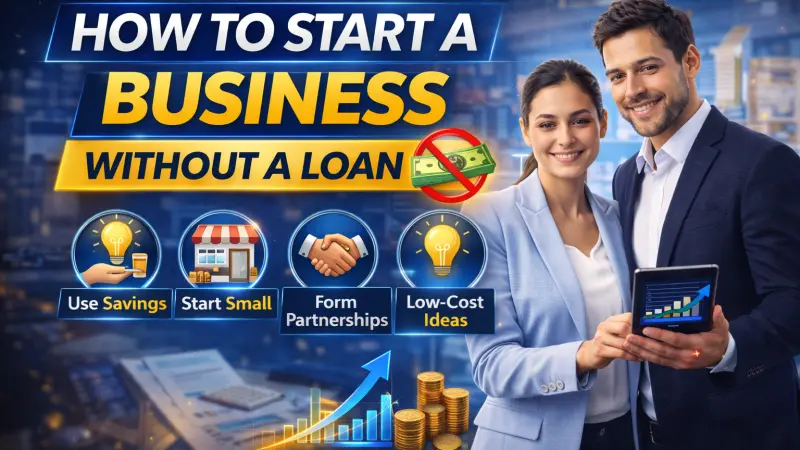
Starting a business is an exciting journey, but many aspiring entrepreneurs believe they need a large loan or significant funding to get started. While funding can help accelerate growth, it is entirely possible to launch a successful business without taking on debt.
In fact, many successful companies began with minimal resources and grew through careful planning, creativity, and smart financial management. Starting without a loan can reduce financial pressure and give you more control over your business decisions.
This article explores practical steps and strategies to help you start a business without a loan, including how to minimise costs, generate early revenue, and build a strong foundation for growth.
Understand Your Business Idea
Before starting, it is important to clearly define your business idea. Identify the problem you want to solve and who your target customers are.
Conduct basic market research to understand demand, competition, and pricing. This helps ensure your idea is viable and reduces the risk of unnecessary expenses.
A clear understanding of your business concept allows you to focus resources effectively and avoid costly mistakes.
Start Small and Keep Costs Low
One of the most effective ways to start a business without a loan is to begin on a small scale. Instead of investing heavily upfront, focus on launching a basic version of your product or service.
This approach allows you to test your idea, gather feedback, and refine your offering without significant financial risk.
Working from home, using free tools, and outsourcing only when necessary can help keep costs manageable.
Create a Simple Business Plan
A business plan does not need to be complex, but it should outline your goals, target market, pricing strategy, and expected expenses.
Planning helps you stay organised and identify potential challenges early. It also ensures you make informed decisions as your business grows.
A clear plan keeps you focused and helps prioritise spending.
Use Your Existing Skills and Resources
Leveraging your existing skills can significantly reduce startup costs. If you already have expertise in a particular area, you can provide services without needing additional training or equipment.
Using resources you already own, such as a computer or workspace, helps minimise expenses.
This approach allows you to start quickly and focus on generating income.
Bootstrap Your Business
Bootstrapping means funding your business using personal savings or revenue generated from early sales rather than external funding.
By reinvesting profits back into the business, you can grow gradually while maintaining full ownership and control.
Bootstrapping encourages careful spending and efficient resource management.
Focus on Generating Early Revenue
Generating revenue as soon as possible helps sustain your business without needing a loan.
Offer services or products that can be delivered quickly and require minimal investment.
Early income can be reinvested into marketing, tools, or product development to support growth.
Use Low Cost Marketing Strategies
Marketing does not have to be expensive. Social media platforms, content marketing, networking, and word of mouth are effective ways to promote your business without a large budget.
Creating valuable content and engaging with your audience helps build brand awareness and attract customers.
Low cost marketing strategies can deliver strong results when used consistently.
Consider Alternative Funding Options
If you need additional support, consider alternative funding options such as crowdfunding, grants, or partnerships instead of traditional loans.
These options can provide financial support without the burden of debt.
Exploring creative funding sources allows you to grow while maintaining financial stability.
Build Strong Relationships and Network
Networking can open doors to new opportunities, partnerships, and customers. Building relationships with other entrepreneurs and industry professionals can provide valuable support and advice.
Strong networks can also lead to collaborations that help grow your business without significant costs.
Engaging with business communities helps you stay informed and inspired.
Keep Your Expenses Under Control
Monitoring your expenses is essential when starting without a loan. Track spending carefully and prioritise essential costs.
Avoid unnecessary purchases and focus on investments that directly support revenue generation.
Maintaining financial discipline helps ensure your business remains sustainable.
Embrace Technology and Free Tools
There are many free or low cost tools available to help manage your business, including accounting software, project management platforms, and marketing tools.
Using these resources can improve efficiency without increasing expenses.
Technology allows small businesses to operate professionally with minimal investment.
Be Prepared to Learn and Adapt
Starting a business without a loan requires flexibility and willingness to learn. Be open to feedback and adjust your strategies as needed.
Continuous learning helps you improve your products, services, and processes over time.
Adaptability is key to overcoming challenges and achieving long term success.
Advantages of Starting Without a Loan
Launching a business without debt reduces financial risk and pressure. You have more freedom to make decisions and grow at your own pace.
It also encourages careful spending and efficient use of resources.
Many entrepreneurs find that starting without a loan builds stronger financial discipline.
Challenges to Expect
Starting without external funding can require patience and creativity. Growth may be slower compared to businesses with large investments.
However, careful planning and consistent effort can help overcome these challenges.
Understanding potential obstacles helps you prepare and stay focused on your goals.
Starting a business without a loan is not only possible but can also be a smart approach for many entrepreneurs. By starting small, keeping costs low, and focusing on generating revenue early, you can build a strong foundation for growth without taking on debt.
Using your existing skills, leveraging free tools, and exploring alternative funding options can help you launch successfully while maintaining financial stability.
With careful planning, discipline, and persistence, you can turn your business idea into a successful venture without relying on loans.
FAQs
1 Can I start a business without a loan Yes many businesses start successfully using savings, bootstrapping, or alternative funding.
2 What is bootstrapping Bootstrapping means funding your business using personal savings or early revenue.
3 Is starting without a loan risky It reduces financial risk but may require careful planning and slower growth.
4 How can I keep startup costs low Work from home, use free tools, and start with a simple version of your product or service.
5 What are alternative funding options Crowdfunding, grants, partnerships, and personal savings are common alternatives.
6 How can I generate revenue quickly Offer services or products that require minimal upfront investment.
7 Do I need a business plan Yes even a simple plan helps guide decisions and manage expenses.
8 Can online businesses start without funding Yes many online businesses can start with minimal investment.
9 What are the benefits of starting without debt More financial control, less pressure, and reduced risk.
10 How can I market my business on a budget Use social media, content marketing, and networking.
11 How long does it take to become profitable It varies depending on the business model and strategy.
12 Can I grow a business without external funding Yes many businesses grow gradually by reinvesting profits.
13 What skills help when starting without funding Planning, budgeting, marketing, and adaptability are important.
14 Should I track expenses from the start Yes tracking expenses helps maintain financial control.
15 Is starting small a good strategy Yes starting small allows you to test your idea and reduce risk.
Disclaimer: The information provided in this article is for general informational and research purposes only. Company details, features, services, and market positions may change over time. Readers are advised to visit official company websites and conduct independent research before making any business decisions or purchasing services.
Most Searchable Keywords
Recent Blogs


Related Listings
Categories
- Accountants (295)
- Advertising Agencies (559)
- Architects (149)
- Automobiles (377)
- Beauty (300)
- Carpenters (146)
- Cleaning Services (387)
- Dentists (189)
- Driving (62)
- Electricians (215)
- Energy (8)
- Event Organiser (686)
- Finance (602)
- Guide (3372)
- Health (2207)
- Information technology (206)
- Legal Services (353)
- Logistics (6)
- Maintenance (65)
- Manufacturing (35)
Sponsored Listings in Travel Agencies



Related Blogs

How Much Do UK Actors Really Earn Full Indust...
Read this insightful article "How Much Do UK Actors Really Earn Full Industry Breakdown" to expand your knowledge!

Blue Light Card UK 2026 Check Eligibility and...
Read this insightful article "Blue Light Card UK 2026 Check Eligibility and Claim" to expand your knowledge!

BBC Radio 1 DJs Net Worth Ranking Revealed
Read this insightful article "BBC Radio 1 DJs Net Worth Ranking Revealed" to expand your knowledge!
Questions & Answers – Find What
You Need, Instantly!
How can I update my business listing?
Is it free to manage my business listing?
How long does it take for my updates to reflect?
Why is it important to keep my listing updated?
