
Starting or Choosing Cafes & Tea Rooms: A Complete Guide
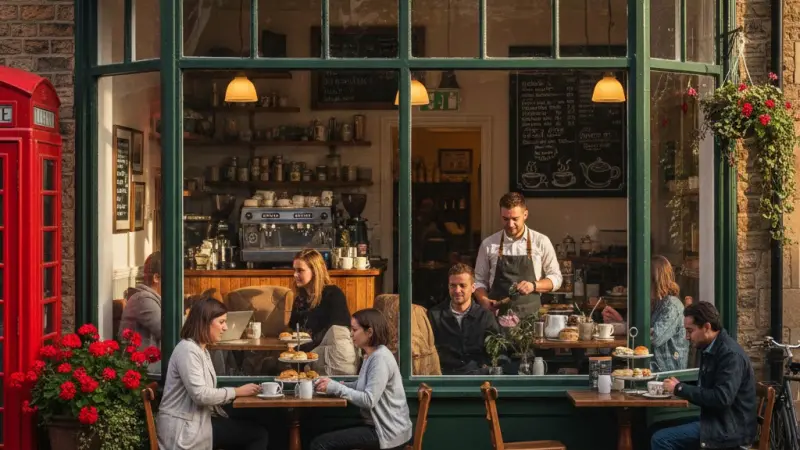
The British high street has undergone a profound transformation over the last decade, but if there is one constant that remains the heartbeat of our communities, it is the humble cafe and the traditional tea room. In the United Kingdom, the Cafes, Snack Bars & Tea Rooms sector is more than just a convenience; it is a vital pillar of the hospitality industry and a significant contributor to the national economy. From the bustling espresso bars of London to the quaint, lace-curtained tea rooms of the Cotswolds, this sector facilitates social cohesion, provides essential employment, and serves as a primary driver for local footfall.

Economically, the sector is robust. While many retail formats have struggled against the rise of e-commerce, the "experience economy"—of which cafes are a central part—continues to thrive. People cannot download a freshly brewed flat white or the atmosphere of a heritage tea room. Consequently, entrepreneurs and consumers alike are increasingly looking toward this niche. Whether you are an aspiring business owner looking to enter the market or a consumer seeking the perfect local spot, understanding the mechanics of this industry is essential. In an age where digital presence is everything, many of these establishments rely on being found through a uk online business directory to maintain their competitive edge.
The sector also acts as a gateway for small business ownership. It offers a diverse range of entry points, from mobile snack bars and pop-up coffee carts to high-end artisanal tea houses. For the UK economy, these businesses represent a massive portion of the SME (Small and Medium Enterprise) landscape, often acting as the first step for young entrepreneurs. As we delve into this guide, we will explore the intricacies of the landscape, the variety of services on offer, and how to navigate the choices available in today’s sophisticated market.
The Landscape of Cafes, Snack Bars & Tea Rooms in the UK
The current landscape of the UK cafe and tea room market is characterized by a fascinating duality between large-scale chains and a surging independent sector. As of recent years, the market size for coffee shops alone in the UK has exceeded £10 billion, with thousands of independent operators providing a unique, localized alternative to global brands. The evolution of this industry post-pandemic has been particularly noteworthy. While the lockdowns of 2020 and 2021 presented existential threats, they also catalyzed a shift toward "localism."
Post-pandemic, we have seen a significant migration of activity from city centers to suburban and rural areas. Remote working has turned residential neighborhoods into daytime hubs, increasing the demand for high-quality local cafes. Regions such as the South West, known for its "cream tea" culture, and the North West, with its thriving "brunch" scenes in cities like Manchester, have seen remarkable resilience. To find these hidden gems, consumers frequently turn to a uk local business directory to discover what is available in their immediate vicinity.
The industry has also evolved in its offering. The modern British consumer is more educated about their beverages than ever before. We have moved past the "First Wave" of commodity coffee and the "Second Wave" of branded chains into a "Third Wave" that prioritizes the origin of the bean, the ethics of the supply chain, and the skill of the barista. Similarly, tea rooms have seen a revival, blending traditional Victorian aesthetics with modern dietary inclusivity, such as vegan afternoon teas and gluten-free scones. This evolution ensures that the sector remains relevant to a younger, more conscious demographic.
Furthermore, the rise of the "snack bar" has seen a revival in the form of high-end street food and "grab-and-go" gourmet options. As the pace of life accelerates, the demand for quick, high-quality sustenance has led to a boom in specialized snack bars that focus on niche products—be it sourdough toasties, protein-heavy snacks for the fitness-conscious, or ethnic-inspired street eats. Navigating this dense market requires both business owners and customers to utilize a uk business directory to filter through the vast array of options.
Comprehensive Services Breakdown
To truly understand this sector, one must look at the diverse range of services and products that define it. The modern cafe is rarely "just" a coffee shop; it is a multi-functional space.
The Speciality Coffee House
These establishments focus on the craft of coffee. Services often include a variety of brewing methods—V60 pour-overs, AeroPress, and precision-engineered espresso. They often sell retail bags of beans and offer "cupping" events to educate the public. For these businesses, visibility is key, and many start their journey by securing a business listing uk to attract the local "coffee geek" community.
Traditional British Tea Rooms
The tea room remains a staple of British heritage. Services here revolve around the ritual of afternoon tea, including tiered stands of finger sandwiches, scones with clotted cream and jam, and a wide selection of loose-leaf teas. These venues often cater to events like baby showers, birthdays, and "hen pars."
Snack Bars and Work-Cafes
With the rise of the "digital nomad," many cafes now explicitly offer services tailored to remote workers, such as high-speed Wi-Fi, ample power outlets, and "quiet zones." Snack bars, meanwhile, have pivoted toward healthy, functional foods that can be consumed on the move, often focusing on breakfast pots, wraps, and cold-pressed juices.
Artisan Bakeries and Patisseries
A growing trend within the sector is the hybrid bakery-cafe. These establishments provide the service of on-site baking, allowing customers to enjoy bread and pastries fresh from the oven.
The sensory appeal of the smell of baking bread is a powerful marketing tool that helps these businesses stand out on any business listing uk.
Dietary Specialist Cafes
In response to the UK’s changing palate, we have seen a rise in dedicated vegan, keto, and gluten-free cafes. These service providers offer a safe haven for those with allergies or lifestyle preferences, providing specialized menus that traditional restaurants might lack.
How to Choose the Right Service Provider
For the consumer, the sheer volume of choices can be overwhelming. Choosing the right cafe or tea room involves more than just picking the nearest door. Here is what to look for to ensure a high-quality experience.
Accreditations and Hygiene Ratings
First and foremost, check the Food Hygiene Rating issued by the local authority. A rating of 5 is the gold standard. Additionally, look for industry-specific accreditations, such as membership in the Speciality Coffee Association (SCA) or the UK Tea Guild.
Reviews and Social Proof
In the digital age, a business's reputation is etched in its online reviews. Look for consistency in feedback. A single bad review can be an outlier, but a pattern of complaints regarding cleanliness or service should be a red flag. Checking uk verified business listings can help you find establishments that have been vetted by the community.
Insurance and Safety
While customers rarely ask to see an insurance certificate, reputable businesses will clearly display their public liability insurance and health and safety policies. This indicates a professional operation that takes the well-being of its patrons seriously.
Local Reputation and Sourcing
The best cafes often have deep roots in their community. They source their milk from local dairies, their bread from local bakers, and their cakes from local producers. This not only supports the local economy but usually results in a fresher, superior product. You can often find these community-focused spots by searching through local business listings uk.
Atmosphere and "Vibe"
Finally, the "right" provider depends on your needs. Are you looking for a quiet corner to read, or a vibrant, noisy spot for a catch-up with friends? The interior design, music choice, and even the type of seating (armchairs vs. stools) are all services in themselves that define the customer experience.
Industry Challenges & Future Outlook
The sector is currently navigating a period of significant challenge and opportunity. The primary hurdle is the "cost of doing business" crisis. Rising energy prices, fluctuating milk and coffee bean costs (due to climate change and geopolitical issues), and labor shortages have squeezed margins. However, these challenges are driving a wave of innovation.
Technology Shifts
We are seeing a massive shift toward automation in the "back of house" to combat labor costs, while the "front of house" remains focused on human connection. Mobile ordering apps and loyalty integrations are now standard. To keep up with these technological demands, savvy owners ensure they are listed on a business listing uk to stay integrated with modern search habits.
Sustainability and Green Initiatives
The future of the UK cafe is green. From the elimination of single-use plastics to the implementation of "circular economy" practices—such as using spent coffee grounds for fertilizer or energy—sustainability is no longer optional. Consumers are increasingly choosing where to spend their money based on an establishment's environmental credentials.
Regulatory Changes
Changes in UK labeling laws (such as Natasha’s Law regarding allergen labeling on pre-packed foods) have required businesses to be more transparent. This regulatory pressure, while demanding, has increased consumer trust across the board. The outlook for the sector remains positive, provided businesses can adapt to these shifts in consumer behavior and regulatory requirements.
Business Tips for Cafes, Snack Bars & Tea Rooms Professionals
For those operating within this sector, the competition is fierce. To survive
and thrive, a multifaceted marketing approach is required.
Digital Visibility
If your business is not online, it effectively doesn't exist for a large portion of the population. Ensuring your business appears in uk service listings is the first step in a robust digital strategy. Your Google Business Profile and local directory entries must be optimized with high-quality photos and up-to-date opening hours.
Local SEO
Search Engine Optimization isn't just for global corporations. Local SEO ensures that when someone searches for "best coffee near me," your shop appears. This involves using local keywords on your website and maintaining consistent information across all uk top rated local businesses platforms.
Social Media Engagement
Instagram and TikTok are the natural homes for cafes and tea rooms. The visual nature of latte art, "Instagrammable" decor, and decadent cakes allows for organic reach. Encourage your customers to tag you in their posts to create a stream of user-generated content.
Loyalty Programs
It is significantly cheaper to retain an existing customer than to acquire a new one. Digital or physical loyalty cards, "subscriber" models for coffee, and community events can build a dedicated "tribe" around your brand.
Wrapping Up & Local Page Integration
The Cafes, Snack Bars & Tea Rooms sector is the lifeblood of the UK’s social and economic fabric. As we have explored, the industry is evolving rapidly, driven by technological advancements, a renewed focus on sustainability, and a sophisticated consumer base that values quality and transparency. Whether you are navigating the high street as a customer or building a brand as an entrepreneur, the key to success lies in connection and visibility.
For businesses looking to stand out in this crowded marketplace, being part of a reputable uk local business directory is essential. It bridges the gap between the physical shopfront and the digital search, ensuring that your passion for service is matched by your discoverability. As the industry moves forward, those who embrace digital tools while maintaining the "human touch" of traditional hospitality will be the ones who define the future of the British cafe culture.
Boost Your Visibility with Local Page UK
In the competitive world of hospitality, being found by local customers is the difference between a thriving business and an empty shop. For those in the Cafes, Snack Bars & Tea Rooms sector, your digital footprint is your modern-day storefront. We encourage all UK business owners to take control of their online presence. Claim your business listing uk on Local Page UK today. By joining our platform, you join a network of the finest local establishments, making it easier for the community to find, review, and support your business.
Frequently Asked Questions
1. What are the legal requirements for starting a cafe in the UK?
To start a cafe in the UK, you must register your business with the local authority's environmental health department at least 28 days before opening. You are required to have a food safety management plan based on HACCP principles. Additionally, you need public liability insurance and must comply with the Regulatory Reform (Fire Safety) Order. If you plan to play music, a PPL/PRS license is necessary. Ensuring your business is listed on a Local Page can also help you stay compliant with local visibility standards.
2. How much does it cost to open a small tea room in the UK?
The cost can vary significantly based on location and scale. A small, independent tea room typically requires between £20,000 and £100,000 in initial capital.
This covers shop fitting, kitchen equipment (ovens, refrigeration, commercial dishwashers), initial stock, furniture, and marketing. Rent deposits and "working capital" for the first six months of trading are also critical components of your startup budget.
3. What is the difference between a cafe and a tea room?
While the terms are often used interchangeably, a cafe traditionally focuses on coffee and light meals (like paninis or salads) with a more casual, often modern atmosphere. A tea room is usually more formal or heritage-focused, specializing in a wide variety of teas and traditional baked goods like scones, cakes, and finger sandwiches, often centered around the "Afternoon Tea" experience.
4. How can I find the best-rated cafes in my local area?
The most effective way to find top-rated local spots is to use a dedicated local search tool. By browsing through find local businesses uk platforms, you can filter by category, read verified customer reviews, and view hygiene ratings to ensure you are choosing a high-quality establishment.
5. Why is digital visibility important for a local snack bar?
Most customers now use their smartphones to find food "near me." If your snack bar isn't listed online, you are missing out on significant footfall. A presence on Localpage ensures that your menu, location, and hours are accessible to hungry commuters and locals searching for a quick bite.
6. What insurance does a cafe owner need?
At a minimum, you need Public Liability Insurance to protect against claims from customers who might get injured or suffer property damage. If you have employees, Employers' Liability Insurance is a legal requirement. You should also consider Product Liability Insurance (in case of food poisoning) and Business Interruption Insurance to protect your income.
7. How do I improve my cafe's food hygiene rating?
To achieve a 5-star rating, focus on three areas: hygienic food handling, the physical condition of your premises, and food safety management documentation. Ensure all staff are trained, maintain rigorous cleaning logs, and keep your "SFBB" (Safer Food, Better Business) pack up to date for inspection.
8. What are the current trends in the UK coffee industry?
Current trends include the rise of "oat milk" as the dominant dairy alternative, a focus on "single-origin" beans, and the growth of iced coffee drinks even in winter months. Sustainability, such as compostable cups and carbon-neutral roasting, is also a major factor for modern consumers.
9. Can I run a cafe from my home in the UK?
Yes, but you must still register with your local council and pass a food hygiene inspection. You may also need planning permission if the "character" of your home changes significantly, and you must check your mortgage or rental agreement to ensure home-based businesses are permitted.
10. How do I market my tea room to a younger demographic?
To attract younger customers, focus on "visual" marketing. Offer unique, photogenic items like themed afternoon teas or colorful herbal infusions. Use social media to showcase your interior design and ensure you have a strong presence on a uk local business directory where younger tech-savvy users are likely to find you.
11. What is Natasha’s Law and how does it affect cafes?
Natasha’s Law requires businesses to provide full ingredient lists and allergen labeling on foods that are pre-packed for direct sale (PPDS) on the premises. This means any sandwich or cake you wrap and put in a display fridge must be clearly labeled to protect customers with allergies.
12. Is it better to buy a franchise or start an independent cafe?
A franchise offers a proven business model and brand recognition but comes with high fees and less creative freedom. An independent cafe allows for complete control and lower ongoing costs but carries a higher risk of failure in the early stages. Your choice depends on your risk appetite and experience.
13. How can I reduce food waste in my snack bar?
Implement a "First In, First Out" (FIFO) system in your storage. Use seasonal ingredients that have a longer shelf life or can be used in multiple dishes. Consider partnering with apps that allow you to sell "surplus" food at the end of the day at a discount to local residents.
14. What are the most profitable items to sell in a cafe?
Beverages—specifically coffee and tea—have the highest profit margins, often exceeding 80%. Baked goods like muffins and traybakes also perform well.
High-labor items like cooked-to-order hot meals typically have lower margins but help drive overall footfall and "average spend" per head.
15. How do I list my cafe on a UK business directory?
Listing your business is a straightforward process. Visit a reputable site like Local page, click on the "List Your Business" or "Add Listing" button, and fill in your details including name, address, phone number, and website. This instantly boosts your local SEO and helps customers find you more easily.

Disclaimer: The information provided in this article is for general informational and research purposes only. Company details, features, services, and market positions may change over time. Readers are advised to visit official company websites and conduct independent research before making any business decisions or purchasing services.
Most Searchable Keywords

Recent Blogs
Related Listings

Categories
- Accountants (295)
- Advertising Agencies (559)
- Architects (149)
- Automobiles (377)
- Beauty (300)
- Carpenters (146)
- Cleaning Services (386)
- Dentists (189)
- Driving (62)
- Electricians (215)
- Energy (8)
- Event Organiser (685)
- Finance (599)
- Guide (3365)
- Health (2207)
- Information technology (206)
- Legal Services (353)
- Logistics (6)
- Maintenance (65)
- Manufacturing (35)
Sponsored Listings in Locksmith Services

Related Blogs

Gen Z Political Reporters and News Creators i...
Read this insightful article "Gen Z Political Reporters and News Creators in the UK" to expand your knowledge!

Famous Female Social Media Influencers Across...
Read this insightful article "Famous Female Social Media Influencers Across the UK" to expand your knowledge!
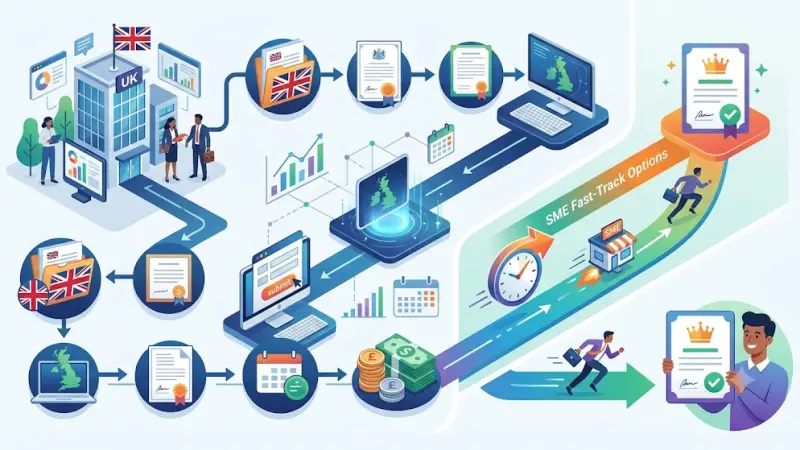
Your UK Sponsor Licence 2026 Step by Step Gui...
Read this insightful article "Your UK Sponsor Licence 2026 Step by Step Guide" to expand your knowledge!
Questions & Answers – Find What
You Need, Instantly!
How can I update my business listing?
Is it free to manage my business listing?
How long does it take for my updates to reflect?
Why is it important to keep my listing updated?
