
Sustainable Architecture in London: Green Building Trends for 2025
- 👤 AI Content Generator
- 👁️ 87 Views
- Last Updated: December 24, 2025
- 🏷️ Architects

London, a global hub for innovation and design, is increasingly embracing sustainable architecture as a core principle for future development. As we approach 2025, the emphasis on environmentally conscious building practices is no longer a niche trend but a fundamental requirement. The city's commitment to reducing its carbon footprint, coupled with growing awareness of the impact of buildings on the environment, is driving significant changes in the architectural landscape. Sustainable architecture in London encompasses a wide range of strategies, from utilizing eco-friendly materials and energy-efficient designs to incorporating green spaces and promoting biodiversity. These practices aim to minimize the environmental impact of buildings throughout their lifecycle, from construction to operation and eventual demolition. The shift towards sustainability is not only driven by environmental concerns but also by economic benefits, such as reduced energy costs and increased property values. Furthermore, sustainable buildings contribute to the well-being of occupants by providing healthier and more comfortable living and working environments. This holistic approach to building design is transforming London's skyline, creating a more resilient and sustainable urban environment for future generations. The integration of smart technologies, such as automated energy management systems and water conservation technologies, is further enhancing the efficiency and sustainability of new and renovated buildings. London's leadership in sustainable architecture is setting a precedent for other cities around the world, demonstrating the potential for innovative design to address the challenges of climate change and urbanization. The collaboration between architects, developers, policymakers, and the community is crucial in driving the adoption of sustainable building practices and creating a greener, more livable city.

Exploring Key Facets of Sustainable Architecture in London
Eco-Friendly Materials and Construction Techniques
The foundation of sustainable architecture lies in the selection of eco-friendly materials and the implementation of sustainable construction techniques. This involves prioritizing materials with low embodied energy, meaning the total energy required to extract, process, manufacture, and transport them. Examples include timber from sustainably managed forests, recycled steel, bamboo, and locally sourced stone. Innovative materials like mycelium (mushroom-based) bricks and recycled plastic composites are also gaining traction. Sustainable construction techniques focus on minimizing waste, reducing water consumption, and preventing pollution during the building process. Modular construction, which involves prefabricating building components off-site, is becoming increasingly popular due to its efficiency and reduced environmental impact. Another crucial aspect is the implementation of waste management strategies to recycle or reuse construction debris, diverting it from landfills. Furthermore, incorporating passive design principles, such as optimizing building orientation to maximize natural light and ventilation, can significantly reduce the need for artificial lighting and air conditioning, thereby lowering energy consumption. The use of green roofs and walls not only enhances the aesthetic appeal of buildings but also provides insulation, reduces stormwater runoff, and improves air quality. By embracing eco-friendly materials and sustainable construction techniques, London's architects are creating buildings that are not only environmentally responsible but also contribute to a healthier and more sustainable urban environment. The integration of life cycle assessment (LCA) tools helps to evaluate the environmental impact of different material choices and construction methods, enabling informed decision-making throughout the building process.
- Prioritizing materials with low embodied energy, such as timber, recycled steel, and bamboo.
- Implementing modular construction techniques to reduce waste and improve efficiency.
- Adopting waste management strategies to recycle or reuse construction debris.
- Incorporating passive design principles to maximize natural light and ventilation.
- Utilizing green roofs and walls for insulation, stormwater management, and air quality improvement.
Energy Efficiency and Renewable Energy Integration
Energy efficiency is a cornerstone of sustainable architecture, aiming to minimize the energy consumption of buildings through various design and technological solutions. High-performance insulation, airtight building envelopes, and energy-efficient windows and doors are essential components in reducing heat loss and gain, thereby lowering the demand for heating and cooling. Smart building technologies, such as automated lighting and HVAC (heating, ventilation, and air conditioning) systems, can optimize energy usage based on occupancy and environmental conditions. Renewable energy integration involves incorporating on-site renewable energy sources, such as solar panels, wind turbines, and geothermal systems, to generate clean energy and reduce reliance on fossil fuels. Solar photovoltaic (PV) panels are becoming increasingly common on rooftops and building facades, converting sunlight into electricity. Ground source heat pumps utilize the earth's constant temperature to provide efficient heating and cooling. Furthermore, integrating energy storage solutions, such as batteries, can help to store excess renewable energy for later use, enhancing the reliability and resilience of the building's energy supply. The implementation of smart grids and energy management systems allows buildings to interact with the wider energy network, optimizing energy consumption and contributing to grid stability. By prioritizing energy efficiency and renewable energy integration, London's architects are creating buildings that are not only environmentally friendly but also economically viable, reducing energy costs and enhancing property values. The adoption of net-zero energy building designs, which aim to generate as much energy as they consume annually, is a growing trend in London's sustainable architecture scene.
- Implementing high-performance insulation and airtight building envelopes.
- Utilizing smart building technologies for automated lighting and HVAC control.
- Integrating on-site renewable energy sources, such as solar panels and wind turbines.
- Employing ground source heat pumps for efficient heating and cooling.
- Adopting net-zero energy building designs to minimize energy consumption.
Water Conservation and Management Strategies
Water conservation is an integral aspect of sustainable architecture, particularly in urban environments like London, where water resources are under increasing pressure. Implementing water-efficient fixtures and appliances, such as low-flow toilets, showerheads, and faucets, can significantly reduce water consumption within buildings. Rainwater harvesting systems collect rainwater from rooftops and other surfaces, storing it for non-potable uses like irrigation, toilet flushing, and cleaning. Greywater recycling systems treat wastewater from showers, sinks, and laundry, allowing it to be reused for similar non-potable applications. Sustainable drainage systems (SuDS) manage stormwater runoff by mimicking natural drainage processes, reducing the burden on municipal drainage systems and minimizing the risk of flooding. Green roofs and permeable pavements help to absorb rainwater, reducing runoff and replenishing groundwater supplies. Water-efficient landscaping, using native and drought-tolerant plants, minimizes the need for irrigation. Furthermore, implementing water monitoring and leak detection systems can help to identify and address water wastage issues promptly. By prioritizing water conservation and management strategies, London's architects are creating buildings that are not only environmentally responsible but also contribute to the sustainable management of water resources. The integration of smart water meters and data analytics can provide valuable insights into water consumption patterns, enabling further optimization and conservation efforts. The adoption of water-sensitive urban design principles is crucial in creating a more resilient and sustainable urban environment.
- Implementing water-efficient fixtures and appliances, such as low-flow toilets and showerheads.
- Utilizing rainwater harvesting systems for non-potable water uses.
- Employing greywater recycling systems to treat and reuse wastewater.
- Implementing sustainable drainage systems (SuDS) to manage stormwater runoff.
- Adopting water-efficient landscaping with native and drought-tolerant plants.
Indoor Environmental Quality and Occupant Well-being
Sustainable architecture extends beyond environmental considerations to encompass the health and well-being of building occupants. Indoor environmental quality (IEQ) refers to the conditions inside a building that affect the health, comfort, and productivity of its occupants. Key aspects of IEQ include air quality, thermal comfort, lighting, and acoustics. Natural ventilation and filtration systems can improve air quality by removing pollutants and allergens. The use of low-VOC (volatile organic compound) materials, such as paints, adhesives, and flooring, minimizes the emission of harmful chemicals into the indoor environment. Biophilic design, which incorporates natural elements and patterns into the built environment, can enhance occupant well-being and reduce stress. Access to natural light and views of nature has been shown to improve mood, productivity, and cognitive function. Ergonomic design principles ensure that workspaces are comfortable and supportive, reducing the risk of musculoskeletal disorders. Acoustic design strategies minimize noise pollution and create a more peaceful and productive environment. Furthermore, promoting active design principles, such as incorporating staircases and walking paths, encourages physical activity and improves overall health. By prioritizing indoor environmental quality and occupant well-being, London's architects are creating buildings that are not only environmentally sustainable but also contribute to a healthier and more fulfilling living and working environment. The integration of smart sensors and monitoring systems can provide real-time feedback on IEQ parameters, enabling adjustments to optimize conditions for occupant comfort and health.
- Improving air quality through natural ventilation and filtration systems.
- Using low-VOC materials to minimize the emission of harmful chemicals.
- Incorporating biophilic design elements to enhance occupant well-being.
- Maximizing access to natural light and views of nature.
- Promoting active design principles to encourage physical activity.
Strategies for Implementing Sustainable Architecture in London
Adopting a Holistic Design Approach
A holistic design approach is crucial for successful implementation of sustainable architecture. This involves considering all aspects of the building's lifecycle, from initial design and construction to operation, maintenance, and eventual demolition or reuse. It requires collaboration between architects, engineers, contractors, and other stakeholders to ensure that sustainability principles are integrated into every stage of the process. A holistic approach also takes into account the building's context, including its location, climate, and surrounding environment. This allows for the optimization of passive design strategies, such as orientation and shading, to maximize energy efficiency and minimize environmental impact. Furthermore, a holistic approach considers the social and economic impacts of the building, ensuring that it contributes to the well-being of the community and supports local economic development. Life cycle assessment (LCA) tools can be used to evaluate the environmental impacts of different design options and material choices, enabling informed decision-making. Building information modeling (BIM) technology facilitates collaboration and coordination among different disciplines, ensuring that sustainability considerations are integrated into the design process from the outset. By adopting a holistic design approach, London's architects can create buildings that are not only environmentally sustainable but also socially responsible and economically viable. The integration of circular economy principles, which aim to minimize waste and maximize resource utilization, is a key aspect of a holistic design approach.
- Consider all aspects of the building's lifecycle, from design to demolition.
- Collaborate with all stakeholders to integrate sustainability principles.
- Optimize passive design strategies based on the building's context.
- Use life cycle assessment (LCA) tools to evaluate environmental impacts.
- Integrate circular economy principles to minimize waste and maximize resource utilization.
Leveraging Technology and Innovation
Technology and innovation play a vital role in advancing sustainable architecture. Smart building technologies, such as automated lighting and HVAC systems, can optimize energy usage and improve indoor environmental quality. Building information modeling (BIM) technology facilitates collaboration and coordination among different disciplines, ensuring that sustainability considerations are integrated into the design process from the outset. Advanced materials, such as self-healing concrete and phase-change materials, can enhance the durability and energy efficiency of buildings. 3D printing technology enables the creation of complex and customized building components with minimal waste. Renewable energy technologies, such as solar panels and wind turbines, provide clean energy and reduce reliance on fossil fuels. Furthermore, data analytics and machine learning can be used to optimize building performance and identify opportunities for energy savings. The Internet of Things (IoT) enables the integration of sensors and devices throughout the building, providing real-time data on energy consumption, water usage, and indoor environmental conditions. By leveraging technology and innovation, London's architects can create buildings that are more efficient, resilient, and sustainable. The adoption of digital twins, which are virtual replicas of physical buildings, allows for the simulation and optimization of building performance under different scenarios.
- Utilize smart building technologies to optimize energy usage and improve IEQ.
- Employ BIM technology for collaboration and coordination among disciplines.
- Incorporate advanced materials to enhance durability and energy efficiency.
- Leverage 3D printing technology for customized building components.
- Adopt digital twins for simulation and optimization of building performance.
Engaging with the Community and Stakeholders
Engaging with the community and stakeholders is essential for the successful implementation of sustainable architecture. This involves consulting with local residents, businesses, and community organizations to understand their needs and concerns. It also requires working with policymakers and regulatory agencies to ensure that building projects comply with sustainability standards and regulations. Community engagement can take various forms, such as public meetings, workshops, and online forums. Stakeholder input can be incorporated into the design process to ensure that the building meets the needs of the community and contributes to its well-being. Furthermore, community engagement can help to raise awareness about the benefits of sustainable architecture and promote its adoption. Educational programs and outreach initiatives can inform the public about the environmental, social, and economic benefits of sustainable buildings. By engaging with the community and stakeholders, London's architects can create buildings that are not only environmentally sustainable but also socially responsible and contribute to a more vibrant and inclusive urban environment. The establishment of community advisory boards can provide a platform for ongoing dialogue and collaboration between architects, developers, and the community.
- Consult with local residents, businesses, and community organizations.
- Work with policymakers and regulatory agencies to comply with standards.
- Incorporate stakeholder input into the design process.
- Raise awareness about the benefits of sustainable architecture.
- Establish community advisory boards for ongoing dialogue and collaboration.
Promoting Policy and Regulatory Support
Policy and regulatory support are crucial for driving the adoption of sustainable architecture. Governments can incentivize sustainable building practices through tax breaks, subsidies, and other financial incentives. Building codes and regulations can be updated to require higher levels of energy efficiency, water conservation, and indoor environmental quality. Green building certification programs, such as LEED and BREEAM, provide a framework for assessing and recognizing sustainable building performance. Furthermore, governments can promote sustainable procurement policies, requiring the use of eco-friendly materials and construction techniques in public building projects.
Public awareness campaigns can educate the public about the benefits of sustainable architecture and encourage its adoption. By promoting policy and regulatory support, governments can create a level playing field for sustainable building practices and accelerate the transition to a more sustainable built environment. The establishment of green building councils and other industry organizations can provide a platform for collaboration and advocacy. The development of national and regional sustainability strategies can provide a long-term vision for sustainable development and guide policy decisions.
- Incentivize sustainable building practices through financial incentives.
- Update building codes and regulations to require higher standards.
- Promote green building certification programs, such as LEED and BREEAM.
- Implement sustainable procurement policies for public building projects.
- Establish green building councils and industry organizations for collaboration.
Top Companies for Sustainable Architecture in London in Architects
Foster + Partners
Official Website: https://www.fosterandpartners.com/
Foster + Partners is a globally recognized architecture firm with a strong commitment to sustainable design. Founded by Norman Foster, the firm has a long history of creating innovative and environmentally responsible buildings. Their core services include architecture, urban design, engineering, and interior design. Foster + Partners has a reputation for pushing the boundaries of sustainable design, incorporating cutting-edge technologies and materials to minimize environmental impact. Their relevance to sustainable architecture in London is evident in projects like The Gherkin and Bloomberg's European headquarters, both of which prioritize energy efficiency and occupant well-being. The firm's dedication to sustainability has earned them numerous awards and accolades, solidifying their position as a leader in the field. They continue to be at the forefront of green building trends, setting new standards for sustainable design in London and beyond. Their integrated design approach ensures that sustainability is considered at every stage of the project, from initial concept to final construction.
Grimshaw
Official Website: https://www.grimshaw.global/
Grimshaw is an international architectural firm known for its innovative and sustainable designs. With a focus on creating environmentally responsible buildings, Grimshaw has established a strong presence in London and around the world. Their core services include architecture, master planning, and industrial design. The firm's market reputation is built on its commitment to sustainability, incorporating energy-efficient technologies and eco-friendly materials into their projects. Grimshaw's relevance to sustainable architecture in London is demonstrated through projects like the Eden Project in Cornwall (though not in London, it showcases their sustainable ethos) and various transportation hubs designed with sustainability in mind. Their designs often prioritize natural light, ventilation, and the use of renewable energy sources. Grimshaw's dedication to sustainability has earned them recognition as a leader in the field, making them a key player in London's green building movement. They consistently strive to create buildings that minimize their environmental impact and enhance the well-being of occupants.
Buro Happold
Official Website: https://www.burohappold.com/
Buro Happold is an international engineering consultancy that plays a crucial role in sustainable architecture. While not strictly an architectural firm, their expertise in structural, mechanical, and environmental engineering is essential for creating sustainable buildings. Buro Happold's core services include building services engineering, structural engineering, and sustainability consulting. The firm has a strong market reputation for its innovative and environmentally responsible solutions. Their relevance to sustainable architecture in London is evident in their involvement in numerous high-profile green building projects, providing expertise in areas such as energy efficiency, water conservation, and waste management. Buro Happold's integrated approach ensures that sustainability is considered throughout the design and construction process. They work closely with architects and developers to create buildings that minimize their environmental impact and enhance the well-being of occupants. Their commitment to sustainability has earned them numerous awards and accolades, solidifying their position as a leader in the field.
Arup
Official Website: https://www.arup.com/
Arup is a global engineering and design firm that is deeply involved in sustainable architecture projects in London. Similar to Buro Happold, Arup provides essential engineering expertise to architects, ensuring that buildings are both structurally sound and environmentally responsible. Their core services include structural engineering, building services, and sustainability consulting. Arup has a strong market reputation for its innovative and sustainable solutions, working on some of the most iconic green buildings in the world.
Their relevance to sustainable architecture in London is demonstrated through their involvement in projects like the Garden Bridge (though unbuilt, it showcased their sustainable design capabilities) and numerous other sustainable developments. Arup's expertise in areas such as energy efficiency, water management, and materials science is crucial for creating high-performance buildings. They work closely with architects and developers to integrate sustainability into every aspect of the design and construction process. Their commitment to sustainability has earned them numerous awards and accolades, making them a key player in London's green building movement.
Rogers Stirk Harbour + Partners
Official Website: https://www.stirkharbour.com/
Rogers Stirk Harbour + Partners (RSHP) is a renowned architectural firm with a strong commitment to sustainable design principles. Founded by Richard Rogers, the firm has a long history of creating innovative and environmentally responsible buildings. Their core services include architecture, urban design, and master planning. RSHP has a reputation for pushing the boundaries of sustainable design, incorporating cutting-edge technologies and materials to minimize environmental impact. Their relevance to sustainable architecture in London is evident in projects like the Leadenhall Building (Cheesegrater) and numerous other sustainable developments across the city. The firm's dedication to sustainability has earned them numerous awards and accolades, solidifying their position as a leader in the field. They continue to be at the forefront of green building trends, setting new standards for sustainable design in London and beyond. Their designs often prioritize flexibility, adaptability, and the well-being of occupants.
Feilden Clegg Bradley Studios
Official Website: https://www.feildencleggbradley Studios.com/
Feilden Clegg Bradley Studios is an architectural practice with an international reputation for design quality, for pioneering environmental expertise and a progressive architectural approach. FCBStudios has experience in designing for education, housing, masterplanning and urban design, as well as places for art and culture. Feilden Clegg Bradley Studios are committed to designing sustainable buildings. Their relevance to sustainable architecture in London is evident in projects across the city. The firm's dedication to sustainability has earned them numerous awards and accolades, solidifying their position as a leader in the field.
Bennetts Associates
Official Website: https://www.bennettsassociates.com/
Bennetts Associates is an architectural practice with a reputation for design and sustainability. The practice has completed a number of projects in London, including the award-winning One Pancras Square and the Royal Shakespeare Company's transformation in Stratford-upon-Avon.
Bennetts Associates is committed to designing sustainable buildings. Their relevance to sustainable architecture in London is evident in projects across the city. The firm's dedication to sustainability has earned them numerous awards and accolades, solidifying their position as a leader in the field.
WilkinsonEyre
Official Website: https://www.wilkinsoneyre.com/
WilkinsonEyre is an architectural practice known for innovation and design. WilkinsonEyre's portfolio includes the Gardens by the Bay in Singapore and the Crown Sydney. WilkinsonEyre is committed to designing sustainable buildings. Their relevance to sustainable architecture in London is evident in projects across the city. The firm's dedication to sustainability has earned them numerous awards and accolades, solidifying their position as a leader in the field.
Allford Hall Monaghan Morris
Official Website: https://www.allfordhallmonaghanmorris.com/
Allford Hall Monaghan Morris (AHMM) is a leading architectural practice known for its contemporary designs and sustainable approach. AHMM has designed a number of projects in London, including the Angel Building and the Television Centre redevelopment. AHMM is committed to designing sustainable buildings. Their relevance to sustainable architecture in London is evident in projects across the city. The firm's dedication to sustainability has earned them numerous awards and accolades, solidifying their position as a leader in the field.
Small Home Architects UK
Official Website: https://localpage.uk/category/architecture
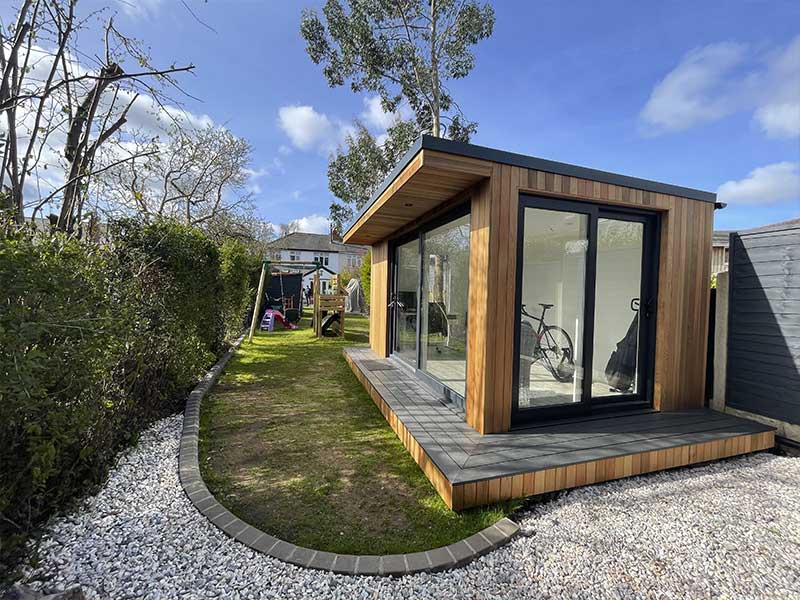
Finding the right architect for a small home project in the UK requires careful consideration, especially when sustainability is a priority. Many architects specialize in smaller-scale residential projects, bringing innovative and eco-friendly solutions to homes across the country. These architects often focus on maximizing space, incorporating natural light, and using sustainable materials to create comfortable and environmentally responsible living spaces. Their expertise is invaluable for homeowners looking to build or renovate small homes with a focus on sustainability. These architects understand the unique challenges and opportunities presented by smaller spaces, and they can tailor their designs to meet the specific needs and preferences of their clients. Their commitment to sustainability ensures that these homes are not only beautiful and functional but also environmentally friendly and energy-efficient.
The Future of Sustainable Architecture and Urban Planning
The future of sustainable architecture in London is inextricably linked to the broader context of urban planning and development. As cities continue to grow and face increasing environmental challenges, the integration of sustainable building practices into urban planning becomes even more critical. This involves creating compact, walkable, and transit-oriented communities that reduce reliance on private vehicles and promote sustainable transportation options. It also requires preserving green spaces and incorporating nature into the urban fabric to enhance biodiversity and improve air quality. Smart city technologies, such as intelligent transportation systems and energy management systems, can further enhance the sustainability of urban environments. Furthermore, the adoption of circular economy principles in urban planning can help to minimize waste and maximize resource utilization. This involves designing buildings and infrastructure for disassembly and reuse, as well as promoting the use of recycled and renewable materials. The integration of social equity considerations into urban planning is also essential, ensuring that sustainable development benefits all members of the community. This involves providing affordable housing, access to green spaces, and opportunities for economic development in underserved neighborhoods. By embracing a holistic and integrated approach to urban planning, London can create a more sustainable, resilient, and equitable urban environment for future generations. The collaboration between architects, planners, policymakers, and the community is crucial in driving the transition to a more sustainable urban future. The development of long-term sustainability strategies and action plans can provide a roadmap for achieving ambitious sustainability goals.
For businesses looking to enhance their online presence, a small business marketing blog can
be an invaluable resource, offering insights and strategies for effective digital marketing.
Finding reliable service providers is essential for any project, and a uk service providers directory can streamline the process, connecting you with qualified professionals in various fields.

Disclaimer: The information provided in this article is for general informational and research purposes only. Company details, features, services, and market positions may change over time. Readers are advised to visit official company websites and conduct independent research before making any business decisions or purchasing services.
Most Searchable Keywords

Recent Blogs



Related Listings
-

Five Reasons to Try FNF Online Today
-
Firepetal Studio
-
Testing Listing
-
Best Seafood in Worcester | Fresh Cajun Seafood at Red Crab Sea Foods
-
Mez Design



Categories
- Accountants (295)
- Advertising Agencies (559)
- Architects (149)
- Automobiles (376)
- Beauty (300)
- Carpenters (146)
- Cleaning Services (386)
- Dentists (189)
- Driving (61)
- Electricians (215)
- Energy (8)
- Event Organiser (684)
- Finance (598)
- Guide (3363)
- Health (2205)
- Information technology (206)
- Legal Services (352)
- Logistics (6)
- Maintenance (65)
- Manufacturing (35)

Sponsored Listings in Architects



Related Blogs

Bristol Firework Displays Every Local Should...
Read this insightful article "Bristol Firework Displays Every Local Should Experience" to expand your knowledge!

Self Assessment Registration 2026 Common Erro...
Read this insightful article "Self Assessment Registration 2026 Common Errors and Rules" to expand your knowledge!

Calculate Your 2026 Employer National Insuran...
Read this insightful article "Calculate Your 2026 Employer National Insurance Bill Easily" to expand your knowledge!
Questions & Answers – Find What
You Need, Instantly!
How can I update my business listing?
Is it free to manage my business listing?
How long does it take for my updates to reflect?
Why is it important to keep my listing updated?
