
Tesco Exposed: How the Market Stall Became Britain's Retail King
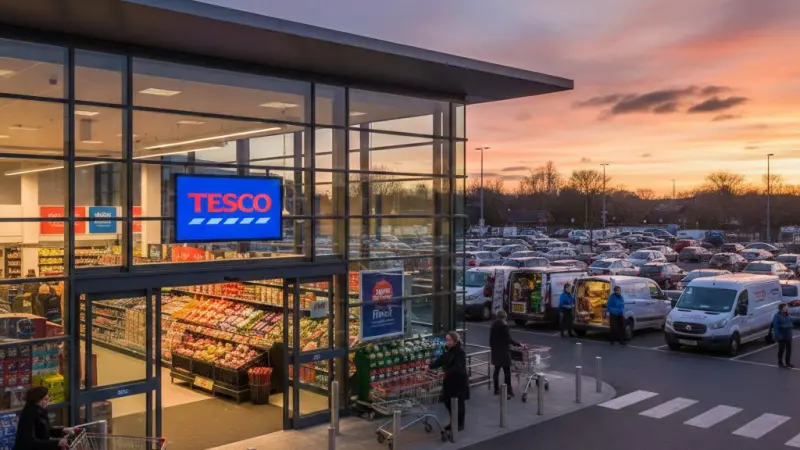
Tesco remains the undisputed leader of the British grocery market, serving millions of households across the United Kingdom through its vast network of Superstores, Express outlets, and robust online delivery platform. Founded by Jack Cohen in the early twentieth century, the brand has evolved from a simple market stall into a global retail powerhouse that defines modern consumer habits. Whether you are looking for affordable weekly essentials, premium finest ranges, or financial services, this retailer provides a comprehensive ecosystem designed for convenience and value. By maintaining a dominant market share, the company influences everything from national supply chains to the way British families manage their household budgets. Understanding its operations offers a window into the broader economic health of the nation.
The primary reason for its sustained success is a relentless focus on the customer experience through data-driven loyalty and price matching. By integrating the Clubcard scheme with everyday low pricing strategies, the brand ensures that shoppers feel rewarded for their continued patronage while keeping costs competitive against discount rivals. This dual approach of value and reward has created a formidable barrier to entry for competitors, making it the first choice for the majority of UK residents when filling their pantries or upgrading their home goods.
Evolution of the British Supermarket Landscape
The journey of this retail giant reflects the broader social history of the United Kingdom over the last century. From the post-war era of rationing to the digital revolution of the present day, the brand has consistently adapted its physical footprint and service model to meet changing public needs. The transition from small counter-service shops to massive out-of-town hypermarkets represented a significant shift in how people lived, encouraging the weekly "big shop" culture that dominated the late twentieth century. This expansion was not merely about floor space; it was about centralising the supply chain to provide consistent quality and variety that was previously unavailable to the average working-class family.
Pioneering the Modern Shopping Experience
Innovation has always been at the heart of the business strategy, particularly regarding how technology can simplify the chore of grocery shopping. The introduction of barcode scanning and automated inventory management allowed for a level of efficiency that smaller competitors could not match. These advancements ensured that shelves remained stocked with fresh produce while reducing waste, a critical factor in maintaining the low prices that attracted a massive customer base. It was this early adoption of retail tech that set the stage for the highly sophisticated logistics network we see operating today.
Efficiency Through Centralised Distribution
Behind the bright lights of the aisles lies a complex network of distribution centres that operate around the clock. By owning a significant portion of its transport fleet and leveraging real-time data, the company can move goods from farm to fork with minimal delay. This logistical prowess is what allows for the impressive "just in time" inventory management that keeps the bread fresh and the milk cold every single morning.
The Psychology of Consumer Loyalty and Rewards
Perhaps no single initiative has defined the brand's modern era more than the Clubcard. Launched in the mid-nineties, this loyalty programme transformed the relationship between the retailer and the shopper. It moved the interaction away from a simple transaction toward a data-informed partnership. By tracking what people buy, the company can offer personalised coupons and targeted discounts that genuinely reflect individual household needs. This level of personalisation creates a sense of being understood by a large corporation, which in turn fosters a deep-seated brand affinity that is incredibly difficult for rivals to break.
Data Driven Insights and Personalised Marketing
The wealth of data collected through loyalty points allows for incredibly sophisticated market analysis. This information does not just help in sending out vouchers; it informs which products should be stocked in specific regions. For instance, a store in a diverse urban area will carry a vastly different range of international foods compared to a rural shop. This hyper-localised approach, powered by national-level data, ensures that every square foot of retail space is optimised for the specific demographic it serves, maximizing profitability and customer satisfaction simultaneously.
Understanding the Value of Every Point
For the consumer, the reward system represents a tangible saving on the cost of living. Points can be converted into vouchers for groceries or used with various "Reward Partners" for travel, dining, and entertainment.
This versatility makes the points feel like a secondary currency, further embedding the brand into the lifestyle and financial planning of the British public, especially during times of economic fluctuation.
Maintaining a Competitive Edge in the Discount Era
In recent years, the rise of German discounters has challenged the traditional "Big Four" dominance. To counter this, the brand introduced the Aldi Price Match and revamped its own-brand ranges to ensure that no customer felt the need to shop elsewhere for better value. This aggressive pricing strategy has been successful in retaining price-sensitive shoppers who might otherwise have migrated to cheaper alternatives. By focusing on "Everyday Great Value," the retailer has managed to bridge the gap between premium quality and budget-friendly pricing, proving that it can compete at every level of the market.
Strategic Own Brand Portfolio Management
The tiered approach to own-brand products is a masterclass in retail segmentation. From the entry-level "Stockwell & Co" to the mid-tier core range and the premium "Finest" selection, there is a product for every budget. This allows a single store to cater to a student looking for the cheapest possible pasta as well as a gourmet enthusiast seeking truffle-infused oils. This inclusivity ensures that the brand remains a destination for everyone, regardless of their financial standing or culinary aspirations.
The Premium Appeal of Finest Ranges
The "Finest" range specifically targets the higher-margin luxury market, competing with high-end specialist food retailers. By focusing on ingredient provenance and artisan production methods, the brand has managed to convince consumers that they can enjoy a restaurant-quality meal at home for a fraction of the price. This has been particularly effective during periods where dining out has become a luxury many choose to forgo.
Digital Transformation and the Rise of Online Delivery
The shift toward e-commerce has been handled with significant investment in both technology and physical infrastructure. As one of the first major retailers to embrace home delivery, the company has a mature and reliable system that many families now rely on exclusively. The integration of the mobile app allows shoppers to scan items as they go in-store or manage their "Whoosh" rapid delivery orders from their sofa. This omnichannel approach ensures that whether a customer wants to browse the aisles or have their groceries appear at their door in twenty minutes, the brand is ready to facilitate that need.
Logistics of Rapid Delivery and Click and Collect
To support the demand for speed, the retailer has implemented various solutions including "Whoosh," which promises delivery of essentials in under an hour. Furthermore, the "Click and Collect" service provides a vital middle ground for those who want the convenience of online shopping without waiting at home for a delivery driver. These various touchpoints ensure that the brand remains relevant in an increasingly time-poor society, where flexibility is often valued as highly as price.
Optimising the Last Mile Delivery Challenge
The "last mile" is often the most expensive and difficult part of the retail journey. By using local stores as micro-fulfilment centres, the brand reduces the distance between the warehouse and the consumer. This not only lowers the carbon footprint of each delivery but also increases the reliability of time slots, a key metric in maintaining high levels of customer trust in the digital space.
Corporate Social Responsibility and Sustainability Goals
As a major employer and a significant part of the UK supply chain, the company faces immense scrutiny regarding its environmental and social impact. In response, it has set ambitious targets for carbon neutrality and the reduction of plastic waste. The "Remove, Reduce, Reuse, Recycle" strategy has seen thousands of tonnes of unnecessary packaging eliminated from the shelves. Additionally, the brand's commitment to British farmers is a cornerstone of its corporate identity, ensuring that the majority of fresh meat, milk, and eggs are sourced from local producers who meet high welfare standards.
Community Grants and Food Waste Initiatives
The "Stronger Starts" programme and various food redistribution schemes demonstrate a commitment to the communities where the stores operate. By donating surplus food to local charities and providing grants to schools and youth groups, the retailer attempts to mitigate some of the criticisms often levelled at large corporations.
This local engagement helps to soften the image of a giant multinational, positioning it instead as a helpful neighbour that contributes to the social fabric of the town.
Reducing the Environmental Footprint of Retail
Energy-efficient lighting, solar panels on warehouse roofs, and the transition to electric delivery vans are all part of the long-term plan to achieve net-zero emissions. While the scale of the operation makes this a monumental task, the transparent reporting of progress helps to hold the leadership accountable to both shareholders and the environmentally conscious modern consumer who increasingly votes with their wallet.
The Future Outlook for British Retail Giants
Looking ahead, the landscape of retail will continue to be shaped by artificial intelligence and shifting consumer values. We can expect to see more "frictionless" shopping experiences, where checkout-free technology becomes the norm in smaller convenience formats. The brand is also likely to expand its health and wellness offerings, integrating pharmacy services with nutritional advice through its digital platforms. As the UK navigates post-Brexit supply chain challenges and evolving trade relationships, the resilience of the nation’s largest retailer will be a key indicator of the country’s overall economic adaptability.
Integration of Artificial Intelligence in Shopping
AI will likely play a role in predicting household needs before the consumer even realises they are running low on a particular item. Imagine a system that suggests a shopping list based on your previous habits, the season, and even your health goals. This proactive service model is the next frontier for loyalty, moving beyond simple discounts into the realm of total lifestyle management, further entrenching the brand in the daily lives of millions.
Adapting to Shifting Demographic Needs
As the population ages and household sizes change, the product mix will inevitably shift. The retailer must remain agile, catering to the rise of plant-based diets, the demand for sustainable sourcing, and the needs of an increasingly diverse population. Those who can accurately predict these cultural shifts and adjust their inventory accordingly will be the ones who remain at the top of the leaderboards for decades to come.
Common Mistakes to Avoid When Navigating the Aisles
Many shoppers fail to maximise the potential savings available to them simply by not understanding the mechanics of the loyalty system. One of the biggest mistakes is ignoring the "Clubcard Prices" which can often reduce a grocery bill by significant margins. Furthermore, shoppers often overlook the own-brand equivalents of famous names, which are frequently produced in the same factories with nearly identical ingredients. By being a "brand snob," many households are effectively throwing away hundreds of pounds a year that could be easily saved with a few simple swaps.
Overlooking the Power of the Mobile App
Failing to use the integrated app means missing out on instant coupons and the ability to track spending in real-time. The app also allows for "Scan as you Shop," which not only saves time at the checkout but helps you
keep an eye on your total as you walk around the store. This prevents "trolley shock" at the end of the trip and allows for better budgetary control, especially during the expensive holiday seasons.
Falling for End of Aisle Marketing Traps
Retailers are experts at "nudging" consumers toward impulse buys through clever product placement. The ends of the aisles are often reserved for promotions that might look like a bargain but aren't always the best value for money. Checking the "unit price" (e.g., price per 100g) on the shelf edge label is the only way to truly compare whether a large promotional pack is actually cheaper than a standard-sized alternative.
Practical Guidance for Maximum Grocery Efficiency
To get the most out of your shopping experience, it is essential to have a plan before you even step foot in the store or log onto the website. Start by checking your cupboards and creating a meal plan for the week. This reduces impulse buys and ensures that you only purchase what you will actually consume. When in the store, try to shop during quieter periods to avoid the stress of crowds, which often leads to rushed and poor decision-making regarding food choices and budget management.
Mastering the Art of Seasonal Shopping
Buying produce that is in season in the UK is not only better for the environment but significantly cheaper. Strawberries in June are far more affordable and flavourful than those imported in January. By aligning your diet with the natural harvest cycles of British agriculture, you support local farmers and enjoy the best quality ingredients while keeping your household expenditure within a reasonable range.
Using Technology to Track Your Budget
Leverage the tools provided by the retailer to manage your finances. Set a budget on your app and use the scanning tools to ensure you don't exceed it. Additionally, consider using the "Christmas Saver" schemes or similar savings clubs offered by the brand to spread the cost of expensive periods throughout the year, ensuring that your financial health remains stable regardless of the season.
FAQ
How can I get the best value when shopping at Tesco?
To secure the best value, always ensure your Clubcard is scanned to access exclusive "Clubcard Prices" which offer significant discounts. Additionally, compare the price per unit on shelf labels rather than the total price, and consider switching from national brands to high-quality own-label ranges like "Finest" or "Stockwell & Co." Planning your meals and shopping with a list also prevents expensive impulse purchases during your visit.
What are the benefits of using the Clubcard scheme?
The Clubcard scheme provides multiple benefits, including lower prices on hundreds of products in-store and online. For every pound spent, you earn points that can be converted into vouchers for your future grocery shops. Furthermore, these points can be tripled in value when redeemed through various Reward Partners, covering expenses such as restaurant meals, family days out, and travel, making it a comprehensive lifestyle loyalty programme.
How does the online grocery delivery service work?
The online service allows customers to book a delivery slot that suits their schedule, with items picked fresh from local stores by trained staff. You can choose from standard delivery, "Click and Collect," or the rapid "Whoosh" service for urgent essentials. The integration with the mobile app ensures that your shopping basket is synced across devices, and you can make amendments to your order until the night before delivery.
What is Tesco doing to improve its sustainability?
The company is committed to achieving net-zero carbon emissions across its operations by 2035. This involves removing millions of pieces of plastic from its packaging, increasing the efficiency of its transport fleet, and supporting sustainable farming practices.
They also operate extensive food waste programmes, such as "Community Food Connection," which ensures that surplus food is donated to local charities and community groups rather than going to waste.
How does Tesco support British farmers and suppliers?
Tesco is a major supporter of the British agricultural sector, sourcing the majority of its fresh meat, eggs, and milk from UK-based producers. Through long-term contracts and "Sustainable Farming Groups," the retailer provides financial stability to farmers while ensuring high standards of animal welfare and environmental protection. This commitment helps maintain a robust domestic supply chain and ensures that customers receive fresh, high-quality British produce throughout the year.
Disclaimer: The information provided in this article is for general informational and research purposes only. Company details, features, services, and market positions may change over time. Readers are advised to visit official company websites and conduct independent research before making any business decisions or purchasing services.
Most Searchable Keywords
Recent Blogs


Related Listings
Categories
- Accountants (295)
- Advertising Agencies (559)
- Architects (149)
- Automobiles (377)
- Beauty (300)
- Carpenters (146)
- Cleaning Services (387)
- Dentists (189)
- Driving (62)
- Electricians (215)
- Energy (8)
- Event Organiser (686)
- Finance (602)
- Guide (3372)
- Health (2207)
- Information technology (206)
- Legal Services (353)
- Logistics (6)
- Maintenance (65)
- Manufacturing (35)
Sponsored Listings in Travel Agencies


Related Blogs

How Much Do UK Actors Really Earn Full Indust...
Read this insightful article "How Much Do UK Actors Really Earn Full Industry Breakdown" to expand your knowledge!

Blue Light Card UK 2026 Check Eligibility and...
Read this insightful article "Blue Light Card UK 2026 Check Eligibility and Claim" to expand your knowledge!

BBC Radio 1 DJs Net Worth Ranking Revealed
Read this insightful article "BBC Radio 1 DJs Net Worth Ranking Revealed" to expand your knowledge!
Questions & Answers – Find What
You Need, Instantly!
How can I update my business listing?
Is it free to manage my business listing?
How long does it take for my updates to reflect?
Why is it important to keep my listing updated?
