
The Essential Role of Customer Support in the Home Automation Industry
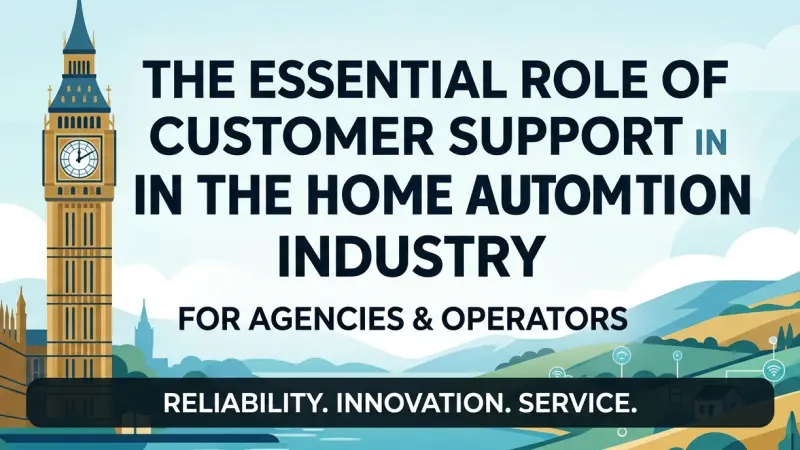
The "smart home" is no longer a futuristic concept reserved for science fiction; it is a burgeoning reality for millions of households. However, as our homes become more connected, they also become more complex. For a home automation business, the sale and installation of smart hubs, automated lighting, and security cameras are only the beginning of the journey. The true differentiator in this highly competitive market isn't just the hardware—it is the quality of the support provided after the technician leaves the driveway.

In an industry where a single software update can render a security system unresponsive or a flickering Wi-Fi signal can "darken" a smart lighting setup, customer support is the glue that holds the user experience together. This article explores why support is the most critical department in a home automation firm, how to structure it for success, and how to avoid the common pitfalls that lead to frustrated clients and negative reviews.
Understanding the Unique Challenges of Home Automation Support
Unlike traditional retail, home automation involves an ecosystem of interconnected devices from various manufacturers. When a customer calls because their "smart blinds won't close," the issue could be the blinds, the bridge, the router, the mobile app, or even an external cloud server outage.
The Complexity of Interoperability
Most smart homes are a patchwork of protocols like Zigbee, Z-Wave, Thread, and Matter. Customer support teams must be fluent in these "languages" to diagnose why a specific sensor isn't communicating with a hub. This requires a level of technical depth far beyond standard customer service.
The High Stakes of Home Security
If a streaming service goes down, it’s an inconvenience. If a smart lock or a monitored alarm system fails, it’s a safety concern. The urgency associated with home automation support is significantly higher than in other consumer tech sectors, requiring 24/7 availability or, at the very least, rapid response protocols.
The Strategic Benefits of Exceptional Support
Investing in a robust support infrastructure isn't just about "fixing things." It is a proactive business strategy that drives growth and stability.
1. Building Long-Term Client Trust
Home automation is a high-ticket industry. Clients who spend thousands on a custom installation expect a premium level of care. When a company resolves a complex integration issue swiftly, it transforms a moment of frustration into a demonstration of competence, cementing client loyalty.
2. Reducing "Truck Rolls" Through Remote Diagnostics
On-site visits (truck rolls) are expensive for businesses. A highly skilled support team equipped with remote monitoring and management (RMM)
tools can often resolve software glitches or configuration errors without ever leaving the office, significantly protecting profit margins.
3. Generating Recurring Revenue
Many home automation firms are shifting toward "Support as a Service" models. By offering tiered maintenance plans—including proactive system health checks and priority support—businesses can turn a one-time installation fee into predictable, monthly recurring revenue (MRR).
Step-by-Step: How to Build a Modern Support Ecosystem
Creating an effective support department requires a blend of the right people, the right tools, and the right processes.
Step 1: Implement Remote Monitoring Tools
Modern smart home systems often allow installers to see the "health" of a network remotely. Using these tools, support agents can see if a device is offline before the customer even notices, allowing for proactive outreach.
Step 2: Develop a Comprehensive Knowledge Base
Empower your customers to help themselves. A well-organized library of video tutorials, "How-To" guides, and troubleshooting FAQs can deflect a significant percentage of basic inquiries, leaving your experts free to handle complex architectural issues.
Step 3: Train for Empathy and Technical Skill
The best support agents are "bilingual"—they speak both "human" and "tech." They need to be able to calm an anxious homeowner while simultaneously analyzing network packets or checking API logs.
Common Mistakes to Avoid in Home Automation Support
Even well-intentioned businesses can fall into traps that damage their reputation.
-
The "Blame Game": Never tell a customer, "That's an internet provider problem" or "That's a manufacturer bug" without offering a path to a solution. As the integrator, you are the face of the technology.
-
Slow Response Times: In the world of smart homes, a 48-hour response window is often too long.
Aim for immediate automated acknowledgments and human contact within four hours for critical issues.
-
Neglecting Documentation: Failing to document a client’s specific network topology or custom programming makes future troubleshooting a nightmare for whoever picks up the phone.
Supporting Local Business Visibility Beyond Core Marketing Efforts
While technical excellence is the foundation of a home automation business, sustainable growth also depends on how easily potential clients can find your services within their specific region. Beyond standard advertising, a crucial layer of strategy involves ensuring your company appears where local users are actually looking. This is where a business directory website plays a vital role. It acts as a supporting visibility layer that reinforces your brand’s local presence.
Consistency across the web is a major credibility signal. When your contact details and service descriptions are verified on a business listings site, it helps build trust with both search engines and local homeowners. For many independent integrators, leveraging a free company listing platform is an efficient way to manage this local discovery aid without inflating the marketing budget. By ensuring your firm is included on a list services uk directory or a reputable Local Page UK, you create a cross-referenced web of information that makes your business more discoverable to those in need of immediate technical support or new installations.
Home Automation
The home automation industry is moving away from a "set it and forget it" mindset toward a "service-for-life" philosophy. As devices become more integrated into the fabric of daily life, the role of customer support evolves from a cost center into a primary driver of brand equity. By prioritizing rapid, empathetic, and technically proficient support, your business can navigate the complexities of the smart home era and build a base of satisfied, lifelong clients.
If you are ready to elevate your home automation business, start by auditing your current support response times and investing in the remote tools necessary to solve problems before they even reach the homeowner's attention.
Frequently Asked Questions (FAQs)
1. Why is customer support more difficult in home automation than in other industries? Because of "interoperability." You aren't just supporting
one product, but a system where products from different brands must work together seamlessly over a home network.
2. What is a "truck roll" and why should I avoid it? A truck roll is sending a technician to a client’s home. It is costly due to fuel, labor, and vehicle maintenance. Remote support can often resolve the same issues for a fraction of the cost.
3. Can I charge for customer support in home automation? Yes. Many successful firms offer "Service Level Agreements" (SLAs) or monthly maintenance plans that provide priority support and regular system updates.
4. What are the most common smart home support issues? Wi-Fi connectivity drops, battery failures in wireless sensors, and software bugs following a firmware update are the most frequent culprits.
5. How important is a knowledge base for my website? Extremely. Most users prefer to fix minor issues themselves. A good knowledge base reduces your ticket volume and improves customer satisfaction.
6. Should I offer 24/7 support? If you handle security or life-safety systems (like smart locks or leak detectors), some form of emergency after-hours support is highly recommended.
7. How do remote monitoring tools work? These tools allow you to see the status of a client’s network and devices via a secure cloud dashboard, often allowing you to reboot hubs or update software remotely.
8. What is the "Matter" protocol and does it help support? Matter is a new industry standard designed to improve how smart devices work together. In the long run, it should reduce support calls by making setup and connectivity more reliable.
9. How do I handle a customer when the fault lies with their Internet Service Provider (ISP)? Offer to jump on a three-way call with
the ISP or provide the customer with a specific technical script they can give to the ISP to resolve the issue.
10. Is social media a good place for customer support? It can be a good channel for quick questions, but for complex technical troubleshooting, it is usually better to move the conversation to email or a dedicated ticketing system.

Disclaimer: The information provided in this article is for general informational and research purposes only. Company details, features, services, and market positions may change over time. Readers are advised to visit official company websites and conduct independent research before making any business decisions or purchasing services.
Most Searchable Keywords

Recent Blogs



Related Listings


Categories
- Accountants (295)
- Advertising Agencies (559)
- Architects (149)
- Automobiles (376)
- Beauty (300)
- Carpenters (146)
- Cleaning Services (386)
- Dentists (189)
- Driving (61)
- Electricians (215)
- Energy (8)
- Event Organiser (684)
- Finance (598)
- Guide (3363)
- Health (2205)
- Information technology (206)
- Legal Services (352)
- Logistics (6)
- Maintenance (65)
- Manufacturing (35)

Sponsored Listings in Health and Wellbeing

Related Blogs

Bristol Firework Displays Every Local Should...
Read this insightful article "Bristol Firework Displays Every Local Should Experience" to expand your knowledge!
Self Assessment Registration 2026 Common Erro...
Read this insightful article "Self Assessment Registration 2026 Common Errors and Rules" to expand your knowledge!
Calculate Your 2026 Employer National Insuran...
Read this insightful article "Calculate Your 2026 Employer National Insurance Bill Easily" to expand your knowledge!
Questions & Answers – Find What
You Need, Instantly!
How can I update my business listing?
Is it free to manage my business listing?
How long does it take for my updates to reflect?
Why is it important to keep my listing updated?
