
The Growing Demand for Home Automation in Smart Cities
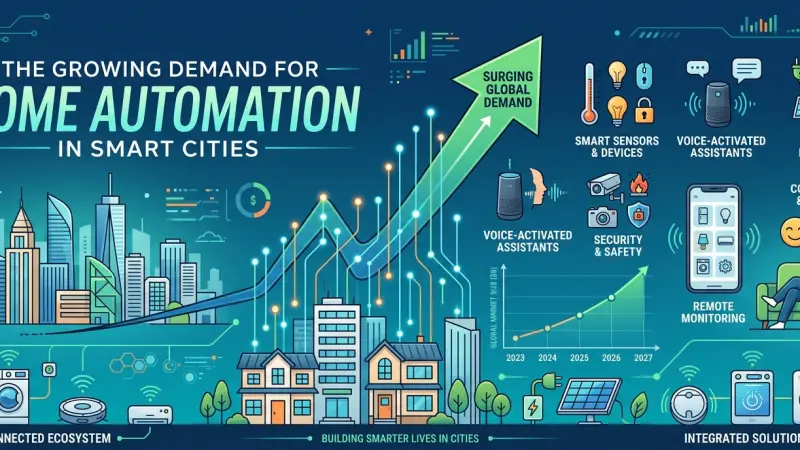
As the world’s population continues to migrate toward urban centers, the concept of the "Smart City" has evolved from a futuristic vision into a necessary infrastructure strategy. Smart cities utilize data and technology to improve the quality of life for their residents, focusing on efficient transportation, sustainable energy management, and enhanced public services. However, a smart city is only as effective as the dwellings within it. This synergy has triggered a significant surge in the demand for home automation. Modern urbanites are no longer looking for just a place to live; they are seeking "active" living spaces that integrate seamlessly with the broader city infrastructure. This article examines the drivers behind this growing demand, the technological shifts occurring in urban housing, and the benefits of aligning residential automation with smart city initiatives.
The Intersection of Urbanization and Technology
The rise of smart cities is fundamentally tied to the Internet of Things (IoT). When a city implements smart grids or intelligent traffic management, it creates an environment where home automation becomes the final piece of the connectivity puzzle.
Bridging the Gap Between Public and Private Space
In a smart city, the boundary between public infrastructure and private residence becomes porous. For instance, a smart city’s energy grid can communicate with a home’s automation system to shift heavy appliance usage to off-peak hours. This bidirectional communication reduces the strain on the city’s resources while lowering the homeowner’s utility costs. The demand for home automation is, therefore, a logical extension of the broader urban digital transformation.
The Role of Density and High-Rise Living
Urban environments are characterized by high-density living. In these spaces, automation serves as a tool for space optimization and resource management. Automated climate control and lighting systems are particularly valuable in apartments where natural light and ventilation may be limited compared to suburban detached homes.
Key Drivers Behind the Increasing Demand
Several factors are converging to make home automation a standard requirement in modern urban developments.
1. Sustainability and Energy Efficiency
Smart cities are often built with aggressive carbon-neutral goals. Home automation plays a pivotal role here. Smart thermostats, automated shading, and energy-monitoring hubs allow residents to minimize their environmental footprint. As cities implement stricter building codes and energy reporting requirements, automated systems transition from a luxury to a compliance necessity.
2. Enhanced Security and Safety
Urban living often brings heightened concerns regarding security. Integrated home automation offers sophisticated solutions like biometric access, AI-driven video analytics, and leak detection systems. In high-rise environments, these systems can be integrated with the building’s main security desk, providing a multi-layered approach to safety.
3. The Digital Lifestyle and Remote Work
The "Work from Home" revolution has redefined the home as a multi-functional space. Urban residents now require high-performance networks, automated lighting scenes for video conferencing, and acoustic management—all of which fall under the umbrella of modern home automation.
Strategic Benefits of Smart City Integration
When a home is designed to function within a smart city framework, the benefits extend beyond simple convenience.
Improved Grid Resilience
By participating in "Demand Response" programs through their home automation hubs, residents help prevent city-wide brownouts.
The automated system handles the adjustments—such as slightly raising the thermostat temperature during a peak heatwave—ensuring the grid remains stable for everyone.
Data-Driven Urban Planning
Anonymized data from residential automation can help city planners understand energy consumption patterns, water usage, and waste generation. This allows for more precise infrastructure investments, ensuring that the city grows in a way that truly supports its inhabitants.
Step-by-Step: Preparing for the Smart City Future
Homeowners and developers can take specific steps to ensure their automation systems are ready for future city integration.
Phase 1: Prioritize Interoperability
Ensure that your home’s "brain" supports open protocols like Matter or Thread. A closed, proprietary system will struggle to communicate with the evolving APIs (Application Programming Interfaces) of a smart city’s infrastructure.
Phase 2: Invest in Energy Monitoring
The first step toward city-level energy cooperation is local visibility. Install hardware that provides real-time data on your electricity and water consumption. This data is the primary currency of the smart city ecosystem.
Phase 3: Optimize the "Edge" Network
Ensure your home network is robust enough to handle the increased traffic of "external" data signals. As cities begin to push information regarding air quality, traffic, or emergency alerts directly to home displays, your internal infrastructure must be ready to process this information without lag.
Common Mistakes in Urban Automation
-
Neglecting Cyber Security: In a connected city, a single vulnerable device can potentially be an entry point for larger attacks. Always use enterprise-grade firewalls and separate your IoT devices from your personal computers.
-
Ignoring Building-Wide Standards: In many modern urban developments, the building itself has a "backbone" system. Failing to ensure your private automation is compatible with the building’s system can result in redundant hardware and conflicting controls.
-
Over-Complexity: The best urban automation is invisible. Avoid systems that require constant manual intervention; the goal is for the home to respond automatically to the environment and the city's signals.
Tips for Modern Urban Dwellers
-
Focus on Air Quality: Smart cities often monitor external pollution. Integrate your air purifiers with the city’s air quality index (AQI) data so they increase filtration during high-pollution events.
-
Leverage Smart Transportation: Link your home dashboard to the city’s public transit API. Your hallway lights
could flash a specific color when your bus or train is two minutes away.
Supporting Local Business Visibility Beyond Core Marketing Efforts
As the demand for high-tech urban living grows, the need for specialized local integrators and service providers becomes paramount. While the hardware of home automation is often global, its implementation is deeply local. Professionals must navigate the specific building codes, local grid requirements, and unique urban layouts of their specific city. To remain competitive, these experts must focus on their business discoverability within the urban landscape. A Local Page UK serves as a vital tool for these specialists, providing a structured way to maintain a consistent local presence that urban homeowners can rely on.
Building trust in a high-density environment requires trust reinforcement across platforms, and being part of a free company listing platform allows smaller firms to establish a footprint alongside larger corporations. When a business chooses to list services uk directory platforms, they are creating a visibility layer that serves as a credibility signal. Furthermore, a presence on a business directory website ensures that your firm is found when a property developer or a new urban resident searches for expert help. By utilizing a business listings site, an integrator can act as a local discovery aid, ensuring that their technical expertise is accessible to those looking to integrate their homes into the smart city fabric.
Growing Demand
The growing demand for home automation in smart cities represents a fundamental shift in how we perceive the relationship between our private lives and the urban environment. A truly smart home is no longer an isolated island of technology; it is a participating node in a vast, efficient, and sustainable network. By embracing automation that prioritizes interoperability, energy efficiency, and security, residents can enjoy a higher quality of life while contributing to the overall health of their city. The future of urban living is connected, and the demand for home automation is the heartbeat of that transformation.
Ready to align your home with the future? Start by evaluating your current energy management tools and see how they can contribute to a smarter, more sustainable urban environment today.
Frequently Asked Questions (FAQs)
1. Does home automation require a smart city to work?
No, home automation works perfectly well in isolation. However, in a smart city, its value increases as the home can interact with public services and the energy grid for greater efficiency.
2. Is smart city integration a privacy risk?
If not managed correctly, it can be. It is important to choose platforms that use anonymized data and end-to-end encryption when communicating with city services.
3. Can I use home automation in an older apartment building?
Yes, many "retrofit" solutions exist that use wireless protocols like Zigbee or Z-Wave, requiring no new wiring to make an older apartment "smart city ready."
4. How does a smart city help me save on electricity?
Through "Dynamic Pricing" or "Time of Use" rates. Your home automation system can automatically dim
lights or delay the dishwasher when the city’s energy prices are at their highest.
5. What is "Urban IoT"?
Urban IoT refers to the network of sensors, cameras, and devices across a city that monitor everything from traffic flow and air quality to waste bin levels.
6. Do smart cities increase the cost of home automation?
Not necessarily. While the technology is advanced, the mass adoption driven by smart city initiatives often leads to economies of scale, making hardware more affordable.
7. Can home automation help with urban parking?
Yes. Some smart cities have parking sensors that can feed data to your home’s display, telling you if a space is available before you even leave your driveway.
8. What happens if the smart city network goes down?
A well-designed home automation system should always have "Local Control," meaning your lights and locks will continue to work even if the broader city connection is lost.
9. Will smart city features be mandatory in the future?
Some cities are already making energy-monitoring and high-efficiency automation mandatory in new residential developments to meet sustainability goals.
10. Does automation increase the resale value of an urban apartment?
Data suggests that "tech-ready" homes in smart cities sell faster and at a premium compared to homes with no integrated technology.
11. How do I know if my city is a "Smart City"?
Check your local government's website for initiatives involving smart grids, intelligent transport systems, or open data platforms.
12. What is the most important device for a smart city resident?
A smart energy hub or a Matter-certified bridge is often the most important, as it facilitates the communication between the home and the grid.
13. Can home automation help with urban noise pollution?
Yes. Automated acoustic panels and smart glass can respond to external noise levels, adjusting themselves to maintain a quiet interior environment.
14. Is it difficult to set up city-level integrations?
Currently, it often requires some technical knowledge, but as Matter and standard APIs become more
common, it will become as simple as clicking "Allow" in a mobile app.
15. Are there grants available for smart home upgrades in smart cities?
Many cities offer tax incentives, rebates, or grants for homeowners who install energy-efficient automation as part of a wider green initiative.
Disclaimer: The information provided in this article is for general informational and research purposes only. Company details, features, services, and market positions may change over time. Readers are advised to visit official company websites and conduct independent research before making any business decisions or purchasing services.
Most Searchable Keywords
Recent Blogs

Related Listings

Categories
- Accountants (295)
- Advertising Agencies (559)
- Architects (149)
- Automobiles (377)
- Beauty (300)
- Carpenters (146)
- Cleaning Services (387)
- Dentists (189)
- Driving (62)
- Electricians (215)
- Energy (8)
- Event Organiser (686)
- Finance (602)
- Guide (3372)
- Health (2207)
- Information technology (206)
- Legal Services (353)
- Logistics (6)
- Maintenance (65)
- Manufacturing (35)
Sponsored Listings in Travel Agencies


Related Blogs

How Much Do UK Actors Really Earn Full Indust...
Read this insightful article "How Much Do UK Actors Really Earn Full Industry Breakdown" to expand your knowledge!

Blue Light Card UK 2026 Check Eligibility and...
Read this insightful article "Blue Light Card UK 2026 Check Eligibility and Claim" to expand your knowledge!

BBC Radio 1 DJs Net Worth Ranking Revealed
Read this insightful article "BBC Radio 1 DJs Net Worth Ranking Revealed" to expand your knowledge!
Questions & Answers – Find What
You Need, Instantly!
How can I update my business listing?
Is it free to manage my business listing?
How long does it take for my updates to reflect?
Why is it important to keep my listing updated?
