
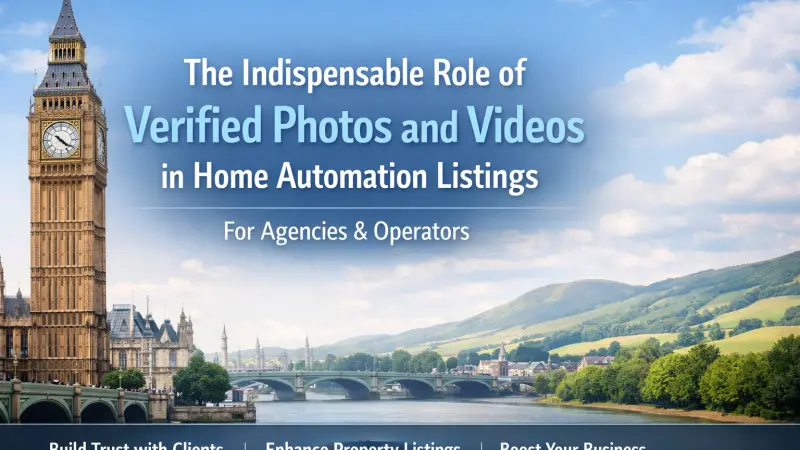
The Indispensable Role of Verified Photos and Videos in Home Automation Listings
In an increasingly digital world, the initial impression of a home often occurs long before a physical visit. For properties equipped with sophisticated home automation systems, this digital showcase becomes even more critical. The visual content accompanying a listing—specifically, verified photos and videos—serves as the primary conduit through which potential buyers connect with and understand the value of a smart home. This article delves into why authentic, high-quality visual documentation is not merely a preference but a fundamental necessity for effective home automation listings, fostering trust, enhancing transparency, and ultimately driving informed decisions.

The Digital Gateway: Why Visuals Dominate Home Search
The journey to finding a new home predominantly begins online. Prospective buyers spend countless hours browsing listings, sifting through images and descriptions to identify properties that align with their desires and needs. In this digital landscape, visuals are paramount, acting as the initial filter that determines whether a property warrants further consideration. Studies consistently show that high-quality photography and videography are among the most influential factors for online home shoppers [1]. For home automation listings, where the integration of technology is a key selling point, the clarity and authenticity of these visuals are amplified.
The Power of First Impressions in a Smart Home Context
For smart homes, the visual presentation must convey not just aesthetics but also functionality and lifestyle benefits. A well-captured image can highlight a sleek smart thermostat, while a video can demonstrate the seamless operation of integrated lighting, climate control, and security systems. These visuals offer a glimpse into the enhanced living experience a smart home provides, making the abstract concept of automation tangible and appealing. Without compelling and accurate visual content, the unique advantages of a home automation system can easily be overlooked, diminishing the property's perceived value and appeal.
The Peril of the Unverified: Misleading Content and Eroding Trust
The digital realm, while offering unparalleled convenience, also presents challenges, particularly concerning authenticity. The proliferation of advanced editing software and AI-generated imagery has blurred the lines between reality and fabrication. In the context of home listings, this can lead to significant discrepancies between what is presented online and what exists in person, ultimately eroding buyer trust and wasting valuable time for all parties involved.
The Rise of AI and the Authenticity Crisis
Recent reports highlight a growing concern over AI-generated or heavily altered photos in real estate listings. Instances where AI has added non-existent windows, created impossibly spacious rooms, or depicted pristine exteriors that belie the actual condition of a property are becoming more common [2]. While virtual staging can be a useful tool to help buyers envision an empty space, excessive or deceptive alterations cross a line, leading to what some refer to as 'catfishing' buyers [3]. This practice not only misleads potential buyers but also undermines the credibility of the listing agent and the platform hosting the listing.
The Cost of Misrepresentation
The consequences of unverified or misleading visuals extend beyond mere disappointment. For buyers, it can mean wasted time and resources traveling to view properties that do not match their online representation. For sellers, it can lead to prolonged listing periods, reduced interest, and ultimately, a lower sale price. Furthermore, the ethical implications are significant. The National Association of Realtors (NAR) emphasizes the importance of adhering to the Realtor Code of Ethics, which advises against exaggerating, misrepresenting, or concealing pertinent facts related to a property [4]. In the specialized domain of home automation, where the intricacies of integrated systems might not be immediately apparent, misrepresentation can be particularly damaging, as buyers may have specific expectations about functionality and performance that are not met.
The Undeniable Benefits of Verified Media in Home Automation Listings
In contrast to the pitfalls of unverified content, the strategic use of verified photos and videos offers a multitude of advantages for home automation listings. These benefits span from building immediate trust with potential buyers to effectively showcasing complex technological integrations and ultimately streamlining the sales process.
1. Building Unwavering Trust and Credibility
Authenticity as a Foundation: Verified media acts as a powerful trust signal. When potential buyers see photos and videos that are clearly authentic and accurately represent the property and its smart home features, their confidence in the listing and the seller increases significantly. This trust is paramount in a high-value transaction like a home purchase, especially when advanced technology is involved. Knowing that what they see online is what they will encounter in person eliminates apprehension and encourages genuine interest.
Transparency in Action: Verification processes, whether through third-party platforms or clear disclosures by the listing agent, demonstrate a commitment to transparency. This openness fosters a positive relationship with potential buyers from the outset, setting realistic expectations and reducing the likelihood of disappointment during viewings. For home automation, where the functionality might be complex, transparent visuals help demystify the technology and make it more approachable.
2. Effectively Showcasing Complex Technology
Home automation systems are often intricate, involving interconnected devices and sophisticated programming. Static images alone can struggle to convey the full scope and seamless operation of these systems. This is where verified videos become invaluable.
Demonstrating Functionality: A well-produced, verified video can walk potential buyers through the smart home experience. It can show:
• Lighting Scenes: How different lighting moods are created with a single command.
• Climate Control: The intuitive interface of a smart thermostat and its integration with other systems.
• Security Features: The operation of smart locks, surveillance cameras, and alarm systems.
• Entertainment Systems: The effortless control of multi-room audio and video.
• Automated Blinds/Shades: Their smooth operation and integration with daylight sensors.
These demonstrations go beyond static descriptions, allowing buyers to visualize themselves living in and interacting with the smart home environment. The verification ensures that these demonstrations are genuine and reflective of the installed system's capabilities.
Highlighting Integration: The true power of home automation lies in its integration. Verified videos can effectively illustrate how various smart devices communicate and work together to create a cohesive and convenient living space. For example, a video could show how unlocking the front door automatically disarms the security system, turns on the lights, and adjusts the thermostat to a comfortable temperature. This holistic view is difficult to achieve with static images and text alone.
3. Enhancing Buyer Engagement and Qualification
High-quality, verified visuals not only attract more attention but also engage potential buyers on a deeper level. This engagement can lead to better-qualified leads and a more efficient sales process.
Increased Interest and Dwell Time: Listings with comprehensive and verified visual content tend to capture and hold buyer attention for longer periods. The immersive experience offered by detailed photos and videos encourages potential buyers to explore the property more thoroughly online, increasing their emotional investment before a physical visit.
Pre-qualification and Reduced Wasted Viewings: When buyers have a clear and accurate understanding of a property's smart home features through verified media, they are better equipped to determine if the home meets their specific needs and preferences.
This pre-qualification process reduces the number of unqualified viewings, saving time for sellers, agents, and serious buyers alike. It ensures that those who schedule a physical tour are genuinely interested and have a realistic expectation of the property.
4. Differentiating Your Listing in a Competitive Market
In a crowded real estate market, standing out is crucial. Verified photos and videos provide a significant competitive edge, particularly for properties with advanced home automation.
Professionalism and Attention to Detail: The effort invested in producing verified, high-quality visual content signals professionalism and attention to detail. This reflects positively on the seller and the listing agent, suggesting a commitment to quality in all aspects of the transaction. For smart homes, this professionalism extends to the presentation of the technology itself, assuring buyers that the systems are well-installed and maintained.
Setting a Higher Standard: By providing verified media, a listing sets a higher standard for transparency and accuracy. This can attract discerning buyers who prioritize authenticity and are willing to pay a premium for a property that meets their expectations. It also subtly pressures competitors to elevate their own visual content, benefiting the market as a whole.
Step-by-Step: Capturing and Verifying Authentic Home Automation Visuals
Creating compelling and verified visual content for home automation listings requires a thoughtful approach, combining technical skill with a focus on authenticity. Here’s a step-by-step guide:
1. Strategic Planning and Equipment Selection
Understand the Smart Home System: Before capturing any visuals, thoroughly understand the home automation system installed. What are its key features? How do different components interact? What unique benefits does it offer? This understanding will guide your visual storytelling.
Professional-Grade Equipment: Invest in or hire professionals with high-resolution cameras (DSLR or mirrorless for photos, 4K capable for video), wide-angle lenses to capture rooms effectively, and proper lighting equipment. For video, a gimbal or stabilizer is essential for smooth, professional-looking footage.
Audio Considerations: For videos, clear audio is crucial, especially when demonstrating voice commands or system alerts. Use external microphones to capture crisp sound and minimize background noise.
2. Capturing High-Quality Photos
Optimal Lighting: Natural light is often best. Schedule shoots during daylight hours. Use supplemental lighting to brighten dark areas or highlight specific features without creating harsh shadows.
Showcasing Devices and Interfaces: Capture clear, well-lit shots of smart devices (thermostats, smart displays, security cameras, smart switches). Also, include close-ups of user interfaces on tablets or wall-mounted controls, demonstrating their ease of use.
Contextual Shots: Don't just photograph devices in isolation. Show them in their environment, integrated into the home's design. For example, a smart speaker on a bedside table, or a smart lock on the front door.
3. Producing Engaging and Informative Videos
Storyboarding the Smart Home Experience:Plan your video to tell a story. Start with an overview, then move into specific demonstrations of key automation features. Consider a typical day in the smart home, showcasing how automation simplifies daily routines.
Demonstrating Functionality: Record clear, concise demonstrations of smart home features in action. For instance, show someone using a voice command to adjust lighting, a smartphone app to control the thermostat, or a motion sensor triggering a security camera. Emphasize the seamlessness and responsiveness of the system.
Highlighting Integration: Create sequences that illustrate how different smart devices work together. For example, a scene where entering a room triggers lights, music, and climate control simultaneously. This demonstrates the true value of an integrated system.
Keep it Concise and Engaging: While comprehensive, videos should also be engaging. Aim for a balance between detailed demonstrations and a dynamic pace. Use clear narration or on-screen text to explain features.
4. The Verification Process
On-Site Verification: The most robust form of verification involves an independent third party or a trusted professional physically inspecting the property and confirming that the smart home systems and features shown in the photos and videos are indeed present and functional. This can be a certified home inspector with smart home expertise or a professional videographer/photographer with a verification protocol.
Timestamping and Geotagging: For digital verification, ensure that photos and videos are timestamped and geotagged. This metadata provides undeniable proof of when and where the content was captured, making it difficult to falsify.
Platform-Specific Verification Badges: Some listing platforms may offer their own verification programs or badges for listings that meet certain criteria for authenticity.
Actively seek out and utilize these features to enhance credibility.
Clear Disclosures: Even with verification, always include clear and accurate descriptions of the smart home features in the listing text. If any virtual staging or minor enhancements were used (e.g., decluttering), disclose this transparently.
Common Mistakes to Avoid in Home Automation Visuals
Even with the best intentions, certain missteps can undermine the effectiveness and credibility of your home automation listings. Being aware of these common errors can help ensure your visuals are both impactful and trustworthy.
1. Over-Editing and Artificial Enhancements
While minor adjustments for color correction and exposure are acceptable, excessive editing can quickly lead to an artificial and misleading representation. Avoid:
• Exaggerated Colors: Over-saturated images that don't reflect the true ambiance of the home.
• Distorted Perspectives: Wide-angle lenses used improperly can make rooms appear much larger than they are.
• Digital Alterations:Adding or removing elements (e.g., virtual staging that adds features not present, removing permanent fixtures) without clear disclosure. This directly contributes to the authenticity crisis discussed earlier.
2. Ignoring the "Lived-In" Feel or Practicality
While a pristine, staged look is often desired, for smart homes, it's equally important to convey how the technology integrates into daily life. Avoiding a sterile presentation is key.
• Lack of Human Element: Showing only devices without demonstrating interaction can make the technology seem complex or impersonal.
• Unrealistic Scenarios: Presenting automation features in ways that don't align with typical household use can raise skepticism.
3. Neglecting the User Interface and Experience
The true magic of home automation often lies in its intuitive control. Failing to showcase this aspect is a missed opportunity.
• No Close-ups of Controls: Buyers want to see how they will interact with the system. Overlooking shots of touchscreens, voice assistants, or mobile app interfaces leaves a gap in understanding.
• Generic Descriptions: Relying solely on text to describe the user experience without visual proof can be less convincing.
Pro Tips for Home Automation Professionals and Listing Agents
To truly excel in showcasing smart homes, consider these advanced strategies:
1. Embrace the Video Walkthrough with a Narrative
Beyond simple demonstrations, create a guided video tour that tells a story. Imagine a potential buyer walking through the home, and narrate the benefits and functionality of each smart feature as they encounter it. Focus on the experience rather than just the hardware. For example, instead of just showing a smart lock, explain how it provides keyless entry for family members and temporary access codes for service providers, enhancing security and convenience.
2. Focus on Lifestyle Benefits, Not Just Features
While features are important, buyers are ultimately looking for solutions that improve their lives. Frame your visuals and descriptions around these benefits:
• Security: Show how smart cameras and sensors provide peace of mind.
• Energy Efficiency: Demonstrate how smart thermostats and lighting controls reduce utility bills.
• Convenience: Highlight how automated routines simplify daily tasks.
• Comfort: Illustrate how integrated systems create the perfect ambiance.
3. Utilize 3D Tours and Floor Plans with Smart Home Overlays
For an even more immersive experience, integrate 3D virtual tours that allow buyers to navigate the home at their own pace. Enhance these tours with interactive overlays that highlight smart home devices and provide pop-up information or short video clips demonstrating their function. This provides a comprehensive understanding of the layout and technology simultaneously.
4. Partner with Certified Smart Home Integrators
Collaborate with reputable smart home professionals (e.g., CEDIA-certified integrators) for both installation and visual content creation. Their expertise ensures that the systems are correctly installed and that the visuals accurately represent their capabilities. A professional integrator can also provide insights into the most impactful features to highlight.
Supporting Local Business Visibility Beyond Core Marketing Efforts
Beyond the direct marketing of a specific property, the broader ecosystem of local business visibility plays a crucial, albeit often overlooked, role in reinforcing trust and discoverability for home automation professionals and real estate agents. While core marketing efforts focus on direct outreach and property promotion, a consistent and credible online presence across various platforms acts as a foundational layer, enhancing business discoverability and local presence consistency. For instance, a well-maintained profile on a free company listing platform can significantly contribute to a business's online footprint. Such platforms serve as a vital component of a comprehensive digital strategy, offering a space to list services UK directory entries, thereby improving how potential clients find local experts. A robust business directory website, particularly one offering a free company listing platform, acts as a supporting visibility layer, signaling credibility and aiding local discovery. When a business consistently appears on a reputable business listings site, it reinforces trust across platforms, assuring potential clients of its legitimacy and established presence within the community. This strategic approach to online visibility, leveraging tools like Local Page UK, a free company listing platform, and a comprehensive list services UK directory, alongside a strong business directory website and a reliable business listings site, is not about direct sales but about building a pervasive sense of reliability and accessibility for local businesses.
The Future is Transparent and Verified
In the rapidly evolving landscape of home automation and real estate, the demand for authenticity and transparency has never been greater. Verified photos and videos are no longer a luxury but a fundamental requirement for effective home automation listings. They serve as the bedrock of trust, allowing potential buyers to confidently explore and understand the sophisticated technology integrated into modern homes. By embracing high-quality, verified visual content, home automation professionals and real estate agents can not only attract more qualified buyers but also elevate their brand, streamline the sales process, and contribute to a more transparent and trustworthy marketplace. The future of home buying is digital, and its success hinges on the integrity of its visual representation. Invest in verification, and empower your listings to speak volumes of truth and innovation.
Call to Action: Elevate your home automation listings today by prioritizing verified visual content. Partner with professional photographers and videographers who understand smart home technology, and leverage platforms that support authenticity. Start building trust and attracting the right buyers for your cutting-edge properties.
Frequently Asked Questions (FAQs)
Q1: Why are verified photos and videos so important for home automation listings? A1: Verified visuals build trust and credibility by ensuring that what potential buyers see online accurately reflects the actual smart home features and condition of the property. They prevent misrepresentation and help buyers make informed decisions.
Q2: What constitutes a "verified" photo or video? A2: A verified photo or video is one that has been authenticated to accurately represent the property and its features. This can involve on-site inspection by a third party, timestamping and geotagging of media, or adherence to platform-specific verification protocols.
Q3: Can I use AI-generated images for my home automation listings? A3: While AI can assist with virtual staging, heavily altered or AI-generated images that misrepresent the property are strongly discouraged. They can erode trust and lead to ethical concerns. Transparency and accuracy are paramount.
Q4: How do verified videos help showcase home automation better than photos? A4: Verified videos can demonstrate the dynamic functionality and seamless integration of smart home systems in action. They can show lighting scenes, climate control adjustments, security system operations, and how various devices work together, providing a more comprehensive understanding than static photos.
Q5: What are the risks of using unverified or misleading visuals? A5: Risks include misleading potential buyers, wasting their time and yours, damaging your credibility as a listing agent or professional, and potentially facing ethical or legal repercussions. It can also lead to a prolonged sales process and a lower sale price.
Q6: Should I hire a professional photographer/videographer for smart home listings? A6: Yes, it is highly recommended. Professionals have the equipment, skills, and experience to capture high-quality visuals that effectively showcase complex home automation systems. They can also help ensure the authenticity and verification of the media.
Q7: How can I ensure my visuals highlight the benefits of home automation, not just the features? A7: Focus on storytelling in your videos and descriptions. Instead of just listing features, illustrate how they translate into lifestyle benefits like enhanced security, energy efficiency, convenience, and comfort. Show theexperience of living in a smart home.
Q8: What metadata should I include with my photos and videos for verification? A8: Essential metadata includes timestamps and geotags, which provide proof of when and where the media was captured. This helps establish authenticity and prevents misrepresentation.
Q9: Are there specific platforms that offer verification for home listings? A9: Some real estate listing platforms are beginning to offer verification badges or programs for listings that meet certain authenticity criteria. It's advisable to check with your chosen platform for their specific offerings and requirements.
Q10: How does verified media impact buyer engagement? A10: Verified media significantly increases buyer engagement by building trust and providing a realistic preview of the property. This leads to longer dwell times on listings, more qualified inquiries, and a more efficient sales process, as buyers have a clearer understanding before a physical visit.
Q11: What is the ideal length for a home automation listing video? A11: While there's no strict rule, aim for conciseness and engagement. A video between 1 to 3 minutes is often effective, providing enough detail to showcase key features and benefits without overwhelming the viewer. Longer videos can be effective if they maintain a strong narrative and demonstrate complex systems thoroughly.
Q12: Can virtual staging be used ethically in smart home listings? A12: Yes, virtual staging can be used ethically if it is clearly disclosed and does not misrepresent permanent features or the condition of the property. It should be used to help buyers envision an empty space furnished, not to create features that don't exist or hide flaws.
Q13: How can I make my home automation visuals stand out in a competitive market? A13: Focus on high-quality, verified photos and videos that tell a compelling story about the smart home experience. Highlight unique features, demonstrate seamless integration, and emphasize lifestyle benefits. Utilizing 3D tours with smart home overlays can also provide a significant competitive edge.
Q14: What role does a smart home integrator play in creating verified visuals? A14: Smart home integrators can provide expert guidance on the system's capabilities, ensuring that the visuals accurately represent its functionality. They can also assist in demonstrating complex features and verifying the presence and operation of installed systems, lending additional credibility to the visual content.
Q15: Is it necessary to show every single smart device in the listing visuals? A15: While it's important to showcase key smart devices and their interfaces, the focus should be on demonstrating the overall smart home experience and its benefits. Prioritize showing how devices work together and how they enhance daily living, rather than simply cataloging every single component.

Disclaimer: The information provided in this article is for general informational and research purposes only. Company details, features, services, and market positions may change over time. Readers are advised to visit official company websites and conduct independent research before making any business decisions or purchasing services.
Most Searchable Keywords

Recent Blogs

Related Listings

Categories
- Accountants (295)
- Advertising Agencies (559)
- Architects (149)
- Automobiles (377)
- Beauty (300)
- Carpenters (146)
- Cleaning Services (386)
- Dentists (189)
- Driving (62)
- Electricians (215)
- Energy (8)
- Event Organiser (685)
- Finance (598)
- Guide (3364)
- Health (2207)
- Information technology (206)
- Legal Services (353)
- Logistics (6)
- Maintenance (65)
- Manufacturing (35)

Sponsored Listings in Locksmith Services


Related Blogs

Where to Find the Best Summer Festivals in Br...
Read this insightful article "Where to Find the Best Summer Festivals in Bristol" to expand your knowledge!

Provisional Driving Licence UK Benefits and L...
Read this insightful article "Provisional Driving Licence UK Benefits and Limits Explained" to expand your knowledge!

Ross on Wye Minibus Hire for Group Travel Mad...
Read this insightful article "Ross on Wye Minibus Hire for Group Travel Made Simple" to expand your knowledge!
Questions & Answers – Find What
You Need, Instantly!
How can I update my business listing?
Is it free to manage my business listing?
How long does it take for my updates to reflect?
Why is it important to keep my listing updated?
