
The Ultimate Guide to Local Business Advertising UK
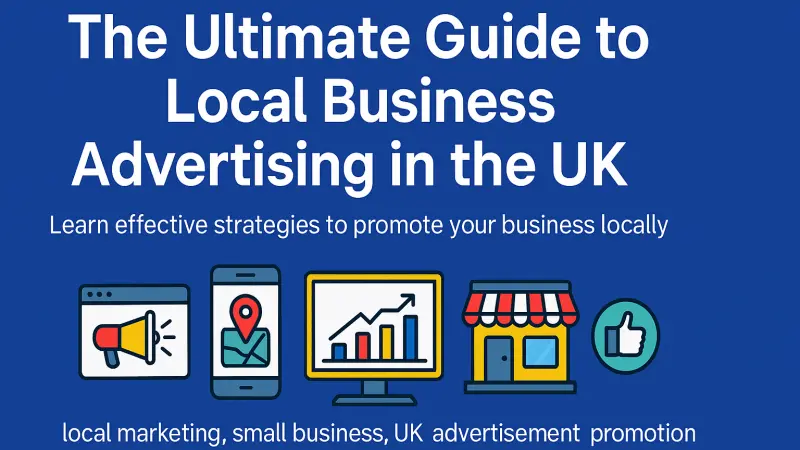
Navigating the New Local Economy

As we look toward 2026, the landscape of Business advertising UK is barely recognizable compared to a decade ago. The days of relying solely on a static Yellow Pages entry are long gone. Today, UK SMEs face a dynamic, hyper-competitive environment where digital immediacy meets traditional community values. The British consumer has evolved; they are hybrid shoppers, value-driven, and digitally fluent. For local businesses—from the high-street solicitor to the suburban gastropub—advertising is no longer just about visibility. It is about relevance, trust, and precise geographic targeting.
This comprehensive guide explores the state of local advertising in the UK for 2026. We will dissect the shift in consumer habits, the technicalities of Local SEO, the changing face of paid media, and the enduring power of social proof. Whether you are defining your catchment area or future-proofing for AI-driven search, this guide provides the roadmap.
Table of Contents
- 1. The UK Local Advertising Landscape in 2026
- 2. Mastering Google Business Profile (GBP)
- 3. Strategic Local SEO and Entity Search
- 4. Paid Advertising: PPC and Meta Ads
- 5. Content Strategy for UK SMEs
- 6. Traditional Media and Physical Advertising
- 7. Leveraging Reviews and Social Proof
- 8. Email Marketing and Retention
- 9. Measuring ROI and Analytics
- 10. Future-Proofing for 2026 and Beyond
The UK Local Advertising Landscape in 2026
The Shift in British Consumer Habits
The post-pandemic era has permanently altered how Britons interact with their local high streets. The "Shop Local" movement, initially a survival mechanism during lockdowns, has matured into a sustainability-driven lifestyle choice. Consumers are increasingly conscious of their carbon footprint, favouring local suppliers over national logistics hubs. However, the cost-of-living crisis has introduced a friction point: while consumers want to support local, they are highly price-sensitive.
Hybrid Shopping and High Street Recovery
The rise of hybrid shopping (Click & Collect) is the defining trend. A local hardware store isn't just competing with B&Q; it's competing with the convenience of Amazon Prime. To win, local businesses must offer seamless digital-first interactions. This includes real-time inventory checks and localized Click & Collect options. Advertising must highlight these conveniences, positioning the business as a modern solution to traditional needs.
Recent data indicates that while footfall in UK city centres is stabilizing, dwell time has increased by 15% in "experience-led" local high streets. Conversely, purely transactional high streets see a 20% drop in repeat visits, emphasizing the need for experiential marketing.
Defining Your Catchment Area
In the UK, geography is complex. Understanding the difference between postcode sectors (e.g., SW1A 1) and districts is vital for targeting. The "Town vs. City" dynamic dictates your strategy. A business in a commuter town like Guildford serves two populations: the local residents and the transient workforce. Mapping competitor proximity reveals gaps in the market.
Identifying High-Value Micro-Locations
Not all postcodes are created equal. Advanced advertisers use demographic data to identify high-value micro-locations. For instance, a luxury home improvement service might target specific affluent enclaves within a broader county. Tools like LocalPage.uk allow businesses to target specific regions, but the strategic decision of *where* to focus remains with the business owner.
Mastering Google Business Profile (GBP)
Your Google Business Profile is your primary local entity. It is the anchor of your digital presence.
Optimizing Your Primary Local Entity
Choosing the right UK business categories is the first step. A "Cafe" is different from a "Coffee Shop" in the eyes of the algorithm. Verification in the UK often involves video recording, moving away from traditional postcard methods for many sectors.
Managing Multiple Branch Locations
For businesses with multiple branches, consistency is key. Each location needs a unique landing page on your website (e.g., `domain.com/plumber-manchester`, `domain.com/plumber-leeds`). This signals distinct relevance for each geographic entity.
Advanced GBP Features for Growth
Google Posts are often underutilized. Smart businesses schedule these around British Bank Holidays and local events. A local pub advertising a "Bank Holiday BBQ" directly on the map interface captures high-intent traffic.
Integrating UK-Based Booking Software
The integration of booking buttons (e.g., Timify, Fresha) directly into the GBP profile reduces friction. If a potential client can book a haircut or a dentist appointment without leaving the search results, conversion rates skyrocket. This "zero-click" conversion is the holy grail of 2026 local advertising.
Strategic Local SEO and Entity Search
On-Page Optimization for UK Regions
Schema markup is non-negotiable. Using `LocalBusiness` schema helps search engines understand your entity. But in the UK, linguistic nuances matter. Do you serve "Pulled Pork" or "Slow-roasted Pork"? Do your customers search for "Solicitors" or "Lawyers"? Incorporating British dialects and terminology (e.g., "servicing the Home Counties") builds relevance.
Designing for UK "Near Me" Voice Search
Voice search is inherently local. Brits use natural language: *"Okay Google, where's the nearest open chemist?"* Optimizing for these question-based queries requires an FAQ section on your site and content that directly answers local needs.
Building Authority via UK Directories
While global SEO metrics matter, local authority is built through citations and local backlinks. Traditional directories like Yell and Thomson Local still have a place, but the landscape has shifted toward high-value, content-rich platforms.
The Value of Niche and Modern Directories
Industry-specific directories like Checkatrade (for trades) or Trustpilot (for retail) are critical. However, modern UK Online Business Directory platforms offer more than just a citation. They offer a promotional engine. For example, LocalPage.uk combines directory listings with content marketing (articles and press releases), providing higher SEO value than a static phone number listing.
Studies show that businesses with consistent NAP (Name, Address, Phone) data across 40+ high-authority directories rank 23% higher in local pack results. Inconsistent data is a leading cause of failed local SEO campaigns.
Paid Advertising: PPC and Meta Ads
Google Ads for Local Lead Generation
PPC remains a potent tool, but costs are rising. Setting up radius targeting around your physical location (e.g., 5 miles from your shop) prevents wasted spend on irrelevant clicks. "Call-Only" ads are particularly effective for emergency services like glaziers or locksmiths, capitalizing on the mobile dominance of local search.
Social Media Geo-Targeting Strategies
Meta (Facebook/Instagram) allows incredibly granular targeting. Advertising in local "Community Groups" creates a sense of neighbourly recommendation.
Nextdoor, the neighbourhood app, has become a powerhouse for local trade services, offering "Postcode Dominance" through sponsored placements.
The Volatility of PPC vs. Fixed Cost Alternatives
The unpredictability of auction-based advertising (PPC) is a major pain point for SMEs. A sudden spike in CPC (Cost Per Click) can decimate a monthly budget in days. This is why many UK businesses are turning to fixed-price models. Platforms like LocalPage.uk offer sponsored placements with fixed pricing (e.g., £149/mo or £999/yr). This provides a predictable "rent" on visibility, contrasting sharply with the gambling nature of Google Ads bidding wars.
Content Strategy for UK SMEs
Creating Regional Authority Content
To win in local SEO, you must prove you are part of the community. Blogging about local news, events, or even weather-related issues (e.g., "How to prepare your pipes for a UK winter freeze") establishes regional authority.
Collaborative Content
Partnering with neighbouring businesses for content creates a local ecosystem. A wedding venue might collaborate with a local florist and caterer for a "Dream Wedding in [County]" blog series. This cross-promotion builds backlinks and shared audiences.
Video Marketing for Local Trust
Video bridges the digital divide. A behind-the-scenes tour of a British workshop or client testimonials in regional accents (e.g., a reassuring Geordie accent for a Newcastle builder) builds instant rapport. It signals, "We are local, and we are real."
The "Content Package" Advantage
Producing content is time-consuming. Recognizing this, some advertising packages now include content creation. The LocalPage.uk Booster Package, for instance, includes 5 articles and 1 press release. This solves the "blank page syndrome" for business owners, allowing them to publish professional content that drives traffic without writing it themselves.
Traditional Media and Physical Advertising
The Power of Local Print Media
While digital dominates, regional newspapers (Reach PLC titles) and parish magazines still hold sway in rural and retirement demographics. The key is integration. A print ad should drive readers to a digital destination—using a QR code for a newsletter sign-up or a trackable URL.
Outdoor and Out-of-Home (OOH)
Bus stop placements and local sports team sponsorships provide passive brand awareness. They keep your name in the subconscious of the community. When a resident eventually needs a service, that familiarity breeds trust. High-visibility signage on your shopfront is the final piece of the puzzle—it must match the branding seen online.
Leveraging Reviews and Social Proof
The British "Trust Economy"
British consumers are generally polite but sceptical. They trust aggregated reviews over brand claims. Strategies for review acquisition must be polite and unobtrusive. A simple follow-up SMS or email after a service works best.
Handling Negative Feedback
How you handle negative reviews defines your character. British etiquette demands a polite, apologetic, and solution-oriented response. A defensive reply is a red flag to potential customers.
User-Generated Content (UGC)
Encouraging "Check-ins" or running photo contests (e.g., "Best pie in town") generates authentic content. Partnering with local micro-influencers—individuals with 2,000-10,000 local followers—often yields better ROI than national influencers, as their engagement rates are typically higher.
Email Marketing and Retention
Building a Local Subscriber Base
Email remains the highest ROI channel. Building your list locally involves in-store incentives. QR codes on receipts or tables offering a "Free Coffee on your next visit" for sign-ups is a classic but effective tactic.
Automated Local Nurture Sequences
Automation allows for "set and forget" retention. A post-service follow-up for a "Tradies" business or seasonal reminders (e.g., "Time for your annual boiler service") keeps you top-of-mind. Segmenting your email list by postcode allows for hyper-local offers, such as inviting residents of a specific village to a VIP night.
Measuring ROI and Analytics
Tracking Offline Conversions
The biggest challenge for local businesses is connecting online advertising to offline sales. Using unique phone numbers (Call Tracking) is essential. If you run a campaign in a specific local paper, use a specific phone number; if you run a Google Ad, use another. This data allows you to calculate precise ROI.
Analyzing Digital Footfall
Google Analytics 4 (GA4) offers geographic dimensions allowing you to see which towns your users come from. If you see high traffic from a town where you have no physical presence, it might be time to consider targeted advertising there or opening a new branch.
Future-Proofing for 2026 and Beyond
AI and Search Generative Experience (SGE)
The rise of AI in search (SGE) means search engines will answer queries directly rather than just showing links. This shift towards Answer Engine Optimization (AEO) means businesses need to provide clear, authoritative answers on their sites. "Who is the best emergency plumber in Bristol?" might be answered by AI summarizing reviews and forum discussions. Ensuring your Advertise your business UK strategy includes presence on high-authority platforms helps AI "find" and recommend you.
Predictive Analytics and AR
Augmented Reality (AR) shopping—trying on glasses virtually or placing furniture in a room via a phone screen—is moving mainstream. Local retailers should prepare for this. Furthermore, AI chatbots, integrated into platforms like LocalPage.uk, will handle initial customer queries 24/7, ensuring no lead goes cold.
Last Look: Scaling Your UK Business
Transitioning from a local player to a regional hero requires consistency. Your brand voice must be uniform across your Business listing platform UK, social media, and physical presence.
Market analysis suggests that businesses securing dominant visibility on emerging platforms early gain a "moat" against competitors. With limited slots available for premium placements on high-traffic directories (e.g., LocalPage.uk's limit of 100 Booster slots), early adoption secures lower rates and exclusivity before market saturation.
Comparison Analysis: Advertising Channels for 2026
Choosing the right mix of channels is critical for a balanced marketing diet.
Type: Intent-based, Auction.
Pros: Captures high-intent traffic immediately ("emergency plumber near me").
Cons: High cost, volatile pricing, requires constant management.
Verdict: Essential for emergency services, risky for low-margin businesses.
Type: Discovery-based, Visual.
Pros: Great for brand building, visual products, and younger demographics.
Cons: Lower purchase intent, high creative resource demand.
Verdict: Best for lifestyle, fashion, and food sectors.
Type: Authority-based, Fixed Cost.
Pros: Predictable pricing (£149/mo), high SEO authority, includes content marketing.
Cons: Requires quality profile setup.
Verdict: The ideal balance for SMEs seeking sustainable growth without the stress of bidding.
Type: Earned, Long-term.
Pros: Highest long-term ROI, builds asset value.
Cons: Slow results, algorithm dependency.
Verdict: The foundation of all local advertising; non-negotiable.
Beginner Action Plan: Your First 30 Days
If you are just starting out, the volume of options can be overwhelming. Follow this streamlined plan to build your foundation.
- Week 1: Claim Your Territory. Claim your Google Business Profile and verify it. Ensure your NAP (Name, Address, Phone) is 100% accurate.
- Week 2: The Directory Foundation. Secure your presence on a business listing uk platform. This establishes your first citation and backlink.
- Week 3: The Content Seed. Write your first "About Us" page or blog post focusing on your local area. Mention the town/county naturally.
- Week 4: Ask for Trust. Ask 5 happy customers for a Google Review. Respond to every single one.
Advanced Strategy Tips: Scaling for Growth
For businesses ready to move beyond the basics, these tactics provide the competitive edge.
- Leverage "Blue Pages Flooding": Dominate a specific category in a directory. Secure a sponsored listing to ensure your competitor cannot appear above you in that specific local search.
- Programmatic Local SEO: If you have multiple locations, use programmatic SEO to generate hundreds of landing pages for "Service + UK Town".
- Structured Data Markup: Go beyond basic schema. Use `AggregateRating` and `LocalBusiness` schema to get star ratings to appear directly in search results, increasing CTR by up to 30%.
- Unified Messaging: Use a platform that integrates chat. Being able to reply to a customer query instantly via a chat feature on your directory listing can capture a lead before they even visit your website.
Key Takeaways
- Hybrid is King: The British consumer researches online but buys offline (or via Click & Collect). Your advertising must bridge this gap.
- Entity Over Keyword: Google ranks "Entities" (verified businesses) over keywords. Ensure your presence across directories and GBP is robust.
- Predictability Wins: In a volatile economy, fixed-price advertising models (like LocalPage.uk) offer safer ROI than auction-based PPC.
- Content is Local: Generic content is out. Hyper-local content referencing UK towns, events, and slang builds the necessary relevance signals.
- Review Management: Reviews are the modern word-of-mouth. Treat them as a core part of your customer service, not an afterthought.
Frequently Asked Questions (FAQ)
1. How much should a small UK business spend on local advertising?
There is no fixed rule, but a common approach is the "5-7% of revenue" rule. For local businesses, allocating £200-£500/month to a mix of sponsored directory listings and targeted social ads is a strong starting point. The key is tracking ROI, not just spend.
2. Is Yell.com still relevant for UK advertising?
Yell remains a high-authority domain, so a citation is valuable for SEO. However, user behaviour has shifted. Modern consumers are increasingly using niche directories (Checkatrade) or search engines directly. A diverse portfolio of citations is better than relying on one.
3. What is the single most important ranking factor for local SEO?
Proximity is paramount, but it is something you cannot change. The factor you *can* control is relevance and authority through your Google Business Profile optimization and consistent NAP data across the web.
4. Should I hire an agency or manage my local ads in-house?
For simple Advertise your business UK strategies, many platforms (like LocalPage.uk) are designed for DIY management. However, for complex PPC campaigns with large budgets, an agency provides the expertise to minimize waste.
5. How do I handle a fake negative review?
Respond professionally and factually. State that you have no record of this customer in your database. You can then flag the review to Google for removal if it violates their policies.
6. What is the difference between Local SEO and General SEO?
General SEO focuses on ranking for keywords regardless of location. Local SEO focuses on ranking for queries with "near me" intent or specific geographic modifiers, heavily relying on map packs and directory citations.
7. Are print flyers still effective in the UK?
For hyper-local targeting (e.g., a specific housing estate), flyers can still work, particularly for trades and food delivery. The key is a strong offer and a trackable QR code to measure the response rate.
8. How often should I post on my Google Business Profile?
Aim for at least once a week. Regular updates signal to Google that the business is active. Post about offers, events, or new products to keep the profile fresh.
9. Can I target specific postcodes with Facebook ads?
Yes. Facebook Ads Manager allows you to drop a pin on a map and set a radius as small as 1 mile. This is perfect for targeting specific neighbourhoods with tailored messaging.
10. What is the "Booster Package" mentioned in this guide?
The Booster Package is a premium visibility option available on LocalPage.uk. It provides platform-wide visibility, priority over non-sponsored
listings, and includes content marketing tools like articles and press releases for a fixed monthly fee.
Resources & Internal Links
Ready to elevate your local presence? Explore these resources:
- Business Advertising Packages UK - Find a plan that fits your budget.
- Sponsored Booster Package - Get priority visibility and fixed pricing.
- Local Business Directory - Browse the full directory.
- business listing uk - Start your journey today.

Disclaimer: The information provided in this article is for general informational and research purposes only. Company details, features, services, and market positions may change over time. Readers are advised to visit official company websites and conduct independent research before making any business decisions or purchasing services.
Most Searchable Keywords
Recent Blogs

Related Listings
Categories
- Accountants (295)
- Advertising Agencies (559)
- Architects (149)
- Automobiles (377)
- Beauty (300)
- Carpenters (146)
- Cleaning Services (386)
- Dentists (189)
- Driving (62)
- Electricians (215)
- Energy (8)
- Event Organiser (685)
- Finance (599)
- Guide (3365)
- Health (2207)
- Information technology (206)
- Legal Services (353)
- Logistics (6)
- Maintenance (65)
- Manufacturing (35)

Sponsored Listings in Locksmith Services


Related Blogs

Gen Z Political Reporters and News Creators i...
Read this insightful article "Gen Z Political Reporters and News Creators in the UK" to expand your knowledge!

Famous Female Social Media Influencers Across...
Read this insightful article "Famous Female Social Media Influencers Across the UK" to expand your knowledge!
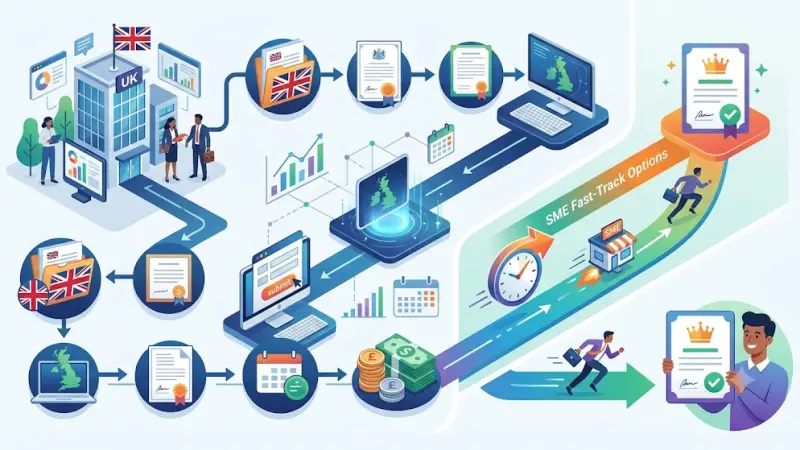
Your UK Sponsor Licence 2026 Step by Step Gui...
Read this insightful article "Your UK Sponsor Licence 2026 Step by Step Guide" to expand your knowledge!
Questions & Answers – Find What
You Need, Instantly!
How can I update my business listing?
Is it free to manage my business listing?
How long does it take for my updates to reflect?
Why is it important to keep my listing updated?
