
Trail Hunting Consultation Ban Explained Legal Ethical Industry Impact
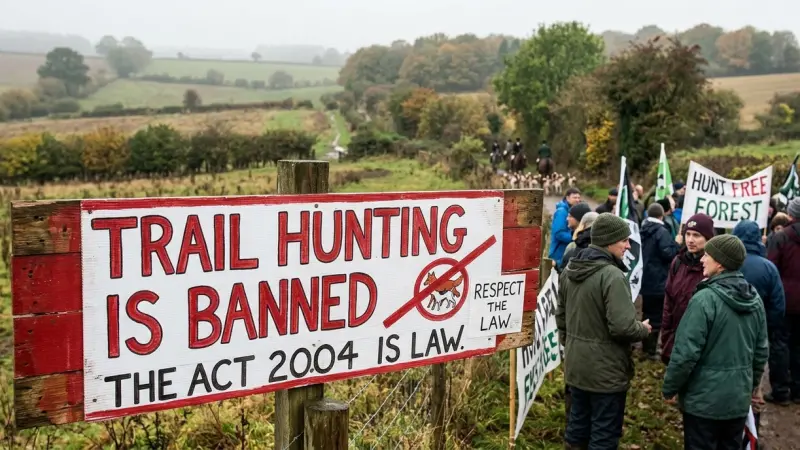
The discussion surrounding trail hunting has evolved from a niche countryside issue into a nationally debated policy topic. At the center of this conversation is the “trail hunting consultation ban,” a development that reflects shifting public values, legal uncertainties, and increasing scrutiny of traditional practices. While trail hunting has been widely described as a lawful alternative to traditional hunting, critics argue that its implementation raises serious concerns about transparency and enforcement.

In recent years, consultations conducted by public bodies, landowners, and policymakers have resulted in temporary suspensions or outright bans on trail hunting activities across certain regions. These decisions have sparked strong reactions from both supporters and opponents. For some, it represents progress in animal welfare; for others, it signals the erosion of rural traditions and livelihoods.
This article provides a comprehensive, balanced exploration of the trail hunting consultation ban—examining its legal foundation, ethical implications, and impact on industries and communities. By breaking down the issue step by step, readers can better understand the complexities behind one of the most debated countryside policies today.
Overview of the Trail Hunting Consultation Ban
What Is Trail Hunting?
Trail hunting is a practice in which a scent trail is artificially laid for hounds to follow, typically across countryside terrain. It was introduced as an alternative after traditional hunting methods involving live quarry were restricted under animal welfare laws. Participants argue that it preserves elements of hunting culture—such as horsemanship, hound management, and outdoor sport—without directly targeting live animals.
Origins of the Consultation Ban
The consultation ban did not emerge overnight. It is the result of mounting pressure from advocacy groups, public campaigns, and investigative reports that questioned whether trail hunting consistently adheres to legal standards. These concerns led authorities to initiate formal consultations—structured processes that gather opinions and evidence before policy decisions are made.
In several cases, the outcome of these consultations has been a precautionary suspension or restriction of trail hunting activities, particularly on publicly owned land.
What Does the Ban Actually Do?
The term “consultation ban” can be slightly misleading. It does not always refer to a permanent legal prohibition. Instead, it often involves:
-
Temporary suspension of trail hunting permissions
-
Review of existing agreements
-
Introduction of stricter conditions
-
Ongoing evaluation of compliance
This makes it a dynamic policy tool rather than a fixed legal rule.
Legal Context
Background of Hunting Regulations
Modern hunting laws were designed to prevent cruelty while allowing certain countryside activities to continue. These laws define what is permissible and establish penalties for violations. Trail hunting operates within this framework but relies heavily on interpretation and enforcement.
Legal Ambiguities
One of the most significant challenges is the ambiguity surrounding intent. Authorities must determine whether participants are genuinely following a pre-laid trail or engaging in prohibited activities. This distinction is often difficult to prove, particularly in open countryside settings.
Enforcement Difficulties
Law enforcement agencies face several obstacles:
-
Limited resources for monitoring rural areas
-
Difficulty gathering evidence in real time
-
Reliance on witness testimony and video footage
These challenges contribute to calls for clearer regulations or stricter oversight.
Role of Landowners and Public Authorities
Landowners, including government bodies and conservation organizations, play a critical role. They have the authority to grant or withdraw permission for trail hunting on their land. In many cases, consultation outcomes have led these entities to adopt more cautious approaches.
Potential Future Legal Developments
Looking ahead, several legal scenarios are possible:
-
Clearer statutory definitions of trail hunting
-
Mandatory licensing systems
-
Increased penalties for non-compliance
-
Expanded use of technology for monitoring
These developments could reshape how trail hunting is practiced and regulated.
Ethical Considerations
Animal Welfare Debate
At the heart of the controversy lies the issue of animal welfare. Critics argue that even if trail hunting is intended to avoid harm, it can still result in unintended consequences for wildlife. For example, hounds may deviate from the trail and pursue live animals.
Moral Responsibility
The debate extends beyond legality into moral responsibility. Many believe that activities involving animals should meet evolving ethical standards, regardless of historical precedent.
Cultural Significance
Supporters of trail hunting emphasize its cultural importance. They argue that it represents a longstanding tradition that contributes to community identity and rural heritage. For them, the consultation ban raises concerns about the loss of cultural practices.
Public Sentiment
Public attitudes toward animal welfare have shifted significantly over time. Increased awareness and advocacy have influenced how people perceive activities like trail hunting. This shift plays a major role in shaping policy decisions.
Ethical Balance
The key challenge is finding a balance between preserving tradition and ensuring ethical treatment of animals. This balance is not static and continues to evolve as societal values change.
Industry Impact
Economic Contributions
Trail hunting supports a network of industries that extend beyond the activity itself. These include:
-
Equestrian services
-
Feed and equipment suppliers
-
Rural tourism and hospitality
-
Event coordination and logistics
Any disruption to trail hunting can have ripple effects across these sectors.
Employment Considerations
Jobs linked to trail hunting range from direct roles, such as hunt staff, to indirect roles in supporting industries. Restrictions may lead to reduced income opportunities or the need for workforce adaptation.
Impact on Small Businesses
Many small rural businesses depend on seasonal events and gatherings associated with hunting activities. A decline in these events can affect revenue streams and long-term sustainability.
Tourism and Local Economies
Trail hunting events often attract visitors, contributing to local tourism. Reduced activity may lead to fewer visitors, impacting accommodations, restaurants, and other services.
Adaptation and Resilience
Some businesses are exploring alternative revenue streams, such as eco-tourism or equestrian sports, to adapt to changing regulations. This shift highlights the resilience of rural economies but also underscores the challenges they face.
Step-by-Step: How the Consultation Ban Process Works
Step 1: Identification of Concerns
The process begins when concerns are raised by stakeholders, including advocacy groups, citizens, or policymakers.
Step 2: Initiation of Consultation
Authorities launch a consultation process, inviting input from a wide range of participants. This ensures that multiple perspectives are considered.
Step 3: Data Collection
Evidence is gathered through:
-
Surveys and public submissions
-
Expert reports
-
Observational data
Step 4: Analysis and Review
Collected information is analyzed to identify patterns, risks, and potential outcomes.
Step 5: Decision-Making
Based on the findings, authorities decide whether to:
-
Maintain current policies
-
Introduce restrictions
-
Implement a ban
Step 6: Implementation
New policies are put into effect, often with clear guidelines and timelines.
Step 7: Monitoring and Evaluation
Ongoing monitoring ensures compliance and allows for future adjustments.
Practical Tips for Stakeholders
For Landowners
-
Conduct regular reviews of permissions
-
Set clear terms and conditions
-
Stay informed about legal changes
For Hunting Organizations
-
Maintain detailed records of activities
-
Train participants on compliance requirements
-
Engage openly with regulators and the public
For Policymakers
-
Ensure transparency in decision-making
-
Use evidence-based approaches
-
Consider both short-term and long-term impacts
For Community Members
-
Participate in consultations
-
Seek reliable information sources
-
Respect differing viewpoints
Common Mistakes and Misunderstandings
Misinterpreting the Ban
Many assume the consultation ban is a permanent nationwide prohibition, which is not always the case.
Ignoring Legal Nuances
The legal framework is complex, and oversimplification can lead to misunderstandings.
Overlooking Economic Impact
Focusing solely on ethical concerns without considering economic effects can result in incomplete analysis.
Assuming Uniform Enforcement
Enforcement practices can vary across regions, leading to inconsistencies.
Supporting Local Business Visibility Beyond Core Marketing Efforts
Business visibility plays a crucial role in helping organizations remain resilient, especially in industries affected by policy changes. While traditional marketing strategies are important, additional efforts can significantly enhance discoverability and trust.
Business Discoverability
Improving discoverability ensures that businesses can be easily found by potential customers. Platforms like Local Page UK provide structured opportunities for businesses to present accurate information in accessible formats.
Local Presence Consistency
Consistency across multiple platforms reinforces credibility. Using a free company listing platform helps maintain uniform details such as contact information, services, and location data, reducing confusion and improving user trust.
Trust Reinforcement Across Platforms
Appearing in a list services uk directory or a recognized business directory website strengthens legitimacy. Additionally, being included in a business listings site ensures broader reach and supports search visibility.
These strategies collectively contribute to a stronger digital presence, which is particularly valuable for businesses navigating uncertain regulatory environments.
The trail hunting
The trail hunting consultation ban highlights the intersection of law, ethics, and economic reality. It is not merely a regulatory adjustment but a reflection of broader societal changes. As public attitudes evolve and legal frameworks adapt, stakeholders must navigate an increasingly complex landscape.
Understanding the nuances of the consultation process, the legal challenges involved, and the ethical considerations at play is essential for meaningful engagement. Whether you are directly affected or simply interested in public policy, staying informed allows you to contribute thoughtfully to the ongoing debate.
As discussions continue, the importance of balanced decision-making cannot be overstated. Policies must consider evidence, fairness, and the diverse perspectives of those impacted. To stay ahead, keep following developments, participate in consultations, and engage with credible sources of information.
FAQs
1. What is trail hunting?
Trail hunting involves following a scent trail laid in advance, typically using hounds.
2. What does the consultation ban mean?
It refers to restrictions or suspensions introduced after public or official consultations.
3. Is trail hunting currently legal?
It can be, but only if it complies with existing laws and regulations.
4. Why is it controversial?
Concerns about enforcement and animal welfare contribute to the debate.
5. Who conducts consultations?
Government bodies, landowners, and public organizations typically lead them.
6. How does it affect rural jobs?
It may reduce employment opportunities linked to hunting activities.
7. Can businesses adapt?
Yes, many are exploring alternative services and revenue streams.
8. What role does public opinion play?
It significantly influences policy decisions and outcomes.
9. Are bans permanent?
Not always; some are temporary or subject to review.
10. How can I participate in consultations?
By submitting feedback during official consultation periods.
11. What industries are impacted?
Tourism, agriculture, and equestrian sectors are among those affected.
12. Is enforcement improving?
Efforts are ongoing, but challenges remain.
13. Why do landowners restrict access?
Legal risks and reputational concerns often influence their decisions.
14. What is the future of trail hunting?
It depends on evolving laws, public sentiment, and consultation outcomes.
15. Where can I learn more?
Official government websites and policy analysis platforms are good resources.

Disclaimer: The information provided in this article is for general informational and research purposes only. Company details, features, services, and market positions may change over time. Readers are advised to visit official company websites and conduct independent research before making any business decisions or purchasing services.
Most Searchable Keywords

Recent Blogs



Related Listings


Categories
- Accountants (295)
- Advertising Agencies (559)
- Architects (149)
- Automobiles (377)
- Beauty (300)
- Carpenters (146)
- Cleaning Services (386)
- Dentists (189)
- Driving (62)
- Electricians (215)
- Energy (8)
- Event Organiser (685)
- Finance (598)
- Guide (3364)
- Health (2207)
- Information technology (206)
- Legal Services (353)
- Logistics (6)
- Maintenance (65)
- Manufacturing (35)

Sponsored Listings in Locksmith Services


Related Blogs

Where to Find the Best Summer Festivals in Br...
Read this insightful article "Where to Find the Best Summer Festivals in Bristol" to expand your knowledge!

Provisional Driving Licence UK Benefits and L...
Read this insightful article "Provisional Driving Licence UK Benefits and Limits Explained" to expand your knowledge!

Ross on Wye Minibus Hire for Group Travel Mad...
Read this insightful article "Ross on Wye Minibus Hire for Group Travel Made Simple" to expand your knowledge!
Questions & Answers – Find What
You Need, Instantly!
How can I update my business listing?
Is it free to manage my business listing?
How long does it take for my updates to reflect?
Why is it important to keep my listing updated?
