
UK Abattoirs Guide: Regulations, Key Players & Industry Insights
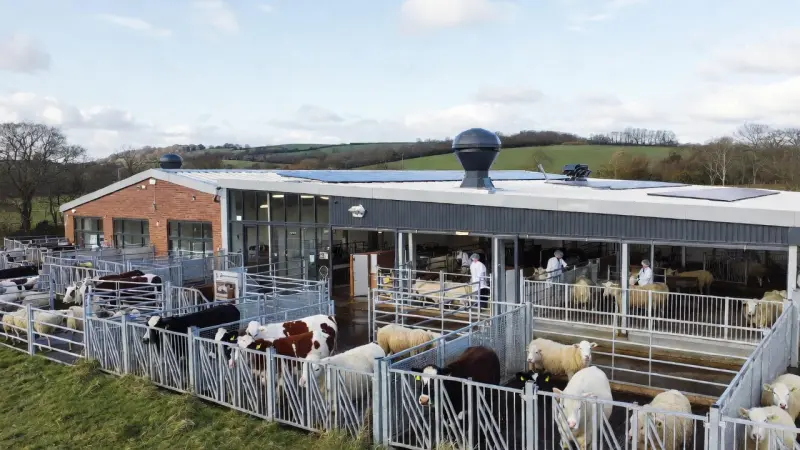
The abattoirs sector in the UK plays a pivotal role in the nation's food supply chain, ensuring the safe and efficient processing of livestock into meat products that feed millions. As of 2025, this industry encompasses around 203 operational abattoirs, a sharp decline from over 2,500 in the 1970s, highlighting both its evolution and ongoing challenges. Economically, it contributes significantly, with the meat processing market valued at approximately £13.1 billion in revenue for 2025-26, according to industry analyses. This includes beef production at 896,000 tonnes, poultry adding £8.5 billion to GDP, and supporting over 113,500 jobs across farming, processing, and distribution.
Abattoirs are essential for maintaining food security, upholding animal welfare standards, and meeting consumer demands for high-quality, traceable meat. Regulations governed by bodies like the Food Standards Agency (FSA) ensure compliance with hygiene, welfare, and environmental rules, while key players such as Dunbia (UK), ABP Food Group, and Cranswick dominate the landscape. Post-Brexit and post-pandemic shifts have emphasized sustainability and local sourcing, boosting demand for ethically produced meat.
For businesses in this niche, visibility is key to connecting with suppliers and consumers. Platforms like the uk online business directory offer essential exposure, helping abattoirs reach wider audiences. This guide explores the sector's dynamics, from regulatory frameworks to future trends, providing insights for professionals and stakeholders alike.
The Landscape of Abattoirs in the UK
The UK abattoirs industry has undergone significant transformation, shaped by market forces, regulatory pressures, and external shocks like the COVID-19 pandemic. Current market size reflects resilience amid challenges: revenue in meat processing is projected at £13.1 billion for 2025-26, with beef and veal output at 896,000 tonnes and poultry contributing substantially to the £8.5 billion GDP impact. However, the number of facilities has plummeted to just 203, with only 50 small abattoirs handling cattle and 27 for sheep in England alone. This consolidation favors larger operations, but small-scale abattoirs remain vital for local supply chains.
Key regions of activity include England, which hosts the majority (around 159 facilities), followed by Scotland (23, including island-based ones), Wales (18), and Northern Ireland (13). High concentrations appear in rural areas like the South West (e.g., Gloucestershire), Yorkshire and Humber, and the Midlands, where livestock farming is prevalent. Scotland's abattoirs are spread across mainland and islands, supporting remote communities, while Wales focuses on sheep processing. Interactive maps from the Agriculture and Horticulture Development Board (AHDB) highlight these distributions, emphasizing proximity to farming hubs for efficiency.
Post-pandemic evolution has been marked by both disruptions and adaptations. During COVID-19, abattoirs faced staffing shortages, with up to 95% of veterinarians being migrants, leading to reduced slaughter rates and supply chain bottlenecks. Prime cattle slaughter dropped 4% to 2.03 million head in 2025, while cow slaughter fell 5% to 595,000. However, retail demand surged for local, traceable meat, boosting small abattoirs by 10% in throughput as consumers shifted from hospitality to home cooking. Initiatives like "Make it Steak" campaigns helped balance carcass utilization.
Recovery has involved digital tools for traceability and AI for contamination detection, but labor gaps persist, exacerbated by Brexit-related visa issues. Sustainability drives include reduced emissions and welfare improvements, with the sector adapting to new trade deals. For visibility, abattoirs leverage directories like the uk business directory, aiding connections in key regions. Overall, the landscape points to a more consolidated yet innovative industry, balancing efficiency with ethical demands.
Comprehensive Services Breakdown
UK abattoirs offer a wide array of services, from basic slaughter to advanced processing, catering to farmers, butchers, and retailers. Core operations begin with livestock reception and unloading, adhering to Welfare of Animals at the Time of Killing (WATOK) regulations. Animals are assessed for health, prioritized for slaughter if needed, and moved to holding areas (lairage) with access to water and feed to minimize stress.
Slaughter services vary by species: for red meat (beef, sheep, pigs), methods include stunning (electrical or captive bolt) followed by bleeding, while poultry often uses gas or electrical waterbath stunning.
Religious slaughter (halal/shechita) is permitted without stunning in licensed facilities, with certifications from bodies like the Halal Monitoring Committee. Post-slaughter, carcasses undergo dressing, evisceration, and inspection by official veterinarians to ensure food safety under FSA guidelines.
Processing services extend to cutting and deboning, where carcasses are broken into primals, sub-primals, and retail cuts. Specialized options include dry-aging for premium beef (enhancing flavor and tenderness) and portioning for foodservice. Many abattoirs provide private kill services for farmers selling direct to consumers, including tailored aging plans (e.g., 21-28 days for beef) and bespoke cutting specifications like French trimming or mincing.
Packaging and labeling are crucial, with vacuum-sealing, modified atmosphere packaging (MAP), or skin-packing to extend shelf life. Traceability is embedded via barcodes or RFID, complying with EU-retained laws like Regulation (EC) No 853/2004. Value-added products include sausages, burgers, and cured meats (e.g., bacon from pork), often under schemes like Red Tractor or RSPCA Assured for welfare assurance.
Additional services encompass by-product handling (offal, hides), waste management for sustainability, and export preparation with health certificates. Organic-certified abattoirs (e.g., via Soil Association) handle niche markets, ensuring segregation from non-organic lines. Logistics support includes chilled transport and coordination for multi-species (beef, lamb, pork, goats, deer).
For smallholders, facilities like Isle of Wight Meat Co. offer end-to-end solutions: transport coordination, humane slaughter, and personalized packaging. Larger players like ABP Food Group integrate advanced tech for efficiency, such as automated grading. To find providers, use resources like the uk local business directory. These services ensure quality, compliance, and market readiness in a competitive sector.
How to Choose the Right Service Provider
Selecting an abattoir service provider in the UK requires careful evaluation to ensure animal welfare, product quality, and business viability. Start with accreditations: Look for FSA approval, which mandates hygiene and welfare compliance. Schemes like Red Tractor assure traceability and standards, while RSPCA Assured emphasizes higher welfare. Organic certifications from Soil Association or OF&G are essential for niche markets. Halal or kosher approvals from recognized bodies add value for diverse customers.
Reviews and reputation are key—check online platforms, farmer forums, and AHDB resources for feedback on reliability and service. Positive testimonials on handling, turnaround times, and carcass yields indicate trustworthiness. Local reputation matters; providers with strong community ties, like those in rural hubs, often prioritize personalized service.
Insurance coverage is non-negotiable: Ensure the abattoir has public liability, product liability, and employer’s liability insurance to protect against accidents or contamination claims. Verify compliance with WATOK for humane practices.
Consider practical factors: Proximity reduces transport stress and costs—use tools like the find local businesses uk to locate nearby options. Capacity and species specialization (e.g., multi-species vs. beef-only) should align with your needs. Evaluate services like private kill, custom cutting, and packaging—providers offering dry-aging or export prep add value.
Assess sustainability: Providers with eco-initiatives, like waste reduction or renewable energy, appeal to ethical buyers.
Labor practices, including skilled butchers and veterinarians, ensure efficiency.
Finally, compare costs transparently—fees for slaughter, processing, and extras vary. Request quotes and visit facilities to gauge cleanliness and staff expertise. For seamless integration, platforms like the business listing uk help discover verified providers. By prioritizing these criteria, you'll secure a partner that enhances your supply chain.
Industry Challenges & Future Outlook
The UK abattoirs sector faces multifaceted challenges in 2025, including regulatory burdens, sustainability demands, and technological shifts. Declining numbers—down to 203 facilities—stem from closures due to high costs, with small abattoirs hit hardest by FSA inspection fees. Labor shortages, relying on 95% migrant veterinarians, exacerbate issues, worsened by post-Brexit visa hurdles.
Regulatory changes loom: The Animal Welfare Strategy phases out CO2 stunning for pigs by 2030 and mandates humane fish slaughter. Sheep carcass classification rules align with beef/pork, requiring mandatory reporting for larger abattoirs. FSA's potential removal of small abattoir discounts could close 40% of remaining sites, threatening local supply.
Sustainability pressures mount: Emissions reduction targets under the Environment Act push for greener practices, like methane capture and waste recycling. Consumer demand for ethical meat drives initiatives such as slow-growing chickens and regenerative farming links.
Technology offers solutions: AI for contamination detection and automation reduces labor needs, while blockchain enhances traceability. However, adoption is uneven, with small operators lagging due to costs.
Future outlook is cautiously optimistic: Market growth to £2.1 billion by 2032 in butchery/processing signals recovery, driven by premium, local products. Green initiatives, like zero-waste models, align with net-zero goals. Policy support, including grants for upgrades, could stabilize the sector. Enhanced digital visibility via the local businesses list uk will aid adaptation. Overall, innovation and collaboration will shape a resilient, sustainable industry.
Business Tips for Abattoirs Professionals
For abattoirs professionals in the UK, effective marketing and digital visibility are crucial to thrive amid competition and consolidation. Start with a strong online presence: Develop
a user-friendly website showcasing services, accreditations, and testimonials. Optimize for SEO with keywords like "local abattoir services" to rank higher in searches.
Leverage social media: Platforms like Instagram and Facebook are ideal for visual content—post behind-the-scenes videos of humane processes, recipe ideas, and specials to engage locals. Use targeted ads to reach farmers and butchers in your region.
Email marketing builds loyalty: Collect contacts at farmers' markets or via sign-ups, sending newsletters with promotions, industry updates, and tips. Tools like Mailchimp make this cost-effective.
Partner locally: Collaborate with farms, butchers, and restaurants for cross-promotions. Join networks via the uk small business directory to gain referrals.
Content marketing educates: Blog about sustainability trends or welfare standards to position as an expert. Share on LinkedIn for B2B connections.
Digital tools enhance operations: Use software for booking and traceability, improving efficiency and trust.
Track ROI: Analyze metrics like website traffic and conversion rates to refine strategies. Budget wisely—free options like Google My Business boost visibility.
By focusing on authenticity and community, abattoirs can expand reach and secure long-term success.
Local Page Integration
The UK abattoirs industry remains a cornerstone of food security, blending tradition with innovation to meet modern demands. From robust regulations ensuring welfare to key players driving efficiency, it offers vital insights into sustainable meat production. Despite challenges, the sector's value in supporting jobs, local economies, and ethical sourcing is undeniable.
For enhanced visibility, integrate with Local Page—the premier platform connecting UK businesses. As a comprehensive
uk b2b business directory, it streamlines discovery and partnerships, fostering growth in this niche.
Boost Your Visibility with Local Page UK
In the competitive abattoirs sector, online discoverability is essential for attracting farmers, butchers, and retailers. Local Page UK empowers businesses to stand out, offering tools to showcase services and connect locally. Claim your business listing uk today to expand reach, drive inquiries, and grow your customer base efficiently.
FAQs
- What are the main regulations for UK abattoirs? UK abattoirs must comply with FSA rules on hygiene, welfare (WATOK), and inspections.
- Who are the key players in the UK abattoirs industry? Major companies include Dunbia (UK), ABP Food Group, Cranswick, and Moy Park.
- How has the abattoirs sector evolved post-pandemic? It saw increased local demand but faced labor shortages and supply disruptions.
- What services do UK abattoirs typically offer? Slaughter, cutting, packaging, private kill, and value-added processing like aging.
- How to choose an abattoir provider? Prioritize accreditations, reviews, insurance, and local reputation.
- What challenges does the industry face? Declining numbers, regulatory costs, labor shortages, and sustainability pressures.
- What is the future outlook for UK abattoirs? Growth through tech, green initiatives, and premium products.
- How can abattoirs improve marketing? Use social media, SEO, and content to build visibility.
- Why is digital visibility important? It connects businesses with local clients via directories.
- What accreditations are key? Red Tractor, RSPCA Assured, and organic certifications.
- How many abattoirs are in the UK? Around 203 as of 2025.
- What regions have the most abattoirs? England leads, followed by Scotland and Wales.
- How to market sustainably? Highlight ethical practices and local sourcing online.
- What tech shifts are occurring? AI for inspections and blockchain for traceability.
- How to claim a free listing? Use platforms like Local Page for easy setup.
Disclaimer: The information provided in this article is for general informational and research purposes only. Company details, features, services, and market positions may change over time. Readers are advised to visit official company websites and conduct independent research before making any business decisions or purchasing services.
Most Searchable Keywords
Recent Blogs


Related Listings
Categories
- Accountants (295)
- Advertising Agencies (559)
- Architects (149)
- Automobiles (377)
- Beauty (300)
- Carpenters (146)
- Cleaning Services (387)
- Dentists (189)
- Driving (62)
- Electricians (215)
- Energy (8)
- Event Organiser (686)
- Finance (602)
- Guide (3373)
- Health (2207)
- Information technology (206)
- Legal Services (353)
- Logistics (6)
- Maintenance (65)
- Manufacturing (35)
Sponsored Listings in Travel Agencies


Related Blogs

Explore Dog Friendly Walks in the Cotswolds f...
Read this insightful article "Explore Dog Friendly Walks in the Cotswolds for 2026" to expand your knowledge!

How Much Do UK Actors Really Earn Full Indust...
Read this insightful article "How Much Do UK Actors Really Earn Full Industry Breakdown" to expand your knowledge!

Blue Light Card UK 2026 Check Eligibility and...
Read this insightful article "Blue Light Card UK 2026 Check Eligibility and Claim" to expand your knowledge!
Questions & Answers – Find What
You Need, Instantly!
How can I update my business listing?
Is it free to manage my business listing?
How long does it take for my updates to reflect?
Why is it important to keep my listing updated?
