
UK Service Sector Growth Slows Amid Economic Pressure
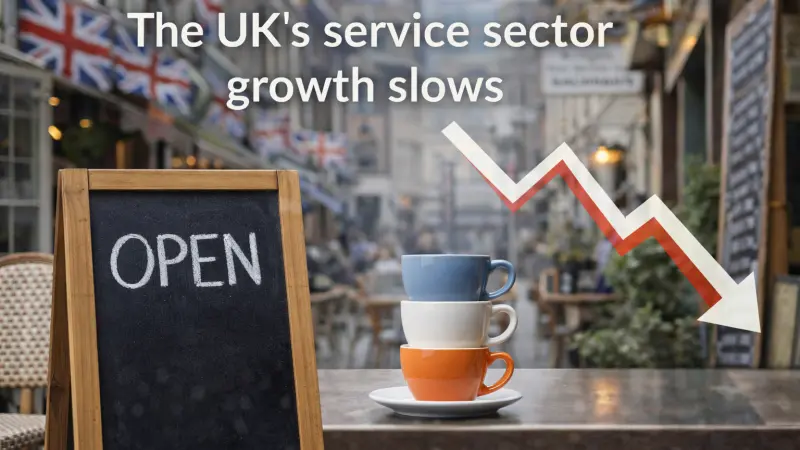
The UK service sector plays a vital role in the country’s economy, accounting for a significant share of employment and economic output. When growth in this sector slows, it can signal broader economic challenges and influence business confidence, investment, and consumer spending.

Recent reports suggest that growth in the UK service sector has slowed, raising concerns about economic momentum. Understanding the reasons behind this slowdown helps businesses and policymakers respond effectively.
In this article, we explore the factors contributing to slower growth, the potential economic impact, and what it means for businesses and consumers.
What Is the Service Sector
The service sector includes industries that provide services rather than physical goods. This includes finance, hospitality, retail, healthcare, education, technology, and professional services.
As the largest part of the UK economy, the performance of the service sector is closely linked to overall economic health.
Growth or slowdown in this sector can affect employment, consumer confidence, and business investment.
Understanding its role highlights the importance of monitoring trends.
Why Growth Is Slowing
Several factors can contribute to slower growth in the service sector. Rising costs, economic uncertainty, and changing consumer behaviour are among the key influences.
Higher interest rates can reduce spending by businesses and consumers, affecting demand for services.
Inflation may also reduce purchasing power, leading to cautious spending patterns.
Uncertainty in global markets can further impact confidence.
Impact of Inflation and Rising Costs
Inflation has increased operating costs for many service based businesses, including wages, energy, and supplies.
Higher costs can reduce profit margins and limit investment in growth.
Businesses may also pass some costs onto customers, which can reduce demand.
Managing costs remains a key challenge.
Changing Consumer Behaviour
Consumers may reduce spending on non essential services during periods of economic uncertainty.
Shifts in spending patterns can affect industries such as hospitality, travel, and retail.
Demand may become more unpredictable as households manage tighter budgets.
Understanding consumer trends is essential for businesses.
Impact on Businesses
Slower growth can lead to reduced revenue opportunities and cautious hiring decisions.
Businesses may focus on cost control and efficiency improvements to maintain profitability.
Some sectors may experience stronger impacts than others depending on demand levels.
Adaptability is important during periods of slowdown.
Employment Implications
The service sector is a major employer, so slower growth can influence job creation and hiring trends.
Companies may delay recruitment or reduce expansion plans.
Labour market changes can affect overall economic confidence.
Employment trends remain closely monitored.
Regional Differences
The impact of slower growth may vary across regions depending on local industries and economic conditions.
Areas with strong service based economies may experience more noticeable effects.
Regional policies and investments can help support growth.
Understanding regional trends helps inform planning.
Government and Policy Response
Government policies such as interest rate decisions, fiscal measures, and support programmes can influence economic conditions.
Policymakers may focus on supporting growth through investment and economic initiatives.
Policy decisions play a key role in shaping the economic outlook.
Support measures can help stabilise the sector.
Outlook for the Service Sector
While growth may be slowing, the service sector remains resilient and continues to adapt to changing conditions.
Digital transformation and innovation may support future growth opportunities.
Long term prospects depend on economic stability and consumer confidence.
Businesses that remain flexible can navigate challenges more effectively.
What Businesses Can Do
Businesses can focus on improving efficiency, managing costs, and enhancing customer experience to remain competitive.
Investing in technology and diversifying services can help create new opportunities.
Monitoring market trends helps businesses respond proactively.
Strategic planning supports resilience.
Impact on Consumers
Consumers may experience price changes, reduced service availability, or shifts in service quality during periods of slower growth.
Economic uncertainty can influence spending decisions and confidence.
Understanding these impacts helps consumers plan effectively.
Market conditions continue to evolve.
Long Term Economic Implications
Slower growth in the service sector can influence overall economic performance, investment levels, and employment trends.
However, recovery can occur as conditions improve and confidence returns.
Long term outlook depends on economic stability and policy support.
Sustainable growth requires balanced economic conditions.
The slowdown in the UK service sector highlights the challenges facing businesses and the wider economy. Rising costs, changing consumer behaviour, and economic uncertainty are key factors influencing growth.
While these challenges may create short term pressures, the sector remains adaptable and resilient. Businesses that focus on efficiency, innovation, and customer value can navigate the changing environment successfully.
Understanding economic trends helps organisations prepare and make informed decisions for the future.
FAQs
1 What is the UK service sector It includes industries such as finance, hospitality, retail, and professional services.
2 Why is service sector growth slowing Rising costs, inflation, and reduced consumer spending are key factors.
3 How does inflation affect service businesses It increases operating costs and can reduce demand.
4 What industries are part of the service sector Finance, healthcare, education, hospitality, and professional services.
5 How does slower growth affect employment It may reduce hiring and job creation.
6 Will the slowdown affect consumers Consumers may see price changes or reduced spending opportunities.
7 What can businesses do during a slowdown Focus on efficiency, cost control, and innovation.
8 Is the slowdown temporary It depends on economic conditions and policy responses.
9 How important is the service sector to the UK economy It is the largest contributor to economic output and employment.
10 Can the sector recover Yes recovery is possible as economic conditions improve.
11 What role does government policy play Policies can influence growth through economic support measures.
12 How does consumer confidence affect the sector Higher confidence supports spending and growth.
13 Are all service industries affected equally No impact varies depending on industry and demand.
14 What is the outlook for the sector It remains resilient with potential for future growth.
15 Why should businesses monitor economic trends To adapt strategies and manage risks effectively.

Disclaimer: The information provided in this article is for general informational and research purposes only. Company details, features, services, and market positions may change over time. Readers are advised to visit official company websites and conduct independent research before making any business decisions or purchasing services.
Most Searchable Keywords
Recent Blogs



Related Listings

Categories
- Accountants (295)
- Advertising Agencies (559)
- Architects (149)
- Automobiles (377)
- Beauty (300)
- Carpenters (146)
- Cleaning Services (386)
- Dentists (189)
- Driving (62)
- Electricians (215)
- Energy (8)
- Event Organiser (685)
- Finance (599)
- Guide (3365)
- Health (2207)
- Information technology (206)
- Legal Services (353)
- Logistics (6)
- Maintenance (65)
- Manufacturing (35)
Sponsored Listings in Locksmith Services


Related Blogs

Gen Z Political Reporters and News Creators i...
Read this insightful article "Gen Z Political Reporters and News Creators in the UK" to expand your knowledge!

Famous Female Social Media Influencers Across...
Read this insightful article "Famous Female Social Media Influencers Across the UK" to expand your knowledge!

Your UK Sponsor Licence 2026 Step by Step Gui...
Read this insightful article "Your UK Sponsor Licence 2026 Step by Step Guide" to expand your knowledge!
Questions & Answers – Find What
You Need, Instantly!
How can I update my business listing?
Is it free to manage my business listing?
How long does it take for my updates to reflect?
Why is it important to keep my listing updated?
