
Unemployment Hits a Six Year Record Low
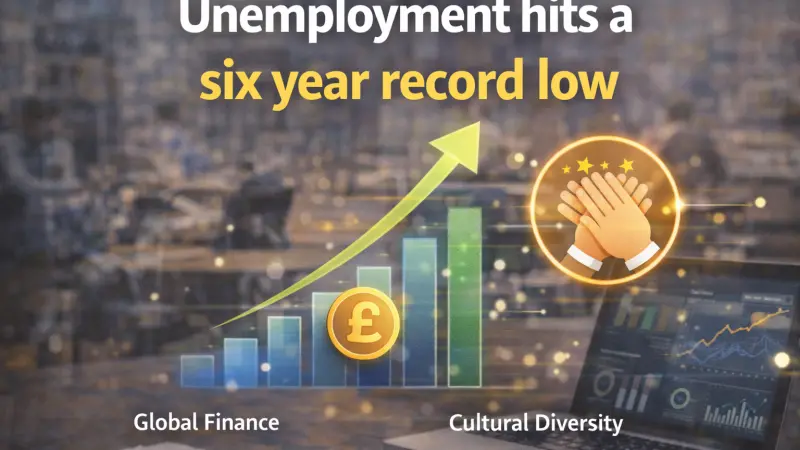
A significant drop in unemployment to a six year record low is a strong indicator of economic stability and growth. Low unemployment levels suggest that more people are working, businesses are hiring, and economic activity is improving. For governments, businesses, and job seekers, such trends offer valuable insights into the health of the labour market.
When unemployment declines, it often reflects increased business confidence and stronger demand for goods and services. Companies expand their operations, create new roles, and invest in growth, contributing to overall economic momentum.
In this article, we explore what a six year record low unemployment rate means, the factors behind the trend, and its impact on businesses, workers, and the wider economy.
What Low Unemployment Means
Low unemployment indicates that a larger proportion of the working population is employed. This often leads to increased consumer spending as more people have stable incomes.
Higher employment levels support economic growth by boosting demand and encouraging business expansion. Low unemployment is generally seen as a positive sign for the economy.
It also reflects a strong labour market with more opportunities for job seekers.
Factors Contributing to Lower Unemployment
Several factors can contribute to falling unemployment rates. Economic growth encourages businesses to hire more staff to meet rising demand. Investment in infrastructure and technology can also create new jobs.
Government policies supporting businesses and workforce development play a role in improving employment levels. Additionally, growth in emerging industries such as technology and digital services can drive job creation.
These factors collectively support a stronger labour market.
Impact on Businesses
Low unemployment can benefit businesses by indicating strong consumer demand and economic confidence. However, it can also create challenges such as increased competition for skilled workers.
Companies may need to offer competitive salaries and benefits to attract and retain talent. Investing in training and development helps businesses address skills shortages.
A strong labour market encourages innovation and growth.
Impact on Employees and Job Seekers
For employees, low unemployment often means greater job security and more opportunities for career advancement.
Workers may have more bargaining power when negotiating salaries and benefits.
Job seekers may find it easier to secure employment due to increased demand for talent. A strong job market supports higher wages and improved working conditions.
These benefits contribute to higher living standards.
Economic Growth and Consumer Confidence
Low unemployment boosts consumer confidence as more people feel secure in their jobs and income. Increased confidence leads to higher spending on goods and services, which supports business growth.
Consumer spending is a major driver of economic activity, making employment trends closely linked to overall economic performance.
Strong consumer confidence supports a positive economic outlook.
Sector Trends
Some industries may experience stronger employment growth than others. Sectors such as technology, healthcare, professional services, and construction often contribute significantly to job creation.
Understanding sector trends helps businesses and policymakers identify opportunities and address workforce needs.
Different industries contribute to overall employment growth.
Regional Differences in Employment
Employment levels may vary across regions depending on local industries and economic conditions. Some areas may experience faster growth due to strong sector performance or investment.
Regional initiatives and development programmes aim to support balanced growth across the country.
Understanding regional trends helps identify opportunities for businesses and workers.
Challenges of Low Unemployment
While low unemployment is generally positive, it can also present challenges such as labour shortages and wage inflation. Businesses may struggle to find skilled workers, which can impact productivity.
Addressing skills gaps through training and education helps maintain a balanced labour market.
Managing these challenges is important for sustainable growth.
The Role of Skills and Education
Skills development plays a crucial role in maintaining low unemployment levels. Training programmes, apprenticeships, and education initiatives help prepare workers for evolving job markets.
Businesses and governments often collaborate to support workforce development.
Continuous learning helps maintain employability.
Long Term Economic Implications
Sustained low unemployment supports long term economic stability and growth. It encourages investment, innovation, and increased productivity.
However, maintaining balance is important to avoid overheating the economy or creating inflationary pressures.
Careful economic management ensures sustainable growth.
Future Outlook
The outlook for employment depends on factors such as economic conditions, global markets, and technological advancements. Continued investment in skills, infrastructure, and innovation will support future growth.
Monitoring labour market trends helps businesses and policymakers make informed decisions.
The future remains cautiously optimistic.
A six year record low unemployment rate highlights the strength and resilience of the labour market. Increased employment supports economic growth, boosts consumer confidence, and creates opportunities for businesses and workers alike.
While challenges such as skills shortages may arise, the overall outlook remains positive. By continuing to invest in workforce development and innovation, economies can sustain growth and stability.
Low unemployment is a strong indicator of economic health and provides a foundation for future prosperity.
FAQs
What does low unemployment mean It means more people are employed and the labour market is strong.
Why is low unemployment good for the economy It increases consumer spending and supports business growth.
What causes unemployment to fall Economic growth, business expansion, and job creation.
How does low unemployment affect wages It can lead to higher wages due to increased competition for talent.
Does low unemployment benefit businesses Yes, it reflects strong demand but may create hiring challenges.
What industries create the most jobs Technology, healthcare, and professional services often lead growth.
Can low unemployment cause inflation It can contribute to wage inflation if labour shortages occur.
How does employment affect consumer confidence Stable jobs increase confidence and spending.
What challenges come with low unemployment Skills shortages and competition for workers.
How can governments maintain low unemployment By supporting economic growth and workforce development.
Is low unemployment always positive Generally yes, but balance is needed to avoid inflation.
How do skills programmes help employment They prepare workers for new opportunities.
What is the future outlook for employment Depends on economic conditions and industry growth.
Why do employment rates vary by region Different industries and investment levels affect local economies.
How can businesses adapt to labour shortages By investing in training and offering competitive benefits.
Disclaimer: The information provided in this article is for general informational and research purposes only. Company details, features, services, and market positions may change over time. Readers are advised to visit official company websites and conduct independent research before making any business decisions or purchasing services.
Most Searchable Keywords
Recent Blogs


Related Listings

Categories
- Accountants (295)
- Advertising Agencies (559)
- Architects (149)
- Automobiles (377)
- Beauty (300)
- Carpenters (146)
- Cleaning Services (387)
- Dentists (189)
- Driving (62)
- Electricians (215)
- Energy (8)
- Event Organiser (686)
- Finance (602)
- Guide (3376)
- Health (2207)
- Information technology (206)
- Legal Services (356)
- Logistics (6)
- Maintenance (65)
- Manufacturing (35)
Sponsored Listings in Travel Agencies


Related Blogs

Sexual Harassment Rules Tighten Across UK Fro...
Read this insightful article "Sexual Harassment Rules Tighten Across UK From October 2026" to expand your knowledge!
Employment Tribunal Claim Deadline Extends Fr...
Read this insightful article "Employment Tribunal Claim Deadline Extends From October 2026" to expand your knowledge!

Rainy Day Activities in Cheltenham Hidden Gem...
Read this insightful article "Rainy Day Activities in Cheltenham Hidden Gems for 2026" to expand your knowledge!
Questions & Answers – Find What
You Need, Instantly!
How can I update my business listing?
Is it free to manage my business listing?
How long does it take for my updates to reflect?
Why is it important to keep my listing updated?
