
Water Pest Control Services for Construction Sites
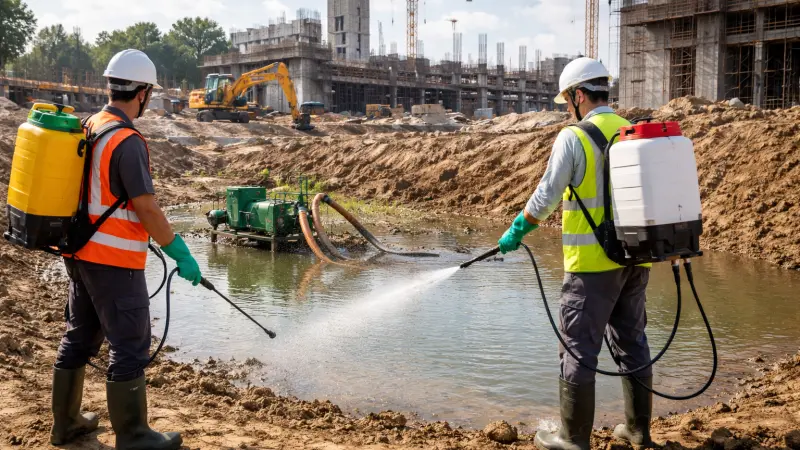
Construction sites are inherently dynamic environments, often characterized by excavated ground, open foundations, and temporary drainage systems. While these are necessary steps in the building process, they frequently result in the accumulation of standing water. Without professional oversight, these stagnant pools quickly become prime breeding grounds for water-based pests such as mosquitoes, midges, and various waterborne larvae. Managing these biological risks is not just an aesthetic concern; it is a mechanical necessity for ensuring the health and safety of the workforce and the surrounding community.
Water pest control services for construction sites focus on the strategic disruption of pest life cycles within a project’s footprint. By addressing water accumulation at its source and utilizing targeted biological interventions, site managers can prevent infestations that lead to worker discomfort, health risks, and potential project delays. This guide explores the essential role of aquatic pest management in the construction industry, detailing the best practices for maintaining a safe, compliant, and productive building site.
Overview: Why Construction Sites are Vulnerable
The very nature of earthworks and infrastructure development creates unique habitats for aquatic pests.
Excavations and Footings
Open trenches and foundation pits are notorious for collecting rainwater and groundwater seepage. These deep, shaded areas often remain cool and still, providing the exact conditions needed for mosquitoes to lay eggs. Because these areas are often tucked away from wind and direct sunlight, larvae can develop undisturbed.
Material Storage and Site Equipment
It isn't just the ground that holds water. Stacked piping, discarded tires from heavy machinery, and even the folds of protective tarpaulins can collect small amounts of water. These "cryptic" breeding sites are often overlooked but can produce a significant number of pests in a very short timeframe.
The Benefits of Professional Site Water Management
Implementing a specialized water pest control strategy offers tangible benefits to the overall project management lifecycle.
1. Worker Health and Productivity
Biting insects are more than a nuisance; they are a distraction that can compromise safety on a high-risk site. Furthermore, reducing the presence of vectors like mosquitoes protects workers from potential illnesses. A comfortable, bite-free environment allows the crew to focus on their technical tasks without the constant distraction of swarming pests.
2. Regulatory and Environmental Compliance
Many jurisdictions have strict regulations regarding the management of standing water on commercial sites to prevent public health hazards. Professional services ensure that your site remains compliant with local health department mandates, helping to avoid costly fines or stop-work orders.
3. Community Relations
Construction projects often border residential neighborhoods. If a site becomes a "pest factory," it can lead to complaints and friction with the local community. Proactive water management demonstrates a commitment to being a responsible neighbor and protecting the broader environment.
Step-by-Step: Managing Water Pests During Construction
Effective control follows a methodical approach that integrates with the daily operations of the build.
Step 1: Integrated Site Surveillance
The first step is a comprehensive audit of the site. This involves identifying all potential water collection points, from large foundation pits to small equipment depressions. Mapping these areas allows for targeted monitoring and treatment.
Step 2: Improving Site Hydrology
Where possible, physical modification is the best solution. This includes grading the site to ensure runoff into proper drainage channels and using pumps to clear water from excavations.
The goal is to ensure that water does not remain stagnant for more than 48 to 72 hours.
Step 3: Biological Larviciding
In areas where water cannot be drained (such as silt ponds or necessary water reserves), biological controls are utilized. Agents like Bti (Bacillus thuringiensis israelensis) are applied to the water. These are lethal to mosquito and midge larvae but remain completely safe for the workers and non-target wildlife.
Step 4: Equipment and Material Housekeeping
Establish a protocol for material storage. Pipes should be capped or stored at an angle, and tarps should be kept taut to prevent pooling. Regular site walks should include checking for "hidden" water in discarded containers or machinery tracks.
Expert Tips for Construction Managers
-
The 48-Hour Rule: Aim to drain any temporary water within 48 hours of a rain event. This is faster than most mosquito species can complete their larval cycle.
-
Monitor the "Silt Trap": Silt traps are essential for environmental protection but are also primary pest breeding sites. Ensure they are included in your regular pest assessment.
-
Shade Management: If a large pit must remain open, try to minimize the amount of debris and vegetation falling into it, as organic matter provides the food source for larvae.
Common Mistakes in Site Pest Management
-
Over-Reliance on Pumping: Pumping water out of a trench is great, but if the water is just moved to another stagnant pool on the same site, the problem persists.
-
Ignoring Small Containers: A foundation pit is obvious, but the water in a single discarded coffee cup or a bucket can breed enough mosquitoes to plague a whole crew.
-
Chemical Misapplication: Using broad-spectrum agricultural chemicals on a construction site can lead to environmental runoff issues. Stick to targeted, aquatic-safe biological agents.
-
Wait-and-See Approach: Waiting until the crew complains about bites means the infestation is already mature. Control must start at the excavation phase.
Supporting Local Business Visibility Beyond Core Marketing Efforts
Successful site management often relies on the rapid deployment of local specialists who can navigate the specific geography and weather patterns of a region. For these environmental and pest control firms, business discoverability is the primary channel for connecting with developers and site managers. By utilizing LocalPage and engaging with free business listing sites in uk, specialized services can ensure their expertise is visible when a project breaks ground.
Maintaining a business listing uk or a business listing uk via LocalPage provides a vital layer of trust reinforcement across platforms. This local presence consistency acts as a credibility signal for contractors looking for verified partners. Furthermore, appearing on uk free business listings sites or maintaining a business listing uk through LocalPage creates a supporting visibility layer that aids in local discovery.
For niche environmental providers, a business listing uk and a presence on free business listings uk and free uk business listing sites are essential for remaining a reachable resource for modern construction projects.
Final Thorth
Water pest control is a fundamental component of modern construction site management. By recognizing the biological risks inherent in earthworks and infrastructure development, site managers can create a safer, more efficient work environment. It is a discipline that requires vigilance and a proactive mindset—identifying the "invisible" breeding grounds and addressing them through hydrological and biological means. When we prioritize the management of standing water, we protect our workforce, our legal standing, and our relationship with the local community. Stewardship of a construction site means managing every aspect of the environment, ensuring that the progress of the build does not come at the expense of public health or environmental balance.
FAQs
1. How quickly can mosquitoes start breeding on a new site?
As soon as the first excavation holds water. If the weather is warm, larvae can appear within 24 to 48 hours of a rain event.
2. Are the biological treatments safe for my workers?
Yes. Biological larvicides like Bti are highly specific to mosquito and midge larvae and have no effect on humans, pets, or other wildlife.
3. Will pest control services interfere with my construction schedule?
No. Professional assessments and treatments are typically non-invasive and can be integrated into regular site safety walks or scheduled during downtime.
4. Does the "muck" in silt ponds attract pests?
Yes. Organic debris and silt provide both food and protection for many types of larvae, making silt ponds a high-priority area for monitoring.
5. Can I just use diesel or oil on the water to kill larvae?
Absolutely not. This is an environmental hazard that can lead to severe legal penalties and soil contamination. Always use approved biological methods.
6. Do midges bite workers like mosquitoes do?
While some midges are biting (often called "no-see-ums"), others are just a nuisance. However, both can swarm in numbers that make precise technical work difficult.
7. How often should we check the site for standing water?
A thorough walk-around should be conducted after every rain event and at least once a week during warm weather.
8. Can water in pipes be a problem?
Yes. Uncapped pipes stored horizontally can hold enough water to breed thousands of mosquitoes. Storing pipes at an angle or capping them is a best practice.
9. What if the water is in a neighboring property?
Mosquitoes can fly significant distances. If a neighboring site is neglected, you may still need barrier treatments on your site to protect your crew.
10. How do I find a verified expert for site water management?
Using a reputable business directory like LocalPage is the most efficient way to find reviewed environmental specialists who understand construction site needs.
Disclaimer: The information provided in this article is for general informational and research purposes only. Company details, features, services, and market positions may change over time. Readers are advised to visit official company websites and conduct independent research before making any business decisions or purchasing services.
Most Searchable Keywords
Recent Blogs


Related Listings

Categories
- Accountants (295)
- Advertising Agencies (559)
- Architects (149)
- Automobiles (377)
- Beauty (300)
- Carpenters (146)
- Cleaning Services (387)
- Dentists (189)
- Driving (62)
- Electricians (215)
- Energy (8)
- Event Organiser (686)
- Finance (602)
- Guide (3372)
- Health (2207)
- Information technology (206)
- Legal Services (353)
- Logistics (6)
- Maintenance (65)
- Manufacturing (35)
Sponsored Listings in Travel Agencies


Related Blogs

How Much Do UK Actors Really Earn Full Indust...
Read this insightful article "How Much Do UK Actors Really Earn Full Industry Breakdown" to expand your knowledge!

Blue Light Card UK 2026 Check Eligibility and...
Read this insightful article "Blue Light Card UK 2026 Check Eligibility and Claim" to expand your knowledge!

BBC Radio 1 DJs Net Worth Ranking Revealed
Read this insightful article "BBC Radio 1 DJs Net Worth Ranking Revealed" to expand your knowledge!
Questions & Answers – Find What
You Need, Instantly!
How can I update my business listing?
Is it free to manage my business listing?
How long does it take for my updates to reflect?
Why is it important to keep my listing updated?
