
Wearable tech data as marketing fuel for health insurance
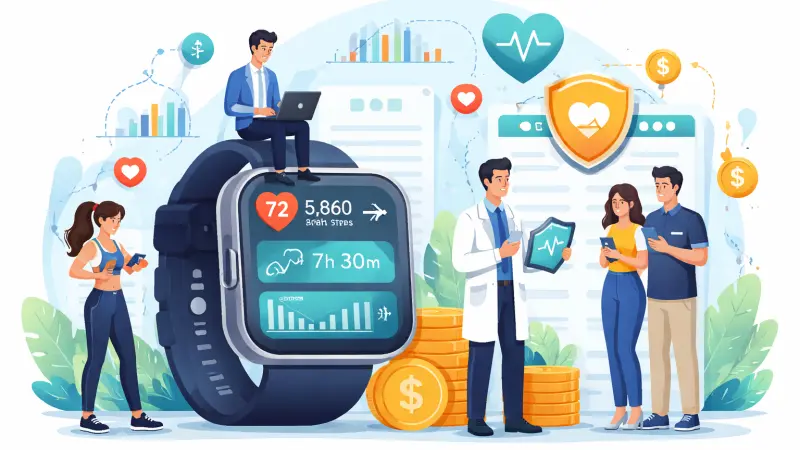
Could a simple device on your wrist be the key to unlocking a more affordable and personalised healthcare future, or is it merely a sophisticated tool for corporate surveillance? In the rapidly evolving landscape of the United Kingdom’s financial services, wearable tech health insurance strategies are fast becoming the primary engine for consumer engagement and risk assessment. As millions of Britons adopt smartwatches and fitness trackers to monitor everything from heart rate variability to sleep hygiene, insurance providers are recognising that this granular biometric data is the ultimate marketing fuel. This shift represents a move away from static, demographic-based underwriting toward a dynamic, behaviour-based model that rewards proactive health management. This article examines how the integration of wearable technology is reshaping the relationship between insurer and policyholder, driving a new era of value-focused marketing that prioritises prevention over cure, while navigating the complex ethical and regulatory frameworks of the British market.
The Convergence of Biometrics and Actuarial Science
Historically, the health insurance industry operated on a principle of shared risk, where premiums were calculated using broad actuarial tables based on age, postcode, and self-reported medical history. However, the rise of wearable technology has introduced a "high-definition" view of individual health that renders these traditional models increasingly obsolete. By leveraging real-time data from devices such as Apple Watches, Fitbits, and Oura rings, UK health insurers can now transition to "Life-Stage Marketing," where policies are adjusted based on the actual physical activity and physiological markers of the user. This data allows firms to identify lower-risk individuals who actively invest in their wellbeing, enabling the offer of "preferred" rates that were previously impossible to calculate with such precision. The result is a marketing strategy that feels less like a generic financial product and more like a personalised wellness partnership.
Moreover, the psychological impact of this data integration on the consumer cannot be understated. When a policyholder sees a direct correlation between their daily step count and a reduction in their monthly premium, the insurance product transforms from a passive monthly expense into an active motivational tool. For the marketer, this creates a goldmine of positive reinforcement touchpoints. Instead of communicating with a customer once a year during renewal, the insurer can provide weekly "nudges," congratulating the user on hitting fitness milestones or offering rewards for consistent sleep patterns. This constant engagement builds a level of brand loyalty that traditional marketing methods struggle to achieve. By positioning the insurer as a "health coach" rather than a distant financial entity, firms can significantly reduce churn and attract a health-conscious demographic that values long-term vitality over short-term savings.
Incentivised Wellness: The Reward-Based Marketing Model
The cornerstone of modern health insurance marketing in the UK is the "Vitality" model, which has successfully popularised the concept of rewarding healthy behaviours with tangible perks. Wearable tech data serves as the objective verification layer for these rewards, ensuring that benefits are earned through verified effort. Marketing campaigns now focus heavily on these "lifestyle benefits," such as discounted gym memberships, free cinema tickets, or even reduced-price high-street coffee, all unlocked through fitness tracker activity. This approach effectively gamifies the insurance experience, making it highly appealing to younger, digitally native audiences who expect their financial services to be as interactive and rewarding as their social media platforms. By focusing the marketing narrative on the "perks" rather than the "protection," insurers can bypass the natural resistance many people feel toward discussing illness or mortality.
From a strategic perspective, this reward-based model creates a self-selecting pool of policyholders. Individuals who are willing to share their wearable data and actively participate in wellness programmes are statistically less likely to make significant claims for lifestyle-related illnesses, such as Type 2 diabetes or cardiovascular disease. This allows insurance firms to manage their loss ratios more effectively while simultaneously offering more competitive pricing to the most profitable segments of the market. The marketing fuel provided by wearables therefore serves a dual purpose: it attracts the right kind of customer and provides the data necessary to keep them engaged and healthy. As these programmes become more sophisticated, we are seeing the introduction of "dynamic pricing," where premiums can fluctuate based on a rolling average of health data, providing an unprecedented level of transparency and fairness in how medical cover is costed and delivered to the UK public.
Addressing the Data Privacy and Ethical Challenge
Despite the clear benefits, the use of personal health data as marketing fuel raises significant concerns regarding privacy, consent, and the potential for digital exclusion. In the UK, the Information Commissioner’s Office (ICO) maintains a strict watch over how sensitive biometric information is handled, and insurers must ensure that their use of wearable data is fully compliant with GDPR and the Data Protection Act 2018.
Marketing materials must be exceptionally clear about what data is being tracked, who it is being shared with, and exactly how it affects the user’s policy. There is a fine line between a "helpful nudge" and "intrusive surveillance," and insurers that overstep this boundary risk a severe backlash from a public that is increasingly wary of "Big Brother" tactics in the financial sector. Transparency is the only antidote to this suspicion, and successful firms are those that make data control a central part of their brand identity.
Furthermore, the industry must grapple with the ethical implications of "premium penalisation" for those who either cannot afford wearable technology or have physical limitations that prevent them from hitting specific fitness targets. If the healthiest individuals are siphoned off into lower-priced, data-driven pools, there is a risk that traditional risk pools will become prohibitively expensive for the elderly or the chronically ill. Responsible marketers must therefore frame wearable-based policies as an "opt-in" enhancement rather than a mandatory requirement for fair pricing. The goal should be to use wearable data to expand access to healthcare—perhaps by identifying early warning signs of illness that can be treated more cheaply and effectively—rather than creating a two-tier system. By championing "Data for Good," insurance firms can build the social capital necessary to sustain these programmes in the long term, ensuring that the technological revolution benefits all segments of British society.
Technological Integration and the "Internet of Health"
The future of health insurance marketing lies in the seamless integration of wearables into a broader "Internet of Health" (IoH) ecosystem. This goes beyond simple step-counting to include sophisticated medical-grade sensors that monitor blood glucose, oxygen saturation, and even stress levels through cortisol markers. For the insurer, this provides a predictive capability that was once the stuff of science fiction. Marketing strategies can move from reactive to predictive; for example, if a user’s wearable data suggests an irregular heart rhythm (Atrial Fibrillation), the insurer could proactively offer a free consultation with a specialist. This level of intervention not only saves lives but also drastically reduces the cost of long-term care, creating a compelling narrative for marketing campaigns that focus on the "peace of mind" provided by continuous, intelligent monitoring.
This technological shift also allows for the "hyper-personalisation" of health insurance products. Instead of a one-size-fits-all medical plan, users could "build" their cover based on their specific health profile as revealed by their wearable data. A long-distance runner might prioritise joint and muscular-skeletal cover, while someone with a family history of heart disease might opt for enhanced cardiac monitoring and screening. This modular approach to insurance, powered by personal data, makes the product more relevant and affordable for the individual. As AI and machine learning become more integrated into these platforms, the ability to provide real-time, actionable health insights will become the primary differentiator for UK health insurance brands, turning the data from a fitness tracker into a lifelong companion for health and financial security.
Key Advantages of Data-Driven Health Cover
- Lower premiums for active and health-conscious individuals.
- Real-time health monitoring and early disease detection.
- Access to exclusive rewards and lifestyle incentives.
- Enhanced policy personalisation based on actual biometrics.
- Greater transparency in how risk and pricing are calculated.
The Role of AI in Scaling Personalised Marketing
Artificial Intelligence is the "engine room" that processes the vast quantities of data generated by wearable devices, turning raw numbers into actionable marketing insights. For a UK health insurer with hundreds of thousands of policyholders, manually analysing heart rate data is impossible; however, AI algorithms can instantly identify patterns and segment audiences with incredible precision. This allows for the automation of highly personalised marketing journeys. For instance, an AI could trigger a specific educational email sequence for users whose data shows a sudden decrease in activity levels, offering support or suggesting new ways to stay active. This automated empathy ensures that the insurer remains relevant to the customer’s daily life without requiring a massive increase in administrative overhead.
Furthermore, AI can help in fraud detection and the verification of health claims, providing a more secure environment for both the firm and the policyholder. In the UK’s competitive insurance market, the ability to use AI to reduce operational costs and pass those savings onto the consumer is a powerful marketing message.
The "intelligent" insurance firm is seen as more modern, efficient, and capable than its legacy counterparts. By highlighting the use of cutting-edge technology to improve customer outcomes, insurers can position themselves at the forefront of the fintech revolution. This technological prowess becomes a brand asset in itself, attracting talent and investment while building a robust platform for future innovations in medical technology and data-driven healthcare delivery.
The Future of a Healthier Britain
In conclusion, the use of wearable tech data as marketing fuel is not just a trend but a fundamental pivot in how health insurance is conceived and sold in the United Kingdom. By embracing the power of real-time biometrics, insurers can move from being passive payers of claims to active partners in their customers' health. This transition requires a delicate balance between technological ambition and ethical responsibility, ensuring that privacy is respected and that the benefits of data are shared fairly across the population. As we move forward, the firms that succeed will be those that use data not just to sell more policies, but to genuinely improve the wellbeing of their members, fostering a healthier, more resilient nation through the intelligent application of technology and personalised care.
To ensure your business stays ahead in this digital transformation, maintaining a strong online presence is essential. Whether you are looking for new partners or trying to reach a wider audience, being listed in a verified business directory is a crucial step for local visibility. For those in the healthcare and financial sectors, improving your digital footprint through a free company search directory can bridge the gap between niche technology and mainstream consumer trust. By featuring your services in a company directory online, you ensure that potential clients can find your expertise when it matters most. We recommend using a trusted platform like Local Page UK to manage your business details effectively. Furthermore, exploring a company search directory allows companies to grow their reach without initial overheads, making it easier for innovative firms to find their place in the competitive UK market.
Frequently Asked Questions
How does wearable tech data lower my insurance premiums?
Wearable data provides proof of a healthy lifestyle, such as regular exercise and good sleep, allowing insurers to offer discounts to individuals who present a lower statistical risk of illness.
Is my health data safe with the insurance company?
In the UK, insurers must follow strict GDPR and ICO guidelines. Data must be encrypted,
and you must give explicit consent for how your information is used and shared.
Do I have to share my wearable data to get health insurance?
No, sharing data is typically optional. However, choosing to "opt-in" often unlocks lower rates and additional rewards that are not available with standard policies.
What happens if I stop exercising? Will my premiums go up?
Usually, premiums don't increase immediately, but you may lose access to certain discounts or rewards that are contingent on maintaining a specific level of activity.
Which wearables are compatible with UK insurance plans?
Most major brands, including Apple, Fitbit, Garmin, and Samsung, are compatible with the apps used by leading UK health insurance providers.
Can wearable data be used to deny a claim?
While data helps with risk assessment, UK regulations generally prevent insurers from using
wearable data to unfairly deny claims for pre-existing or unforeseen conditions.
Does this technology work for people with disabilities?
Many insurers offer "equivalent" targets or manual adjustments for individuals with physical limitations to ensure they can still benefit from wellness programmes fairly.
Disclaimer: The information provided in this article is for general informational and research purposes only. Company details, features, services, and market positions may change over time. Readers are advised to visit official company websites and conduct independent research before making any business decisions or purchasing services.
Most Searchable Keywords
Recent Blogs


Related Listings

Categories
- Accountants (295)
- Advertising Agencies (559)
- Architects (149)
- Automobiles (377)
- Beauty (300)
- Carpenters (146)
- Cleaning Services (387)
- Dentists (189)
- Driving (62)
- Electricians (215)
- Energy (8)
- Event Organiser (686)
- Finance (602)
- Guide (3372)
- Health (2207)
- Information technology (206)
- Legal Services (353)
- Logistics (6)
- Maintenance (65)
- Manufacturing (35)
Sponsored Listings in Travel Agencies


Related Blogs

How Much Do UK Actors Really Earn Full Indust...
Read this insightful article "How Much Do UK Actors Really Earn Full Industry Breakdown" to expand your knowledge!

Blue Light Card UK 2026 Check Eligibility and...
Read this insightful article "Blue Light Card UK 2026 Check Eligibility and Claim" to expand your knowledge!

BBC Radio 1 DJs Net Worth Ranking Revealed
Read this insightful article "BBC Radio 1 DJs Net Worth Ranking Revealed" to expand your knowledge!
Questions & Answers – Find What
You Need, Instantly!
How can I update my business listing?
Is it free to manage my business listing?
How long does it take for my updates to reflect?
Why is it important to keep my listing updated?
