
Website Development for Museum Curators in Birmingham
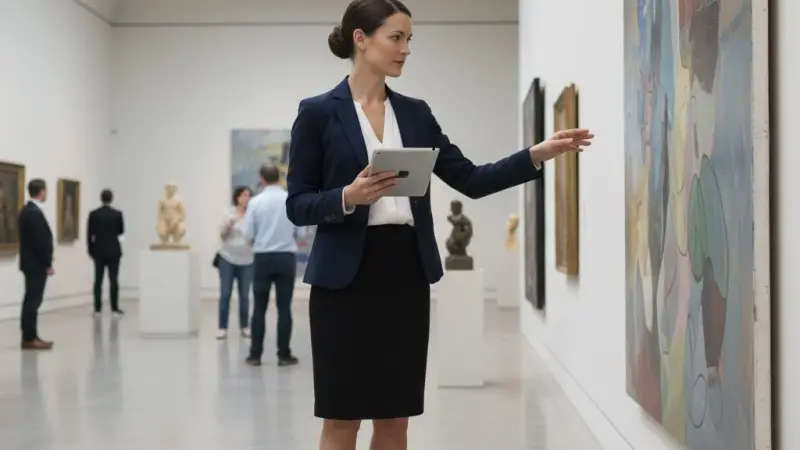
The Evolving Landscape for Museum Curators in Birmingham
The cultural sector in Birmingham is currently undergoing a significant digital transformation. For a Museum Curator in Birmingham, the challenge is no longer just about physical footfall within the gallery walls; it is about establishing a digital presence that mirrors the prestige and educational value of the institution. In a city with a rich industrial heritage and a burgeoning contemporary arts scene, the competition for public attention and private funding is intense.

Traditional discovery trends are shifting. While academic reputation and physical location remain vital, the initial point of contact for researchers, educational bodies, and casual tourists is almost exclusively digital. Modern audiences expect to interact with a curator’s vision before they step through the doors. Relying solely on word-of-mouth or legacy institutional standing is no longer sufficient to secure high-value tenders or international collaborations.
Why Website Development Service is Essential for a Museum Curator in Birmingham
A Museum Curator in Birmingham must recognise that potential patrons and partners use search engines to validate professional credibility. When stakeholders search for specific expertise—such as historical conservation, heritage management, or contemporary curation—the absence of a sophisticated digital platform creates a visibility gap. This gap is often filled by better-optimised, though perhaps less qualified, competitors.
Website Development Service provides the bridge between physical expertise and digital discovery. Most practitioners face a mismatch between the quality of their physical exhibitions and their online representation. A professionally developed site ensures that when a user searches for specialized services in the West Midlands, the curator's unique insights and past projects are presented with the necessary authority to convert a casual searcher into a formal enquiry.
Advantages of Professional Digital Platforms for Curatorial Success
The primary advantage of bespoke Website Development Service is the shift from lead quantity to lead quality. Rather than attracting general queries, an optimised site targets specific local intent, capturing the attention of those looking for a Museum Curator in Birmingham for specific consultancy or educational projects.
Furthermore, a digital platform serves as a 24/7 trust signal. It allows for the building of authority through published research, high-resolution galleries of past exhibitions, and testimonials from cultural partners. For curators, where visual impact and academic reputation are paramount, a high-performance website facilitates appointment-driven conversions by allowing potential clients to book consultations or request project briefs directly through a secure, professional interface.
Visibility and Growth Mechanics for the Cultural Sector
Online visibility for a local Museum Curator works on a dual-track system: informational and transactional. Informational intent covers those searching for history or educational resources, while transactional intent involves institutions or private collectors looking to hire a curator’s services. Mapping these search intents is critical to the customer journey.
The journey begins at discovery, often via a specific niche query. From there, the website must cultivate trust through seamless navigation and expert content. In Birmingham's competitive landscape, a curator with a fast, mobile-optimised, and content-rich site will consistently capture a higher share of visibility compared to those relying on static, outdated pages. This digital brand recall is what leads to long-term business scalability and a consistent pipeline of fee proposals.
Service Execution Framework and Strategic Insights
When engaging a Website Development Service, a Museum Curator should expect a framework that prioritises both aesthetics and technical performance.
Key components include responsive design, high-capacity hosting for media-heavy archives, and a robust content management system that allows for easy updates to exhibition schedules.
A common mistake made by many in the sector is pursuing a "brochure-style" site that lacks search optimisation. Without expert guidance, these sites remain invisible to those who do not already know the curator's name. Sustainable results are achieved when the site is built on a foundation of clean code and strategic internal linking, ensuring that the platform remains an asset that grows in value over time, rather than a one-off expense.
Cost vs ROI Perspective for Curatorial Practices
Investment in digital infrastructure should be viewed as a growth asset rather than a simple business expense. For a Museum Curator in Birmingham, the ROI is measured through the volume of qualified enquiries, the securing of larger exhibition budgets, and the acquisition of prestigious consultancy roles.
Typical outcome timelines for a new platform generally show an increase in organic visibility within three to six months. Indicators that should be tracked include the average time spent on project portfolio pages, the number of direct project brief downloads, and the conversion rate of contact form submissions. When aligned with institutional goals, the ROI of a professional website far outweighs the initial capital outlay.
Choosing the Right Strategy for Long-Term Growth
Before investing in a Website Development Service, a curator must evaluate their specific institutional or personal brand goals. It is essential to align the digital strategy with the types of projects the curator wishes to attract. Red flags to avoid include agencies that offer "quick fixes" or generic templates that cannot handle the complex metadata requirements of a professional archive.
The strategy should be advisory-led, focusing on how the digital platform will facilitate better communication with stakeholders. Whether the goal is to increase museum membership, drive private event bookings, or establish thought leadership in a specific historical period, the technical execution must be secondary to the strategic vision.
Supporting Local Business Visibility Beyond Core Marketing Efforts
While a primary website is the cornerstone of a digital presence, supporting layers of visibility are crucial for reinforcing trust. Utilizing a uk business directory can significantly enhance local presence consistency. These platforms act as a secondary discovery aid, helping a Museum Curator in Birmingham reach audiences who utilize aggregated lists for their research.
A presence on a uk online business directory serves as a credibility signal, providing third-party validation of the curator's location and services. Maintaining uk verified business listings ensures that institutional data remains accurate across the web. For those seeking to find local businesses uk, being part of a local page uk business directory or a uk local business directory provides an additional touchpoint for discovery.
Furthermore, appearing in a uk business directory website or business directory uk online helps in building a network of local businesses list uk. Practitioners may explore a business listing uk or a business listing uk to test visibility. In competitive cities, appearing among uk top rated local businesses or within uk business listings online can differentiate a practice.
For specific regional visibility, a free business listing Birmingham uk can be highly effective. Ultimately, being part of a uk service providers directory or maintaining general local business listings uk ensures the curator is visible wherever potential partners might look.
Questions Clients Commonly Ask
How long does it take to see an increase in enquiries after launching a new site?
Visible improvements in engagement usually begin within 12 to 16 weeks as search engines index the new content and structure. However, the quality of enquiries often improves immediately due to the professional presentation of the curator's portfolio.
Can a website help in securing international museum partnerships?
Yes. International institutions rely heavily on digital portfolios to assess a curator's previous work, academic rigor, and stylistic approach before initiating contact for collaborative projects.
What features are most important for a curator's website?
A high-performance image gallery, a dedicated section for published research, a mobile-responsive exhibition calendar, and a secure contact portal for project briefs are the most critical elements.
Is it necessary to update the website content frequently?
Regular updates are highly beneficial. Adding new exhibition reviews, acquisitions, or blog posts about curatorial trends signals to both users and search engines that the practice is active and authoritative.
How does local SEO differ for curators compared to other businesses?
For curators, local SEO focuses heavily on high-authority cultural keywords and location-based heritage terms, ensuring visibility when institutions or researchers search for expertise within the Birmingham area.
Will a professional website help with private collection consultancy?
Absolutely. A sophisticated website acts as a digital CV that demonstrates discretion, expertise, and
a high level of professionalism, which are essential for attracting private collectors.
Do I need a separate site for every exhibition I curate?
Generally, no. It is more effective to have a single, high-authority domain that hosts a comprehensive archive of all past and current exhibitions, as this builds stronger long-term SEO value.
How do you handle high-resolution images without slowing down the site?
We use advanced image compression and "lazy loading" techniques that allow for crisp, professional visuals while maintaining the fast loading speeds required for a good user experience and SEO.
Can I integrate my social media feeds into the website?
Yes, integrating platforms like Instagram or LinkedIn can provide a "live" look into your daily curatorial activities, though the core website content should remain the primary focus for lead generation.
What is the typical ROI for a curatorial website?
While it varies, many curators find that securing just one major exhibition contract or consultancy role can cover the entire cost of the website development, resulting in a high ROI.
Is my website data secure against cyber threats?
Professional development includes the implementation of SSL certificates, secure hosting environments, and regular security updates to protect both institutional data and visitor information.
How do you manage the transition from an old, outdated website?
We perform a comprehensive "301 redirect" strategy to ensure that any existing search rankings or links to your old site are seamlessly transferred to the new platform without loss of traffic.
Can the website handle ticket bookings for small gallery events?
Yes, we can integrate secure booking and payment systems that allow visitors to reserve spots for talks, workshops, or private views directly through your site.
Will the website be easy for me to update myself?
We build sites using intuitive Content Management Systems (CMS) and provide full training, ensuring
you can update exhibition details or add news posts without needing technical help.
Why is Birmingham-specific optimisation important?
Birmingham has a unique cultural identity and specific local search patterns. Optimising for the local market ensures you capture the attention of the city's key cultural stakeholders and residents.

Disclaimer: The information provided in this article is for general informational and research purposes only. Company details, features, services, and market positions may change over time. Readers are advised to visit official company websites and conduct independent research before making any business decisions or purchasing services.
Most Searchable Keywords

Recent Blogs



Related Listings


Categories
- Accountants (295)
- Advertising Agencies (559)
- Architects (149)
- Automobiles (377)
- Beauty (300)
- Carpenters (146)
- Cleaning Services (386)
- Dentists (189)
- Driving (62)
- Electricians (215)
- Energy (8)
- Event Organiser (685)
- Finance (599)
- Guide (3365)
- Health (2207)
- Information technology (206)
- Legal Services (353)
- Logistics (6)
- Maintenance (65)
- Manufacturing (35)

Sponsored Listings in Locksmith Services


Related Blogs

Gen Z Political Reporters and News Creators i...
Read this insightful article "Gen Z Political Reporters and News Creators in the UK" to expand your knowledge!

Famous Female Social Media Influencers Across...
Read this insightful article "Famous Female Social Media Influencers Across the UK" to expand your knowledge!

Your UK Sponsor Licence 2026 Step by Step Gui...
Read this insightful article "Your UK Sponsor Licence 2026 Step by Step Guide" to expand your knowledge!
Questions & Answers – Find What
You Need, Instantly!
How can I update my business listing?
Is it free to manage my business listing?
How long does it take for my updates to reflect?
Why is it important to keep my listing updated?
