
What Information Does UK HMRC Use for Lifestyle Check Assessments?

Understanding how the UK tax authority operates is essential for every business owner and individual taxpayer. In recent years, HM Revenue & Customs (HMRC) has moved away from simple manual audits to a highly sophisticated, data-driven approach known as lifestyle check assessments. This process involves comparing the income you declare on your tax returns against your actual standard of living. If you claim to earn £20,000 a year but drive a supercar and live in a multi-million-pound mansion, the "digital detective" will likely come knocking.

For small business owners, maintaining a clear and verifiable digital presence is one of the best ways to stay "above board." Being listed on a reputable uk online business directory helps establish your business as a legitimate entity with a history of transparent operations. In this guide, we will dive deep into the specific data sources HMRC uses and how you can ensure your financial story always adds up.
What is an HMRC Lifestyle Check Assessment?
A lifestyle check is essentially a "gap analysis." HMRC uses its powerful Connect AI system to look for discrepancies between your reported wealth and your observable assets. The goal is to identify undeclared income, tax evasion, or simple errors in reporting. Statistics show that local search and digital footprints are more important than ever, with over 80% of consumers using a uk business directory to find local services. HMRC uses similar digital logic to verify if a business's public success matches its tax filings.
The Role of the Connect AI System
The backbone of these assessments is the "Connect" system. Launched in 2010 and constantly updated, this software cross-references over 22 billion lines of data. It doesn’t just look at your tax return; it connects you to your family, your business partners, and your assets. It assigns every taxpayer a risk score. A high score—triggered by inconsistencies—is what usually leads to a full-blown investigation. To keep your risk score low, ensure your business is accurately represented on a uk local business directory like Local Page, where your contact details and services are clearly defined.
Financial Records and Banking Data
HMRC has direct access to data from UK banks and building societies. This includes interest earned, large deposits, and regular spending patterns. Under the Common Reporting Standard (CRS), they also receive data from over 60 countries regarding offshore accounts. If you are a freelancer or contractor, having your details on a platform to find local businesses uk provides a public record of your trade that should align with the frequency of payments entering your accounts.
Property and Land Registry Information
The Land Registry is a goldmine for lifestyle assessments. HMRC tracks property purchases, stamp duty payments, and rental income. They often use council tax data to identify "second homes" that might be generating undeclared rental yield. If you are a property professional, being part of a local businesses list uk ensures your professional identity is established, making it easier to explain high-value transactions as part of your legitimate trade.
Social Media and Online Footprints
Perhaps the most modern tool in HMRC's arsenal is social media monitoring. AI algorithms now scan platforms like Instagram, Facebook, and TikTok for "lavish lifestyle" indicators. Photos of luxury holidays, designer watches, or new car purchases are compared against your declared income. While this is primarily used in criminal investigations, the "deterrent effect" is real. Interestingly, having a professional presence on a uk small business directory can actually help you, as it justifies your business activity and explains how you generate the funds for your lifestyle.
Online Marketplaces and the Gig Economy
If you sell on eBay, Etsy, Amazon, or Vinted, HMRC knows. Since 2024, these platforms are required to share data on high-volume sellers. For those operating a B2B model, a uk b2b business directory listing is essential for credibility. Similarly, for those selling to consumers, a uk b2c business directory presence provides the "real-world" context that HMRC’s AI looks for when validating business turnover.
Vehicle and DVLA Records
The cars you own or lease are a major indicator of wealth. HMRC receives automated updates from the DVLA. If your garage is full of high-end vehicles but your tax return shows a loss, you become a "high-risk" entity.
For service providers, being listed on a business directory uk online as a mobile technician or delivery service explains why you might have multiple vehicles registered to your name or business.
Third-Party Reports and Tip-Offs
Never underestimate the power of an anonymous tip-off. Disgruntled ex-employees, former partners, or even jealous neighbors can report "unexplained wealth" to HMRC. When a tip-off occurs, HMRC uses a uk service providers directory to verify the nature of your business and check if your public claims about "hundreds of happy clients" match your reported VAT returns.
Importance of Using Business Listings Sites for Transparency
Using business listings sites is not just about SEO; it’s about establishing a paper trail of legitimacy. When you use business listings sites, you provide a timestamped history of your business's existence and growth. High-quality business listings sites like Local Page allow you to upload photos and descriptions that provide context to your financial success.
Furthermore, business listings sites are a primary source for "trust signals." If HMRC sees a consistent presence on various business listings sites, it supports the narrative that you are a hard-working entrepreneur. On the flip side, a total lack of presence on business listings sites for a supposedly successful business can be a red flag for "ghost" operations or money laundering.
How to Prepare for an HMRC Review
The best defense is a good offense. This means keeping meticulous records and ensuring your public profile—including your uk business listings online—is accurate. Approximately 75% of local businesses fail to update their online details, which can lead to confusion during a compliance check. By using the local page uk business directory, you can manage your reputation and your data in one place.
The Benefits of a Verified Business Presence
When you claim a uk business directory website profile, you are telling the world (and the authorities) that you are open for business. Verification is key. Most business listings sites offer a way to prove your identity. This public transparency is a powerful tool. It’s also worth noting that being on a business listing uk platform like Local Page helps you save on marketing costs while building essential SEO backlinks.
Leveraging Local Page for Business Growth
For those looking to grow without the fear of an audit, a business listing uk is the perfect starting point. Local Page offers a business listing uk that targets your specific geographic area. Whether you need a business listing uk for a new startup or a business listing uk to expand an existing brand, Local Page provides the tools you need.
FAQs on HMRC Lifestyle Checks
How does HMRC define a "lifestyle mismatch" during an assessment? A lifestyle mismatch occurs when the "outward signs of wealth"—such as the house you live in, the cars you drive, and your holiday habits—exceed what could reasonably be afforded by your declared income. HMRC uses the Connect system to aggregate data from the Land Registry, DVLA, and travel records to build a spending profile. If this profile suggests a net worth or annual expenditure significantly higher than your self-assessment filings, it triggers a deeper enquiry into your financial records.
Can HMRC really use my Instagram and Facebook photos against me? Yes, HMRC’s digital detective tools now include the ability to scan public social media profiles. While they typically only use these powers for "criminal" level investigations, the AI can flag public posts that show high-value assets or luxury experiences that don't match a low-income tax return. If you are a business owner, it is often better to have a professional presence on a uk online business directory that explains your success, rather than letting social media be the only source of "lifestyle" information available to the authorities.
What is the "Connect" system, and how does it affect small business owners? Connect is HMRC’s primary data-matching software that links billions of pieces of information from banks, government departments, and third parties. For a small business owner, this means HMRC likely already knows about your secondary income streams, such as rental income or online sales on eBay and Vinted.
The system is designed to catch undeclared profits. Maintaining an accurate profile on a uk business directory helps you maintain a consistent story between your public business persona and your private tax filings.
Are lifestyle checks only for high-net-worth individuals or "the rich"? Contrary to popular belief, lifestyle checks are increasingly being used for small businesses and self-employed individuals. This is because small businesses account for a significant portion of the "tax gap." HMRC uses sector benchmarking to see if your business is underperforming compared to others in your area. If you are listed on a uk local business directory but report much lower profits than similar local competitors, HMRC may wonder where the "missing" cash is going.
How can a business listing help me if I am ever investigated by HMRC? A business listing acts as a "contemporaneous record." It proves that you were actively trading, marketing your services, and engaging with the public at a specific time. If HMRC questions the source of a large deposit, your profile on a local businesses list uk can show that you were running a legitimate promotion or providing a specific service that accounts for that income. It adds a layer of "commercial reality" to your financial accounts.
Do banks automatically tell HMRC about my lifestyle and spending? Banks are legally required to provide information on interest earned, but they also respond to Financial Institution Notices (FINs). These allow HMRC to see transaction histories if they have a "reasonable" suspicion of tax evasion. They don't see your daily coffee purchases as a matter of course, but they can see large transfers, luxury car payments, and mortgage repayments. Ensuring your trade is documented on a uk small business directory helps justify the legitimate business transactions that appear on your bank statements.
What are the most common triggers for an HMRC "nudge letter"? The most common triggers include discrepancies between your tax return and data from third parties like the Land Registry (undeclared property sales), the DVLA (unexplained luxury cars), or online marketplaces (undeclared side hustles). Another trigger is "unexplained wealth" reported by whistleblowers. If someone reports you, HMRC will check your digital footprint, including your presence on uk b2b business directory sites, to see if your business activity appears to be understated.
Is it true that HMRC tracks my holidays and travel to assess my wealth? HMRC has access to flight manifest data and travel records. Frequent business class travel or multiple luxury holidays per year for someone claiming the personal allowance is a major red flag. While travel for work is an "allowable expense," it must be documented. If you are a consultant or service provider, having your details in a uk b2c business directory can help explain why you travel frequently to meet various clients across the country or abroad.
How long should I keep records to protect myself from a lifestyle audit? For self-employed individuals and landlords, you must keep your records for at least five years after the 31 January submission deadline. For limited companies, the requirement is generally six years. These records should include invoices, bank statements, and receipts. Your history on business listings sites like Local Page also provides a secondary timeline of your business growth, which can be useful if you need to reconstruct old records or prove when a specific service was launched.
What is the best way to ensure my business looks legitimate to HMRC’s AI? Consistency and transparency are key. Ensure your business name, address, and phone number (NAP) are the same across all platforms, including Companies House and your business directory uk online profile.
Use high-quality photos and detailed service descriptions. When HMRC’s AI crawls the web and finds a verified, active, and well-reviewed business on a uk service providers directory, it assigns a lower risk score than a business that has no online presence but high reported turnover.
HMRC uses your social media to look for "unexplained wealth." If you post about a £10,000 watch but declare £5,000 in annual profit, they will investigate. To protect yourself, ensure your professional life is well-documented on uk service listings. This provides a balance to your personal posts and shows that you are a legitimate service provider with a steady stream of work.
HMRC typically targets high-risk sectors or individuals with significant discrepancies, but they also perform random "aspect enquiries." By maintaining uk verified business listings, you reduce the likelihood of being flagged as a "risky" business. Being among the uk top rated local businesses on Local Page further cements your reputation as a compliant and successful business owner.
Why Local Page is the Best Choice for UK Businesses?
When it comes to business listings sites, Local Page stands out as a premium yet accessible option. It is more than just a list of names; it is a community of verified professionals. In an era where HMRC is looking closer than ever at digital footprints, being part of a trusted network is invaluable. Local Page offers:
Enhanced Visibility: Reach customers who are actively looking for your services.
SEO Boost: Gain powerful backlinks that improve your ranking on Google.
Verification: Prove to both customers and authorities that you are a legitimate UK business.
Zero Cost: Start with a free listing and scale as your business grows.
Staying Compliant and Visible
The UK tax landscape is changing, and HMRC's lifestyle check assessments are here to stay. By understanding the information they use—from your bank accounts to your social media—you can ensure your financial affairs are always in order. But compliance is only half the battle; the other half is growth.
By utilizing business listings sites like Local Page, you achieve two goals at once. You build a transparent digital footprint that satisfies the "digital detective," and you put
your business in front of thousands of potential customers. Don't leave your business's reputation to chance. Take control of your digital presence today.
Take the first step toward a more visible and credible business. Visit Local Page today to claim your free listing and join the UK's most reliable business community!

Disclaimer: The information provided in this article is for general informational and research purposes only. Company details, features, services, and market positions may change over time. Readers are advised to visit official company websites and conduct independent research before making any business decisions or purchasing services.
Most Searchable Keywords
Recent Blogs


Related Listings
Categories
- Accountants (295)
- Advertising Agencies (559)
- Architects (149)
- Automobiles (377)
- Beauty (300)
- Carpenters (146)
- Cleaning Services (386)
- Dentists (189)
- Driving (62)
- Electricians (215)
- Energy (8)
- Event Organiser (685)
- Finance (599)
- Guide (3365)
- Health (2207)
- Information technology (206)
- Legal Services (353)
- Logistics (6)
- Maintenance (65)
- Manufacturing (35)
Sponsored Listings in Locksmith Services


Related Blogs

Gen Z Political Reporters and News Creators i...
Read this insightful article "Gen Z Political Reporters and News Creators in the UK" to expand your knowledge!

Famous Female Social Media Influencers Across...
Read this insightful article "Famous Female Social Media Influencers Across the UK" to expand your knowledge!
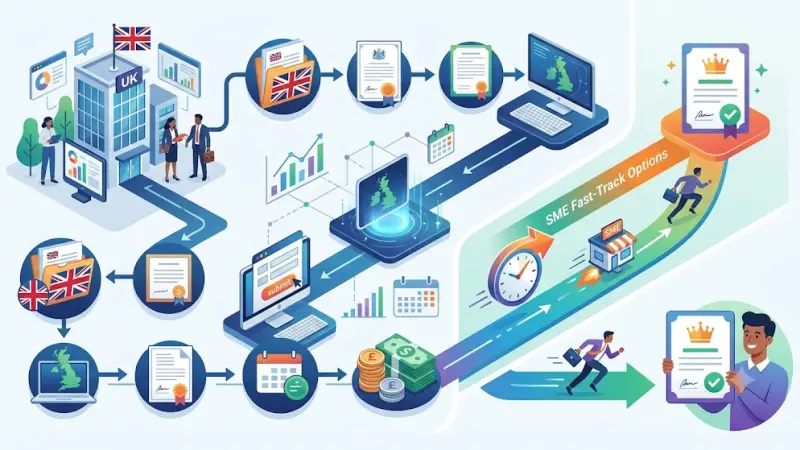
Your UK Sponsor Licence 2026 Step by Step Gui...
Read this insightful article "Your UK Sponsor Licence 2026 Step by Step Guide" to expand your knowledge!
Questions & Answers – Find What
You Need, Instantly!
How can I update my business listing?
Is it free to manage my business listing?
How long does it take for my updates to reflect?
Why is it important to keep my listing updated?
