
What Is Copyright Protection Explained Simply
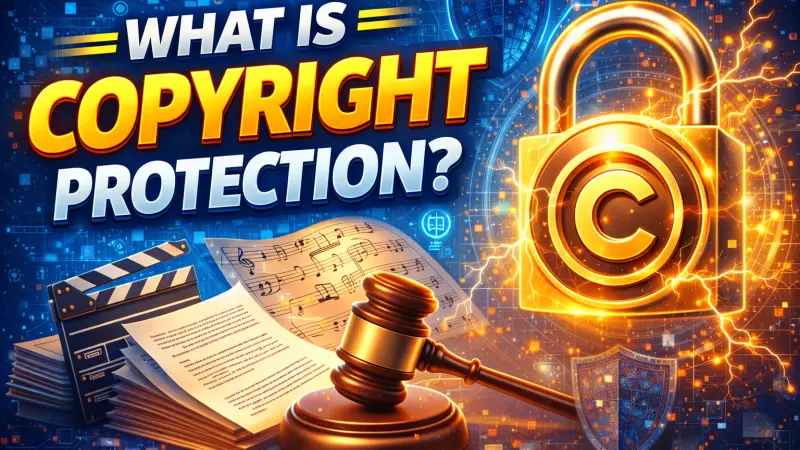
Copyright protection is a fundamental part of intellectual property law that helps creators safeguard their original work from being copied or used without permission. Whether you are an author, designer, photographer, musician, or business owner, understanding copyright is essential to protecting your creative efforts.

In today’s digital world where content can be shared instantly, copyright protection plays an even more important role. It ensures creators receive recognition and control over how their work is used while encouraging innovation and creativity.
This guide explains what copyright protection is, how it works, what it covers, and why it matters.
What Is Copyright Protection
Copyright protection is a legal right that automatically protects original works of authorship once they are created and fixed in a tangible form. This means you do not usually need to register your work for copyright to exist, although registration may provide additional legal benefits in some jurisdictions.
Copyright gives the creator exclusive rights to use, distribute, reproduce, and display their work. Others must seek permission before using the protected material unless an exception applies.
What Does Copyright Protect
Copyright applies to a wide range of creative works. This includes written content such as books, articles, and blogs, artistic works such as paintings and illustrations, music, films, photographs, software, and website content.
It protects the expression of ideas rather than the ideas themselves. For example, a specific written article is protected, but the general topic is not.
What Copyright Does Not Protect
Copyright does not protect ideas, facts, procedures, systems, or methods of operation. It also does not protect titles, names, short phrases, or common information.
Other forms of intellectual property such as trademarks and patents may be needed to protect these elements.
How Copyright Protection Works
Once a work is created and recorded in some form, copyright protection begins automatically. The creator or copyright owner has exclusive rights to decide how the work is used.
These rights typically include the right to reproduce the work, distribute copies, create adaptations, perform or display the work publicly, and license others to use it.
Duration of Copyright
Copyright protection lasts for a specific period, which varies by country. In many places, including the UK, copyright generally lasts for the life of the creator plus 70 years.
After this period, the work enters the public domain and can be used freely by anyone.
Why Copyright Protection Is Important
Copyright protection encourages creativity by ensuring creators can benefit from their work. It helps prevent unauthorised use and protects the economic value of creative content.
For businesses, copyright protects brand materials, marketing content, and digital assets, helping maintain competitive advantage.
Copyright in the Digital Age
The internet has made it easier to share and copy content, increasing the importance of copyright awareness. Businesses and creators must understand how to protect their work online and respect the rights of others.
Using watermarks, clear copyright notices, and proper licensing can help protect digital content.
How to Use Copyrighted Material Legally
To use copyrighted material legally, you typically need permission from the copyright owner. This may involve purchasing a licence or obtaining written consent.
In some cases, exceptions such as fair dealing or fair use may allow limited use without permission, depending on local laws.
Copyright Ownership
Usually, the creator of a work owns the copyright. However, if a work is created as part of employment, the employer may own the rights unless otherwise agreed.
Ownership can also be transferred or licensed to others through agreements.
How to Protect Your Work
Although copyright is automatic, there are steps you can take to strengthen protection. These include keeping records of creation, adding copyright notices, registering where applicable, and using contracts or licences.
Monitoring how your work is used can help identify potential infringement.
Copyright Infringement
Copyright infringement occurs when someone uses protected work without permission in a way that violates the owner’s rights. This may include copying, distributing, or displaying the work without authorisation.
Infringement can lead to legal action, financial penalties, and reputational damage.
Benefits for Businesses
For businesses, copyright protects valuable assets such as branding materials, website content, marketing campaigns, and software. Protecting these assets helps maintain control and prevent competitors from copying your work.
Strong copyright practices support brand integrity and long term growth.
Common Misconceptions
Many people believe they must register their work for copyright to exist, but protection is usually automatic. Another misconception is that content found online is free to use, which is not always true.
Understanding these misconceptions helps avoid accidental infringement.
Copyright protection is an essential tool for safeguarding creative work and ensuring creators maintain control over how their content is used.
From written content and artwork to software and digital media, copyright helps protect originality and encourage innovation.
By understanding how copyright works and respecting intellectual property rights, individuals and businesses can protect their work, avoid legal risks, and support a fair creative environment. In a digital world where content is shared widely, awareness of copyright is more important than ever.
FAQs
What is copyright protection It is a legal right that protects original creative works from being used without permission.
Do I need to register for copyright In many countries, protection is automatic when the work is created, though registration may provide extra benefits.
What types of work are protected Books, articles, music, films, artwork, photographs, software, and more.
How long does copyright last Usually for the creator’s lifetime plus 70 years in many jurisdictions.
Can I use content from the internet freely Not always, you usually need permission unless an exception applies.
What is copyright infringement It is the unauthorised use of copyrighted material.
Who owns copyright Typically the creator, unless rights are transferred or created under employment.
Can copyright be transferred Yes, through agreements or licences.
What is fair dealing It allows limited use of copyrighted material for purposes such as research or criticism depending on laws.
How can I prove ownership Keep records of creation and use copyright notices where possible.
Does copyright protect ideas No, it protects the expression of ideas, not the ideas themselves.
What happens when copyright expires The work enters the public domain and can be used freely.
Can businesses own copyright Yes, businesses can own rights to work created by employees or through agreements.
How can I avoid copyright infringement Use original content or obtain permission before using others’ work.
Why is copyright important It protects creativity, ensures fair use, and allows creators to benefit from their work.

Disclaimer: The information provided in this article is for general informational and research purposes only. Company details, features, services, and market positions may change over time. Readers are advised to visit official company websites and conduct independent research before making any business decisions or purchasing services.
Most Searchable Keywords
Recent Blogs


Related Listings

Categories
- Accountants (295)
- Advertising Agencies (559)
- Architects (149)
- Automobiles (377)
- Beauty (300)
- Carpenters (146)
- Cleaning Services (386)
- Dentists (189)
- Driving (62)
- Electricians (215)
- Energy (8)
- Event Organiser (685)
- Finance (599)
- Guide (3365)
- Health (2207)
- Information technology (206)
- Legal Services (353)
- Logistics (6)
- Maintenance (65)
- Manufacturing (35)

Sponsored Listings in Locksmith Services

Related Blogs
Gen Z Political Reporters and News Creators i...
Read this insightful article "Gen Z Political Reporters and News Creators in the UK" to expand your knowledge!

Famous Female Social Media Influencers Across...
Read this insightful article "Famous Female Social Media Influencers Across the UK" to expand your knowledge!

Your UK Sponsor Licence 2026 Step by Step Gui...
Read this insightful article "Your UK Sponsor Licence 2026 Step by Step Guide" to expand your knowledge!
Questions & Answers – Find What
You Need, Instantly!
How can I update my business listing?
Is it free to manage my business listing?
How long does it take for my updates to reflect?
Why is it important to keep my listing updated?
