
Why Local Search Matters for Transport Services in Tourist Destinations
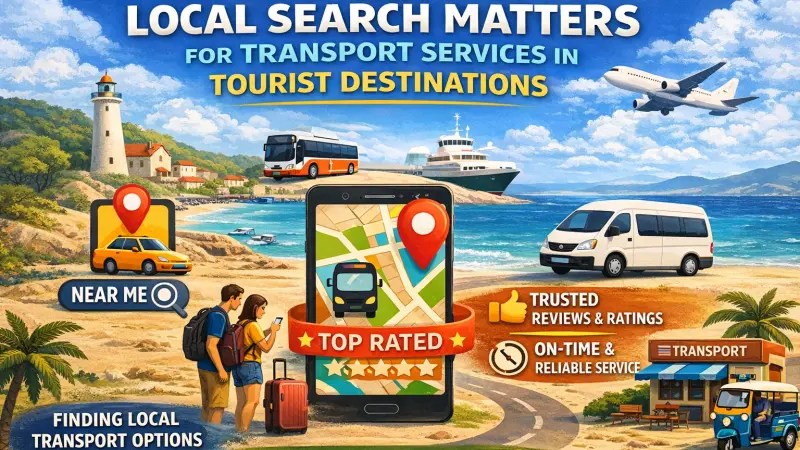
In today’s digital-first landscape, establishing a robust online presence is a prerequisite for success across all industries. However, this is particularly vital within the tourism sector, where the customer journey almost always begins with a search for life-changing experiences and seamless travel arrangements.

Recent data highlights the scale of this shift: approximately 72% of travellers now prefer to secure their bookings online. As holidaymakers increasingly rely on digital tools to plan their itineraries, transport firms must evolve. Implementing effective digital marketing strategies is no longer optional; it is the benchmark for remaining competitive.
The Surge of Local Search Intent
When you enter a geographical query into Google, the results differ significantly from standard organic listings. You are met with the "Local Pack"—a prominent display featuring business cards, interactive maps, customer reviews, and direct contact details. This feature appears above traditional blue links, capturing immediate attention.
of all Google searches have local intent
of mobile local searchers visit a business within 24 hours
Consider a tourist arriving at Heathrow or Gatwick. They are unlikely to browse through dozens of browser tabs. Instead, they reach for their smartphone and enter a direct request—such as "airport transfers London"—expecting immediate results. They look for transparent pricing, peer reviews, and the facility to book instantly. This "here and now" mentality makes local SEO a critical growth lever for transport providers.
Strategic Steps to Optimise Local Visibility
1. Maximising the Google Business Profile
A Google Business Profile acts as your digital shopfront. Tourists assess your services based on ratings, high-quality imagery, operating hours, and specific service features. A fully detailed profile attracts significantly higher click-through rates than incomplete listings.
- Descriptive Service Titles: Use clear terms such as "Premium Executive Car Service" or "Airport Shuttle Provider."
- Service Areas: Clearly define the regions you cover (e.g., Greater London, The Cotswolds, or Scottish Highlands).
- Visual Proof: Upload high-resolution photos of your fleet and professional drivers.
- Accessibility: Include information on supported languages to reassure international visitors.
2. Leveraging Reviews as Social Proof
Reviews are a primary trust signal for both potential customers and search algorithms. Research indicates that 98% of consumers read online reviews before engaging with a business.
In the travel industry, where safety and reliability are paramount, this social proof is invaluable.
Successful reputation management involves more than just collecting five-star ratings. How a business handles negative feedback is equally telling; responding professionally and constructively to criticism can often build more trust than a flawless record alone.
3. On-Page Local SEO Optimisation
While a Google listing is essential, it should be supported by a website optimised for geographical keywords.
This ensures you capture traffic from users who dig deeper than the map pack.
- Geo-Specific Keywords: Integrate phrases like "private hire Manchester" or "Edinburgh tour transport."
- Schema Markup: Implement LocalBusiness structured data to help search engines index your location and services accurately.
- Mobile-First Design: Ensure your site loads quickly and is easy to navigate on a smartphone.
4. Strategic Geo-Targeting and Seasonality
Organic efforts can be bolstered by geo-targeted advertising, especially during peak travel windows. For instance, running campaigns specifically targeted at major transport hubs during the summer holiday season can drive a significant spike in immediate booking enquiries. The synergy between organic local SEO and paid search maximises your "digital real estate."
Did you know? Modern transport aggregators and review platforms, such as the GetTransfer service, help bridge the gap between tourists and local providers, offering an additional channel for brand recognition and customer acquisition.
Final Thoughts
For travel and transport operators, local SEO has transitioned from a niche tactic to a fundamental pillar of a modern marketing programme.
By focusing on providing genuine value to passengers and meticulously refining your digital presence, you can secure a steady stream of bookings in an increasingly crowded market.
As AI continues to reshape the way we search, high-quality, authoritative, and well-structured content remains the most reliable way to future-proof your business. Stay flexible, adopt these strategies, and you will be well-positioned to welcome more visitors to your virtual and physical doors.

Disclaimer: The information provided in this article is for general informational and research purposes only. Company details, features, services, and market positions may change over time. Readers are advised to visit official company websites and conduct independent research before making any business decisions or purchasing services.
Most Searchable Keywords

Recent Blogs


Related Listings


Categories
- Accountants (295)
- Advertising Agencies (559)
- Architects (149)
- Automobiles (377)
- Beauty (300)
- Carpenters (146)
- Cleaning Services (386)
- Dentists (189)
- Driving (62)
- Electricians (215)
- Energy (8)
- Event Organiser (685)
- Finance (599)
- Guide (3365)
- Health (2207)
- Information technology (206)
- Legal Services (353)
- Logistics (6)
- Maintenance (65)
- Manufacturing (35)
Sponsored Listings in Locksmith Services


Related Blogs

Gen Z Political Reporters and News Creators i...
Read this insightful article "Gen Z Political Reporters and News Creators in the UK" to expand your knowledge!

Famous Female Social Media Influencers Across...
Read this insightful article "Famous Female Social Media Influencers Across the UK" to expand your knowledge!
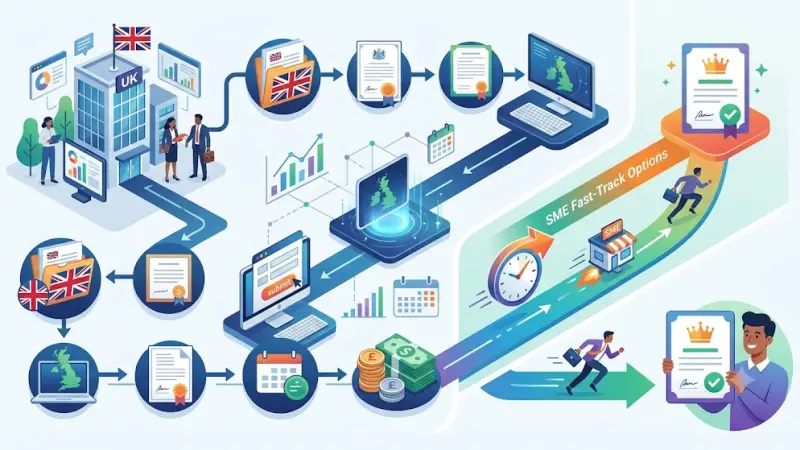
Your UK Sponsor Licence 2026 Step by Step Gui...
Read this insightful article "Your UK Sponsor Licence 2026 Step by Step Guide" to expand your knowledge!
Questions & Answers – Find What
You Need, Instantly!
How can I update my business listing?
Is it free to manage my business listing?
How long does it take for my updates to reflect?
Why is it important to keep my listing updated?
