
Why Newsletters Are the Secret Weapon of Your Marketing Strategy
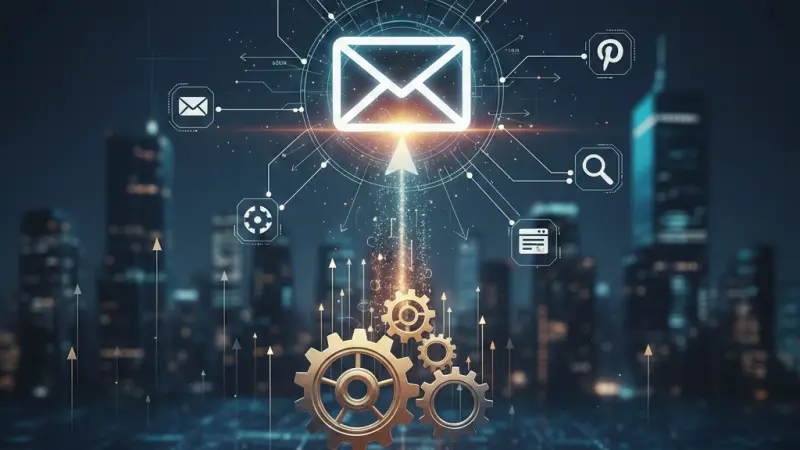
In the rapidly shifting landscape of digital marketing, where social media algorithms change overnight and search engine rankings feel like moving targets, there is one constant that remains remarkably effective: the email newsletter.
While platforms like TikTok, Instagram, and LinkedIn are excellent for discovery, they operate on "borrowed land." You don't own your followers on social media; the platform does. Email, however, is a direct, owned line of communication. It is the digital equivalent of a private conversation in a crowded room.
In this comprehensive guide, we will explore why newsletters are the backbone of a successful marketing strategy and provide you with a masterclass on how to build one that your audience actually looks forward to reading.
What Exactly is an Email Newsletter?
At its core, an email newsletter is a recurring digital publication sent to a list of subscribers. Unlike "transactional emails" (like receipts) or "promotional emails" (like a one-off "Flash Sale!" blast), a newsletter is designed to provide consistent value.
Think of it as a curated digest. It can include:
Educational Content: Recent blog posts, "how-to" guides, or industry insights.
Company Culture: Behind-the-scenes stories, team spotlights, or mission updates.
Product News: New feature launches, updates, or upcoming releases.
Curated Resources: Links to interesting articles, tools, or videos from around the web that your audience would find useful.
The objective isn't just to sell—it’s to nurture. By showing up regularly in an inbox with helpful content, you move from being a "vendor" to being a "trusted advisor."
Why Every Business Needs a Newsletter Strategy
If you aren't sending a newsletter, you are leaving money—and relationships—on the table. Here are the five primary reasons newsletters are vital:
1. Direct Promotion Without the Noise
Algorithmic feeds on social media mean that only a tiny fraction of your followers see your posts. With an email newsletter, you bypass the gatekeepers. You have the opportunity to showcase your products and services directly. While automated "drip" campaigns are great for new leads, a manual newsletter allows you to promote seasonal offers or new launches to your entire loyal base at once.
2. Sustaining High Engagement
Consistency builds trust. If you only email your customers when you want their money, they’ll eventually stop opening your messages. A weekly or bi-monthly newsletter keeps your brand "top of mind." When the customer is finally ready to make a purchase, yours is the first name they remember because you’ve been providing value in their inbox every Tuesday morning.
3. Owning the Narrative
Websites are passive; people have to choose to visit them. Newsletters are active. They allow you to keep your customers updated on your terms. Whether it’s a change in business hours, a new safety protocol, or a massive company milestone, the newsletter ensures the message is delivered reliably and quickly.
4. Synergizing Marketing Efforts
Your newsletter should be the "hub" that connects all your "spokes." Use it to drive traffic to your latest YouTube video, encourage followers to join a contest on Instagram, or highlight a popular thread on X (Twitter). It amplifies the work you are already doing on other platforms.
5. Maximizing Sales and Events
When you have a big event or a seasonal sale, the newsletter is your "big gun." Because you’ve spent weeks or months providing free value, your audience is much more receptive when you finally say, "Hey, we’re having a 20% off sale this weekend." The conversion rates for email historically dwarf those of social media and display ads.
Masterclass: How to Write an Irresistible Newsletter
Writing a newsletter is an art form, but it's one that follows a specific science. To move from "Delete" to "Must Read," follow these ten steps:
1. Research the Greats
Don't reinvent the wheel. Subscribe to newsletters both within and outside your industry. Notice what makes you click.
Is it the witty tone? The clean layout? The "quick-hit" bullet points? Study the top marketing newsletters to understand the rhythm of successful digital storytelling.
2. Find Your "North Star" Focus
The biggest mistake marketers make is trying to fit everything into one email. If your newsletter contains a blog post about gardening, a product update about software, and a PR statement about a local charity, the reader will get "choice paralysis" and close the email.
Pro-Tip: Focus each newsletter on one specific "vertical" or theme. If you have multiple distinct audiences, consider segmenting your list.
3. The 90/10 Rule
To keep subscribers from hitting "Unsubscribe," maintain a balance of 90% educational/valuable content and 10% promotional content. Your goal is to be a welcome guest in the inbox, not a pushy salesperson.
4. Manage Expectations
Transparency builds loyalty. On your sign-up page, tell people exactly what they are getting. Instead of "Sign up for our newsletter," try: "Join 5,000+ marketers for a weekly 2-minute digest of SEO tips every Thursday." This ensures that everyone who signs up actually wants what you’re sending.
5. The Art of the Subject Line
The subject line is the "packaging" of your gift. If the packaging is boring, no one opens the gift. Avoid repetitive titles like "Company Newsletter #42." Instead, use curiosity, urgency, or a specific benefit: "3 ways to double your traffic (and 1 mistake to avoid)."
6. The "One Primary Goal" Principle
While a newsletter can have multiple links, it should only have one primary Call to Action (CTA). Whether it’s "Read the Blog" or "Shop the Sale," make that button big, bold, and obvious. Other links should be secondary "nice-to-haves."
7. Embrace Minimalism
In 2026, people are busier than ever. Use concise copy, short paragraphs, and plenty of white space. A cluttered email feels like a chore to read; a clean email feels like a breath of fresh air.
8. The "Alt Text" Safety Net
Many email clients (like Outlook) block images by default. If your "Buy Now" button is an image and it doesn't load, the user sees a blank box. Always add Alt Text to your images so the message gets across even if the visuals don't.
9. Make it Easy to Leave
It sounds counterintuitive, but a prominent "Unsubscribe" link is your friend. You only want people on your list who want to be there. High "dead weight" on a list hurts your deliverability and can land you in the spam folder.
10. The Culture of Testing
Never stop experimenting. Test different send times, different tones of voice, and different layouts. Your audience is unique; let their data (open rates and click-through rates) tell you what they like.
Essential Newsletter Best Practices
As you begin your journey, keep these four "Golden Rules" in mind:
Mobile-First Design: Over 85% of emails are opened on mobile devices. If your newsletter looks like a desktop website shrunk down, you will lose your audience. Use responsive templates.
The Power of A/B Testing: Not sure which subject line is better? Send "Option A" to 10% of your list and "Option B" to another 10%. Send the winner to the remaining 80%.
The "Me to You" Tone: Write as if you are emailing a single friend. Use "you" and "I" rather than "we" and "our customers." This builds a personal connection.
Always Send a Test: Check every link. View it on your phone and your laptop. There is no "Unsend" button in email marketing.
Elevate Your Business Reach Today
Expanding your digital footprint requires more than just a great email; it requires being visible where your customers are searching. For UK-based entrepreneurs looking to skyrocket their local presence, joining a reputable uk online business directory is the smartest move you can make.
By listing your company in a comprehensive uk business directory, you increase your SEO authority and help customers find local businesses uk with ease. Whether you want to appear in a specialized uk local business directory or a broad local businesses list uk,
being present on the local page uk business directory ensures you are seen. From a uk small business directory perspective to a high-level uk b2b business directory or consumer-facing uk b2c business directory, visibility is key.
Maximize your reach on a business directory uk online and stand out as one of the premier uk service providers directory options. With uk business listings online and a presence on a top-tier uk business directory website, your growth is inevitable.
Ready to get started? Grab a business listing uk on a business listing uk. This business listing uk is the perfect way to test a business listing uk and see the results for yourself. Secure your business listing uk or a business listing uk today. We specialize in business listing uk opportunities, making it the best business listing uk resource. Whether you need a business listing uk or a business listing uk, we have you covered.
Explore high-quality local business listings uk and comprehensive uk service listings. Our platform provides uk verified business listings for the uk top rated local businesses. From a uk home services directory to uk professional services listings and uk trade services listings, we are the ultimate uk local trades directory. Join the local page uk listings and dominate the uk local business search today.
What Professionals Often Want to Know
1. How often should I send a newsletter?
Start once a week or every two weeks. Consistency is more important than frequency.
2. What is a good open rate for a newsletter?
Depending on the industry, 20-30% is considered healthy.
3. Do I need a professional designer?
No. Tools like Mailchimp, Beehiiv, or Flodesk provide drag-and-drop templates that look professional.
4. How long should a newsletter be?
Keep it "scannable." Most people spend less than a minute reading an email.
5. Should I use plain text or images?
A mix is best, but "plain-text" style emails often feel more personal and have higher deliverability.
6. Is email marketing dead because of social media?
Quite the opposite. As social media becomes more crowded, the inbox remains the most valuable real estate.
7. How do I get people to sign up?
Offer a "lead magnet," like a free PDF guide, a discount code, or exclusive content.
8. Can I buy an email list?
No. Never buy lists. It ruins your reputation and usually results in your emails being marked as spam.
9. What is a CTA?
A Call to Action—a button or link telling the reader what to do next.
10. How do I stop my emails from going to spam?
Avoid "spammy" words in subject lines (like "FREE MONEY"), use a verified domain, and ensure people have opted in.
11. What is segmentation?
Dividing your list into groups (e.g., "New Customers" vs "VIPs") to send more relevant content.
12. Does the day of the week matter?
Generally, Tuesday, Wednesday, and Thursday mornings perform best, but you should test this for your specific audience.
13. What should I do if my open rates are low?
Test new subject lines and ensure your "From" name is recognizable.
14. Can I automate my newsletter?
You can automate parts of it, but "manual" newsletters usually feel more timely and authentic.
15. Is a newsletter expensive?
Most platforms have a free tier for your first 500 to 2,000 subscribers.
Disclaimer: The information provided in this article is for general informational and research purposes only. Company details, features, services, and market positions may change over time. Readers are advised to visit official company websites and conduct independent research before making any business decisions or purchasing services.
Most Searchable Keywords
Recent Blogs

Related Listings
Categories
- Accountants (295)
- Advertising Agencies (559)
- Architects (149)
- Automobiles (377)
- Beauty (300)
- Carpenters (146)
- Cleaning Services (387)
- Dentists (189)
- Driving (62)
- Education (1)
- Electricians (215)
- Energy (8)
- Event Organiser (687)
- Finance (602)
- Guide (3439)
- Health (2207)
- Information technology (206)
- Legal Services (361)
- Logistics (6)
- Maintenance (65)
Sponsored Listings in Legal Services

Related Blogs

When Is My MOT Due Free Check and Common Fail...
Read this insightful article "When Is My MOT Due Free Check and Common Failures" to expand your knowledge!

Lost V5C Log Book Cost Timescale and Rules
Read this insightful article "Lost V5C Log Book Cost Timescale and Rules" to expand your knowledge!

Intensive Driving Courses: Costs Pass Rates a...
Read this insightful article "Intensive Driving Courses: Costs Pass Rates and Who They Suit" to expand your knowledge!
Questions & Answers – Find What
You Need, Instantly!
How can I update my business listing?
Is it free to manage my business listing?
How long does it take for my updates to reflect?
Why is it important to keep my listing updated?
