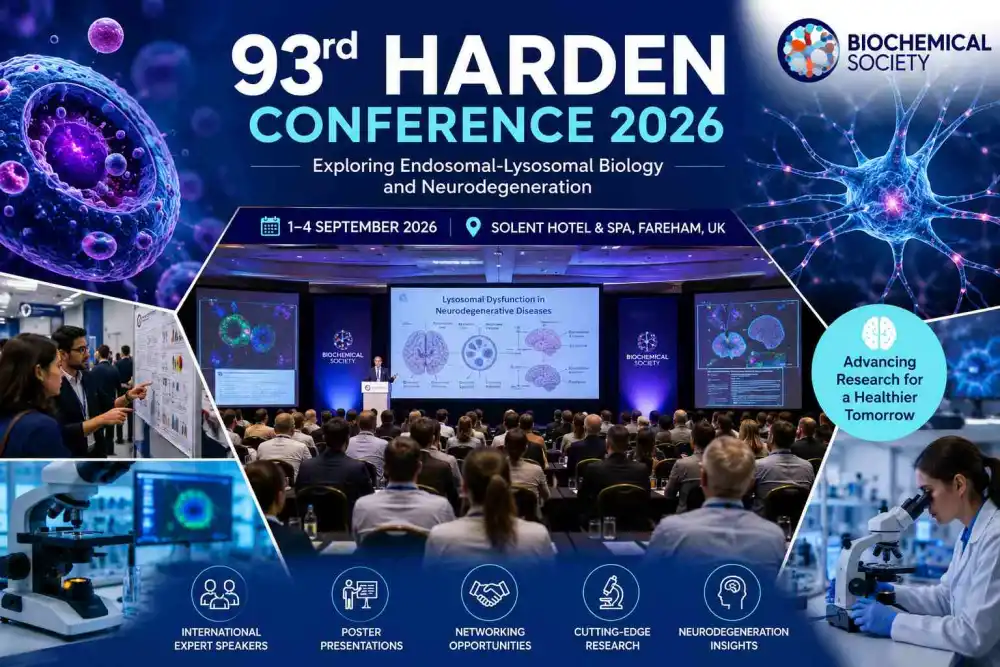
The 93rd Harden Conference 2026, organized by the Biochemical Society, is one of the United Kingdom's leading scientific conferences dedicated to advancing research in molecular biosciences. Taking place from 1–4 September 2026 at the Solent Hotel & Spa, Fareham, Hampshire, this prestigious event will bring together internationally renowned researchers, academics, clinicians, biotechnology professionals, and early-career scientists to discuss the latest breakthroughs in endosomal-lysosomal biology, cellular trafficking, and neurodegenerative diseases.
As neurological disorders such as Alzheimer's disease, Parkinson's disease, Huntington's disease, and lysosomal storage disorders continue to affect millions worldwide, understanding the cellular mechanisms responsible for these conditions has become a major research priority. The conference provides a unique opportunity to explore innovative discoveries, emerging therapeutic strategies, and state-of-the-art technologies that are transforming biomedical research.
Over four days, delegates will participate in keynote lectures, scientific presentations, poster sessions, panel discussions, networking events, and collaborative workshops designed to encourage knowledge sharing and foster new research partnerships.
Biochemical Society
Founded over a century ago, the Biochemical Society is one of the world's most respected scientific organizations dedicated to promoting excellence in molecular biosciences. The Society supports researchers through conferences, scientific publications, educational initiatives, grants, and professional development opportunities.
The Harden Conference series represents one of its flagship scientific events, bringing together experts from across academia, healthcare, pharmaceutical companies, and biotechnology organizations to discuss emerging areas of biomedical science.
Conference Theme
Understanding Cellular Pathways Behind Neurodegenerative Diseases
The 2026 conference focuses on the critical role of the endosomal-lysosomal system in maintaining healthy cellular function. Recent discoveries have shown that defects in intracellular trafficking and lysosomal degradation contribute significantly to many neurodegenerative disorders.
The conference will examine:
- Endosomal transport mechanisms
- Lysosomal function and dysfunction
- Cellular recycling pathways
- Protein aggregation
- Neurodegenerative disease mechanisms
- Cellular signalling
- Autophagy regulation
- Organelle communication
- Therapeutic interventions
- Emerging molecular targets
Scientific Programme
The conference features an extensive scientific programme covering the latest developments in molecular and cellular biology.
Major sessions include:
Endosomal Biology
Researchers will discuss how endosomes regulate intracellular transport, receptor signalling, membrane trafficking, and communication between cellular compartments.
Lysosomal Function
Experts will examine how lysosomes contribute to protein degradation, metabolic regulation, waste recycling, and disease prevention.
Autophagy and Cellular Recycling
Sessions will explore the relationship between autophagy, protein quality control, and healthy neuronal function.
Neurodegenerative Disorders
Scientists will present new research on Alzheimer's disease, Parkinson's disease, amyotrophic lateral sclerosis (ALS), Huntington's disease, and other neurological conditions linked to lysosomal dysfunction.
Emerging Therapeutic Targets
Presentations will highlight promising drug discovery approaches, gene therapies, and precision medicine strategies currently under investigation.
Distinguished Keynote Speakers
Internationally recognized scientists from leading universities and biomedical research institutes will present keynote lectures covering breakthrough discoveries in molecular biosciences.
Delegates will gain valuable insights into:
- Novel disease mechanisms
- Advanced imaging technologies
- Translational medicine
- Future therapeutic opportunities
- Emerging laboratory methodologies
These keynote sessions offer a comprehensive overview of the rapidly evolving field of cellular biology.
Poster Presentation Sessions
Poster sessions provide an excellent platform for researchers to present original scientific work while receiving valuable feedback from experienced investigators.
Participants will have opportunities to:
- Showcase innovative research
- Discuss experimental methodologies
- Build collaborations
- Meet potential research partners
- Exchange ideas with international scientists
Networking Opportunities
Scientific collaboration remains one of the most valuable outcomes of the Harden Conference series.
Networking activities include:
- Welcome reception
- Daily networking breaks
- Poster discussion sessions
- Informal scientific meetings
- Conference dinner
- Industry networking events
- Early-career researcher meetups
These sessions help researchers establish meaningful academic and professional relationships that often lead to future collaborations.
Industry Exhibition
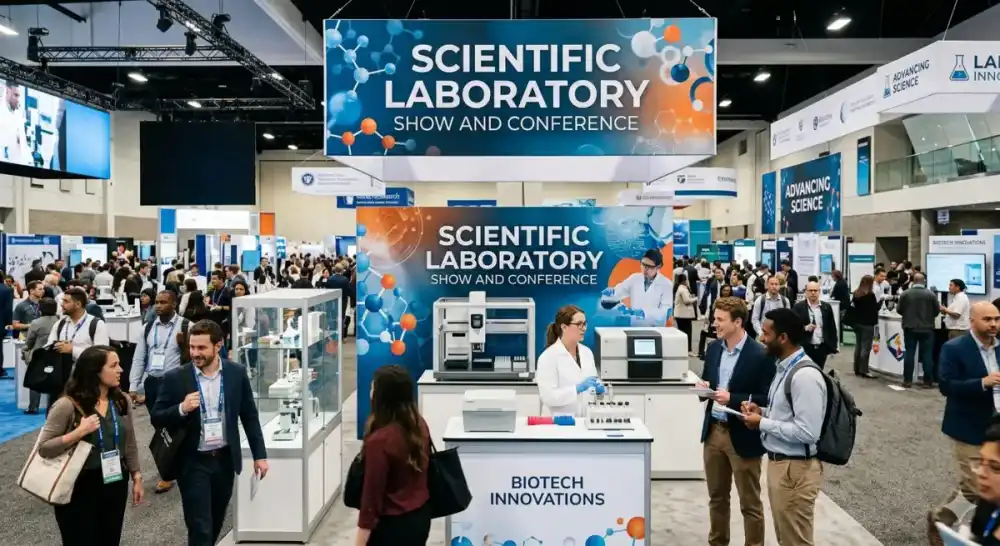
The exhibition area will feature leading biotechnology companies, laboratory equipment manufacturers, pharmaceutical organizations, and scientific service providers.
Visitors can explore:
- Advanced laboratory technologies
- Scientific instrumentation
- Microscopy systems
- Cell imaging platforms
- Research reagents
- Genomics solutions
- Proteomics technologies
- Bioinformatics software
- Laboratory automation
- Data analysis platforms
The exhibition provides opportunities to discover new tools that can accelerate research productivity.
Benefits for Early-Career Researchers
The Biochemical Society places strong emphasis on supporting the next generation of scientists.
Early-career delegates can benefit from:
- Professional mentoring
- Career development advice
- Research presentation opportunities
- Networking with senior academics
- Funding guidance
- Publication advice
- Collaborative research opportunities
- Scientific communication training
These experiences help young researchers build confidence and expand their professional networks.
Who Should Attend?
The conference welcomes professionals from a wide range of disciplines, including:
- Biochemists
- Molecular biologists
- Cell biologists
- Neuroscientists
- Biomedical researchers
- Clinical scientists
- Laboratory managers
- Biotechnology professionals
- Pharmaceutical researchers
- University lecturers
- Professors
- Postdoctoral researchers
- PhD candidates
- Master's students
- Medical researchers
Whether you are conducting fundamental laboratory research or developing new therapeutic approaches, the conference offers valuable learning and networking opportunities.
Key Learning Outcomes
Delegates attending the conference will:
- Understand current advances in endosomal and lysosomal biology.
- Learn about molecular mechanisms underlying neurodegenerative diseases.
- Explore innovative imaging and analytical technologies.
- Discover emerging therapeutic targets.
- Gain insights into translational biomedical research.
- Develop interdisciplinary collaborations.
- Improve scientific presentation skills.
- Exchange ideas with international experts.
- Stay informed about cutting-edge developments in molecular biosciences.
- Expand professional and academic networks.
Why Attend the 93rd Harden Conference 2026?
The conference offers a unique opportunity to stay at the forefront of one of the fastest-growing areas of biomedical research. As understanding of intracellular trafficking and lysosomal biology continues to evolve, researchers have unprecedented opportunities to translate basic science into innovative treatments for devastating neurological disorders.
By attending this event, delegates will gain direct access to world-leading experts, cutting-edge research, advanced technologies, and valuable networking opportunities. The collaborative atmosphere encourages the exchange of ideas that can lead to new discoveries, research partnerships, and career development.
Whether you are an established investigator, healthcare professional, industry scientist, or postgraduate student, the 93rd Harden Conference 2026 provides an inspiring environment for scientific learning, collaboration, and innovation. It continues the Biochemical Society's long-standing commitment to advancing molecular biosciences and supporting the global scientific community in addressing some of the most significant health challenges of our time.
Key Event Highlights
Venue & Location Info
Timings
Entry Fees
Event Type
Estimated Turnout & Audience
Community Reviews
James Turner
Sarah Collins
Oliver Bennett
Emma Hughes
How was your experience?
Share your thoughts with the community. Your reviews help others discover the best local events.