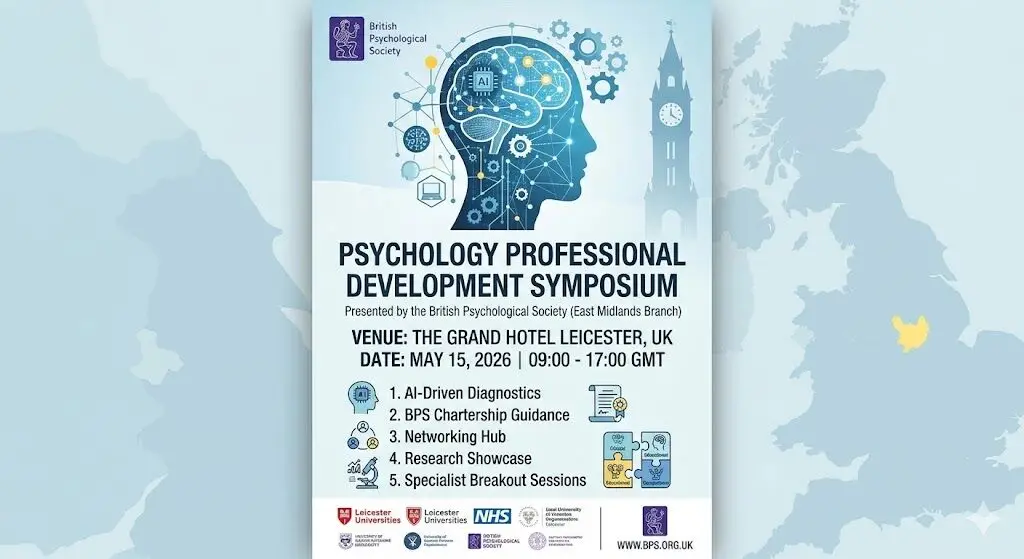
The rapid and widespread integration of artificial intelligence into daily operations has fundamentally transformed how modern businesses function across nearly every sector, and psychology is certainly no exception. Artificial intelligence tools are increasingly utilized for automated note-taking, administrative automation, client scheduling, communication, and marketing, often operating quietly in the background without practitioners fully recognizing their extensive implications. The British Psychological Society (BPS) proudly presents this vital upcoming event to directly address the complex intersection of cutting-edge technology and clinical practice. Designed specifically for mental health professionals navigating private practice, this comprehensive session explores the hidden risks, compliance requirements, and operational realities of leveraging artificial intelligence in a highly regulated and sensitive field.
Navigating Legal and Regulatory Frameworks
Entering the realm of digital health tools and automated solutions requires a robust and uncompromising understanding of legal and regulatory frameworks. Practitioners must remain perpetually vigilant about compliance mandates, professional standards, and stringent data security protocols. Led by expert commercial lawyer Clare Veal, who specializes extensively in intellectual property, e-commerce, consumer rights, and data protection law, attendees will gain deep, actionable insights into the rapidly evolving legislative landscape. The session addresses critical questions surrounding professional accountability, legal liability, and governance when utilizing third-party algorithms or automated software solutions. Understanding these essential legal nuances ensures that practitioners can innovate safely while upholding the absolute highest standards of professional integrity, client safety, and clinical confidentiality.
Data Protection and Intellectual Property Safeguards
At the very heart of professional psychological practice lies the paramount importance of client confidentiality and sensitive data protection. Integrating artificial intelligence platforms into client intake processes, session transcription services, or electronic record storage introduces complex vulnerabilities regarding data privacy laws, including GDPR and local regulatory frameworks. Furthermore, important intellectual property considerations inevitably arise when utilizing generative artificial intelligence to produce clinical templates, professional resources, marketing materials, or business strategies. This segment unpacks the intricate links between artificial intelligence usage, data ownership, and proprietary rights. Professionals will learn how to identify potential security loopholes, evaluate vendor privacy policies, and safeguard confidential client records against unauthorized access or data breaches.
Mitigating Operational Risks and Identifying Red Flags
While modern digital innovations offer immense efficiency and time-saving benefits, they also present significant operational hazards if left unmanaged. Identifying warning signs and regulatory red flags in software user agreements or platform terms of service is vital for effective risk mitigation. Attendees will receive practical guidance on spotting hidden algorithmic biases, recognizing unverified data processing methods, and avoiding unauthorized cross-border data sharing. The curriculum equips practitioners with structured, actionable frameworks to assess digital tools critically before implementation. By proactively addressing these vulnerabilities, psychologists can shield their private practices from costly regulatory penalties, severe reputational damage, and potential ethical violations.
Practical Strategies for Safe Practice Implementation
Translating complex legal theory into everyday clinical and administrative practice is essential for sustainable and secure business growth. This section focuses on equipping attendees with practical, actionable tips designed to integrate artificial intelligence safely and effectively into daily workflows. From establishing rigorous internal compliance policies to selecting trusted, privacy-compliant software vendors, practitioners will leave with a clear roadmap for technological adoption. The session emphasizes future-proofing private practices against impending regulatory shifts in the UK and international markets, ensuring long-term resilience, professional safety, and operational confidence in an increasingly digitalized professional world.
Conclusion and Embracing Professional Growth
As the global technological landscape continues to accelerate at a breathtaking pace, staying informed is no longer optional for private practitioners; it is an absolute professional imperative. This event successfully bridges the gap between dense legal jargon and accessible, practical guidance tailored specifically for psychologists. By demystifying artificial intelligence and its strict legal boundaries, the British Psychological Society empowers members to enhance their business operations without ever compromising core ethical standards. Attendees will depart with heightened awareness, robust risk-mitigation strategies, and the confidence required to navigate the future of digital psychological practice safely and successfully.
Image Prompt Generation for AI in Private Practice: Legal Essentials:
Prompt: Generate a realistic, high-resolution JPG image of file size approximately 300 kb featuring a professional psychologist in a modern Leicester office consulting a laptop displaying legal compliance charts and data security dashboards. The text overlay directly on the image reads clearly in bold professional typography: "AI in Private Practice- Legal Essentials". The visual style is clean, corporate, and secure, with soft natural lighting and a polished academic environment.
Key Event Highlights
-
Expert-led legal insights from specialized commercial lawyer Clare Veal.
-
Comprehensive breakdown of data protection, GDPR, and intellectual property links.
-
Actionable strategies to identify AI red flags and mitigate practice risks.
-
Practical guidance on future-proofing private practices against regulatory changes.
-
Essential Q&A and practical tips for safe, compliant AI tool integration.
Venue & Location Info
Timings
Entry Fees
Event Type
Estimated Turnout & Audience
Community Reviews
How was your experience?
Share your thoughts with the community. Your reviews help others discover the best local events.