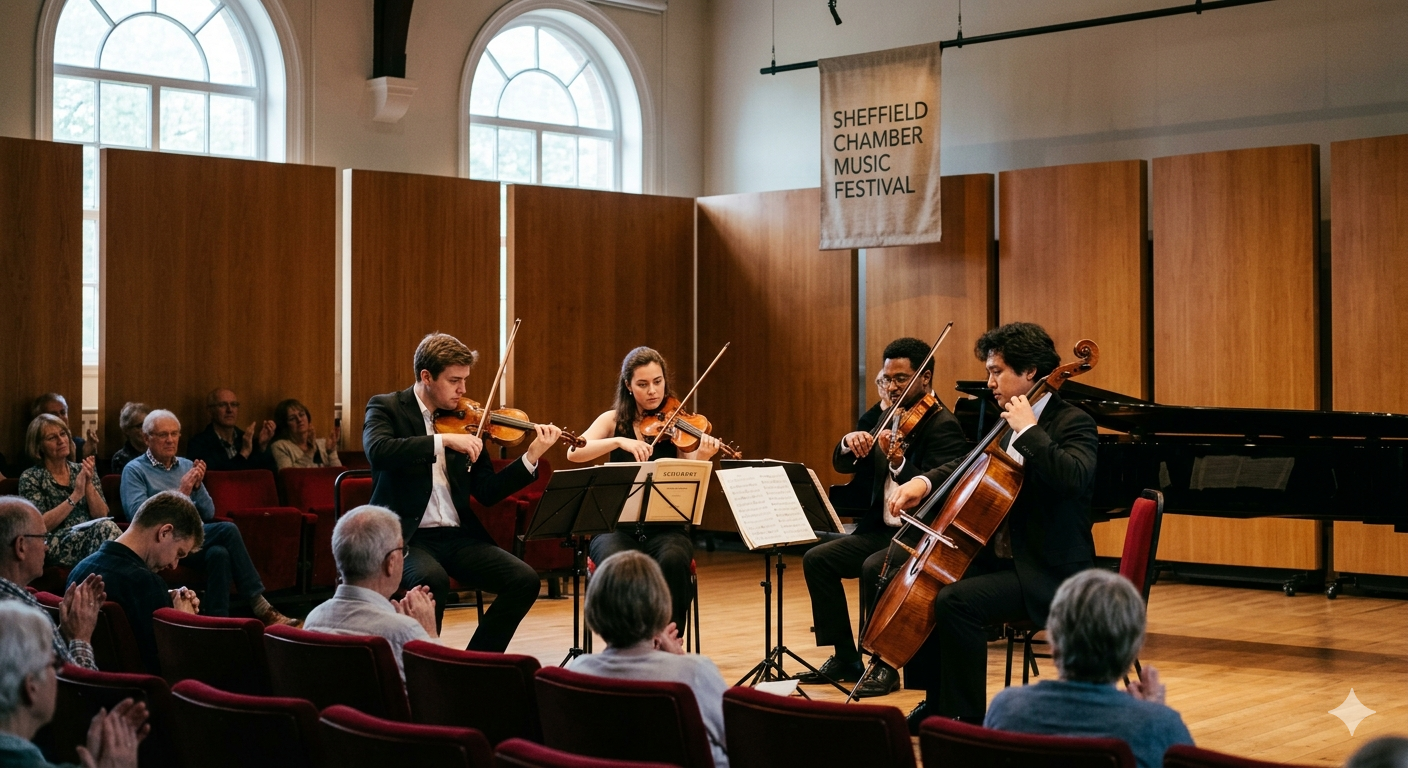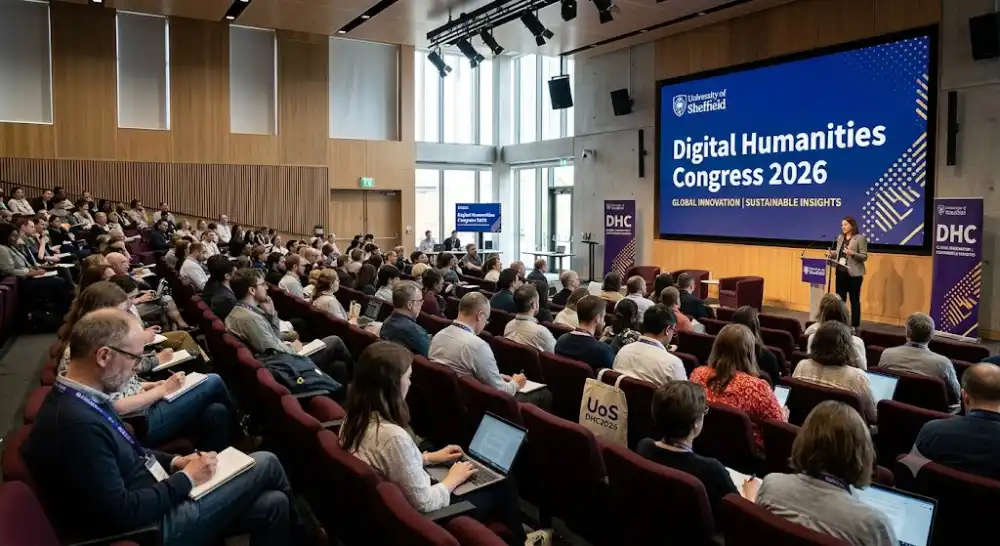
The Digital Humanities Congress 2026, hosted biennially by the esteemed Digital Humanities Institute at the University of Sheffield, stands as a premier international gathering for scholars, technologists, and heritage professionals. Scheduled to take place on the 2nd and 3rd of September 2026 at The Edge conference facility in Sheffield, this two-day physical event serves as a crucial platform for exploring the intersection of digital technology and humanities research. As digital methodologies increasingly redefine how cultural heritage, history, literature, and the arts are investigated and preserved, this conference offers an exceptional forum for sharing pioneering techniques, innovative frameworks, and collaborative insights. Attendees will engage with cutting-edge developments that treat technology not merely as a tool for dissemination, but as an active, robust method of academic inquiry.
Innovations in Methodologies and Technologies
A major focus of the congress is the presentation of groundbreaking research driven by advanced digital methodologies. Scholars and practitioners will delve into a wide variety of technological applications, including artificial intelligence, data mining, geographic information systems, 3D visualization, and interactive crowd-sourcing initiatives. These specialized sessions will illuminate how complex datasets are harvested, modeled, and interpreted to uncover hidden historical patterns, linguistic shifts, and literary nuances. By evaluating real-world case studies, participants will gain practical insights into how digital tools can radically expand the boundaries of traditional disciplines, transforming qualitative archives into dynamic, computationally searchable repositories that benefit global research communities and enrich public access to heritage collections.
Keynote Addresses and Plenary Insights
The event features a distinguished lineup of keynote speakers and plenary panelists who are leading voices in digital culture and computational analytics. Esteemed academics such as Professor James O’Sullivan from University College Cork, alongside prominent researchers from leading European institutions, will share visionary perspectives on the future landscape of higher education and digital scholarship. These sessions are designed to provoke critical reflection on the broader societal implications of digital preservation, open access publishing, and structural shifts within academic institutions. Through interactive keynote presentations and robust plenary debates, attendees will confront pressing questions concerning digital equity, methodological transparency, and the long-term sustainability of digital scholarship in an evolving global ecosystem.
Interactive Workshops and Roundtable Discussions
Beyond traditional paper presentations, the congress emphasizes collaborative dialogue through comprehensive roundtable sessions and specialized working groups. A prominent highlight includes the dedicated Congress Roundtable focusing on the shifting higher education landscape, which evaluates how institutions can better support digital infrastructure, interdisciplinary training, and open research practices. Researchers at various career stages—from doctoral candidates and early-career researchers to established research leaders—will have ample opportunities to debate best practices, address common technical bottlenecks, and forge cross-institutional partnerships. These collaborative formats ensure that every participant leaves with actionable feedback, enhanced technical expertise, and valuable professional networks to propel their ongoing research endeavors forward.
Exhibition Showcase and Cultural Networking
Complementing the academic tracks is an engaging exhibition showcase highlighting the latest software, digital editions, mobile applications, and virtual environment projects developed by leading university labs and commercial partners. Furthermore, the conference itinerary includes an optional conference dinner held at Inox Dine, offering delegates a relaxed atmosphere for professional networking, interdisciplinary brainstorming, and social exchange. The venue itself, situated within the picturesque Endcliffe Village of Sheffield, provides a supportive residential and conference environment conducive to prolonged academic engagement. Ultimately, the Digital Humanities Congress 2026 reinforces the University of Sheffield's commitment to pioneering global excellence in digital innovation, ensuring arts and heritage research remains vibrant, accessible, and technologically future-proof.
Key Event Highlights
Biennial gathering of digital humanities experts,
Keynote presentations by leading international scholars,
Interactive sessions on artificial intelligence,
GIS and 3D visualization,
Specialized roundtable on higher education landscapes,
Exclusive exhibition showcase and conference dinner
Venue & Location Info
Timings
Entry Fees
Event Type
Estimated Turnout & Audience
Community Reviews
How was your experience?
Share your thoughts with the community. Your reviews help others discover the best local events.