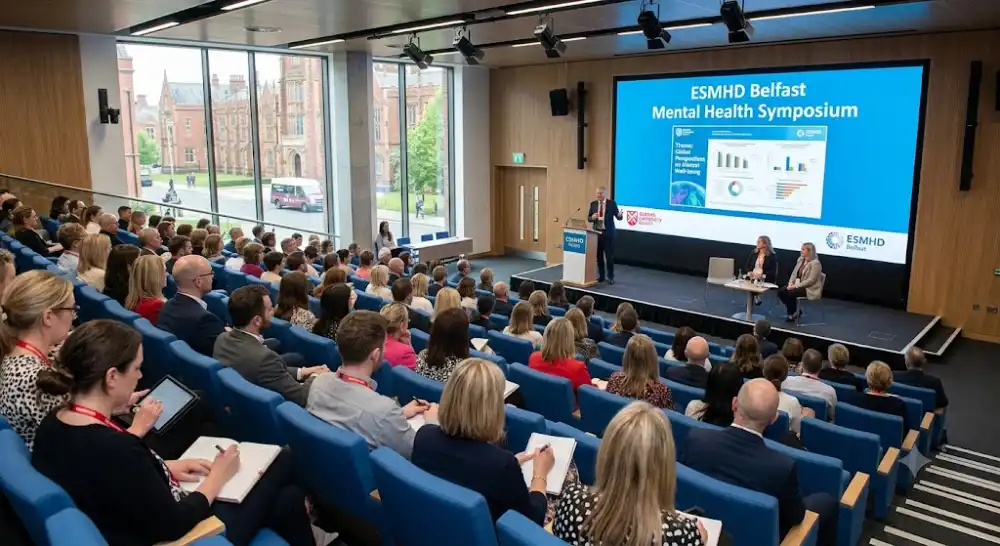
The European Society for Mental Health and Deafness proudly presents the upcoming Belfast Mental Health Symposium, a premier international gathering dedicated to advancing psychiatric and psychological care for deaf and hard-of-hearing individuals. Set within the historic academic environment of Queen's University Belfast, this landmark event convenes leading psychiatrists, clinical psychologists, mental health nurses, social workers, and deaf advocates from across Europe and beyond. Building upon the foundational legacy of regional advocacy, the symposium serves as a vital platform to address historical disparities in mental healthcare access, evaluate clinical methodologies, and champion equity. Attendees will engage with cutting-edge research, clinical best practices, and rights-based frameworks designed to transform how mental health services are structured, delivered, and evaluated for linguistic minorities.
Advancing Rights-Based Mental Health Care for Deaf Communities
At the heart of the symposium is a comprehensive re-evaluation of rights-based approaches to mental healthcare, reflecting international human rights standards and the principles of the Belfast Statement. Participants will explore how systemic discrimination, lack of linguistic recognition, and inadequate resource allocation continue to impact the emotional and psychological well-being of deaf children, adolescents, and adults. Expert keynote speakers will dissect recent legislative updates, human rights mandates, and clinical guidelines that advocate for early linguistic identification and culturally appropriate care. Through structured plenary sessions and interactive discussions, delegates will examine how multidisciplinary teams can actively dismantle institutional barriers, ensuring that mental health services are fundamentally inclusive, respectful, and fully accessible to sign language users from every background.
Overcoming Communication and Systemic Barriers in Clinical Practice
Communication breakdown remains one of the most pervasive obstacles in psychiatric treatment, often leading to misdiagnosis, inappropriate medicalization, and patient alienation. This specialized track examines practical strategies for integrating professional sign language interpreters, bilingual mental health professionals, and culturally competent support structures directly into clinical workflows. Presenters will analyze case studies demonstrating how linguistic misalignment exacerbates mental distress and outline effective institutional modifications to bridge the gap between deaf patients and hearing practitioners. Attendees will gain actionable insights into conducting thorough psychiatric evaluations without linguistic compromise, establishing secure communication protocols, and training institutional staff to recognize the unique psychosocial experiences of deaf individuals navigating complex healthcare systems.
Trauma-Informed Sign Language Therapy and Early Intervention
Trauma-informed care and early psychological intervention are critical components in preventing severe mental health crises within vulnerable populations. This focused session highlights innovative therapeutic models tailored specifically for deaf individuals who have experienced trauma, abuse, or systemic marginalization. Clinical experts will share evidence-based approaches that incorporate sign language as a primary therapeutic medium, emphasizing the nuance of emotional expression and psychological processing in visual-gestural languages. Workshops will provide practitioners with practical tools for recognizing trauma symptoms, adapting traditional cognitive behavioral therapies for sign language users, and implementing community-based preventative initiatives. By elevating clinical proficiency and sharing specialized intervention blueprints, the symposium empowers mental health professionals to deliver deeply empathetic, effective, and individualized therapeutic support.
Fostering International Collaboration and Cross-European Networks
Sustainable progress in deaf mental healthcare relies heavily on robust international cooperation, shared research initiatives, and enduring professional networks. The symposium concludes with collaborative roundtable discussions aimed at forging cross-European partnerships and establishing coordinated research agendas for the coming decade. Participants will have unique opportunities to connect with peers, exchange operational solutions, and explore joint projects designed to improve training standards and service accessibility across different national jurisdictions. By pooling expertise, resources, and shared visions, delegates will leave the symposium equipped with powerful new professional connections and a renewed collective commitment to ensuring that optimal mental health and well-being remain an attainable, protected right for every deaf person.
Key Event Highlights
-
Comprehensive review of the Belfast Statement and contemporary rights-based mental health care.
-
Expert-led sessions on overcoming communication and systemic barriers in psychiatric settings.
-
Specialized workshops focusing on trauma-informed sign language therapy and early intervention.
-
Collaborative panels uniting international researchers, clinicians, and deaf advocates.
-
High-level networking opportunities to foster cross-European clinical and research partnerships.
Venue & Location Info
Timings
Entry Fees
Event Type
Estimated Turnout & Audience
Community Reviews
James Turner
Sarah Collins
Oliver Bennett
Emma Hughes
How was your experience?
Share your thoughts with the community. Your reviews help others discover the best local events.