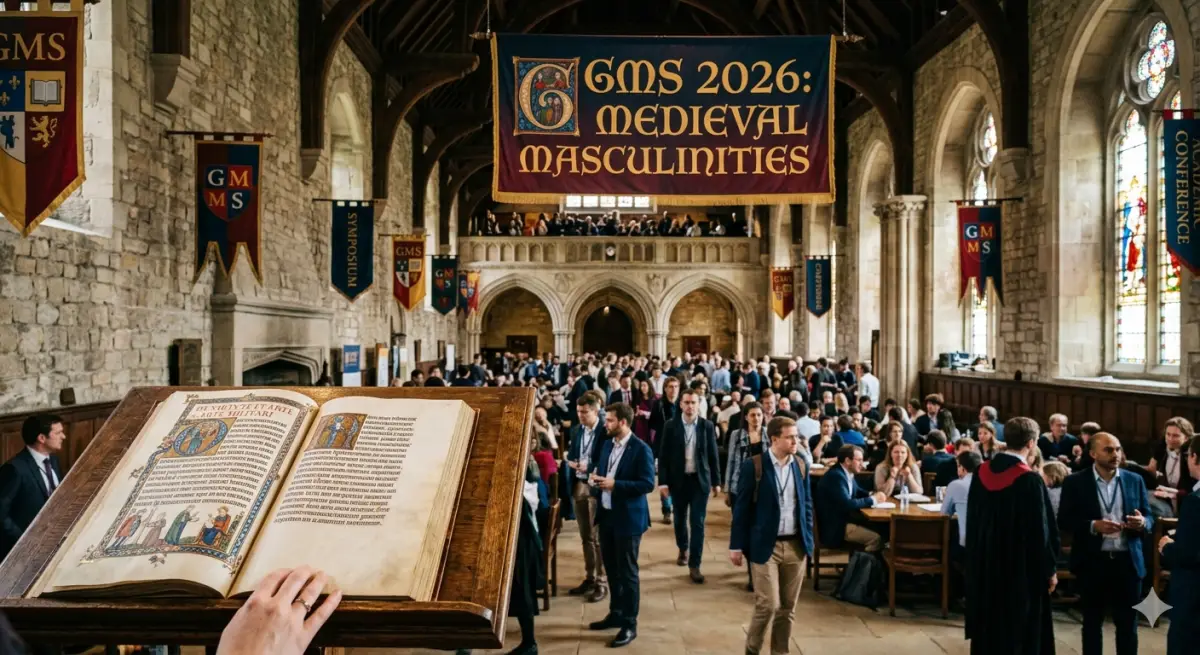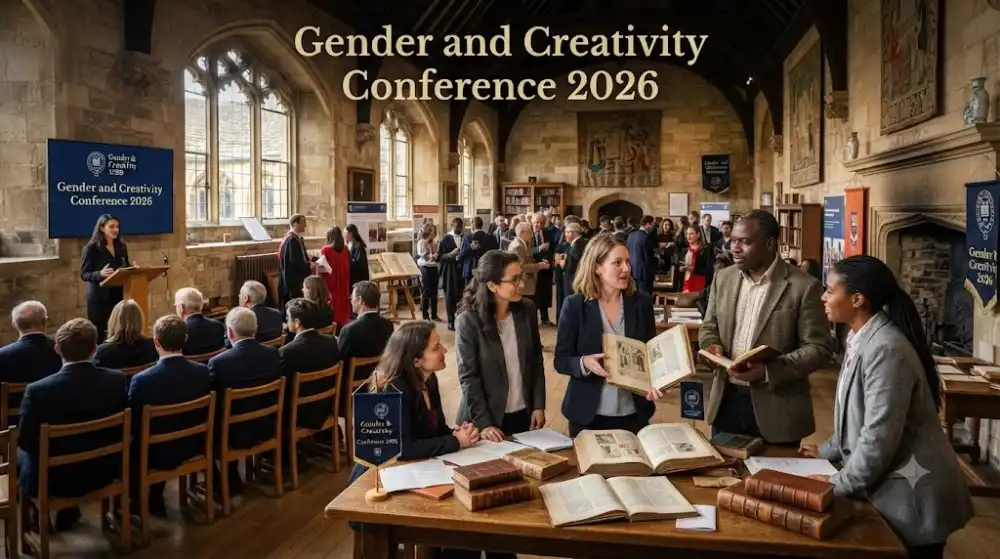
The Gender and Creativity Conference 2026, organised by the Gender & Medieval Studies (GMS) Group, will bring together scholars, researchers, and students to explore the relationship between gender, creativity, and medieval culture. Taking place at University College Oxford, United Kingdom, the conference will provide a platform for discussing innovative research approaches within medieval studies. The event is scheduled from 8 September to 10 September 2026 and will focus on how creativity shaped and reflected gender identities throughout the medieval period.
Gender and Medieval Studies has long encouraged interdisciplinary research into how ideas of masculinity, femininity, sexuality, and identity were represented in medieval societies. This conference continues that tradition by examining creative expressions across literature, art, manuscripts, performance, religious texts, and historical records.
A Platform for Medieval Gender Research
The conference offers an important opportunity for academics and researchers to present new findings and engage with current debates in medieval gender studies. Participants will explore how medieval communities understood gender roles and how creative practices influenced social and cultural identities.
Through keynote sessions, research presentations, and discussions, attendees will gain deeper insights into medieval approaches to identity, representation, and creativity. The event encourages conversations between different academic disciplines, allowing historians, literary specialists, art historians, and cultural researchers to share perspectives.
Exploring Creativity Through a Gender Lens
Creativity played an important role in medieval society. From illuminated manuscripts and religious artwork to poetry, storytelling, and performance traditions, creative works provide valuable evidence about how gender was understood and represented.
The Gender and Creativity Conference 2026 will examine how creators, audiences, and communities interacted with ideas of gender during the medieval period. Researchers will explore questions surrounding authorship, representation, and cultural influence.
Topics may include:
- Gender representation in medieval literature.
- Women’s contributions to artistic and intellectual traditions.
- Masculinity and identity in medieval societies.
- Gender symbolism in medieval artwork.
- Creativity and social transformation.
These discussions highlight the importance of considering gender when studying medieval history and culture.
Academic Networking and Knowledge Exchange
One of the key benefits of attending the conference is the opportunity to connect with researchers from different institutions. The event creates an environment where emerging scholars and experienced academics can exchange ideas, develop collaborations, and discuss future research opportunities.
Networking sessions will allow participants to build professional relationships within the medieval studies community. Postgraduate students and early-career researchers can gain valuable feedback on their research projects while learning from established scholars.
The conference also supports a welcoming academic environment where diverse viewpoints and research approaches are encouraged.
Why Attend Gender and Creativity Conference 2026?
The conference is designed for anyone interested in the connections between gender, creativity, and medieval history. Attendees will benefit from:
- Access to specialist research presentations.
- Opportunities to discuss new academic approaches.
- Engagement with international medieval studies scholars.
- Exposure to interdisciplinary research methods.
- Professional networking opportunities.
By bringing together different areas of humanities research, the event demonstrates how medieval studies continue to influence modern discussions about identity, culture, and representation.
Contribution to Medieval Studies
Research into medieval gender continues to expand as scholars uncover new interpretations of historical sources. Traditional approaches to medieval history are increasingly being complemented by studies focusing on overlooked voices, marginalised communities, and alternative perspectives.
The Gender and Creativity Conference 2026 contributes to this growing field by encouraging research that challenges established narratives. Through critical discussion and creative exploration, participants can better understand the complexities of medieval societies.
The conference also reflects the importance of studying history through multiple perspectives. Gender analysis provides valuable insights into social structures, cultural practices, and human experiences across different periods.
Venue and Oxford Academic Environment
University College Oxford provides an ideal setting for this academic gathering. As one of the historic colleges of the University of Oxford, the venue offers a strong connection to research, learning, and intellectual exchange.
Oxford’s long academic tradition makes it a suitable location for a conference focused on historical and cultural studies. Attendees will benefit from being surrounded by an environment that encourages exploration, discussion, and scholarly collaboration.
Who Should Attend?
The conference is suitable for:
- University lecturers and researchers specialising in medieval studies.
- Postgraduate students conducting humanities research.
- Historians studying medieval societies.
- Gender studies specialists.
- Scholars interested in literature, art, and cultural history.
Whether presenting research or attending to learn, participants will find valuable opportunities to expand their understanding of gender and creativity in medieval contexts.
Future Opportunities Through Research Collaboration
Academic conferences often create opportunities for future partnerships, publications, and research projects. The Gender and Creativity Conference 2026 can help researchers establish connections that continue beyond the event.
Collaborative discussions between scholars from different backgrounds can lead to new perspectives and innovative approaches to medieval studies. By encouraging dialogue, the conference supports the continued development of gender-focused historical research.
Wrapping Up
The Gender and Creativity Conference 2026 represents an important gathering for scholars interested in medieval history, gender studies, and cultural creativity. Hosted by the Gender & Medieval Studies (GMS) Group, the event will provide a valuable space for research presentation, academic discussion, and professional networking.
Taking place at University College Oxford, this conference will bring together experts and emerging researchers to examine how creativity shaped medieval understandings of gender and identity. Through interdisciplinary collaboration, attendees will explore new ways of interpreting the medieval world and its continuing relevance today.
Key Event Highlights
- Exploration of gender, creativity, and identity in medieval studies.
- Academic presentations from leading medieval researchers and scholars.
- Interdisciplinary discussions connecting history, literature, art, and culture.
- Networking opportunities with researchers, students, and academics.
- Exchange of innovative research ideas within medieval gender studies.
Venue & Location Info
Timings
Entry Fees
Event Type
Estimated Turnout & Audience
Community Reviews
James Turner
Sarah Collins
Oliver Bennett
Emma Hughes
How was your experience?
Share your thoughts with the community. Your reviews help others discover the best local events.
Write a Review