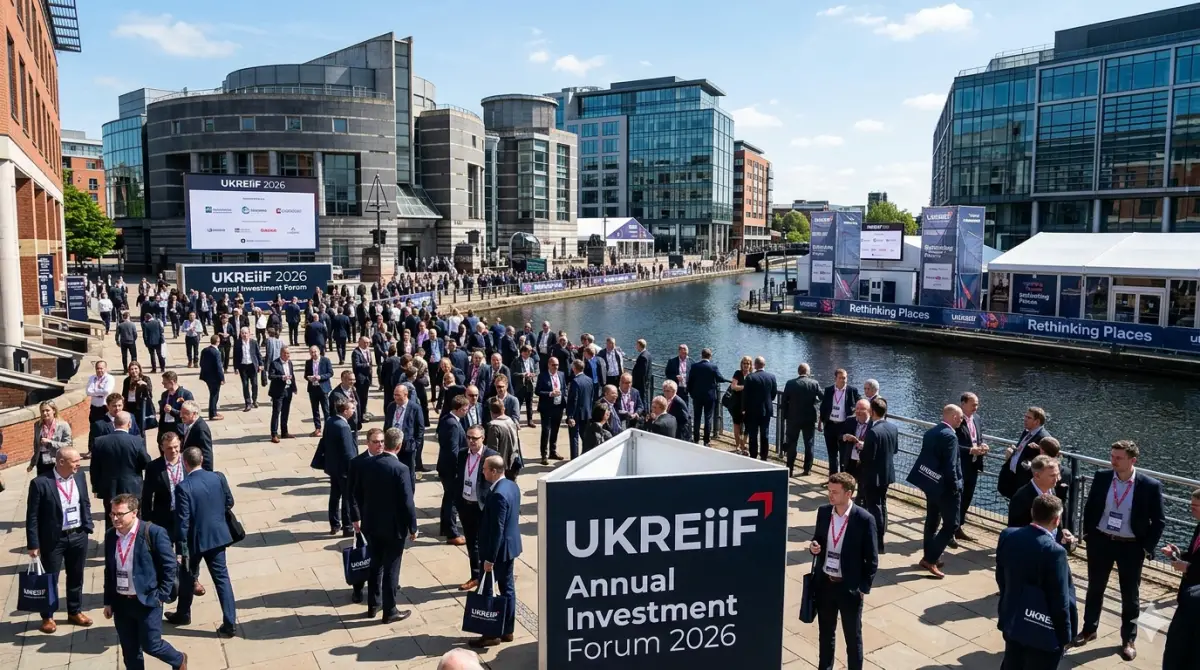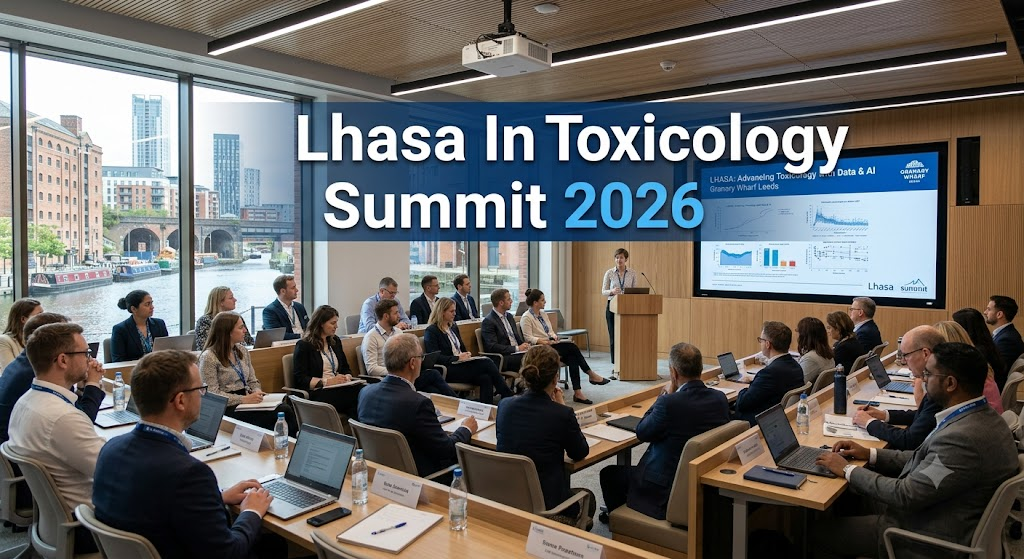
The Lhasa In Silico Toxicology Summit, organized by Lhasa Limited, brings together leading toxicologists, computational scientists, and regulatory experts at Granary Wharf House in Leeds. As pharmaceutical, cosmetic, and chemical industries face growing global demands for rapid, highly accurate, and human-relevant safety assessments, non-animal in silico methodologies have become essential to modern research and development pipelines. This two-day flagship conference offers an authoritative platform to explore cutting-edge developments in predictive computational toxicology, quantitative structure-activity relationship modeling, and automated expert knowledge systems. Delegates will explore how computerized decision-support software accelerates early-stage hazard identification while upholding the highest standards of scientific rigor. By convening international experts in central Leeds, Lhasa Limited reinforces its foundational mission as an educational charity dedicated to advancing collaborative, data-driven science that enables safer chemical decision-making worldwide.
Regulatory Standards and Impurity Risk Evaluation
Navigating complex regulatory expectations requires continuous, transparent alignment between industrial scientists, analytical chemists, and international health authorities. Keynote presentations and specialized technical seminars at the summit focus directly on rapidly evolving regulatory frameworks, including ICH M7 guidelines, ICH Q3E standards, and global requirements for nitrosamine impurity risk evaluation. Distinguished speakers from global regulatory agencies and major pharmaceutical corporations examine practical methodologies for identifying, quantifying, and controlling potential mutagenic impurities during synthesis and formulation. Attendees gain vital clarity on hazard identification workflows, purging calculations, and control strategies required for successful regulatory dossiers. These comprehensive sessions equip research organizations with actionable insights, ensuring regulatory compliance while significantly reducing development delays in drug discovery.
Practical Software Workshops and QSAR Modeling
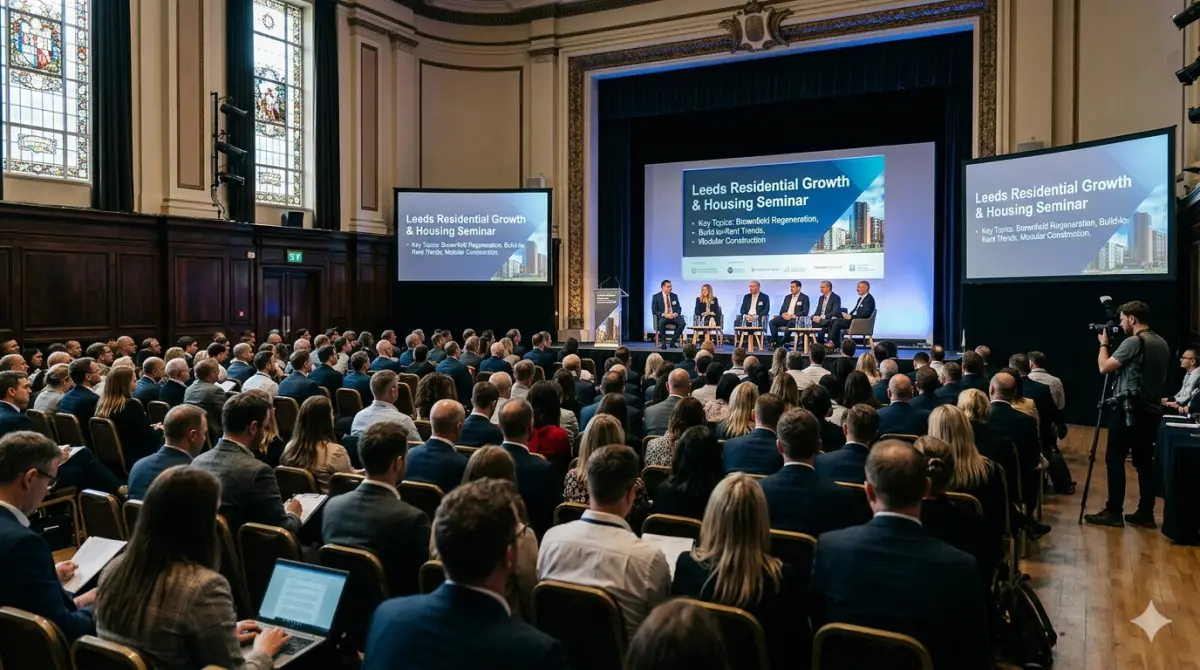
Practical application forms a core element of the summit agenda, affording participants direct experience with state-of-the-art computational software and data analytical tools. Interactive technical workshops demonstrate the practical utility of Lhasa’s industry-leading software platforms, including Derek Nexus, Sarah Nexus, and Mirabilis. Participants engage with real-world case studies involving genotoxicity predictions, degradation pathway mapping, and purge calculations for complex synthetic impurities. Guided by senior application scientists and software developers, attendees navigate complex statistical visualizations, structural alert evaluations, and weight-of-evidence assessments. These hands-on masterclasses empower toxicologists and medicinal chemists to refine their internal in silico workflows, elevate predictive accuracy, and integrate computer-aided reasoning directly into their daily research practices.
Cross-Sector Collaboration and Expert Panels
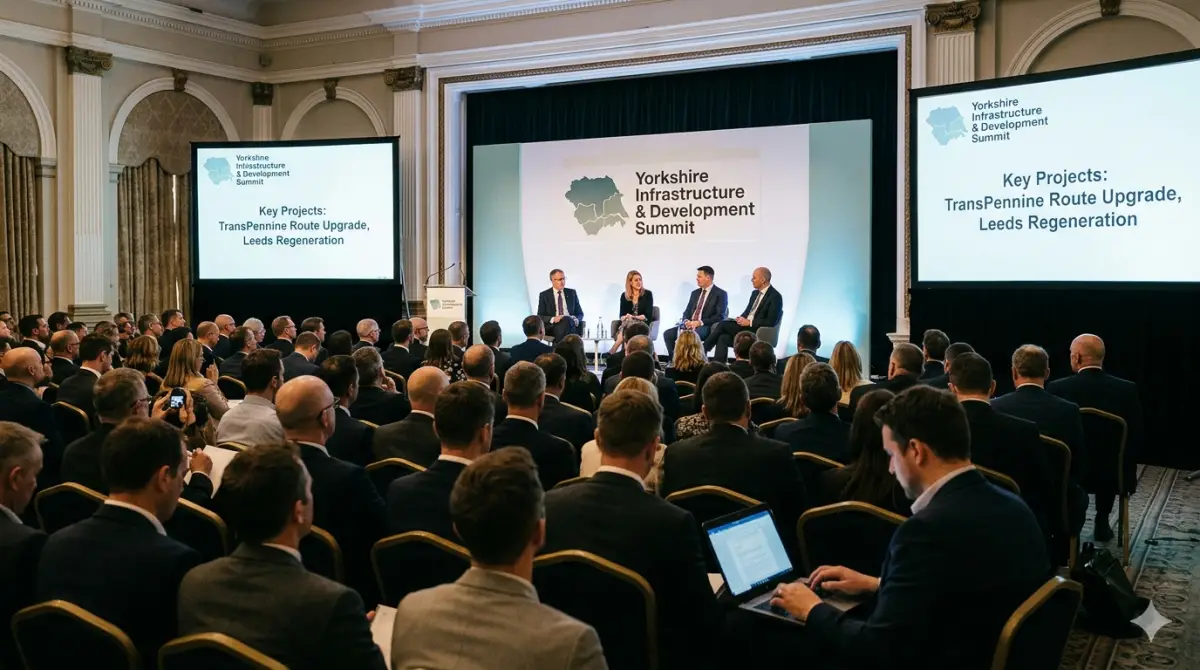
Overcoming complex challenges in chemical risk assessment requires robust, interdisciplinary collaboration across academia, commercial enterprise, and governmental regulatory bodies. The summit features interactive expert panel discussions and open debates designed to dismantle traditional communication barriers between sectors. Panellists address critical topics such as pre-competitive data sharing initiatives, historical negative control data ranges, and the biological interpretation of equivocal experimental results. Special focus is dedicated to how collaborative data pooling protects proprietary information while simultaneously raising scientific safety standards across the entire industry. Audience members are encouraged to actively participate during Q&A sessions, sharing operational challenges and contributing to consensus-driven solutions that will shape the future direction of predictive toxicology.
Networking Horizons and Future Innovations
In addition to the intensive academic and technical agenda, the summit incorporates structured networking sessions tailored to build lasting professional partnerships across the global scientific community. Dedicated poster exhibitions, informal coffee breaks, and an evening networking dinner in central Leeds provide relaxed environments for delegates to exchange operational insights and establish joint research ventures. Concluding plenary sessions summarize key technological takeaways, highlighting artificial intelligence integration, machine learning models, and future horizons in computational safety science. Attendees depart Leeds equipped with advanced scientific knowledge, refined regulatory strategies, and an expanded professional network, ensuring their organizations remain at the forefront of safe chemical innovation and public health protection.
Key Event Highlights
-
Deep-dive technical presentations on QSAR modeling, toxicity prediction, and impurity risk assessment.
-
Expert-led discussions on global regulatory guidelines including ICH M7, ICH Q3E, and nitrosamine risk evaluation.
-
Collaborative panel sessions with international pharmaceutical scientists, toxicologists, and regulatory representatives.
-
Practical demonstrations of Lhasa's state-of-the-art computational software tools such as Derek Nexus, Sarah Nexus, and Mirabilis.
-
Evening networking reception in central Leeds bringing together industry leaders and academic researchers.
Venue & Location Info
Timings
Entry Fees
Event Type
Estimated Turnout & Audience
Community Reviews
James Turner
Sarah Collins
Oliver Bennett
Emma Hughes
How was your experience?
Share your thoughts with the community. Your reviews help others discover the best local events.
Write a Review