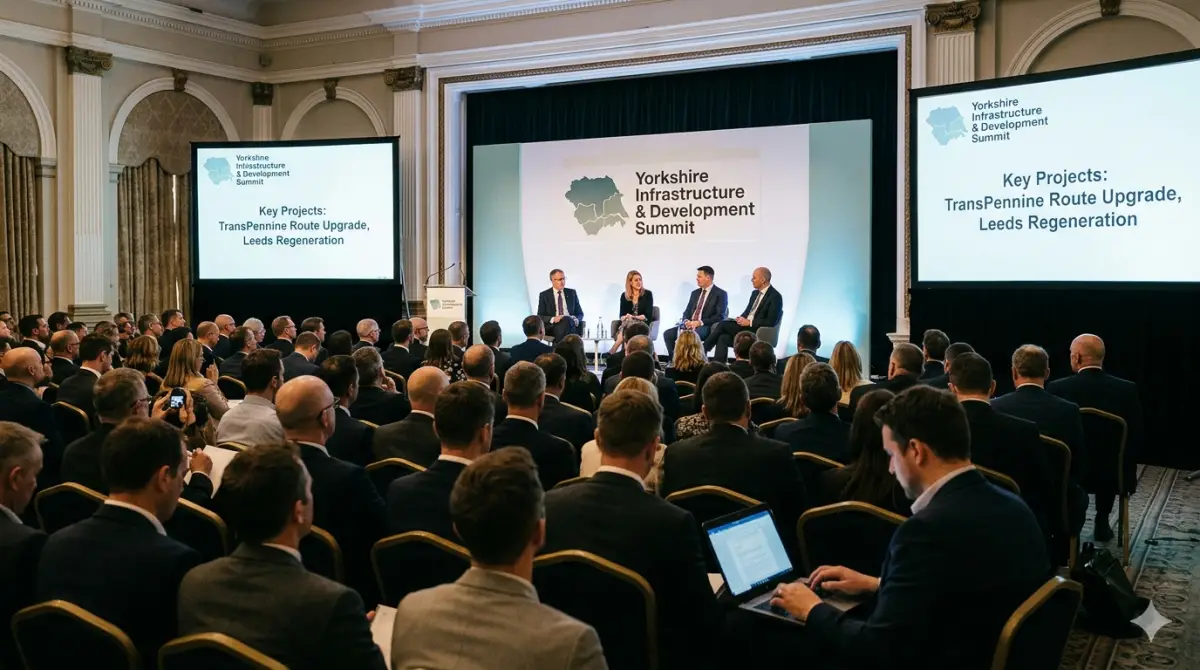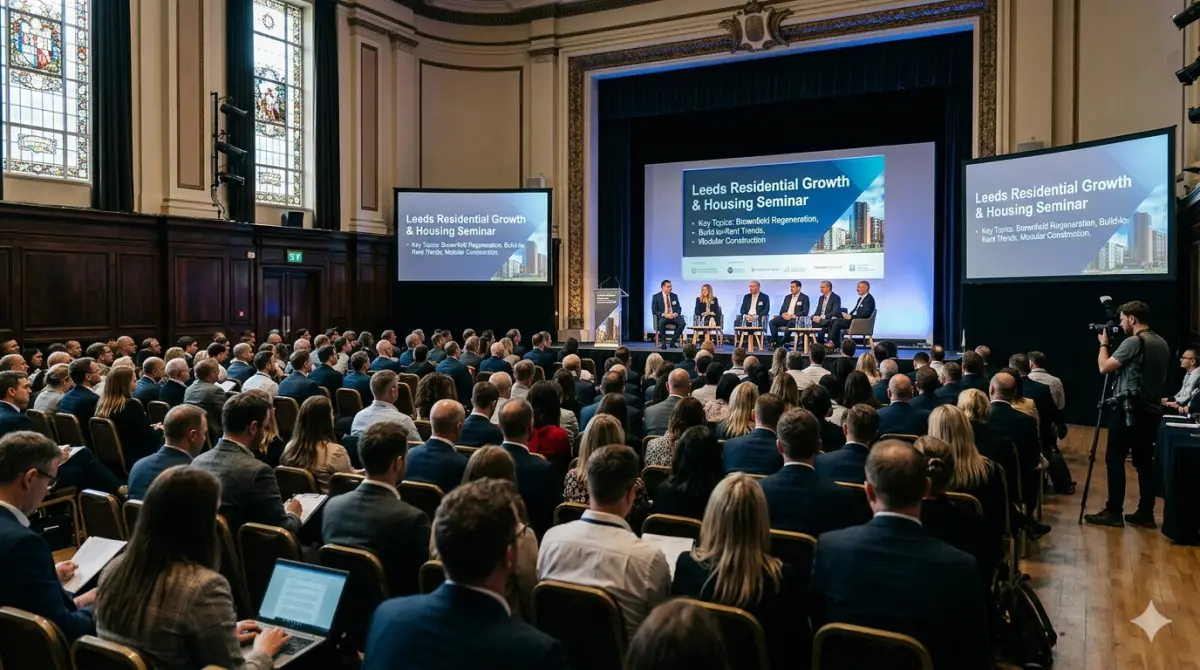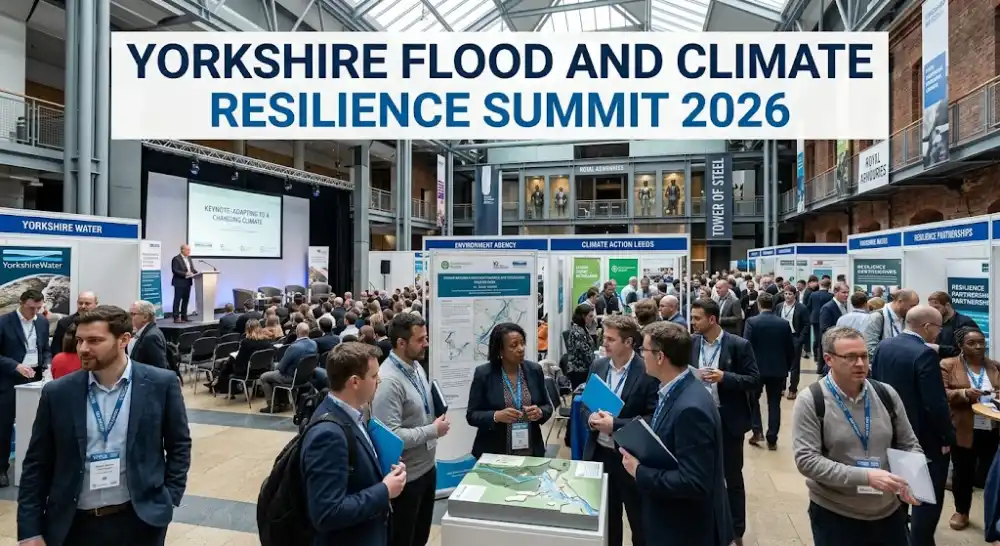
The Yorkshire Flood and Climate Resilience Summit, convened by the University of Hull, brings together leading academic researchers, environmental policy practitioners, civil engineers, and community leaders to address the escalating impacts of climate change across the North of England. Taking place in Leeds at the Royal Armouries Museum, this flagship two-day conference highlights groundbreaking scientific research, innovative policy frameworks, and actionable engineering strategies aimed at building resilient regional infrastructure. As extreme weather events and severe flooding continue to pose significant threats to homes, businesses, and ecosystems throughout Yorkshire, establishing evidence-based mitigation measures has become an urgent priority. The summit provides an essential interdisciplinary forum where researchers from Hull's renowned Energy and Environment Institute share empirical data, predictive forecasting models, and collaborative catchment management techniques with regional decision-makers and environmental stewards.
Pioneering Environmental Research and Modeling
At the core of the conference program is the presentation of cutting-edge environmental science developed by University of Hull researchers. Keynote lectures and technical seminars highlight advanced hydrodynamic modeling, flood risk mapping, and estuarine dynamics, demonstrating how data-driven models can accurately predict water flow patterns and infrastructure vulnerabilities. Attendees explore how spatial analysis tools, remote sensing, and real-time sensor networks are transforming catchment monitoring across Yorkshire rivers. Hull’s academic experts showcase practical applications of these technologies, illustrating how computer simulations assist emergency planners and municipal authorities in designing more responsive flood defense systems. By translating complex academic findings into accessible tools for practitioners, these sessions empower local authorities to optimize capital investments, safeguard vulnerable communities, and mitigate risk effectively.
Catchment Strategies and Nature-Based Solutions
Beyond traditional hard infrastructure, the summit places a strong emphasis on nature-based solutions and holistic catchment management strategies. Expert-led breakout workshops analyze sustainable land management practices, peatland restoration, wetland creation, and natural flood management techniques implemented across Yorkshire watersheds. Facilitators guide participants through real-world case studies detailing how re-wilding upper river catchments and re-introducing natural retention barriers can significantly attenuate peak storm runs and reduce downstream urban flooding. Delegates engage in interactive discussions regarding biodiversity co-benefits, carbon sequestration potential, and financial mechanisms for funding green infrastructure projects. These collaborative sessions give attendees concrete blueprints for implementing nature-based interventions that protect local communities while restoring ecological health across diverse rural and urban landscapes.
Policy Development and Multi-Agency Collaboration
Effective climate adaptation demands seamless coordination across governmental agencies, local authorities, academic institutions, and private industry. The conference features dedicated policy roundtables and panel debates bringing together representatives from the UK Environment Agency, Yorkshire Water, regional councils, and emergency services. Panelists examine strategic planning frameworks, regulatory updates, and funding pathways required to accelerate climate adaptation projects. Special focus is given to inclusive governance, ensuring that vulnerable socio-economic demographics and minority communities are actively integrated into flood resilience planning. By fostering transparent dialogue between scientific researchers and policymakers, the event bridges the gap between academic theory and real-world policy execution, driving a unified, multi-agency response to environmental challenges facing Yorkshire and the wider Humber region.
Empowering Communities and Future Horizons
The final sessions of the summit highlight community empowerment, educational outreach, and long-term climate action planning. Attendees discover innovative public engagement tools, including interactive serious games and virtual reality simulations designed by Hull researchers to increase community flood awareness and emergency readiness. Delegates also participate in structured networking sessions, enabling postgraduate researchers, municipal planners, and environmental consultants to establish long-term professional partnerships and joint research initiatives. The conference concludes with the launch of a collaborative regional action framework aimed at maintaining momentum well beyond the event. Participants leave Leeds equipped with practical knowledge, valuable professional connections, and scalable solutions to build safer, more climate-resilient communities across Yorkshire.
Key Event Highlights
-
Groundbreaking research presentations from the Energy and Environment Institute at the University of Hull on urban flood modeling.
-
Cross-sector collaborative panels featuring leading academic researchers, UK Environment Agency officers, and local government leaders.
-
Interactive workshops on nature-based solutions, catchment management, and community-led climate resilience strategies across Yorkshire.
-
Live demonstrations of cutting-edge flood recovery simulation models and spatial data mapping tools developed by Hull researchers.
-
High-level networking sessions designed to connect academic researchers with regional policy makers, environmental consultants, and infrastructure leaders.
Venue & Location Info
Timings
Entry Fees
Event Type
Estimated Turnout & Audience
Community Reviews
How was your experience?
Share your thoughts with the community. Your reviews help others discover the best local events.