
Discover All Events
Explore 2 premium experiences in all locations
Promoted
List Your Next Big Event
Reach millions of attendees by showcasing your conferences, workshops, or exhibitions on the world's most trusted event platform.
Create Your Event Now
FEATURED
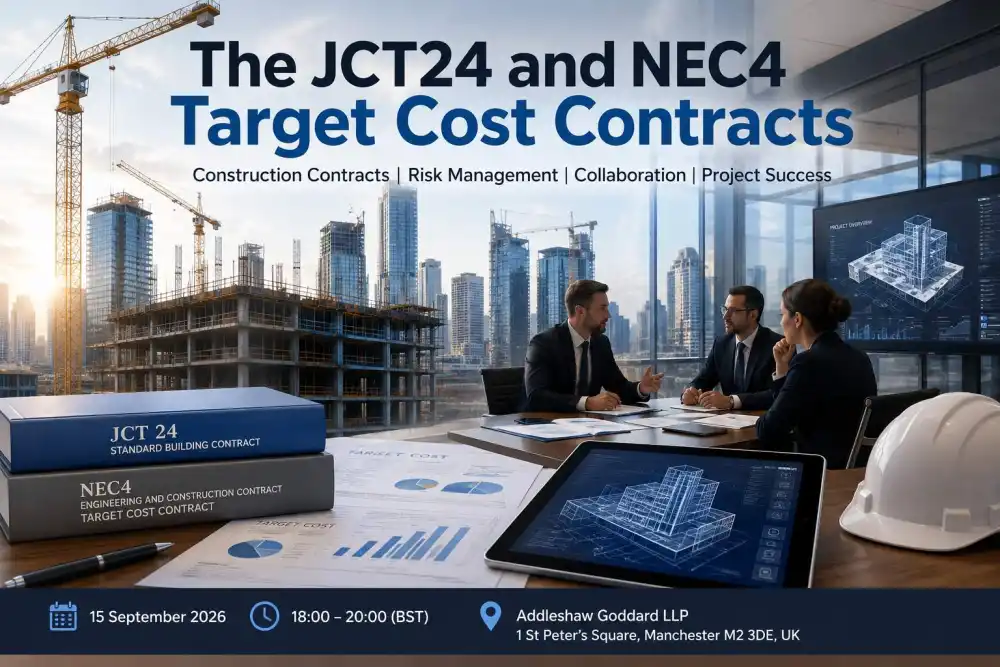
The JCT24 and NEC4 Target Cost Contracts
The construction industry is constantly evolving to meet the demands of increasingly complex projects, stricter regulations, and greater expectations for collaboration. Standard forms of construction contracts continue to play a vital role in ensuring projects are delivered efficiently while balancing risk among all stakeholders. The Society of Construction Law (SCL) presents The JCT24 and NEC4 Target Cost Contracts seminar to provide construction professionals with valuable insights into the latest developments in contract management and procurement strategies. This specialist event brings together experienced legal professionals, contract experts, engineers, and project leaders to discuss practical applications of the newest contract provisions and their impact on construction projects across the United Kingdom.
Society of Construction Law
The Society of Construction Law is one of the UK's leading professional organizations dedicated to promoting education, research, and best practices in construction law. Through conferences, seminars, networking events, and publications, the Society supports professionals working in legal, engineering, architectural, commercial, and project management roles. Its events are recognized for delivering practical knowledge that can be immediately applied to real-world construction projects.
Understanding JCT24 Contracts
The latest edition of the Joint Contracts Tribunal (JCT24) contracts introduces several important updates designed to reflect modern construction practices. These revisions address collaborative working, digital construction methods, sustainability requirements, and changes in legislation affecting the construction industry.
During this seminar, delegates will gain a comprehensive understanding of the key amendments within JCT24 and learn how these changes influence project delivery, procurement decisions, and contractual obligations.
Industry experts will explain how JCT24 supports better project governance while maintaining flexibility for various construction procurement methods.
Exploring NEC4 Target Cost Contracts
NEC4 Target Cost Contracts continue to gain popularity for infrastructure, public sector, and complex commercial projects. These contracts promote collaboration, transparency, and proactive risk management between employers and contractors.
The seminar provides practical guidance on how target cost contracts operate, including:
Establishing target costs
Managing compensation events
Cost-sharing mechanisms
Risk allocation
Performance monitoring
Early warning procedures
Delegates will understand how NEC4 encourages teamwork while reducing disputes through effective communication and collaborative problem-solving.
Comparing JCT24 and NEC4
One of the major attractions of this seminar is the detailed comparison between the two most widely used construction contract families.
Expert speakers will discuss differences relating to:
Contract administration
Payment procedures
Risk allocation
Programme management
Variations
Delay management
Compensation events
Dispute resolution
Collaboration requirements
Cost certainty
This comparison helps attendees determine which contract is most appropriate for different project types and procurement strategies.
Practical Contract Administration
Successful projects rely on effective contract administration throughout every project stage.
The seminar explores practical techniques for:
Managing project documentation
Monitoring contractual obligations
Handling design changes
Managing contractor performance
Maintaining accurate project records
Preventing contractual disputes
Improving communication among stakeholders
Real-world examples demonstrate how proper administration can significantly improve project outcomes.
Managing Construction Risks
Every construction project involves commercial, technical, financial, and legal risks.
Speakers explain practical methods for managing risks through well-structured contract provisions.
Topics include:
Cost escalation
Supply chain disruption
Programme delays
Labour shortages
Material price inflation
Design responsibility
Contractual liabilities
Extension of time procedures
Understanding these risks enables organizations to reduce uncertainty while protecting project budgets and delivery schedules.
Procurement Strategies
Choosing the appropriate procurement strategy remains one of the most important decisions in any construction project.
The seminar examines how both JCT24 and NEC4 contracts support different procurement approaches, including:
Traditional procurement
Design and Build
Construction Management
Management Contracting
Collaborative procurement
Target Cost procurement
Delegates learn how procurement decisions directly influence project risk, cost control, and overall performance.
Learning from Industry Experts
The seminar features experienced professionals from construction law, engineering, quantity surveying, project management, and commercial management.
Presenters share:
Practical project experience
Contract negotiation strategies
Lessons learned from major projects
Recent legal developments
Best practice recommendations
Current industry trends
Attendees benefit from knowledge gained through years of professional experience across the construction sector.
Case Studies and Practical Examples
Theory alone cannot prepare professionals for complex construction projects.
Throughout the seminar, speakers present practical case studies demonstrating how contractual decisions influence project success.
Examples include:
Managing project variations
Handling compensation events
Resolving contractual disagreements
Improving collaboration
Controlling project costs
Managing unforeseen risks
These practical examples help delegates understand how contractual principles operate in real construction environments.
Avoiding Construction Disputes
Dispute avoidance is a major objective of modern construction contracts.
The seminar explains strategies for preventing disagreements before they develop into costly legal proceedings.
Topics include:
Early communication
Collaborative working
Clear contractual responsibilities
Proper documentation
Effective project management
Timely decision making
Delegates learn practical methods for maintaining positive working relationships throughout project delivery.
Professional Networking Opportunities
Beyond the technical presentations, the event offers excellent networking opportunities.
Attendees can connect with:
Construction lawyers
Engineers
Quantity surveyors
Project managers
Contractors
Consultants
Commercial managers
Employers
Developers
Industry academics
These discussions often lead to valuable professional relationships and knowledge sharing across the industry.
Who Should Attend?
This seminar is ideal for professionals involved in construction procurement, contract management, and project delivery.
Suitable attendees include:
Construction Lawyers
Solicitors
Barristers
Engineers
Quantity Surveyors
Contract Managers
Project Managers
Commercial Managers
Architects
Developers
Contractors
Consultants
Procurement Specialists
Infrastructure Professionals
Local Authority Representatives
Key Benefits of Attending
Participants will leave the seminar with:
Better understanding of JCT24 updates
Greater confidence using NEC4 Target Cost Contracts
Practical contract administration skills
Improved risk management knowledge
Better procurement decision-making abilities
Enhanced dispute avoidance techniques
Knowledge of current legal developments
Professional networking opportunities
Continuing Professional Development (CPD)
Actionable insights applicable to live construction projects
Why This Seminar Matters
Construction projects continue to increase in complexity due to technological innovation, sustainability objectives, digital construction methods, and changing regulatory requirements.
Professionals responsible for delivering successful projects must understand how modern contracts allocate responsibility, manage commercial risks, and encourage collaboration.
The JCT24 and NEC4 Target Cost Contracts seminar provides practical knowledge that enables organizations to improve project performance, strengthen contractual compliance, reduce disputes, and achieve better commercial outcomes.
Register Early
As Society of Construction Law seminars regularly attract professionals from across the United Kingdom, early registration is recommended. Whether you are an experienced construction lawyer or a project manager seeking to strengthen your contractual knowledge, this seminar offers valuable learning, practical guidance, and networking opportunities that will benefit your professional development and future construction projects.
Addleshaw Goddard LLP,
Leicester
36
0
FEATURED
Oct 06, 2026
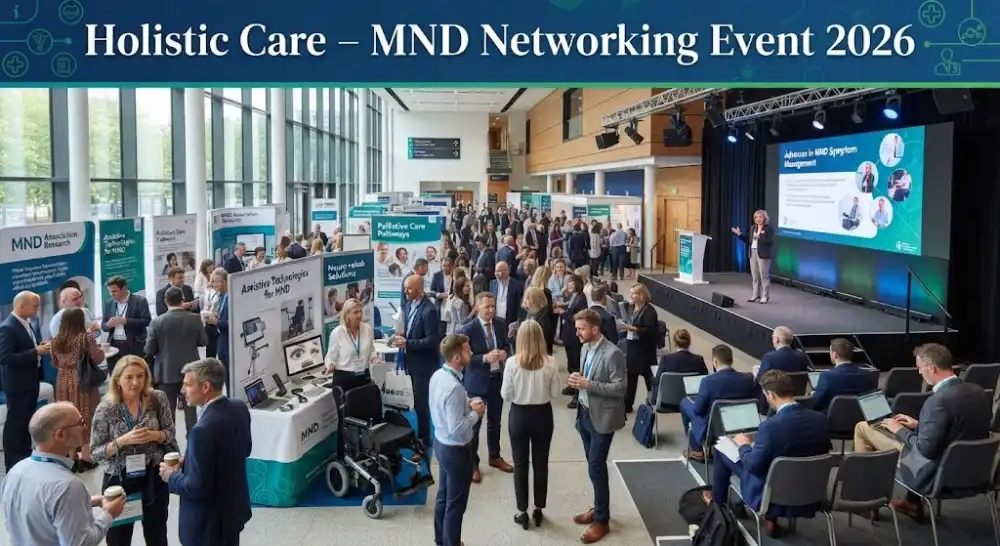
Holistic Care – MND Networking Event
The Holistic Care – MND Networking Event 2026 is one of the United Kingdom's leading professional healthcare conferences dedicated to improving the care and support of people living with Motor Neurone Disease (MND). Organised by the Motor Neurone Disease Association, this annual event brings together healthcare professionals, researchers, educators, and clinical specialists to share knowledge, discuss best practices, and explore innovative approaches to patient-centred care.
Motor Neurone Disease is a progressive neurological condition that affects movement, speech, swallowing, and breathing. As the disease progresses, patients require coordinated support from multidisciplinary healthcare teams. This conference is designed to strengthen collaboration between professionals while equipping attendees with practical skills, evidence-based knowledge, and valuable networking opportunities.
Why Attend This Event?
Healthcare professionals working with people living with MND face complex clinical, emotional, and ethical challenges every day. This conference provides an opportunity to learn directly from leading experts while engaging in practical discussions focused on improving patient outcomes.
Delegates will gain valuable insights into current clinical guidelines, multidisciplinary care models, symptom management, assistive technologies, nutritional support, respiratory care, communication strategies, and palliative care planning.
Beyond education, the event encourages meaningful networking among professionals from hospitals, hospices, community healthcare services, universities, and specialist neurological centres across the UK.
The Motor Neurone Disease Association
The Motor Neurone Disease Association is the UK's leading charity dedicated to improving care, funding research, and supporting individuals affected by Motor Neurone Disease. For decades, the organisation has worked alongside healthcare professionals, researchers, volunteers, and policymakers to improve diagnosis, treatment, and quality of life for people living with MND.
Its educational programmes are recognised throughout the healthcare sector for promoting excellence in multidisciplinary care and encouraging continuous professional development.
Conference Theme: Holistic Care from Beginning to End
The central theme of the conference focuses on delivering holistic care throughout every stage of the patient journey.
Rather than concentrating only on medical treatment, holistic care recognises the physical, emotional, psychological, nutritional, social, and spiritual needs of individuals living with Motor Neurone Disease.
Throughout the conference, speakers will demonstrate how coordinated healthcare services can significantly improve patient wellbeing while supporting family members and caregivers.
Expert Keynote Presentations
Delegates will hear from nationally recognised clinicians, neurologists, researchers, and specialist nurses who have extensive experience managing Motor Neurone Disease.
Keynote presentations will cover:
Advances in MND clinical practice
Improving multidisciplinary collaboration
Compassionate patient-centred care
Emerging research developments
Future healthcare strategies
These sessions provide attendees with evidence-based guidance that can immediately be applied within clinical settings.
Interactive Educational Sessions
One of the highlights of the event is its practical learning approach.
Delegates can participate in interactive educational sessions covering important aspects of Motor Neurone Disease care, including:
Clinical Assessment
Healthcare professionals will learn updated approaches for recognising disease progression, assessing patient needs, and planning personalised care.
Respiratory Care
Experts will discuss ventilation options, respiratory assessments, symptom monitoring, and long-term respiratory support.
Nutrition and Swallowing
Specialists will explain nutritional interventions, PEG feeding decisions, swallowing assessments, and hydration management.
Communication Support
Sessions explore communication technologies, speech therapy interventions, and digital assistive devices for patients experiencing speech difficulties.
End-of-Life Care
Experts will discuss advance care planning, symptom management, ethical considerations, and supporting families during palliative care.
Multidisciplinary Team Collaboration
Successful management of Motor Neurone Disease depends on collaboration between many healthcare disciplines.
This conference brings together:
Neurologists
Clinical Nurse Specialists
Physiotherapists
Occupational Therapists
Speech and Language Therapists
Dietitians
Respiratory Specialists
Psychologists
Palliative Care Teams
Researchers
The event encourages open discussion, shared experiences, and collaborative learning among all healthcare professionals involved in MND care.
Practical Workshops
Hands-on workshops provide delegates with opportunities to develop practical clinical skills.
Workshop topics include:
Patient mobility solutions
Safe moving and handling
Wheelchair adaptations
Assistive technologies
Communication equipment
Environmental controls
Home care planning
Clinical decision-making
These workshops allow attendees to gain confidence through practical demonstrations and real-world scenarios.
Research and Innovation
Medical research continues to improve our understanding of Motor Neurone Disease.
Conference sessions highlight:
Current UK research projects
Clinical trial updates
Innovative therapies
Emerging technologies
Digital healthcare solutions
Future treatment possibilities
Researchers will share recent findings while discussing how scientific discoveries can improve patient care.
Supporting Families and Caregivers
Motor Neurone Disease affects entire families, not just individuals diagnosed with the condition.
Healthcare professionals attending this conference will learn strategies for:
Supporting caregivers
Improving communication
Reducing emotional stress
Providing psychological support
Delivering compassionate care
These sessions help professionals understand the wider impact of the disease and improve family-centred care.
Ethical Decision-Making in MND Care
Healthcare professionals frequently encounter difficult ethical situations while caring for patients with Motor Neurone Disease.
Conference discussions include:
Advance care planning
Patient autonomy
Withdrawal of treatment
Capacity assessments
Legal considerations
End-of-life decision-making
These sessions provide practical guidance for managing complex clinical situations with professionalism and compassion.
Exhibition Area
Alongside the educational programme, delegates can visit a specialist exhibition featuring organisations that provide products and services supporting people living with Motor Neurone Disease.
The exhibition includes:
Medical equipment
Mobility aids
Wheelchairs
Communication devices
Respiratory technology
Nutrition products
Healthcare software
Rehabilitation services
Visitors can meet suppliers, ask questions, and explore the latest healthcare innovations.
Networking Opportunities
Networking is one of the most valuable aspects of the conference.
Delegates will have multiple opportunities to connect with professionals from across the UK healthcare community.
Networking sessions encourage participants to:
Share clinical experiences
Build professional relationships
Exchange best practices
Discover collaborative opportunities
Expand healthcare networks
These connections often continue beyond the conference, strengthening multidisciplinary care across healthcare organisations.
Professional Development Benefits
Attending this conference contributes to continuous professional development (CPD).
Benefits include:
CPD-accredited learning
Certificate of attendance
Updated clinical knowledge
Practical skill development
Leadership opportunities
Evidence-based education
Healthcare professionals can use these achievements to support career progression and maintain professional standards.
Who Should Attend?
This event is ideal for:
Neurologists
Specialist Nurses
Physiotherapists
Occupational Therapists
Speech and Language Therapists
Dietitians
Respiratory Specialists
Researchers
Healthcare Managers
Medical Students
Community Healthcare Professionals
Hospice Teams
Anyone involved in the care of people living with Motor Neurone Disease will benefit from attending.
Key Benefits of Attending
Participants can expect to:
Learn from leading UK MND specialists.
Discover the latest clinical research.
Improve patient care skills.
Build multidisciplinary partnerships.
Explore innovative healthcare technologies.
Earn valuable CPD credits.
Gain practical clinical experience.
Network with healthcare professionals.
Enhance communication strategies.
Improve holistic patient management.
Venue Experience
The conference takes place at the National Conference Centre in Solihull, one of the UK's premier conference venues.
Delegates can enjoy:
Modern lecture theatres
Comfortable meeting rooms
Professional exhibition spaces
Accessible facilities
On-site dining
Excellent transport links
Convenient parking
High-quality conference services
The venue creates an ideal environment for learning, collaboration, and professional networking.
Wrapping Up
The Holistic Care – MND Networking Event 2026 is more than a healthcare conference—it is a collaborative platform dedicated to improving the lives of people affected by Motor Neurone Disease. By combining expert education, practical workshops, research updates, multidisciplinary collaboration, and professional networking, the event empowers healthcare professionals to deliver exceptional patient-centred care.
Whether you are an experienced neurologist, specialist nurse, allied health professional, researcher, or healthcare manager, attending this conference offers valuable opportunities to enhance your knowledge, strengthen professional connections, and contribute to the future of MND care across the United Kingdom.
National Conference Centre,
Northampton
20
0
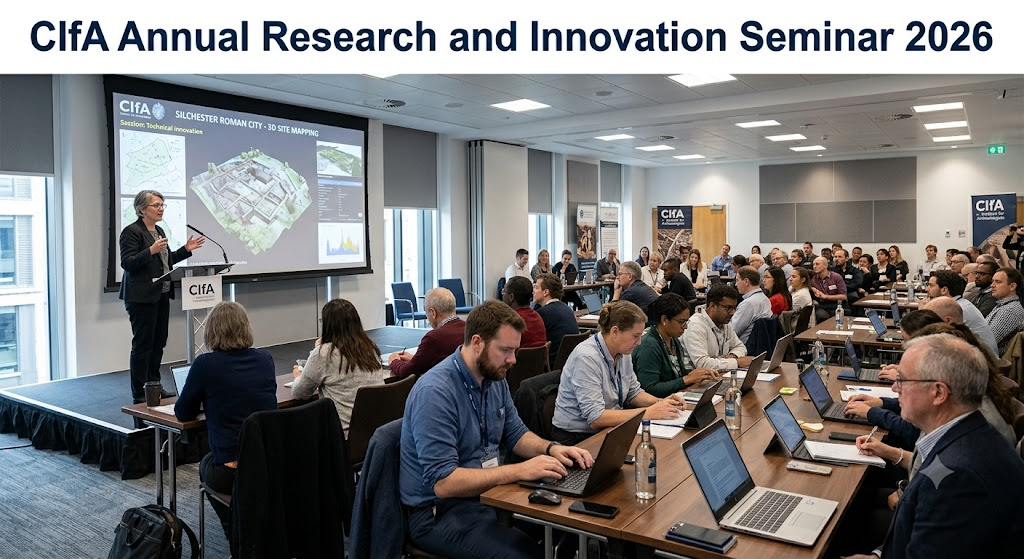
CIfA Annual Research and Innovation Seminar 2026
The Chartered Institute for Archaeologists (CIfA) is proud to present its highly anticipated annual gathering in Reading, UK. The CIfA Annual Research and Innovation Seminar 2026 is designed as a pivotal platform for professionals across the heritage, research, and environmental sectors to explore current trends and state-of-the-art technological advancements impacting modern archaeology. Taking place after the summer peak, this comprehensive single-day event will showcase how cross-disciplinary innovation can actively transform field standards, commercial workflows, and heritage protection. Participants will join industry thought leaders, academic researchers, and technological pioneers to debate the expanding role of professional archaeology within sustainable development frameworks, planning policies, and public benefit initiatives.
Embracing Advanced Technologies in Fieldwork
A primary focus of this year's seminar is the integration of advanced digital tools into daily archaeological workflows. Keynote presentations will dissect the evolving use of autonomous aerial vehicles (drones), high-definition 3D laser scanning, and artificial intelligence models optimized for predictive site mapping. These technical sessions aim to provide concrete frameworks for standardizing digital data collection, aligning closely with recent CIfA guidelines and environmental research objectives. Attendees will gain direct insight into how digital twin technology can safeguard historic structures against rapid urban developments and shifting climate risks. Expert panels will address practical mitigation strategies for data preservation, ensuring that digital archives remain accessible, secure, and standardized for generations to come.
Standardizing Practice and Regulatory Frameworks
Beyond technical methodologies, the seminar places major emphasis on regulatory evolution, planning policies, and industry standardizations in the UK. Sessions will delve into the newly introduced UK Standard Industrial Classification for archaeology and evaluate the direct operational impacts of recent good practice guidelines, such as those concerning renewable energy sites and solar farm developments. Leading spatial planning advisors and professional advocates will guide interactive debates regarding the defense of local government heritage services during macroeconomic shifts. This segment is indispensable for professionals seeking to align their fieldwork practices with rigorous legal requirements, code compliance, and institutional expectations, ultimately enhancing project quality while safely managing legal liabilities.
Ethics, Public Engagement, and Professional Sustainability
The concluding modules of the seminar shift the focus toward human-centric aspects of the discipline. As public interest in tangible history intensifies, establishing effective methodologies for community archaeology and collaborative public benefit becomes paramount. Renowned practitioners will present detailed case studies highlighting how inclusive public engagement directly generates measurable social value. Concurrently, the seminar will champion the critical welfare and operational challenges highlighted by the CIfA networks, addressing systemic workplace sustainability, early-career support structures, and heatwave health compliance policies. Through these integrated dialogues, attendees will leave not only with upgraded technical competencies but also with a holistic view of ethical responsibility, inclusivity, and professional resilience in a demanding industry landscape.
CIfA Headquarters & Conference Suites,
Reading
22
0
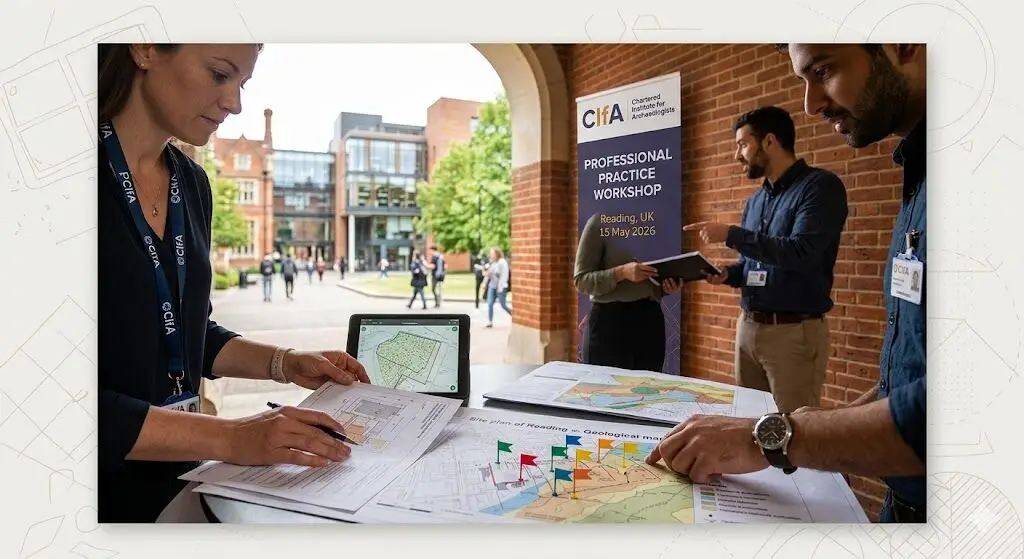
CIfA Professional Practice Workshop Reading
The Chartered Institute for Archaeologists (CIfA) is proud to present the "Professional Practice Workshop," an intensive, in-person training event designed to elevate the standards of archaeological practice in the UK. Set against the backdrop of the University of Reading—a hub for archaeological research—this workshop focuses on the intersection of professional ethics, technical standards, and the evolving regulatory landscape of the historic environment.
As the professional body for archaeologists, CIfA is committed to ensuring that practitioners have the tools they need to navigate the complexities of development-led archaeology and heritage management. This session will dive deep into the CIfA Code of Conduct, providing practical case studies on ethical decision-making in the field and the office. Attendees will participate in breakout groups to discuss the "Standards and Guidance" documents that underpin the profession, specifically focusing on updated protocols for desk-based assessments and field evaluations.
The workshop also addresses the "Climate Emergency" within archaeology, exploring how practitioners can implement carbon-reduction plans and sustainable excavation strategies. Experts from CIfA’s various Special Interest Groups (SIGs) will be on hand to provide guidance on career progression, from achieving Practitioner (PCIfA) status to becoming a Fellow (MCIfA).
Whether you are a field archaeologist looking to solidify your technical knowledge, a project manager overseeing complex heritage assets, or a student aiming to enter the workforce with a competitive edge, this event offers unparalleled networking opportunities. You will engage directly with the CIfA executive team and fellow professionals to discuss the future of the sector, the impact of new planning legislations, and the importance of public benefit in archaeological work. The day concludes with a networking reception, allowing for informal discussion and the building of professional connections within the Reading and wider Thames Valley archaeological community.
University of Reading, Whiteknights Campus,
Reading
93
0
- Prev
- 1
- Next
Share This Page
My Page
Scan QR to open
Barcode