
Discover All Events
Explore 5 premium experiences in all locations
Promoted
List Your Next Big Event
Reach millions of attendees by showcasing your conferences, workshops, or exhibitions on the world's most trusted event platform.
Create Your Event Now
FEATURED
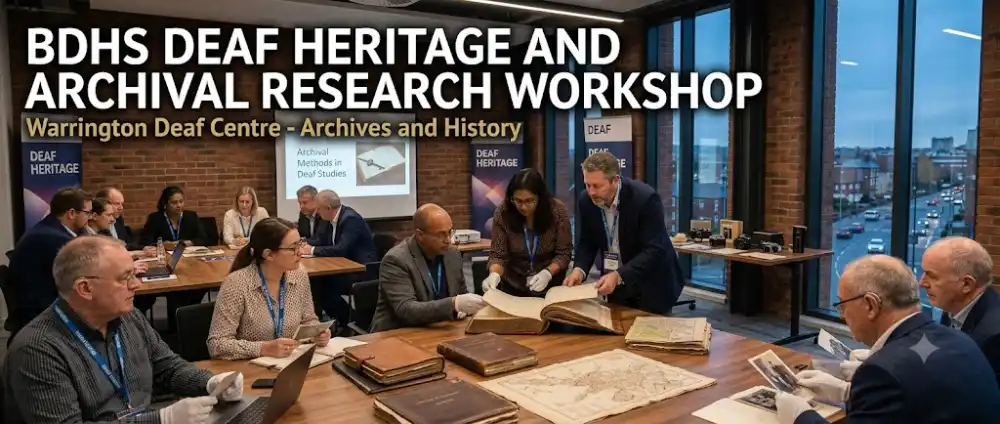
BDHS Deaf Heritage and Archival Research Workshop
Uncovering Centuries of Rich Deaf Heritage and Culture
The British Deaf History Society (BDHS) is delighted to present the BDHS Deaf Heritage and Archival Research Workshop, an engaging full-day gathering hosted at the Warrington Deaf Centre. Established in 1993, the British Deaf History Society has served as the foremost national organization dedicated to discovering, preserving, and sharing the vibrant history, culture, and language of Deaf people across Great Britain. Taking place on 10th October 2026, this specialist workshop brings together academic researchers, local community historians, British Sign Language (BSL) advocates, and curious members of the public. Designed to foster deep appreciation and systematic preservation of Deaf heritage, the event offers delegates an unparalleled opportunity to explore historical documents, understand past social developments, and learn how to collect and safeguard community stories.
Mastering Archival Techniques and Historical Records
Led by experienced historians and veteran archivists, the educational modules will focus on practical techniques for researching Deaf history within public libraries, national archives, and private collections. Attendees will discover how early residential schools, regional Deaf clubs, and charitable societies established distinct cultural networks throughout the eighteenth, nineteenth, and twentieth centuries. Facilitators will provide practical demonstrations on handling fragile paper records, digitizing vintage photograph collections, and recording oral and signed histories. Whether you are conducting academic research, writing a book, or exploring your own family lineage, these sessions provide the methodical tools required to unearth, analyze, and preserve historic narratives that have long been overlooked in mainstream historical accounts.
Celebrating BSL Evolution and Community Identity
A significant portion of the workshop program is dedicated to the linguistic evolution and social recognition of British Sign Language (BSL). Guest speakers will trace how visual-gestural communication developed across different regions of the UK, forming rich linguistic dialects and cultural bonds within Deaf communities. Interactive small-group roundtables will explore how historic milestones—such as the recognition of BSL and evolving educational policies—have affected identity and rights over time. Fully accessible with live BSL interpretation and electronic speech-to-text reporting throughout the day, the workshop creates an inclusive environment where Deaf and hearing attendees can exchange insights, compare research findings, and collaborate on future heritage projects.
Warrington Deaf Centre,
Warrington
5
0
FEATURED

Nov 15 - 20, 2026
London Life Sciences Week 2026
London Life Sciences Week 2026 is a major UK-based gathering that brings together professionals from across the healthcare, biotechnology, pharmaceutical, investment, and research sectors. The event creates a platform for collaboration, knowledge sharing, and business development within the rapidly evolving life sciences industry.
The week-long programme includes multiple conferences, networking sessions, innovation showcases, and industry discussions designed to connect scientists, entrepreneurs, investors, healthcare leaders, and technology specialists.
The event reflects the strength of the UK life sciences ecosystem and provides opportunities for organisations involved in drug discovery, healthcare technology, medical research, and biotechnology development.
Importance of the Event for Life Sciences Professionals
The healthcare sector is experiencing significant transformation due to advances in biotechnology, artificial intelligence, precision medicine, and digital healthcare solutions. London Life Sciences Week provides an environment where professionals can understand these developments and explore opportunities for collaboration.
For companies such as Concept Life Sciences, events like this offer valuable opportunities to connect with pharmaceutical organisations, biotechnology companies, and research communities. Concept Life Sciences supports drug discovery, development programmes, analytical services, and scientific innovation, making UK life sciences networking platforms highly relevant for industry engagement.
Networking With Industry Leaders
The event attracts professionals from different areas of the healthcare ecosystem. Attendees can meet pharmaceutical executives, biotechnology founders, researchers, healthcare investors, and scientific experts.
Building strong industry relationships helps organisations identify collaboration opportunities, share expertise, and develop partnerships that support future innovation.
Discovering Healthcare Innovations
Participants can explore new technologies and research approaches shaping the future of medicine. Topics often include:
Biotechnology advancements
Drug discovery solutions
Healthcare digital transformation
AI-powered medical research
Clinical development strategies
These discussions help professionals understand where the industry is heading and how organisations can adapt.
Supporting Pharmaceutical Development
Life sciences companies require strong partnerships to successfully develop new medicines and healthcare solutions. Events like London Life Sciences Week encourage collaboration between research organisations, pharmaceutical companies, and service providers.
Professionals can discuss challenges related to development timelines, scientific research, regulatory requirements, and commercialisation strategies.
Connecting Investors and Innovators
The event provides opportunities for investors and innovators to explore emerging healthcare businesses. Biotechnology startups and research organisations can showcase ideas, while investors can discover new opportunities within the healthcare sector.
Who Should Attend?
London Life Sciences Week 2026 is suitable for:
Pharmaceutical executives
Biotechnology companies
Healthcare technology specialists
Scientific researchers
Medical innovation organisations
Investors and venture capital firms
University researchers
Healthcare policymakers
Why Attend London Life Sciences Week 2026?
The event provides a valuable opportunity to stay updated with healthcare developments while creating meaningful professional connections.
Attendees can:
Learn from industry experts
Discover new healthcare technologies
Build partnerships
Explore investment opportunities
Strengthen professional networks
The UK remains one of the strongest global centres for life sciences research and innovation. Events held in London provide access to a diverse community of scientists, entrepreneurs, healthcare professionals, and business leaders.
Wrapping Up
London Life Sciences Week 2026 represents an important opportunity for professionals involved in healthcare, biotechnology, pharmaceuticals, and scientific research. With its focus on innovation, collaboration, and industry networking, the event supports the continued growth of the UK life sciences sector.
For organisations like Concept Life Sciences, participation in UK-based life sciences events helps strengthen connections with research communities, pharmaceutical businesses, and healthcare innovators.
Multiple Venues Across London,
Dundee
47
0
Jun 16, 2026
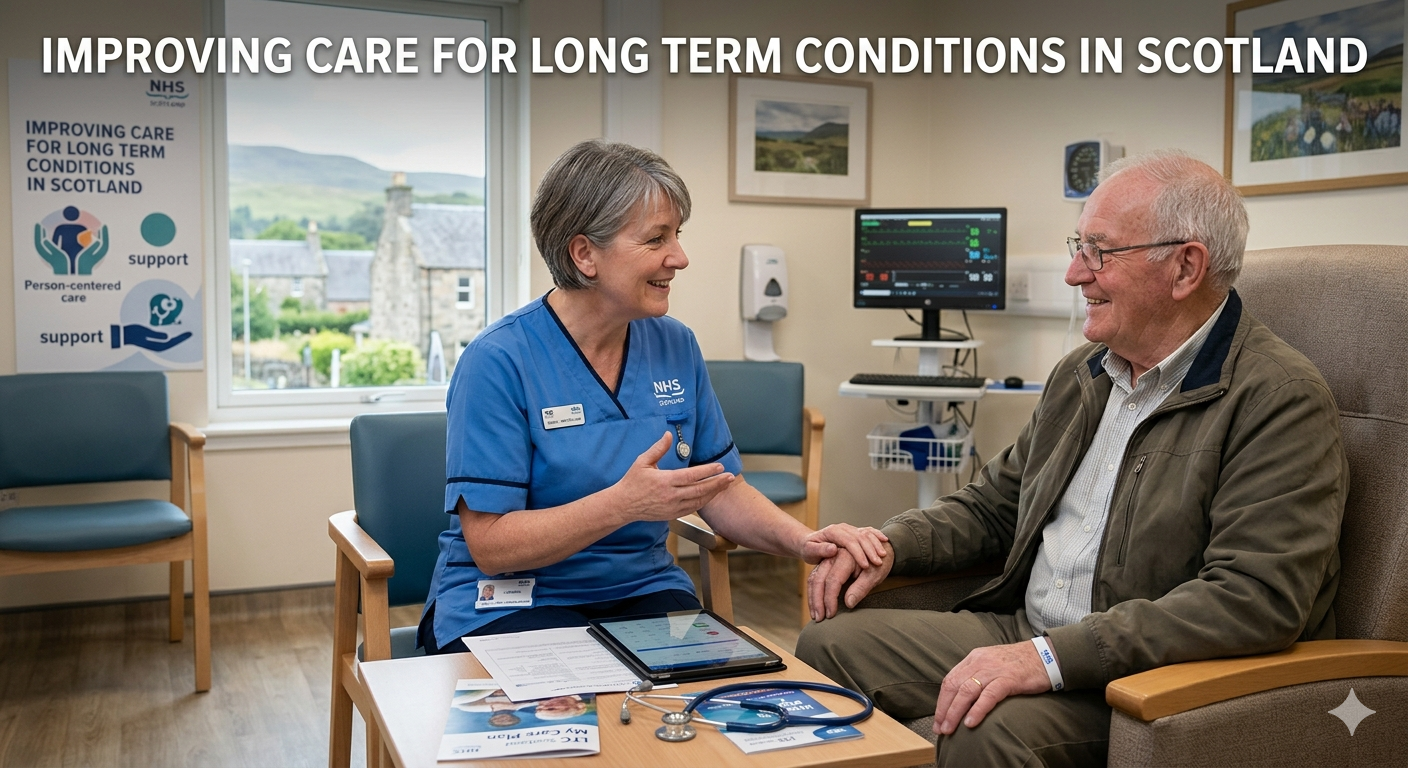
Improving Care for Long Term Conditions in Scotland
As of 2026, over a third of Scotland’s population is living with at least one long-term health condition, a statistic that places immense and sustained pressure on the NHS and social care systems. This critical conference addresses the urgent need for a more unified, cross-cutting framework of care that can adapt to the rising tide of multi-morbidity—where patients are managing multiple complex conditions simultaneously. The current model of fragmented, single-disease focused care is no longer sustainable, and this forum seeks to explore the practical shifts required to deliver more equitable and integrated support across all Scottish regions.
The program focuses on turning strategic high-level ambition into tangible frontline change. We will examine the role of data-driven preventative care and the integration of digital health tools that allow for better remote monitoring and patient self-management. A significant portion of the day is dedicated to addressing the "postcode lottery" of care, looking at how health boards can harmonize their provision to ensure that a patient in the Highlands receives the same quality of multi-disciplinary support as one in the Central Belt.
Delegates will hear from clinical leads, policy architects, and patient advocacy groups who are pioneering new ways of working. We will discuss the impact of the latest Scottish Government health frameworks and how community-based assets can be better utilized to reduce avoidable hospital admissions. With the workforce under continued strain, the conference also highlights the importance of supporting the wellbeing of carers and staff. This event is an essential briefing for health and social care professionals committed to redesigning services that are fit for the demographic realities of 2026 and beyond.
Online Interactive Platform,
Edinburgh
80
0
Jun 09, 2026
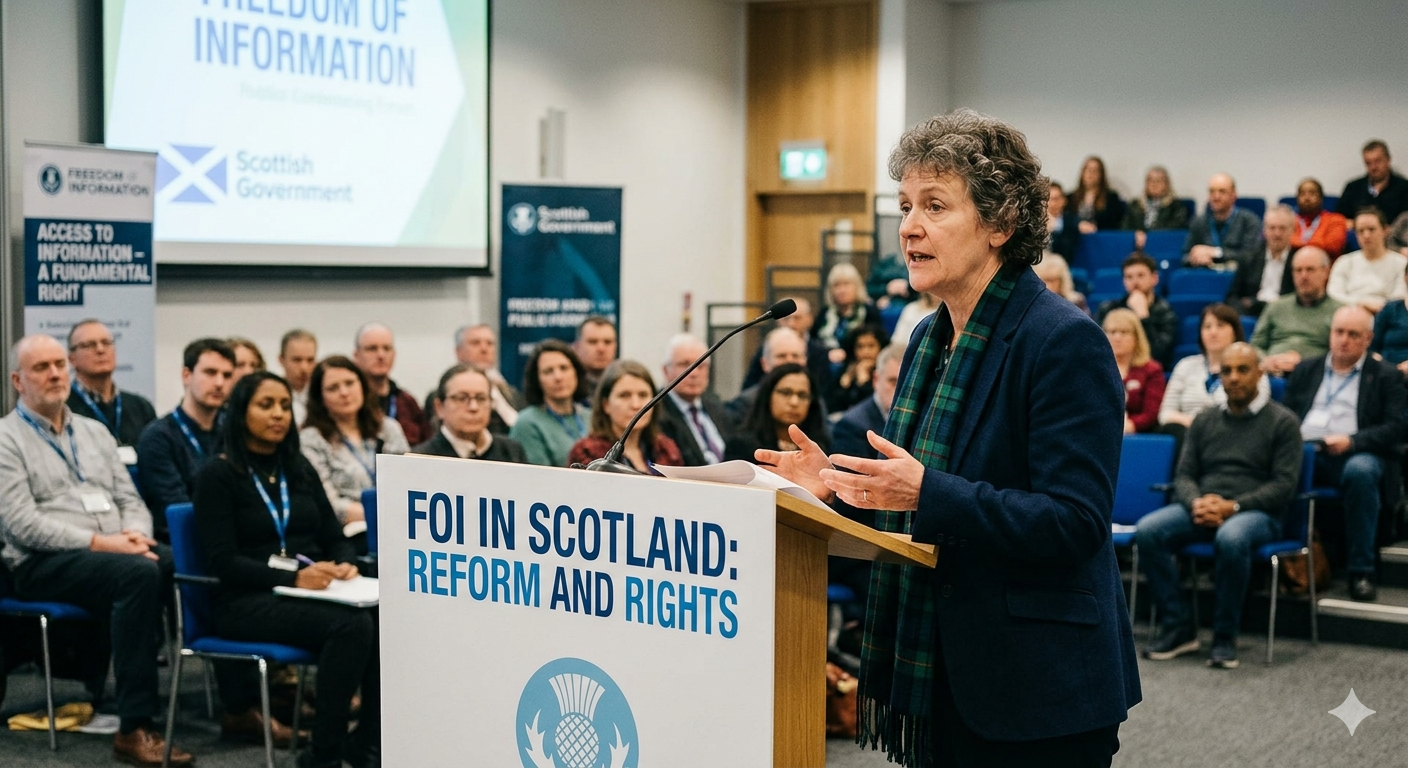
FOI in Scotland 2026 Reform and Rights
The Freedom of Information (Scotland) Act is entering a pivotal "pressure-test" year in 2026. With legislative reform proposals currently moving through the Scottish Parliament, the very definition of what constitutes a "public authority" is under scrutiny. This conference addresses the urgent questions surrounding transparency in a modern governance landscape where public services are increasingly delivered through complex partnerships, arms-length bodies, and private contractors.
The event provides a deep dive into the practicalities of FOI management in a digital-first environment. Practitioners are facing a "perfect storm" of rising request volumes, increasingly sophisticated requests from journalists and activists, and the technical challenge of searching unstructured data within messaging apps and private emails used for official business. We will host a panel of experts to discuss the likely impact of the upcoming legislative changes, specifically focusing on the extension of FOI rights to private entities performing public functions.
Delegates will benefit from sessions on "Best Practice by Design"—how to build transparency into the procurement and service delivery phase rather than treating FOI as a reactive administrative burden. We will also hear from the Scottish Information Commissioner’s office regarding recent appeals and the standard of "proactive disclosure" expected in 2026. This is a must-attend event for FOI officers and governance leads who need to ensure their organization remains compliant while protecting the integrity of the decision-making process.
Online Interactive Platform,
Edinburgh
93
0

Jun 02, 2026
Meeting Scottish Public Sector Budget Challenges
Scotland’s public sector is currently navigating its most difficult fiscal landscape in decades. With the Scottish Government demanding £1.5 billion in efficiencies, leaders are tasked with the near-impossible: maintaining or improving service quality while budgets are effectively shrinking in real terms. This high-level conference addresses the "fiscal gap" by bringing together the architects of public reform and the leaders responsible for delivering it on the ground.
The conference moves beyond simple cost-cutting and focuses on systemic transformation. We will explore the "Value-Based" approach to public spending—identifying which programs deliver genuine outcomes and which are legacy expenditures that can no longer be justified. Speakers will discuss the role of multi-year financial planning, the integration of health and social care budgets, and the potential for cross-boundary collaboration between local authorities to achieve economies of scale.
Special attention is given to the human element of fiscal reform. How do you lead a workforce through "perpetual change" without succumbing to burnout or service failure? We will examine innovative procurement models and the role of the third sector as a partner in lower-cost, preventative service delivery. This event is a critical gathering for those who must reconcile the harsh reality of the balance sheet with the social necessity of the services they provide. It offers a rare opportunity to hear directly from finance directors and policy influencers about the hard choices that will define the 2026/27 Scottish budget cycle.
Online Interactive Platform,
Edinburgh
59
0
May 19, 2026
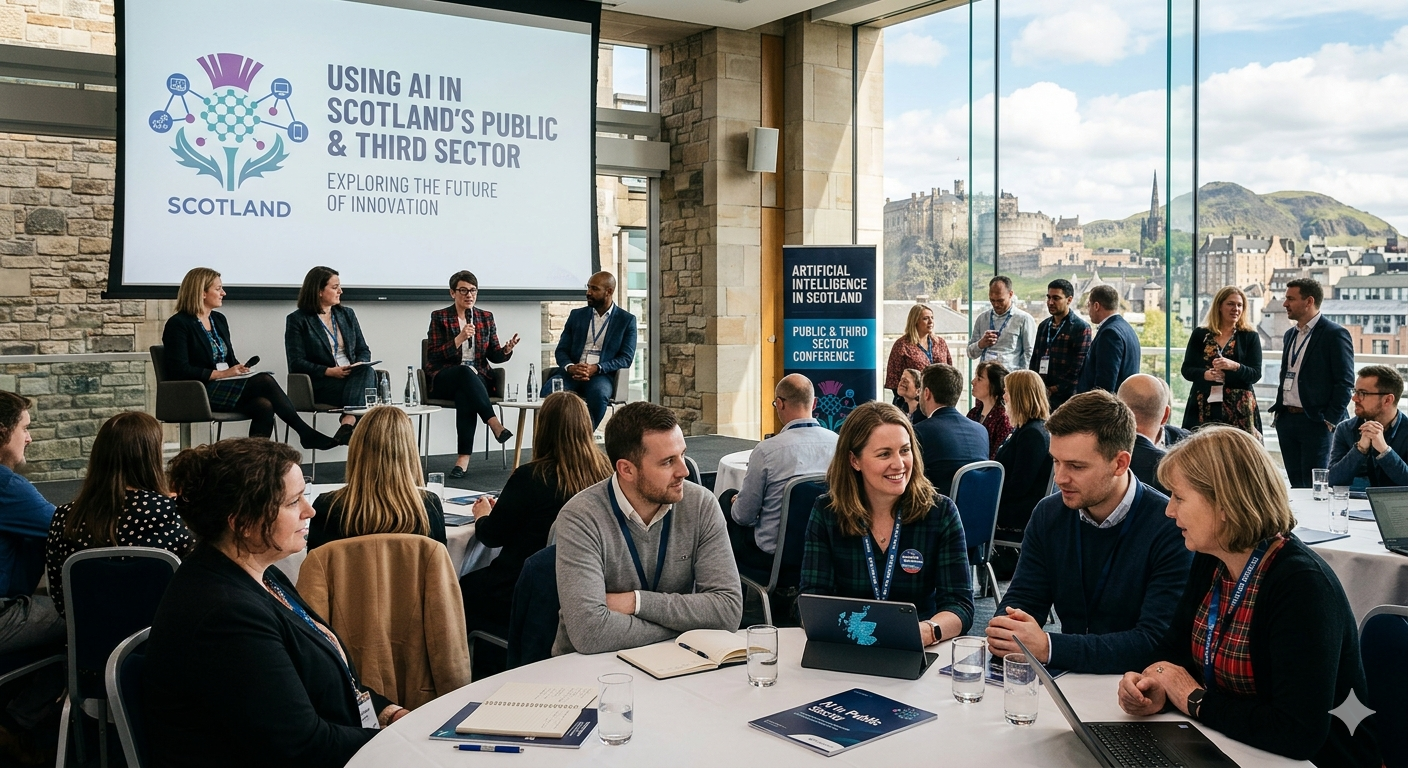
Using AI in Scotland Public and Third Sector
As we move into mid-2026, Artificial Intelligence has transitioned from a speculative "buzzword" into a critical operational tool for Scotland’s public and third-sector organizations. With public budgets under unprecedented pressure and service demand reaching record highs, the necessity for "smarter" working has never been more urgent. This comprehensive conference delves into the practicalities of AI implementation, moving beyond theoretical potential to focus on "what actually works" in the Scottish context.
The program is designed to provide a realistic roadmap for leaders and practitioners who are tasked with integrating AI into frontline services. We will explore the dual-track approach of efficiency and ethics. On one hand, the event highlights how automation and predictive analytics can streamline administrative burdens in the NHS, local councils, and housing associations. On one hand, we confront the "trust gap"—addressing how to maintain transparency, human oversight, and data security in an era of machine learning.
Throughout the day, delegates will hear from pioneers who have already piloted AI solutions in Scotland. These case studies will offer "warts and all" insights into the challenges of legacy system integration, workforce upskilling, and the procurement of AI technologies that are fit for public purpose. We will also examine the latest regulatory guidance from the Scottish Government and the UK’s central AI safety frameworks, ensuring that attendees leave with a defensible strategy for 2026 and beyond. This is a vital forum for anyone responsible for digital transformation, service design, or strategic planning in a resource-constrained environment.
Online Interactive Platform,
Edinburgh
67
0
Apr 21, 2026
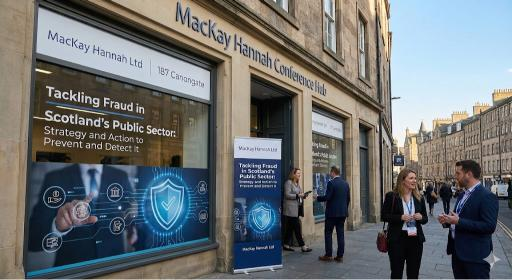
Tackling Fraud in Scotland Public Sector Strategy and Action to Prevent and Detect It
As Scotland navigates a period of significant fiscal pressure, the protection of public funds has never been more critical. Fraud in public services does more than just drain financial resources; it erodes the foundational trust between the citizenry and the state, undermining the delivery of essential health, education, and social outcomes. Despite the implementation of increasingly sophisticated oversight systems, the landscape of risk continues to shift. From the complexities of procurement and grant allocation to the rising tide of cyber-enabled fraud and internal payroll manipulation, the methods used to exploit public systems are in a state of constant evolution.
This comprehensive conference, hosted by MacKay Hannah Ltd, serves as a vital platform for Scotland's public and third-sector leaders to move beyond mere compliance. The session is designed to help organizations embed active prevention and detection strategies into the very fabric of their daily operations. Throughout the day, expert speakers will dissect the current "fraud landscape" in Scotland, highlighting the specific vulnerabilities exposed by the transition to digital-first services and the ongoing decentralization of service delivery.
Attendees will engage in deep-dive discussions regarding the "Data (Use and Access) Act 2025" and how new regulatory frameworks are reshaping the way public bodies share information to catch fraudulent activity before it occurs. The event will also explore the role of Artificial Intelligence in anomaly detection—balancing the efficiency of automated oversight with the necessity of human accountability. By attending, delegates will gain a clearer understanding of how to foster a culture of integrity that empowers staff at all levels to identify and report red flags. The program concludes with a focus on collaborative action, exploring how local authorities, the NHS, and central government can share intelligence to build a unified defense against financial crime in the 2026 fiscal year and beyond.
Online Conference,
Edinburgh
152
0
- Prev
- 1
- Next
Share This Page
My Page
Scan QR to open
Barcode